
如何实施临床机器人二尖瓣手术项目。
How to implement a clinical robotic mitral valve surgery program.
作者信息
Xue Anna, Chen Sarah, Ranade Alison, Smith Kimberly, Kasten Jeff, Catrip Jorge, Kiaii Bob
机构信息
Division of Cardiac Surgery, University of California Davis Health, Sacramento, CA, USA.
出版信息
Ann Cardiothorac Surg. 2022 Sep;11(5):504-509. doi: 10.21037/acs-2022-rmvs-14.
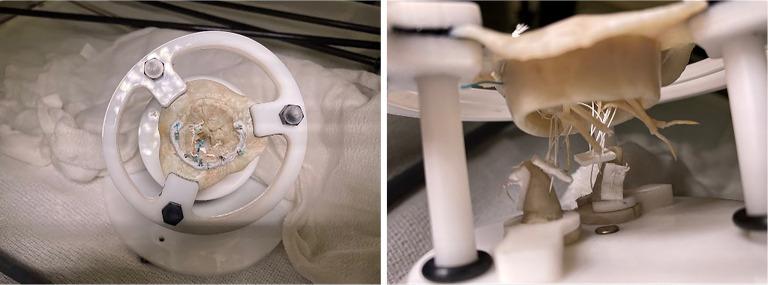
Minimally invasive, specifically, robot-assisted mitral valve surgery has evolved as a method to intervene on mitral valve disease without a median sternotomy while providing the advantages of excellent visualization and allowing for precise technical movements in a small space with the goal to decrease surgical invasiveness, post-operative pain, and hospital length of stay. As patient interest in minimally invasive cardiac procedures become more prevalent and patients seek the opportunity to undergo robotic valve surgery, institutions worldwide are exploring the potential of establishing a robotic mitral valve surgery program. While robust existing experience in open surgical mitral valve repair, careful patient selection, a dedicated team, and institution support are fundamental factors to implement a new robotic mitral valve surgery program, we believe that simulation team training prior to transitioning to live cases is also crucial and should be incorporated to establish a successful mitral valve surgery program.
具体而言,微创,尤其是机器人辅助二尖瓣手术,已发展成为一种无需正中开胸即可干预二尖瓣疾病的方法,它具有视野极佳的优势,能够在狭小空间内进行精确的技术操作,目的是降低手术创伤、术后疼痛以及缩短住院时间。随着患者对微创心脏手术的兴趣日益普遍,且患者寻求接受机器人瓣膜手术的机会,全球各机构都在探索建立机器人二尖瓣手术项目的潜力。虽然现有的开放手术二尖瓣修复经验丰富、仔细的患者选择、专业的团队以及机构支持是实施新的机器人二尖瓣手术项目的基本要素,但我们认为,在过渡到实际病例之前进行模拟团队培训也至关重要,应将其纳入以建立一个成功的二尖瓣手术项目。



 Zotero 插件