Gutlapalli Sai Dheeraj, Prakash Keerthana, Swarnakari Kiran Maee, Bai Meena, Manoharan Mohana Priya, Raja Rabab, Jamil Aneeque, Csendes Denise, Desai Aditya, Desai Darshi M, Alfonso Michael
Internal Medicine, California Institute of Behavioral Neurosciences & Psychology, Fairfield, USA.
Medicine, California Institute of Behavioral Neurosciences & Psychology, Fairfield, USA.
Cureus. 2022 Sep 8;14(9):e28946. doi: 10.7759/cureus.28946. eCollection 2022 Sep.
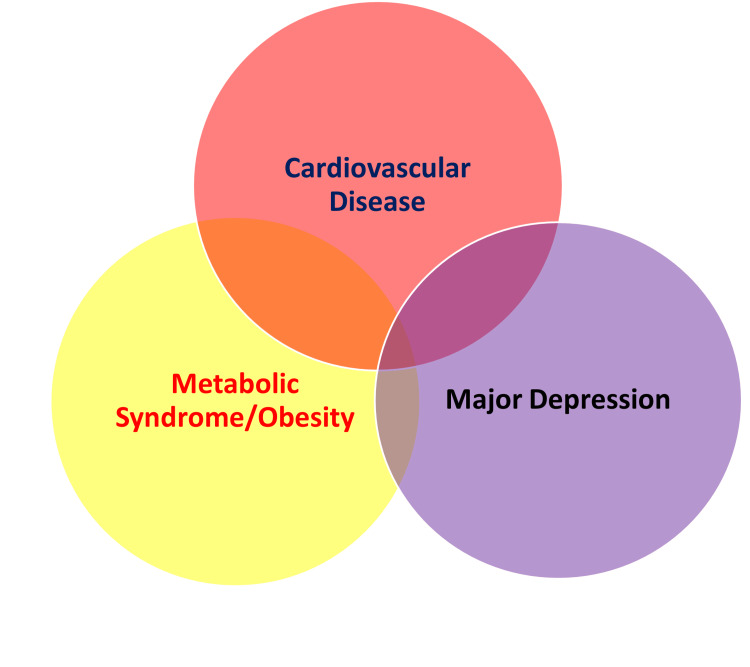
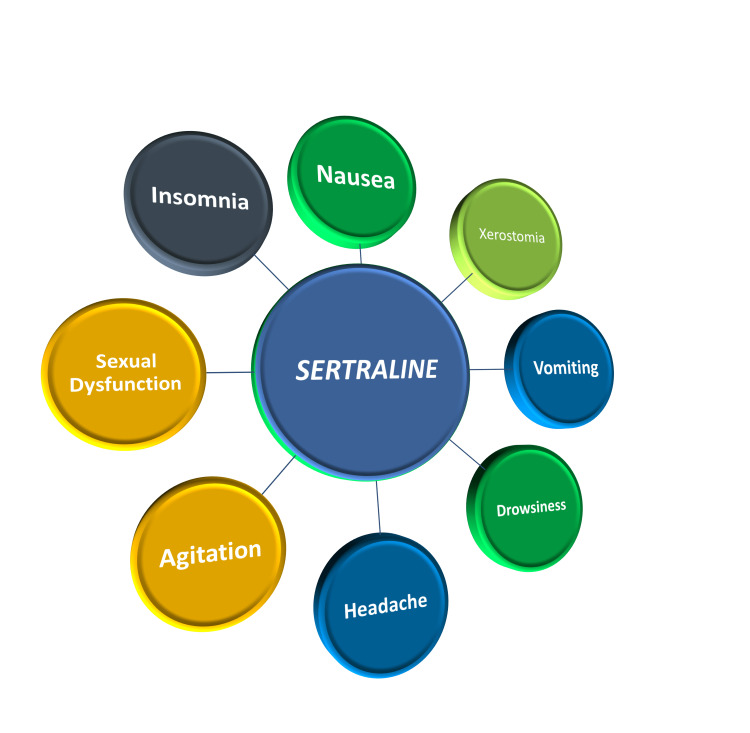
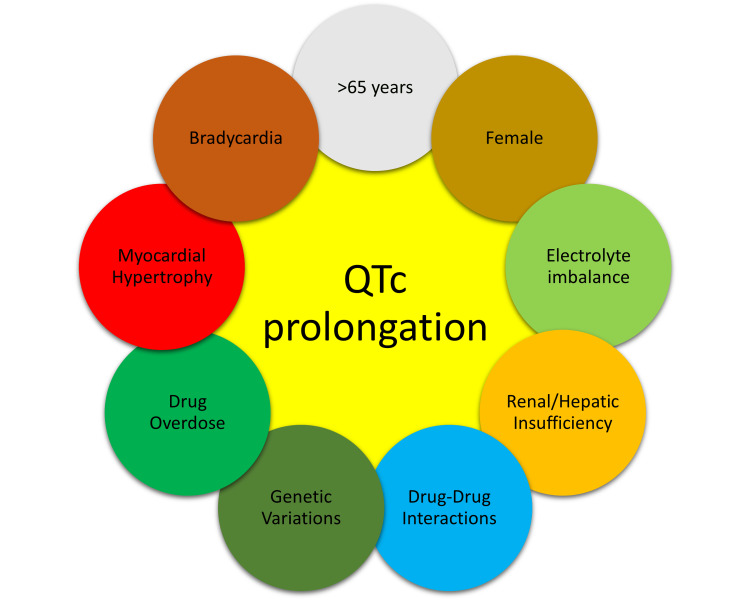
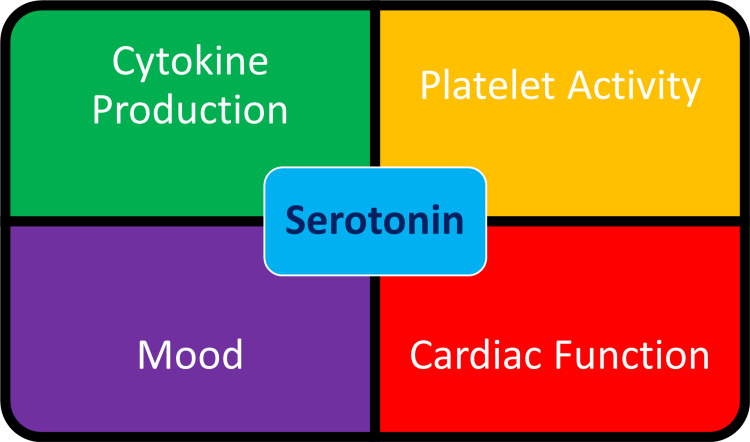
Sertraline is a first-line antidepressant and the most commonly used in the treatment of selective serotonin reuptake inhibitor (SSRI) in major depression. It is preferred due to its central and peripheral actions on the serotonergic system in patients with mental health issues as well as cardiovascular disease, particularly post-myocardial infarction depression. Some of the feared adverse effects include QT prolongation, arrhythmias including Torsades de pointed, and sudden cardiac death, which are associated with older antidepressants and are rarely seen with SSRIs, including sertraline. We tried to understand the risks associated with sertraline use in cardiac patients. We reviewed all the relevant information from inception up to July 2022 regarding the risks of sertraline use in cardiovascular diseases, particularly with a focus on post-myocardial infarction depression, and gathered around 500 articles in our research and narrowed it down to 37 relevant articles. The database used was PubMed and the keywords used are sertraline, arrhythmia, major depression, post-myocardial infarction, and ventricular tachycardia. We carefully screened all relevant articles and found articles supporting and refuting the effects of sertraline in increasing cardiovascular morbidity and mortality. We concluded that there is a significant variability due to confounding factors affecting individual cases. Overall, sertraline has no increased risk in comparison with other antidepressants and a comparatively preferable safety profile to other SSRIs like citalopram in general cases. Any patient with a high risk of arrhythmias due to any etiology should receive a screening ECG before sertraline prescription for baseline QT interval and genotyping for any serotonin transporter/receptor variations. Patients should also be periodically monitored for drug-drug interactions while on therapy. We encourage further research, including randomized clinical trials and post-marketing surveillance regarding the use of sertraline in high-risk cases.
舍曲林是一线抗抑郁药,也是治疗重度抑郁症时最常用的选择性5-羟色胺再摄取抑制剂(SSRI)。由于其对患有精神健康问题以及心血管疾病(尤其是心肌梗死后抑郁症)患者的血清素能系统具有中枢和外周作用,因此更受青睐。一些令人担忧的不良反应包括QT间期延长、心律失常(包括尖端扭转型室速)和心源性猝死,这些不良反应与较老的抗抑郁药有关,而在包括舍曲林在内的SSRI中很少见。我们试图了解在心脏病患者中使用舍曲林的相关风险。我们回顾了从开始到2022年7月所有关于舍曲林在心血管疾病中使用风险的相关信息,尤其关注心肌梗死后抑郁症,并在研究中收集了约500篇文章,将其缩小到37篇相关文章。使用的数据库是PubMed,使用的关键词是舍曲林、心律失常、重度抑郁症、心肌梗死后和室性心动过速。我们仔细筛选了所有相关文章,发现有文章支持和反驳舍曲林增加心血管发病率和死亡率的影响。我们得出结论,由于混杂因素影响个体病例,存在显著差异。总体而言,与其他抗抑郁药相比,舍曲林没有增加风险,在一般情况下,其安全性比其他SSRI(如西酞普兰)相对更优。任何因任何病因有高心律失常风险的患者,在开具舍曲林处方前应接受筛查心电图以获取基线QT间期,并进行基因分型以检测任何血清素转运体/受体变异。患者在治疗期间也应定期监测药物相互作用。我们鼓励进一步的研究,包括关于舍曲林在高危病例中使用的随机临床试验和上市后监测。