Optic Nerve Head Research Laboratory, Devers Eye Institute, Legacy Research Institute, Portland, Oregon, United States.
Discoveries in Sight, Devers Eye Institute, Legacy Research Institute, Portland, Oregon, United States.
Invest Ophthalmol Vis Sci. 2022 Oct 3;63(11):9. doi: 10.1167/iovs.63.11.9.
The purpose of this study was to test if optic nerve head (ONH) myelin basic protein (MBP), 2',3'-cyclic nucleotide 3'-phosphodiesterase (CNPase), glial fibrillary acidic protein (GFAP), and ionized calcium binding adaptor molecule 1 (Iba1) proteins are altered in non-human primate (NHP) early/moderate experimental glaucoma (EG).
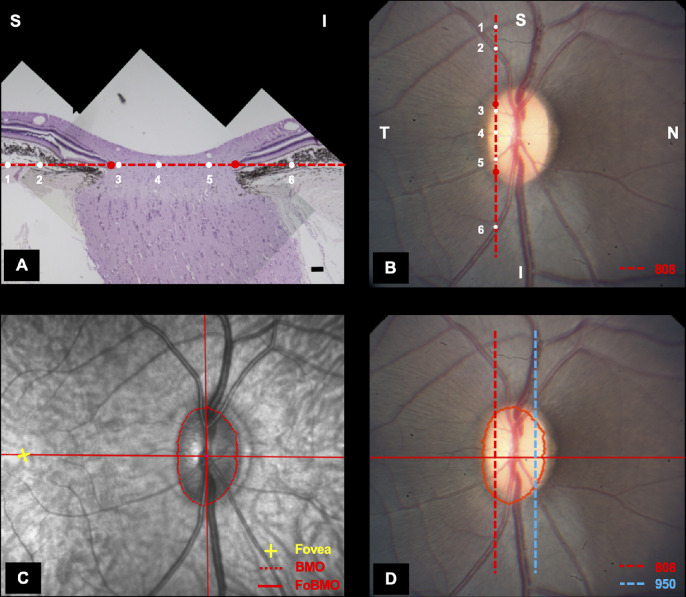
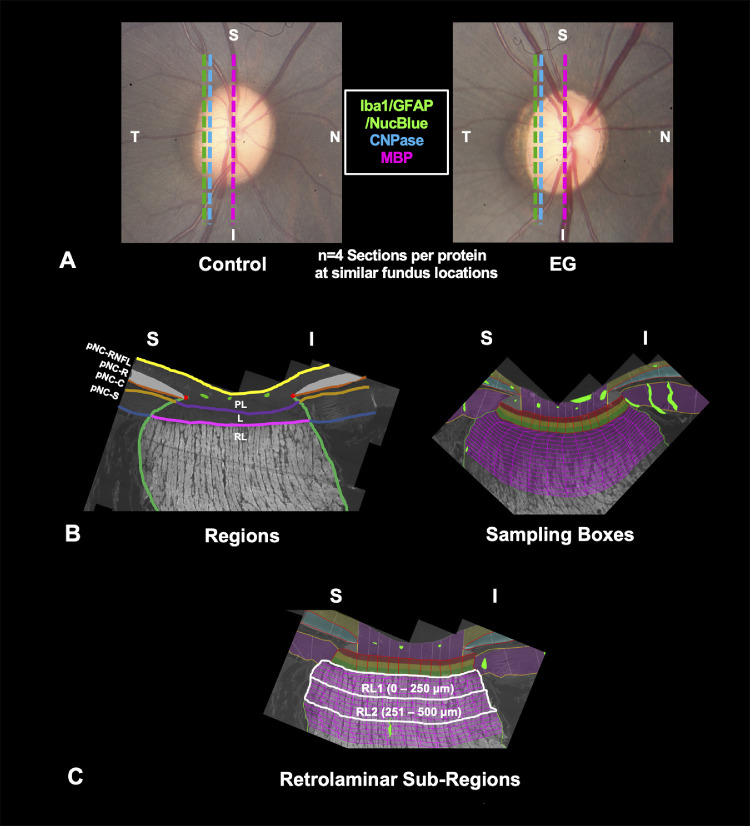
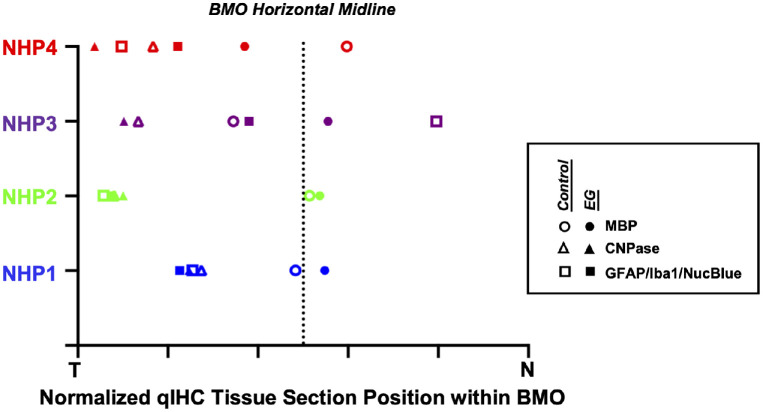
Following paraformaldehyde perfusion, control and EG eye ONH tissues from four NHPs were paraffin embedded and serially (5 µm) vertically sectioned. Anti-MBP, CNPase, GFAP, Iba1, and nuclear dye-stained sections were imaged using sub-saturating light intensities. Whole-section images were segmented creating anatomically consistent laminar (L) and retrolaminar (RL) regions/sub-regions. EG versus control eye intensity/pixel-cluster density data within L and two RL regions (RL1 [1-250 µm]/RL2 [251-500 µm] from L) were compared using random effects models within the statistical program "R."
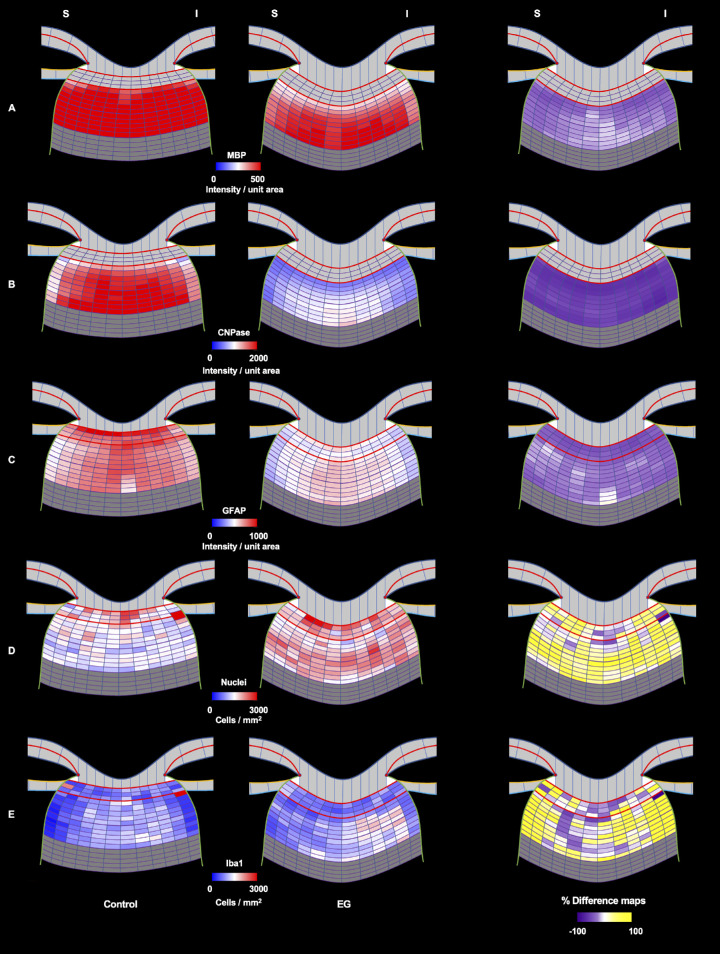
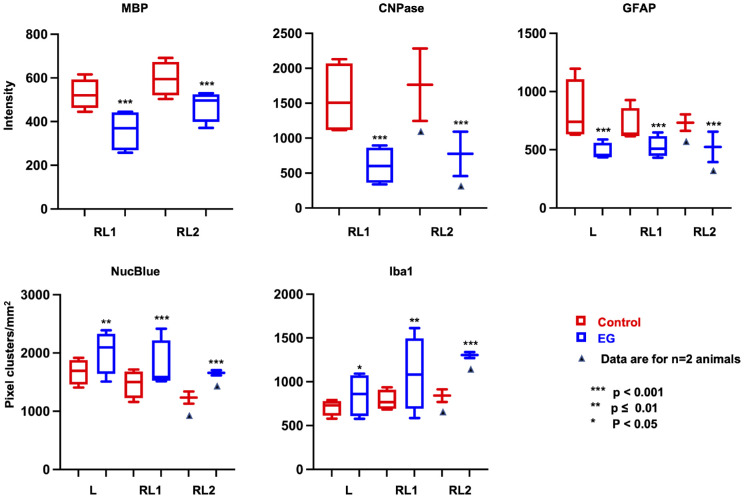
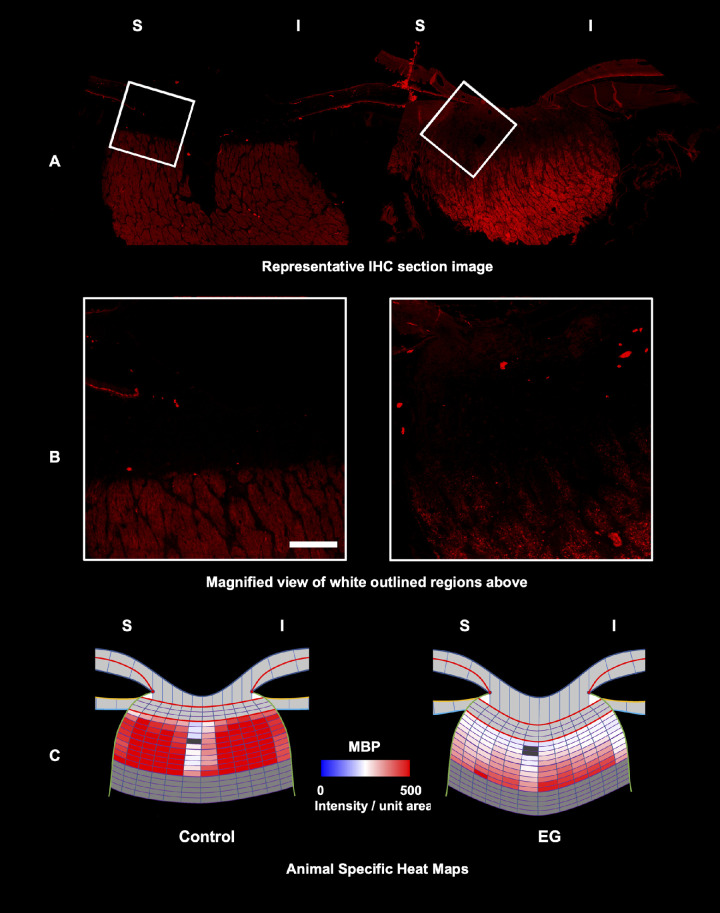
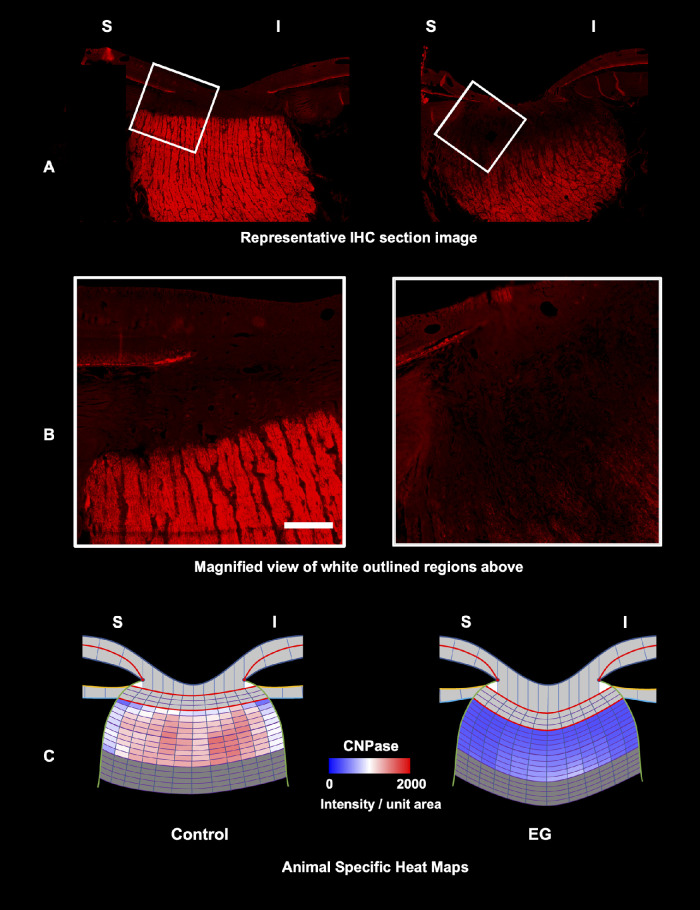
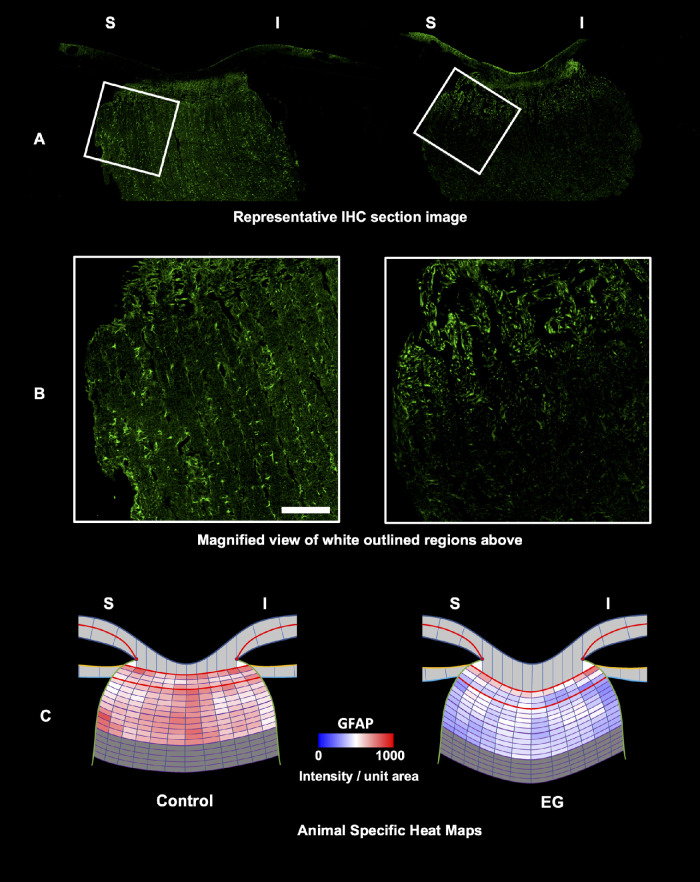
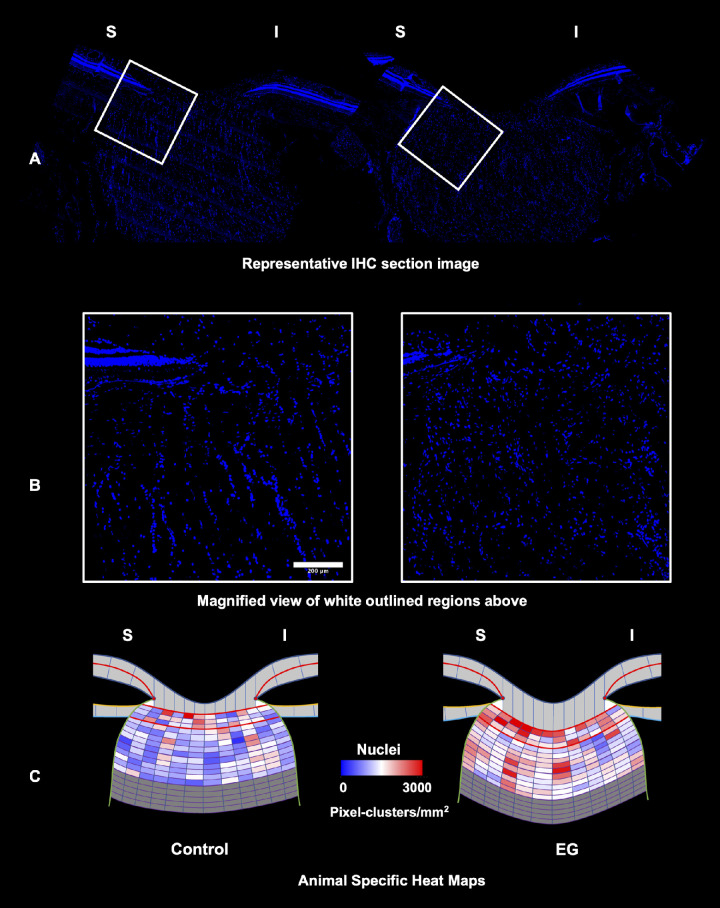
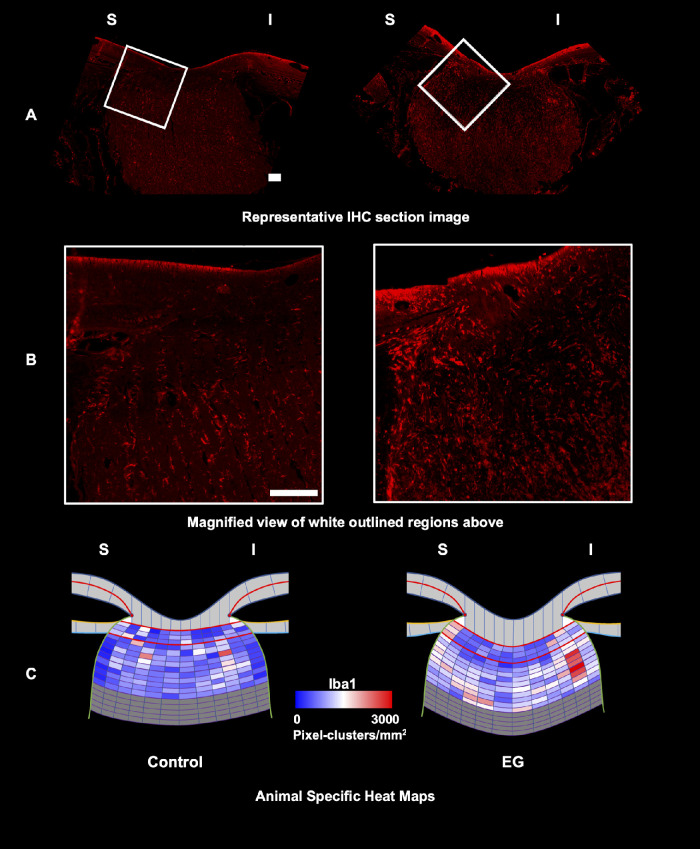
EG eye retinal nerve fiber loss ranged from 0% to 20%. EG eyes' MBP and CNPase intensity were decreased within the RL1 (MBP = 31.4%, P < 0.001; CNPase =62.3%, P < 0.001) and RL2 (MBP = 19.6%, P < 0.001; CNPase = 56.1%, P = 0.0004) regions. EG eye GFAP intensity was decreased in the L (41.6%, P < 0.001) and RL regions (26.7% for RL1, and 28.4% for RL2, both P < 0.001). Iba1+ and NucBlue pixel-cluster density were increased in the laminar (28.2%, P = 0.03 and 16.6%, P = 0.008) and both RL regions (RL1 = 37.3%, P = 0.01 and 23.7%, P = 0.0002; RL2 = 53.7%, P = 0.002 and 33.2%, P < 0.001).
Retrolaminar myelin disruption occurs early in NHP EG and may be accompanied by laminar and retrolaminar decreases in astrocyte process labeling and increases in microglial/ macrophage density. The mechanistic and therapeutic implications of these findings warrant further study.
本研究旨在检测视神经头部(ONH)髓鞘碱性蛋白(MBP)、2',3'-环核苷酸 3'-磷酸二酯酶(CNPase)、胶质纤维酸性蛋白(GFAP)和离子钙结合接头分子 1(Iba1)在非人类灵长类动物(NHP)早期/中度实验性青光眼(EG)中的变化。
在进行多聚甲醛灌注后,来自四只 NHP 的对照眼和 EG 眼的 ONH 组织被石蜡包埋并进行连续(5μm)垂直切片。使用亚饱和光强度对抗 MBP、CNPase、GFAP、Iba1 和核染料染色的切片进行成像。通过在统计程序“R”中使用随机效应模型,对整个切片图像进行分割,创建解剖学上一致的层(L)和后层(RL)区域/亚区。使用随机效应模型在统计程序“R”中比较 L 和两个 RL 区域(RL1 [1-250μm]/RL2 [251-500μm])中 EG 眼与对照眼的强度/像素簇密度数据。
EG 眼的视网膜神经纤维损失范围为 0%至 20%。EG 眼中 RL1(MBP=31.4%,P<0.001;CNPase=62.3%,P<0.001)和 RL2(MBP=19.6%,P<0.001;CNPase=56.1%,P=0.0004)区域的 MBP 和 CNPase 强度降低。EG 眼 GFAP 强度在 L(41.6%,P<0.001)和 RL 区域(RL1 为 26.7%,RL2 为 28.4%,均 P<0.001)降低。Iba1+和 NucBlue 像素簇密度在层状区(28.2%,P=0.03 和 16.6%,P=0.008)和两个 RL 区(RL1=37.3%,P=0.01 和 23.7%,P=0.0002;RL2=53.7%,P=0.002 和 33.2%,P<0.001)增加。
在 NHP EG 中,后层髓鞘破坏发生较早,可能伴有层状和后层星形胶质细胞突起标记物减少以及小胶质细胞/巨噬细胞密度增加。这些发现的机制和治疗意义值得进一步研究。