Chen Lu, Zhang Xiaoqin, Ou Yaqing, Liu Maoyu, Yu Dongke, Song Zhiheng, Niu Lihong, Zhang Lijuan, Shi Jianyou
College of Pharmacy, Chengdu University of Traditional Chinese Medicine, Chengdu, China.
Department of Critical Care Medicine, Sichuan Academy of Medical Sciences, Sichuan Provincial People's Hospital, Affiliated Hospital of University of Electronic Science and Tec1hnology of China, Chengdu, Sichuan, China.
Front Pharmacol. 2022 Sep 28;13:976435. doi: 10.3389/fphar.2022.976435. eCollection 2022.
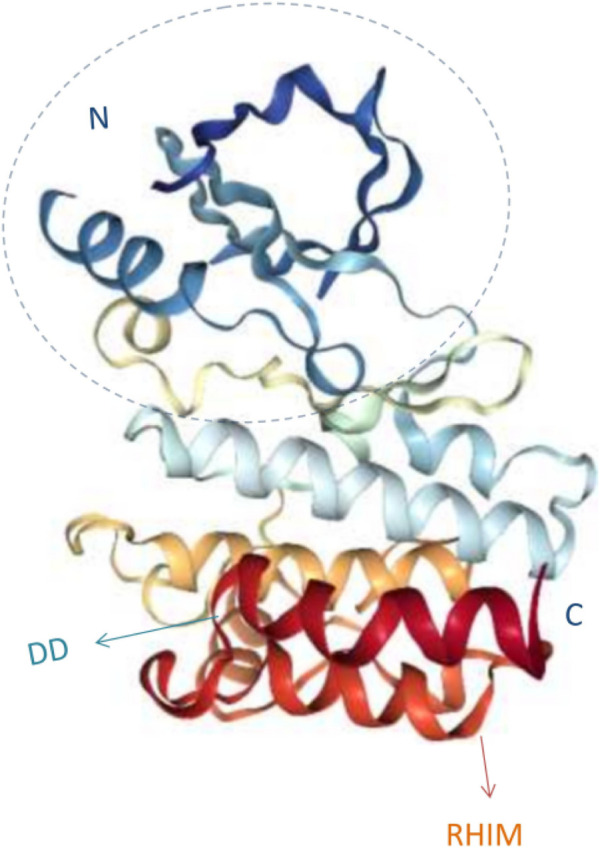
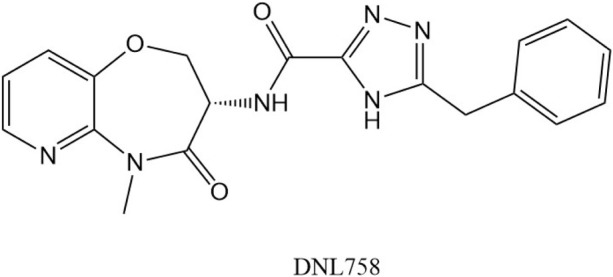
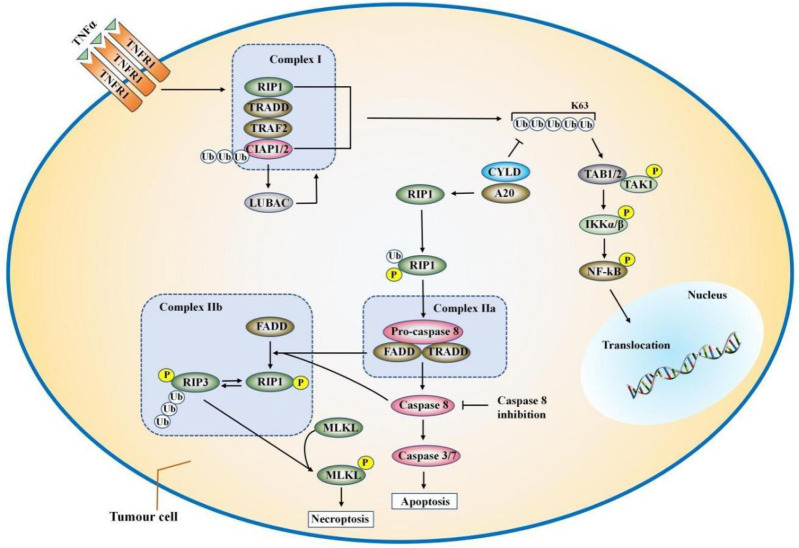
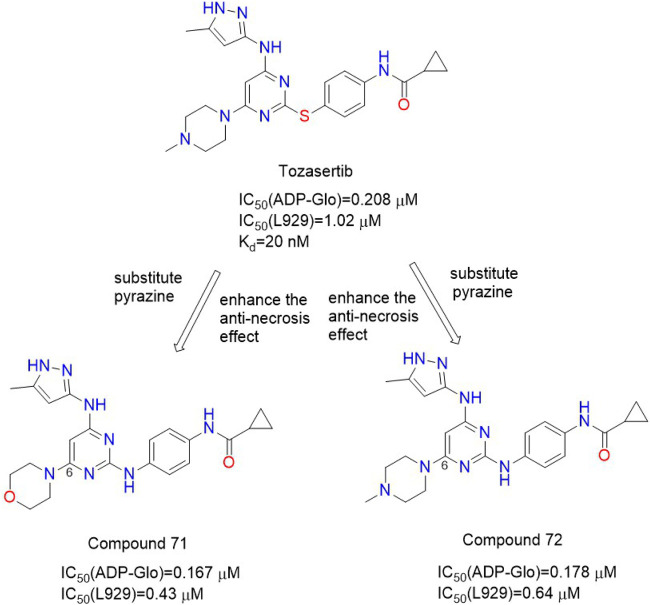
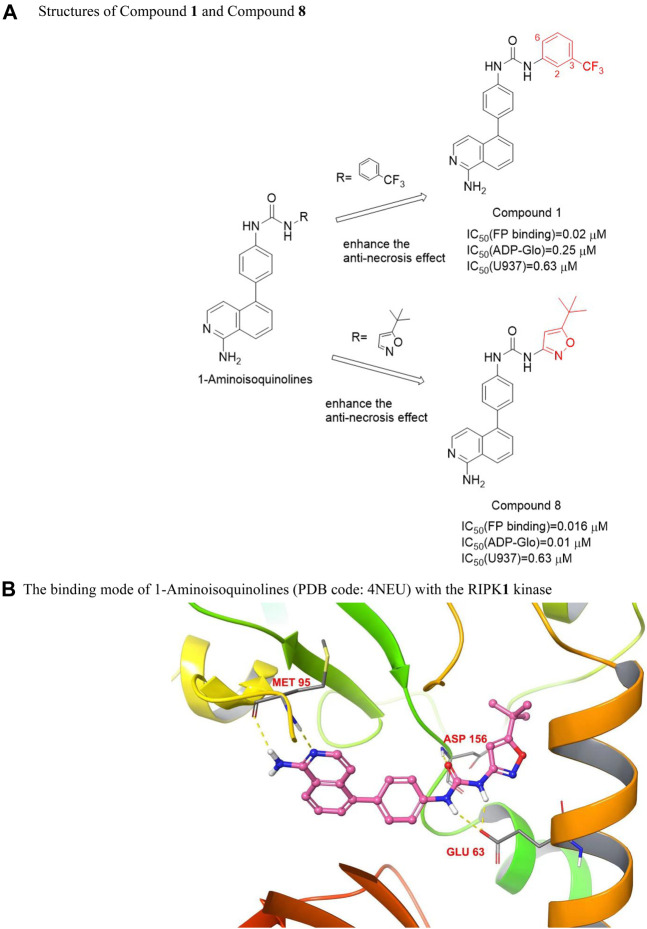
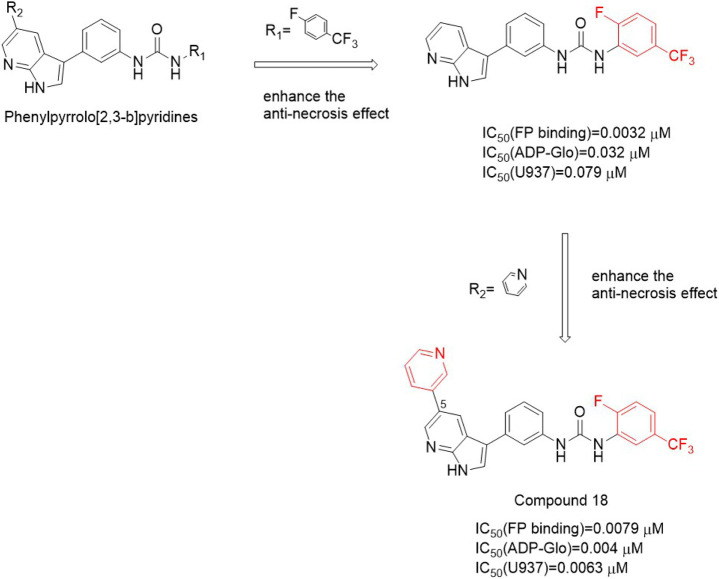
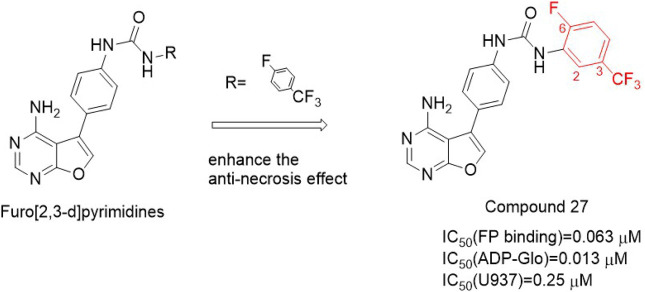
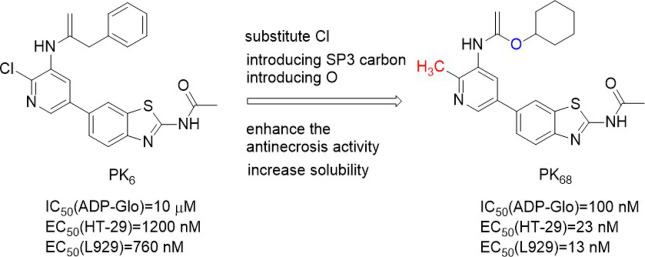
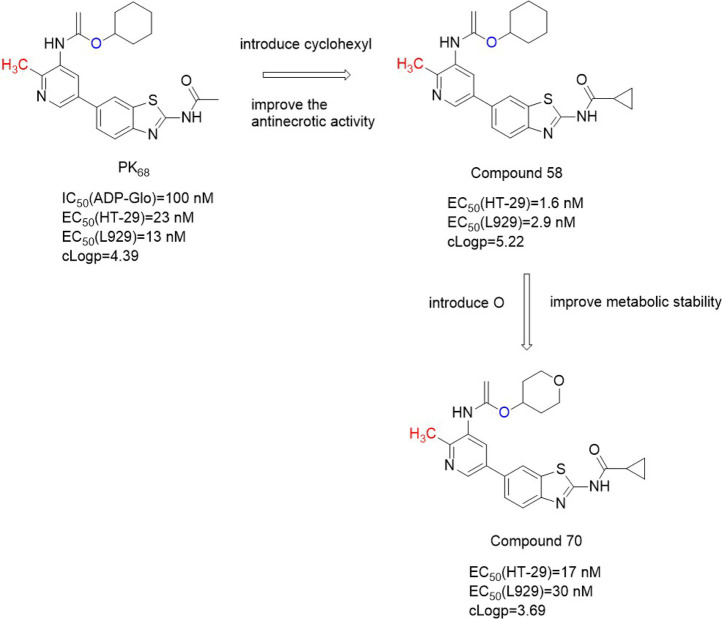
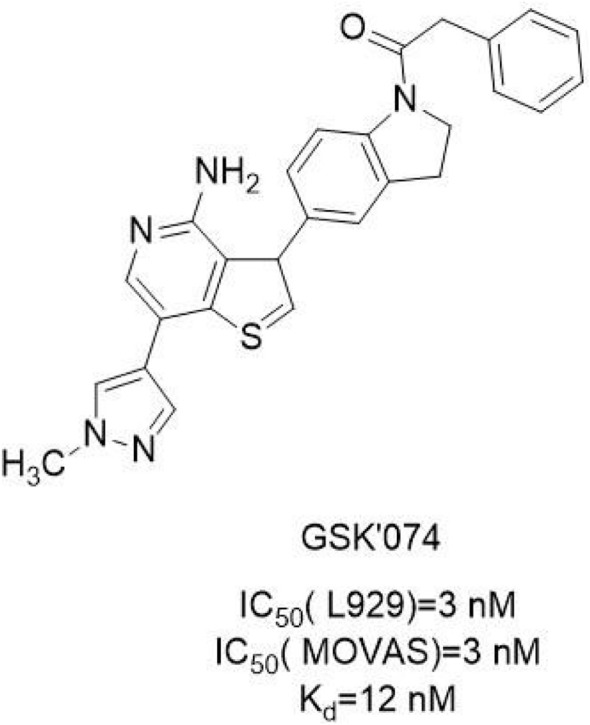
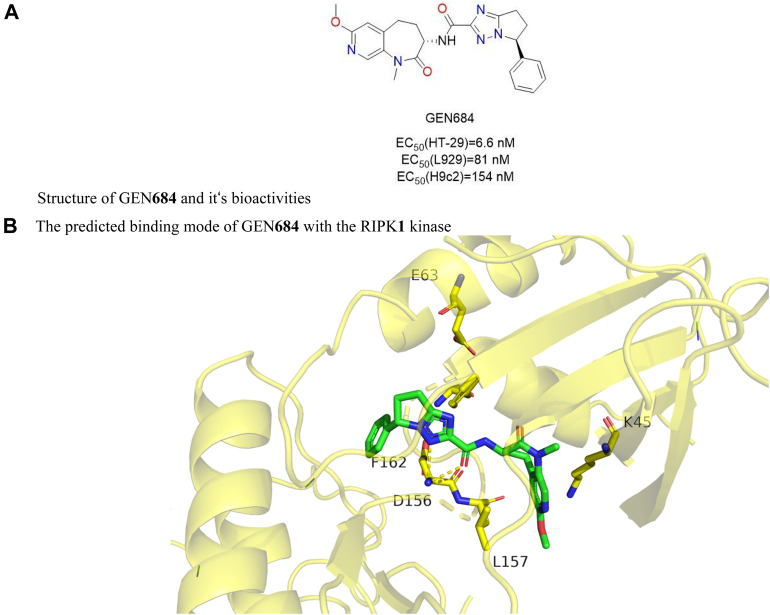
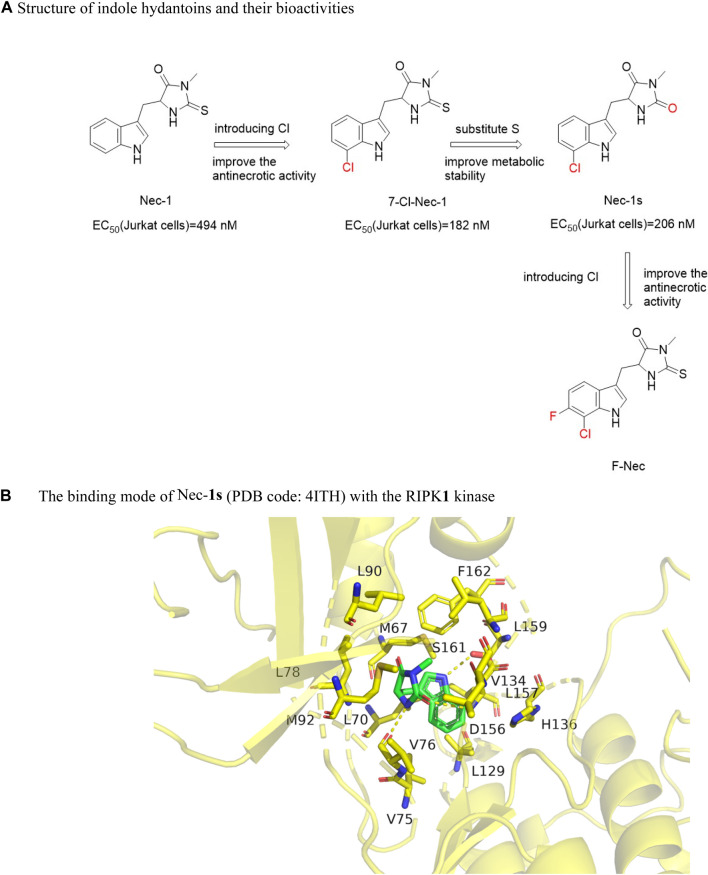
Programmed necrosis is a new modulated cell death mode with necrotizing morphological characteristics. Receptor interacting protein 1 (RIPK) is a critical mediator of the programmed necrosis pathway that is involved in stroke, myocardial infarction, fatal systemic inflammatory response syndrome, Alzheimer's disease, and malignancy. At present, the reported inhibitors are divided into four categories. The first category is the type I ATP-competitive kinase inhibitors that targets the area occupied by the ATP adenylate ring; The second category is type Ⅱ ATP competitive kinase inhibitors targeting the DLG-out conformation of RIPK; The third category is type Ⅲ kinase inhibitors that compete for binding to allosteric sites near ATP pockets; The last category is others. This paper reviews the structure, biological function, and recent research progress of receptor interaction protein-1 kinase inhibitors.
程序性坏死是一种具有坏死形态特征的新型调控性细胞死亡模式。受体相互作用蛋白1(RIPK)是程序性坏死途径的关键介质,参与中风、心肌梗死、致命性全身炎症反应综合征、阿尔茨海默病和恶性肿瘤。目前,报道的抑制剂分为四类。第一类是靶向ATP腺苷酸环占据区域的I型ATP竞争性激酶抑制剂;第二类是靶向RIPK的DLG-out构象的II型ATP竞争性激酶抑制剂;第三类是竞争结合ATP口袋附近变构位点的III型激酶抑制剂;最后一类是其他类型。本文综述了受体相互作用蛋白-1激酶抑制剂的结构、生物学功能及近期研究进展。