Department of Cardiology, The First Affiliated Hospital, Wannan Medical College, No.2, Zhe Shan West Road, Wuhu, 241001, Anhui, China.
Department of Electrocardiogram, The First Affiliated Hospital, Wannan Medical College, Wuhu, Anhui, China.
J Med Case Rep. 2022 Oct 19;16(1):381. doi: 10.1186/s13256-022-03608-z.
Atrial fibrillation is one of the most common arrhythmias. The main thrombotic complication of arterial fibrillation is ischemic stroke, but it can also cause acute renal infarction from embolization. The low incidence and nonspecific clinical manifestations of acute renal infarction make it difficult to diagnose, often leading to either delayed diagnosis or misdiagnosis. Due to its rarity, more efficient treatment guidelines are helpful for the management of acute renal infarction related to the thromboembolic complication of arterial fibrillation.
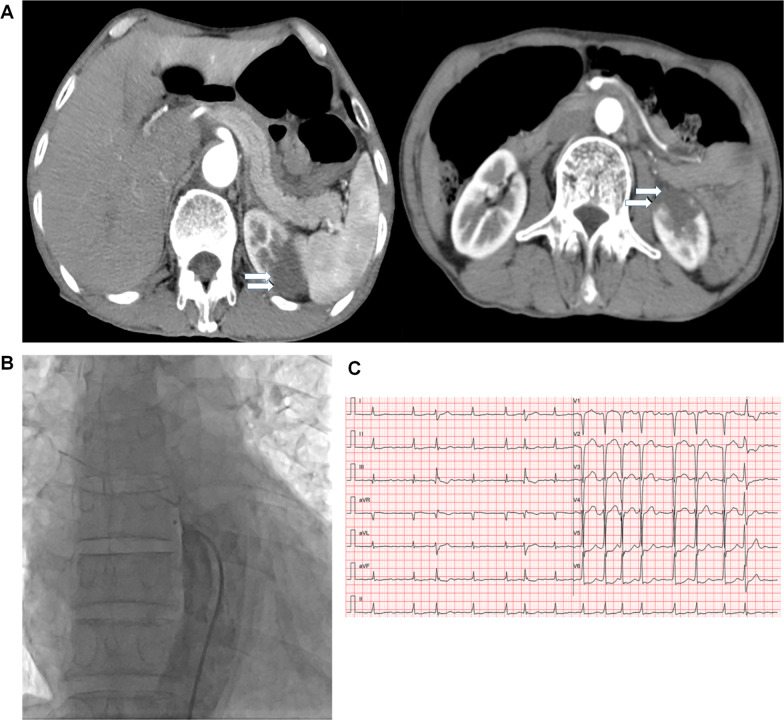
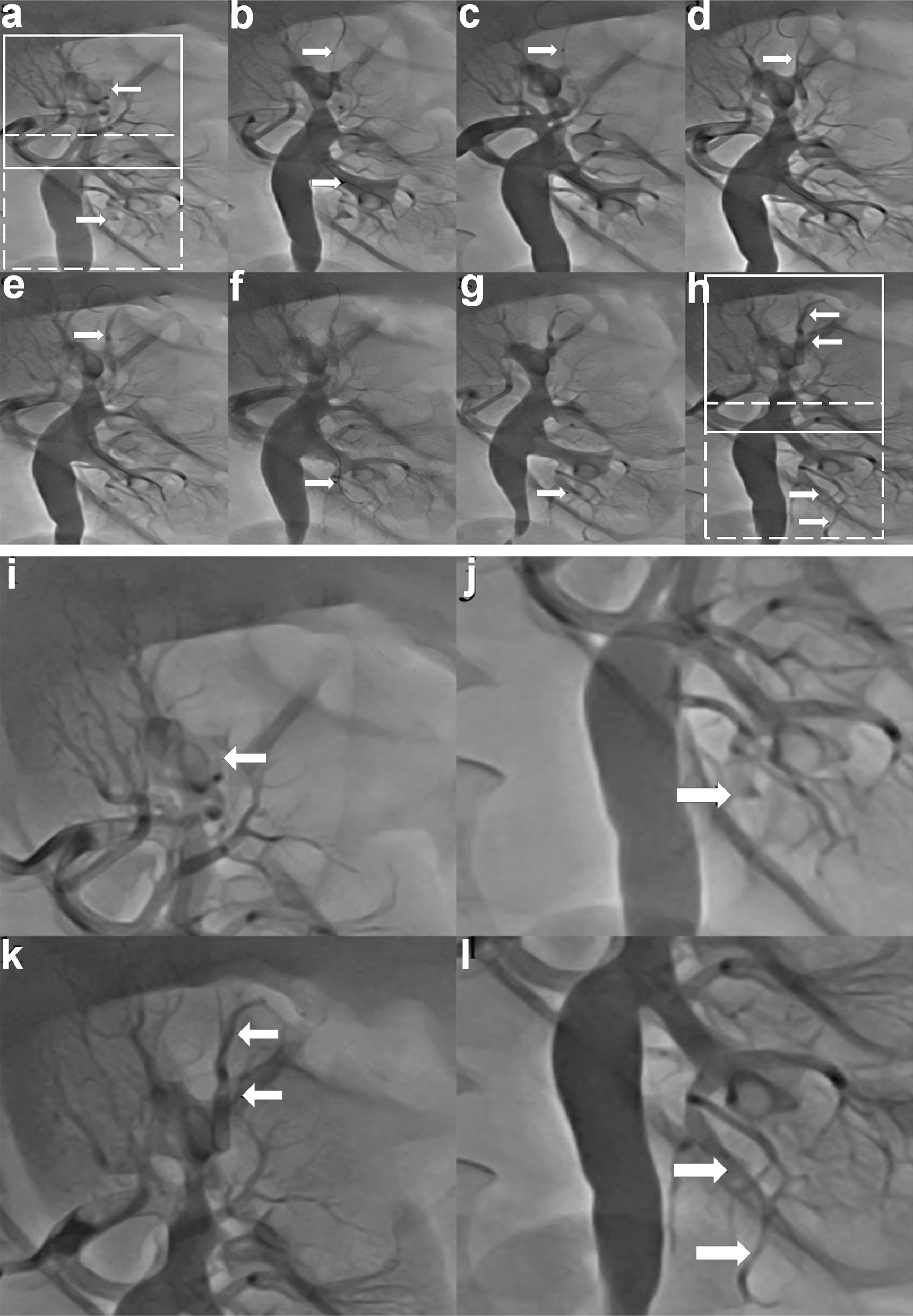
We report a case of acute renal infarction due to underlying arterial fibrillation, where a novel interventional therapeutic method was used. A 66-year-old Chinese man with arterial fibrillation, not on anticoagulation due to the patient's preference, and coronary artery disease post-percutaneous coronary intervention to left anterior descending artery about 1 year ago, was currently on dual antiplatelet therapy. He suddenly developed intermittent and sharp left-sided abdominal pain and was found to have an acute left renal infarction on computed tomography scan. Angiogram showed acute occlusion of the left renal artery due to thromboembolism. For this patient, a combination method of local thrombus aspiration, angioplasty, and infusion of nitroglycerin and diltiazem were used, restoring blood flow to the left kidney. After recovery, the patient was discharged on aspirin, clopidogrel, and warfarin. At 6 months follow-up, there was no residual kidney dysfunction.
Acute renal infarction from thromboembolism is a rare but serious complication of arterial fibrillation. More efficient and different options for intervention methods will benefit the treatment of this disease. Here, we report a combination therapeutic method that has not been used in acute renal infarction associated with arterial fibrillation, and which restored renal perfusion and prevented long-term kidney injury.
心房颤动是最常见的心律失常之一。动脉颤动的主要血栓并发症是缺血性中风,但它也可以通过栓塞导致急性肾梗死。急性肾梗死的发病率低且临床表现非特异性,使其难以诊断,往往导致诊断延迟或误诊。由于其罕见性,更有效的治疗指南有助于管理与动脉颤动的血栓栓塞并发症相关的急性肾梗死。
我们报告了一例由潜在动脉颤动引起的急性肾梗死病例,采用了一种新的介入治疗方法。一名 66 岁的中国男性,患有动脉颤动,由于患者的偏好,未进行抗凝治疗,并且大约 1 年前经皮冠状动脉介入治疗前降支冠状动脉后患有冠心病,目前正在接受双联抗血小板治疗。他突然出现间歇性剧烈左侧腹痛,并在计算机断层扫描上发现急性左肾梗死。血管造影显示左肾动脉急性血栓栓塞闭塞。对于该患者,采用局部血栓抽吸、血管成形术以及硝酸甘油和地尔硫卓输注的联合方法,恢复了左肾的血流。恢复后,患者出院时服用阿司匹林、氯吡格雷和华法林。在 6 个月的随访中,没有残留肾功能障碍。
血栓栓塞引起的急性肾梗死是动脉颤动的一种罕见但严重的并发症。更有效和不同的介入方法选择将有利于这种疾病的治疗。在这里,我们报告了一种联合治疗方法,尚未用于与动脉颤动相关的急性肾梗死,该方法恢复了肾脏灌注并防止了长期肾损伤。