Ti Yunrong, Yang Mengbo, Chen Xinda, Zhang Ming, Xia Jingjing, Lv Xiangguo, Xiao Dongdong, Wang Jiucun, Lu Mujun
Department of Urology and Andrology, Renji Hospital, Shanghai Institute of Andrology, School of Medicine, Shanghai Jiaotong University, Shanghai, China.
Greater Bay Area Institute of Precision Medicine, School of Life Sciences, Fudan University, Guangzhou, China.
Front Bioeng Biotechnol. 2022 Oct 7;10:1019063. doi: 10.3389/fbioe.2022.1019063. eCollection 2022.
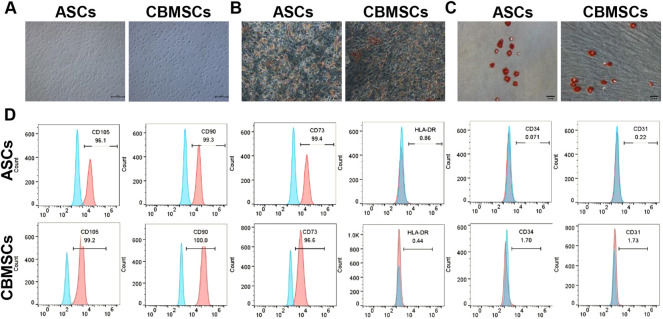
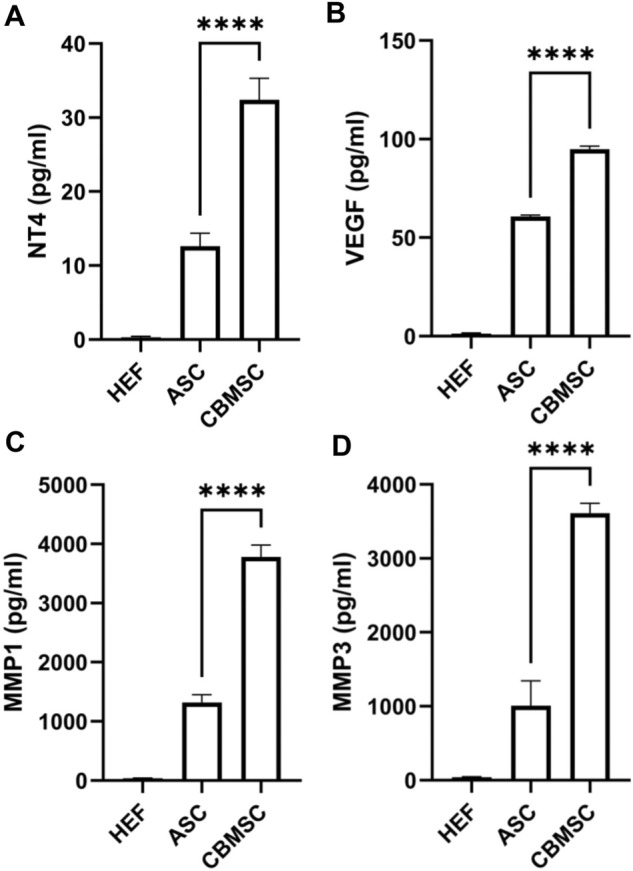
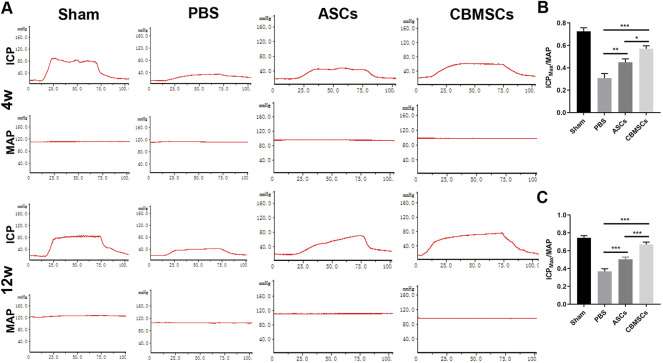
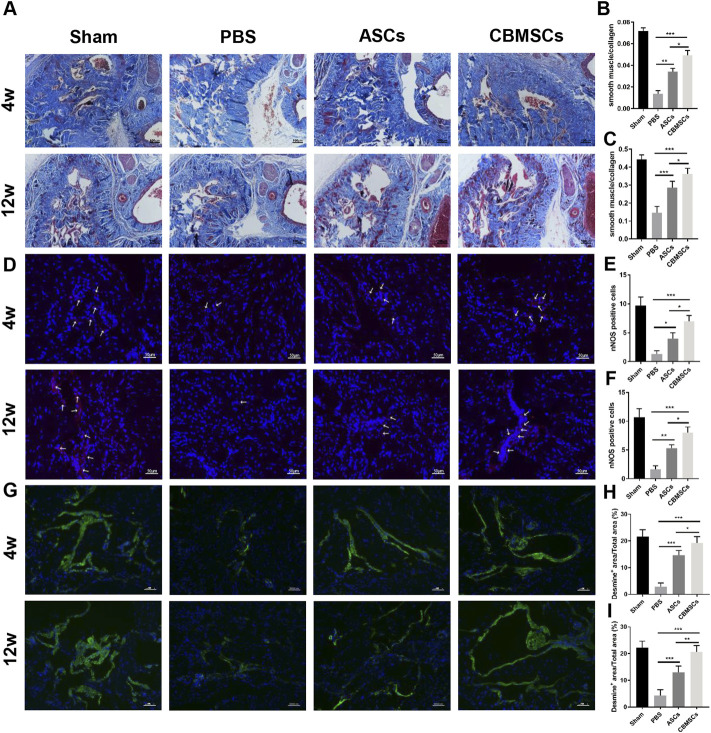
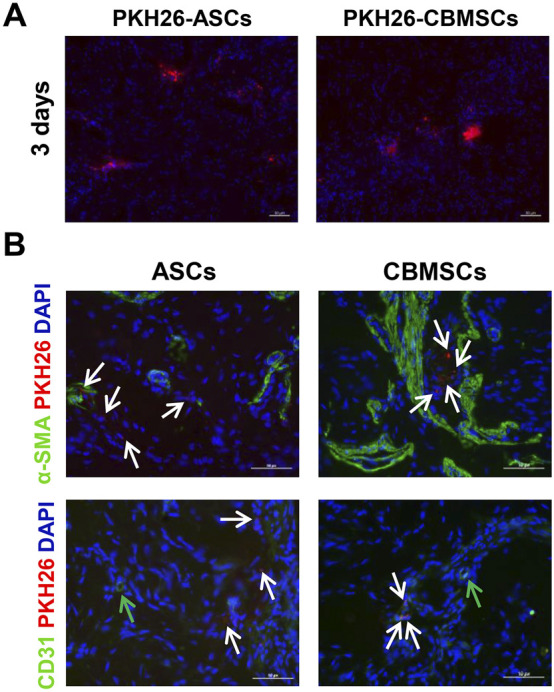
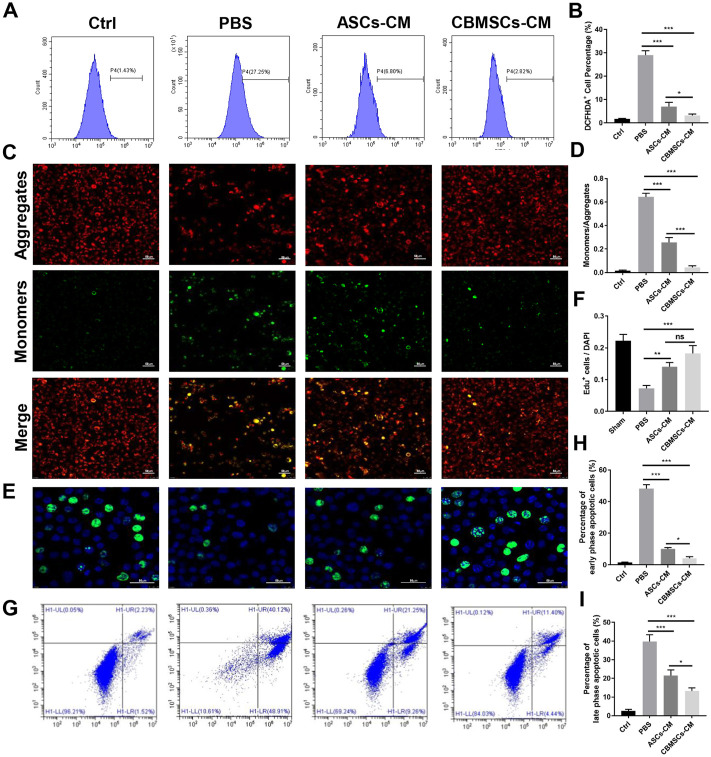
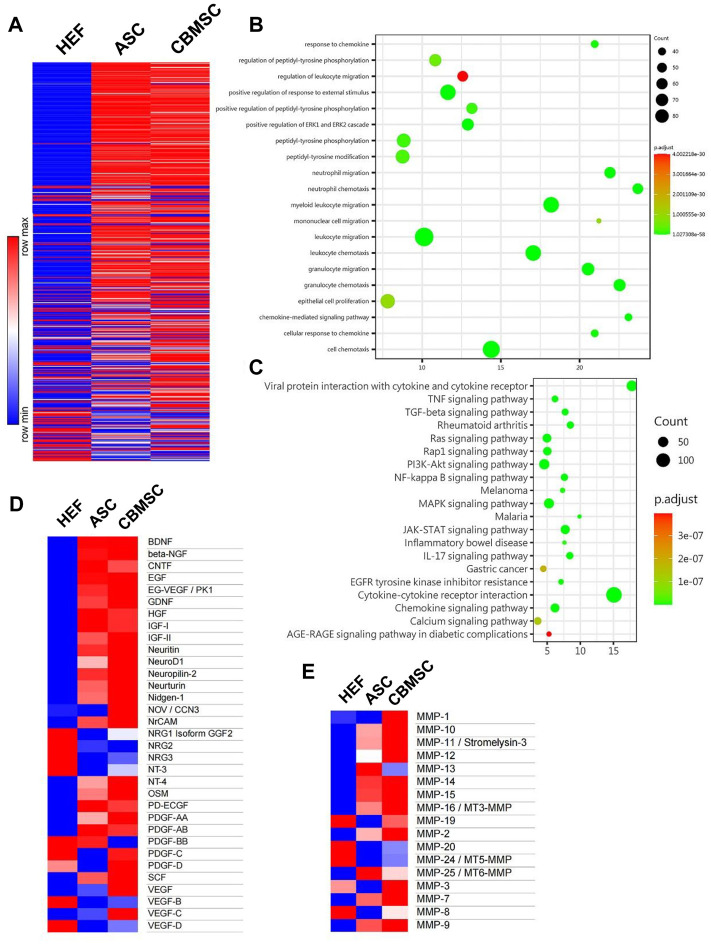
Cavernous nerve injury (CNI) is the leading cause of erectile dysfunction (ED) after radical prostatectomy and pelvic fracture. Transplantation of human adipose-derived stem cells (ASCs) has been widely used to restore erectile function in CNI-ED rats and patients. Umbilical cord blood-derived MSCs (CBMSCs) are similarly low immunogenic but much primitive compared to ASCs and more promising in large-scale commercial applications due to the extensive establishment of cord blood banks. However, whether CBMSCs and ASCs have differential therapeutic efficacy on CNI-ED and the underlying mechanisms are still not clear. A bilateral cavernous nerve injury (BCNI) rat model was established by crushing the bilateral cavernous nerves. After crushing, ASCs and CBMSCs were intracavernously injected immediately. Erectile function, Masson staining, and immunofluorescence analyses of penile tissues were assessed at 4 and 12 weeks. PKH-26-labeled ASCs or CBMSCs were intracavernously injected to determine the presence and differentiation of ASCs or CBMSCs in the penis 3 days after injection. experiments including intracellular ROS detection, mitochondrial membrane potential assay, EdU cell proliferation staining, cell apoptosis assay, and protein chip assay were conducted to explore the underlying mechanism of CBMSC treatment compared with ASC treatment. CBMSC injection significantly restored erectile function, rescued the loss of cavernous corporal smooth muscles, and increased the ratio of smooth muscle to collagen. PKH-26-labeled CBMSCs or ASCs did not colocalize with endothelial cells or smooth muscle cells in the corpus cavernosum. Moreover, the conditioned medium (CM) of CBMSCs could significantly inhibit the oxidative stress and elevate the mitochondria membrane potential and proliferation of Schwann cells. Better therapeutic effects were observed in the CBMSC group than the ASC group both and . In addition, the content of neurotrophic factors and matrix metalloproteinases in CBMSC-CM, especially NT4, VEGF, MMP1, and MMP3 was significantly higher than that of ASC-CM. Intracavernous injection of CBMSCs exhibited a better erectile function restoration than that of ASCs in CNI-ED rats owing to richer secretory factors, which can promote nerve regeneration and reduce extracellular matrix deposition. CBMSC transplantation would be a promising therapeutic strategy for CNI-ED regeneration in the future.
海绵体神经损伤(CNI)是根治性前列腺切除术后和骨盆骨折后勃起功能障碍(ED)的主要原因。人脂肪来源干细胞(ASC)移植已广泛用于恢复CNI-ED大鼠和患者的勃起功能。脐带血来源的间充质干细胞(CBMSC)同样具有低免疫原性,但与ASC相比更为原始,并且由于脐带血库的广泛建立,在大规模商业应用中更具前景。然而,CBMSC和ASC对CNI-ED的治疗效果是否存在差异以及潜在机制仍不清楚。通过挤压双侧海绵体神经建立双侧海绵体神经损伤(BCNI)大鼠模型。挤压后,立即将ASC和CBMSC海绵体内注射。在第4周和第12周评估勃起功能、阴茎组织的Masson染色和免疫荧光分析。注射3天后,将PKH-26标记的ASC或CBMSC海绵体内注射以确定ASC或CBMSC在阴茎中的存在和分化。进行了包括细胞内活性氧检测、线粒体膜电位测定、EdU细胞增殖染色、细胞凋亡测定和蛋白质芯片测定在内的实验,以探讨与ASC治疗相比CBMSC治疗的潜在机制。CBMSC注射显著恢复了勃起功能,挽救了海绵体平滑肌的损失,并增加了平滑肌与胶原的比例。PKH-26标记的CBMSC或ASC与海绵体内皮细胞或平滑肌细胞不共定位。此外,CBMSC的条件培养基(CM)可显著抑制氧化应激并提高雪旺细胞的线粒体膜电位和增殖。在第4周和第12周,CBMSC组均比ASC组观察到更好的治疗效果。此外,CBMSC-CM中神经营养因子和基质金属蛋白酶的含量,尤其是NT4、VEGF、MMP1和MMP3显著高于ASC-CM。由于分泌因子更丰富,在CNI-ED大鼠中,海绵体内注射CBMSC比注射ASC表现出更好的勃起功能恢复,这可以促进神经再生并减少细胞外基质沉积。未来,CBMSC移植将是一种有前景的CNI-ED再生治疗策略。