Department of Basic and Clinical Neuroscience, Institute of Psychiatry, Psychology and Neuroscience, King's College London, London SE5 9NU, United Kingdom.
Department of Life Sciences and Centre for Neurotechnology, Imperial College London, London SW7 2AZ, United Kingdom.
J Neurosci. 2022 Dec 7;42(49):9158-9179. doi: 10.1523/JNEUROSCI.0112-21.2022. Epub 2022 Oct 24.
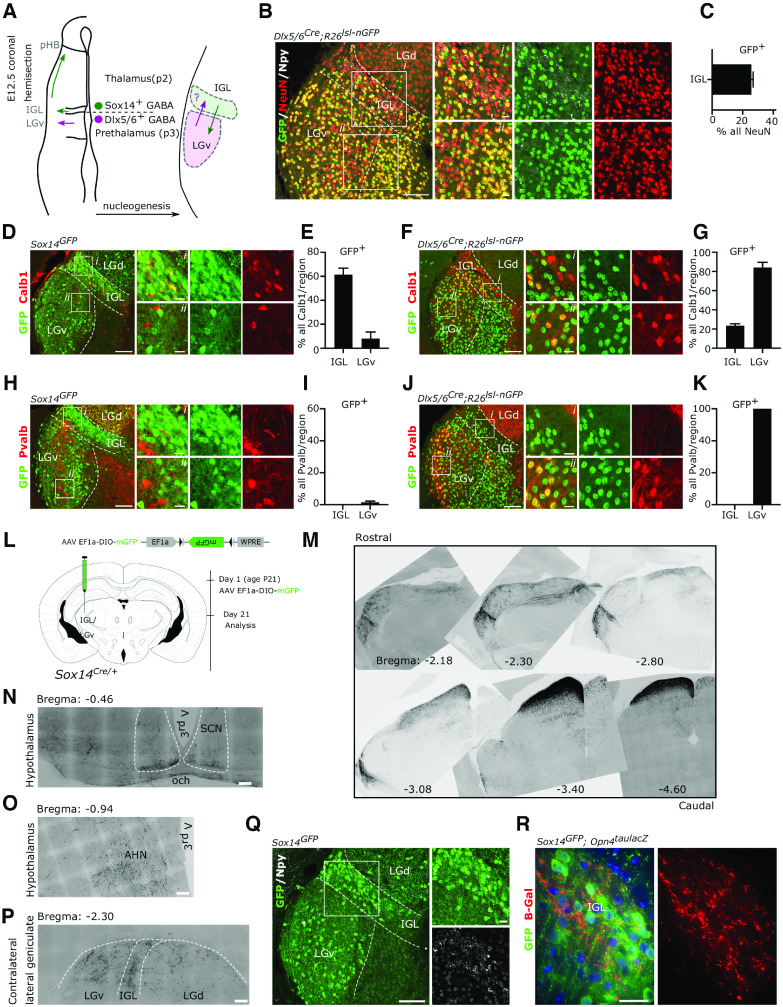
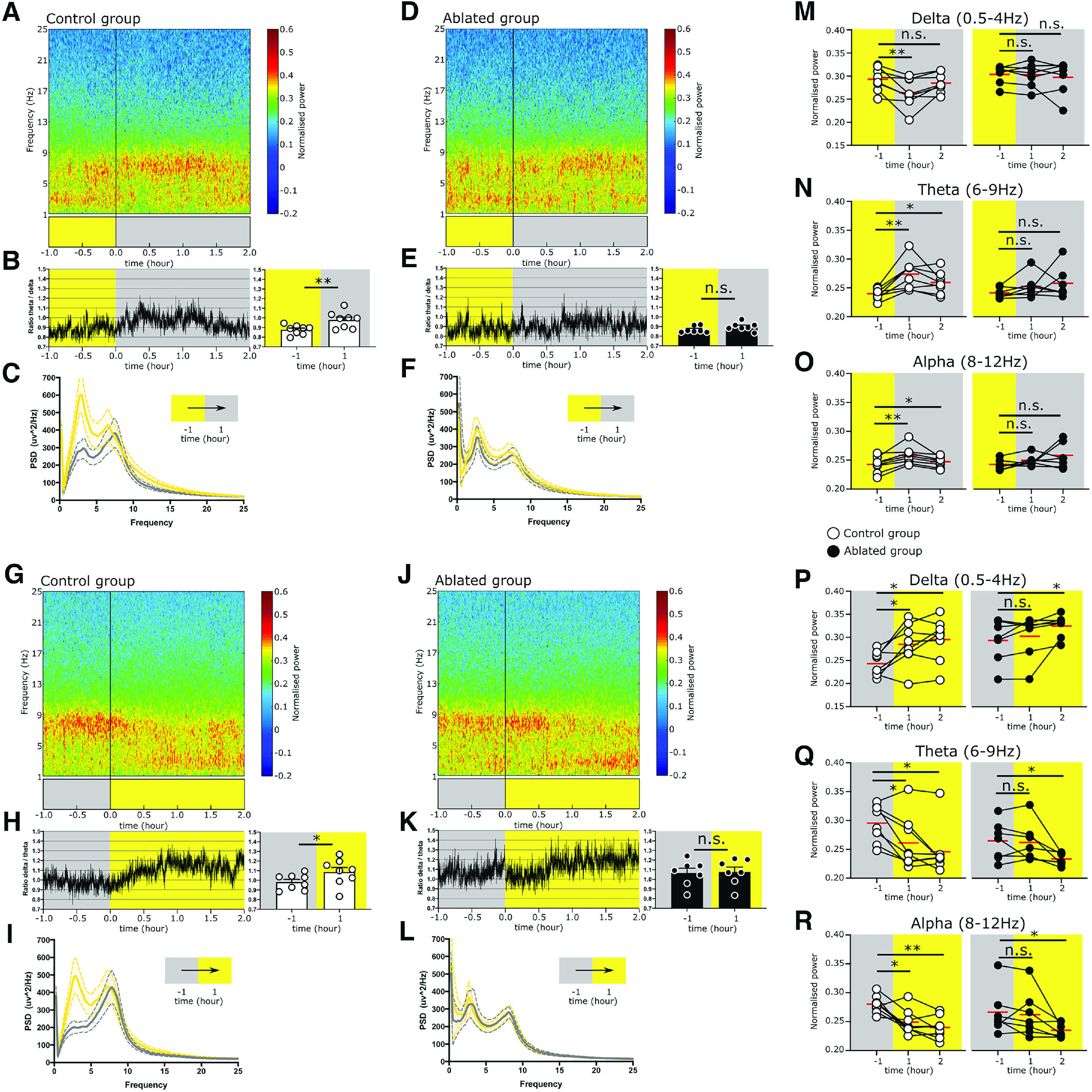
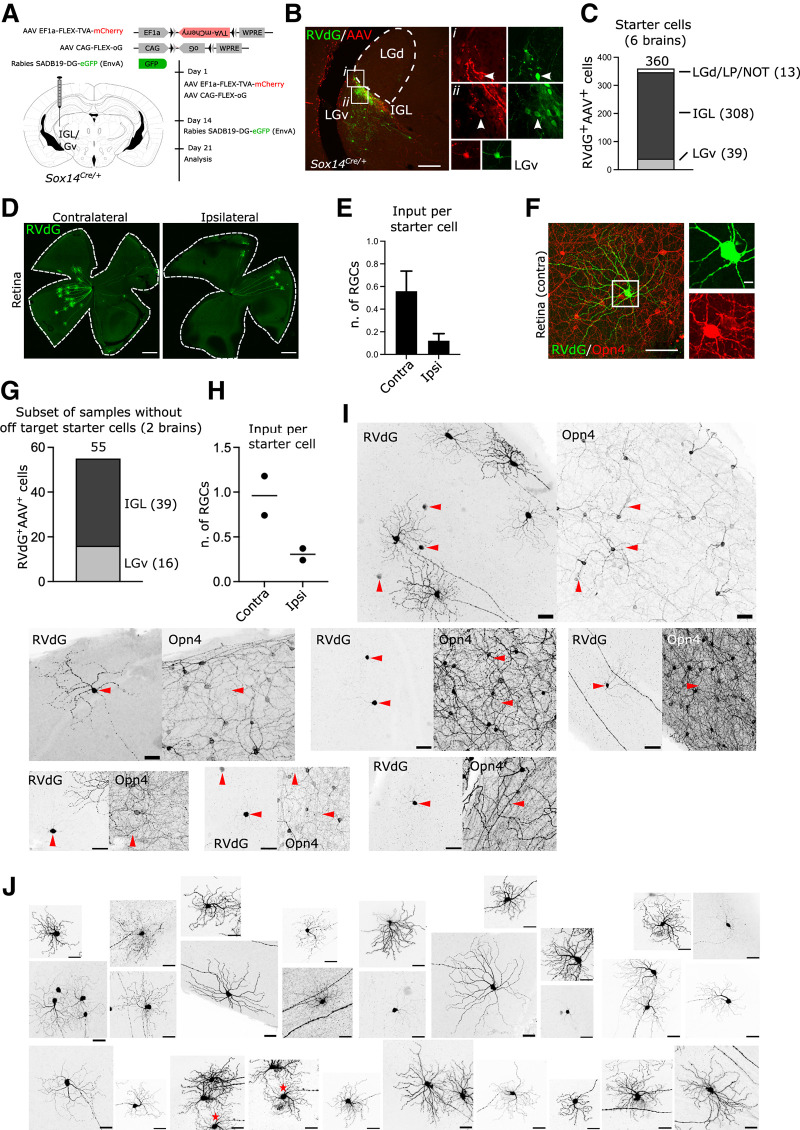
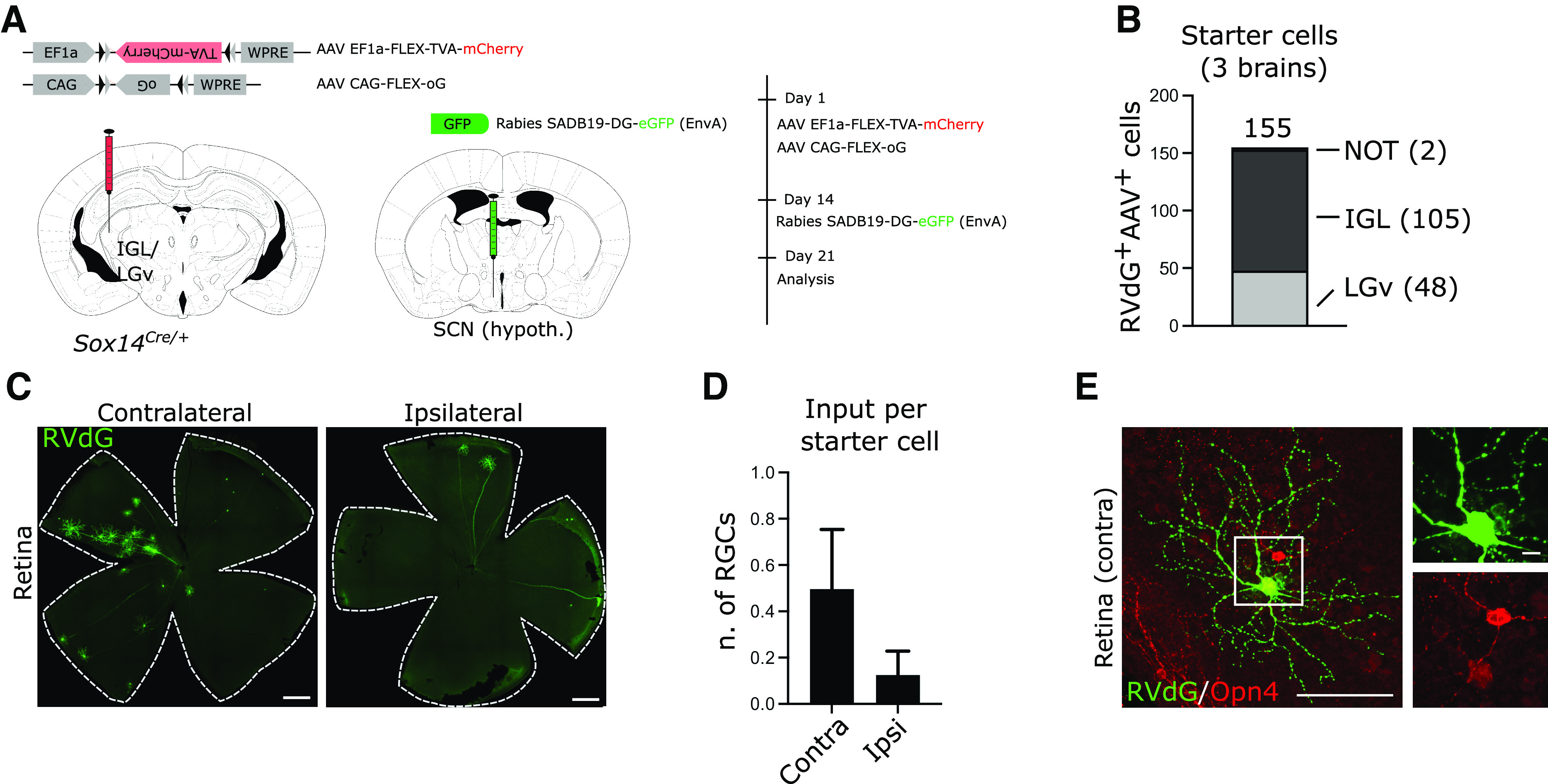
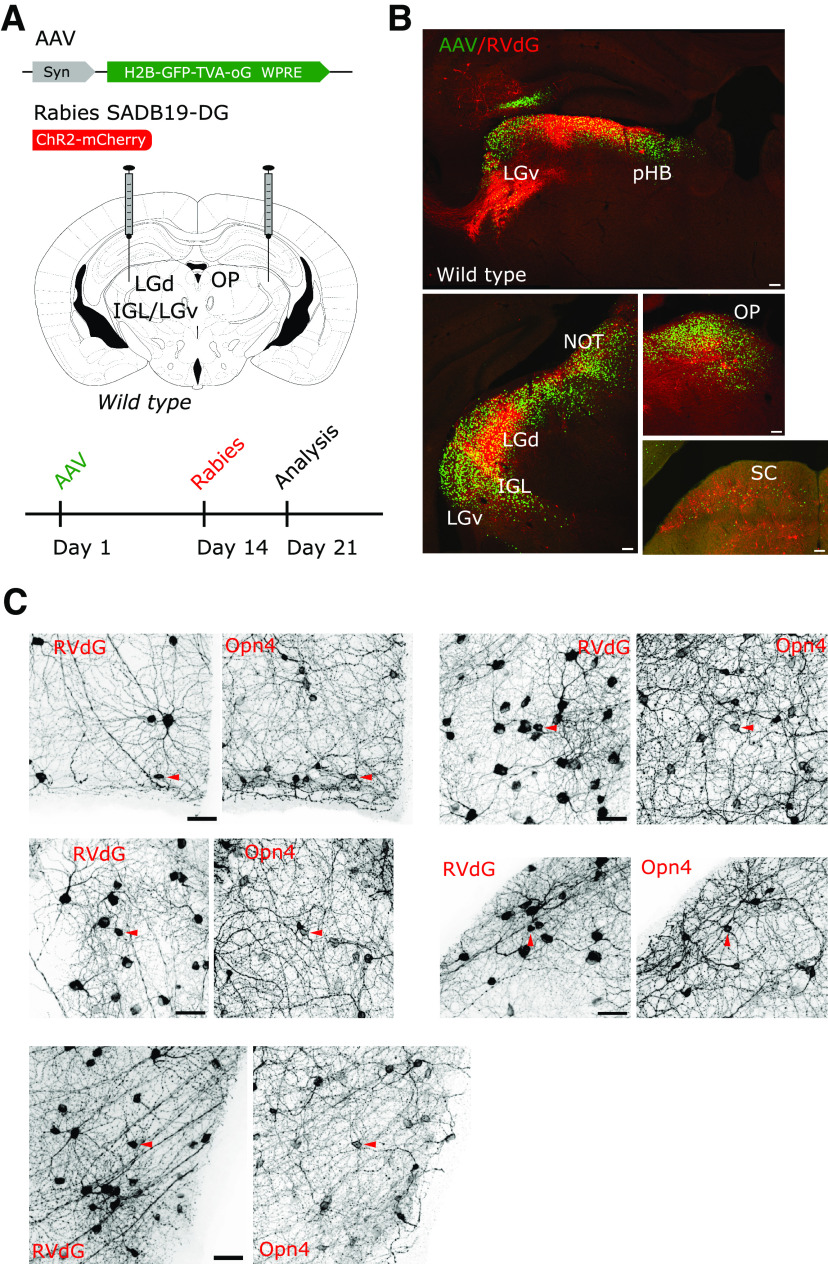
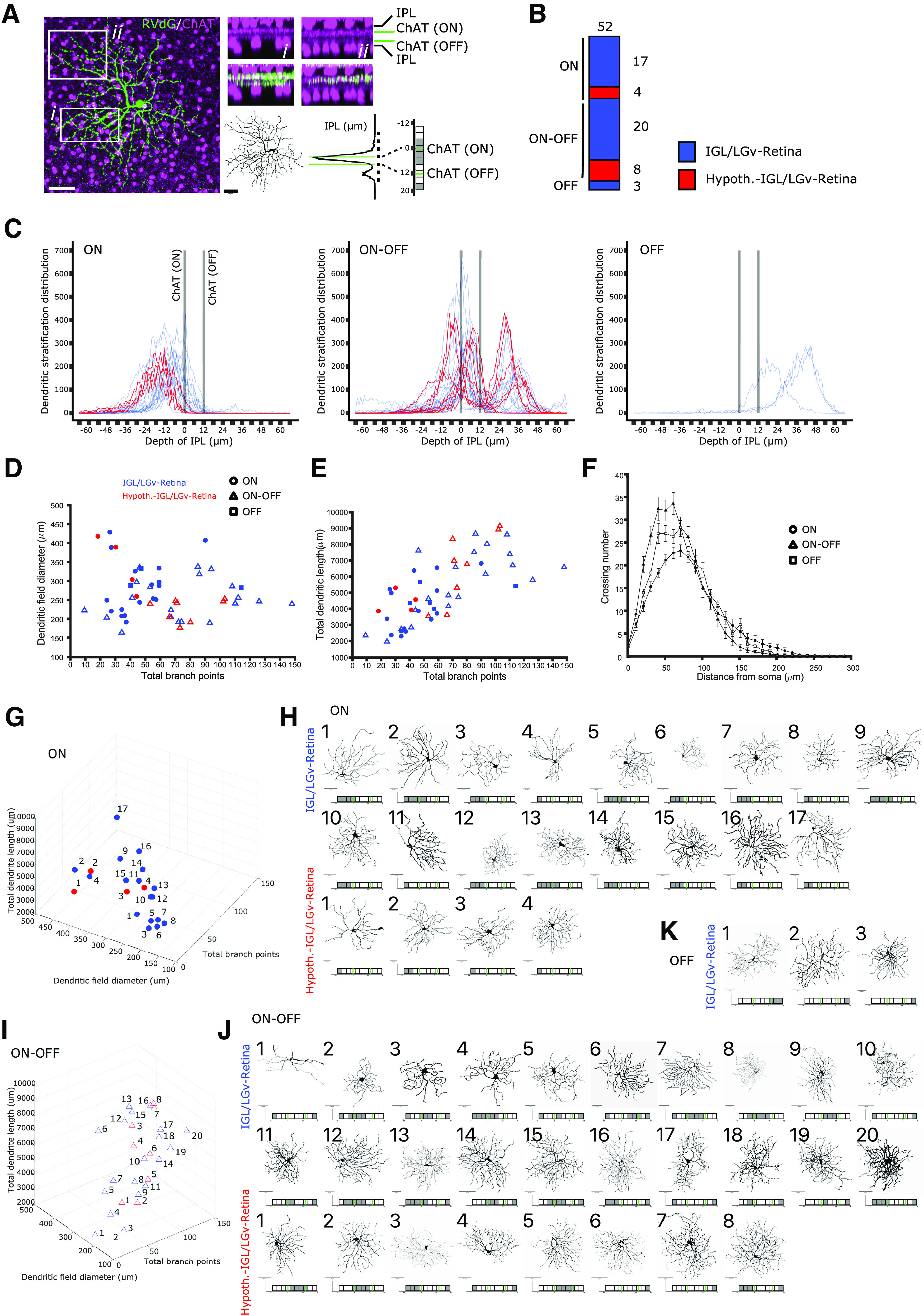
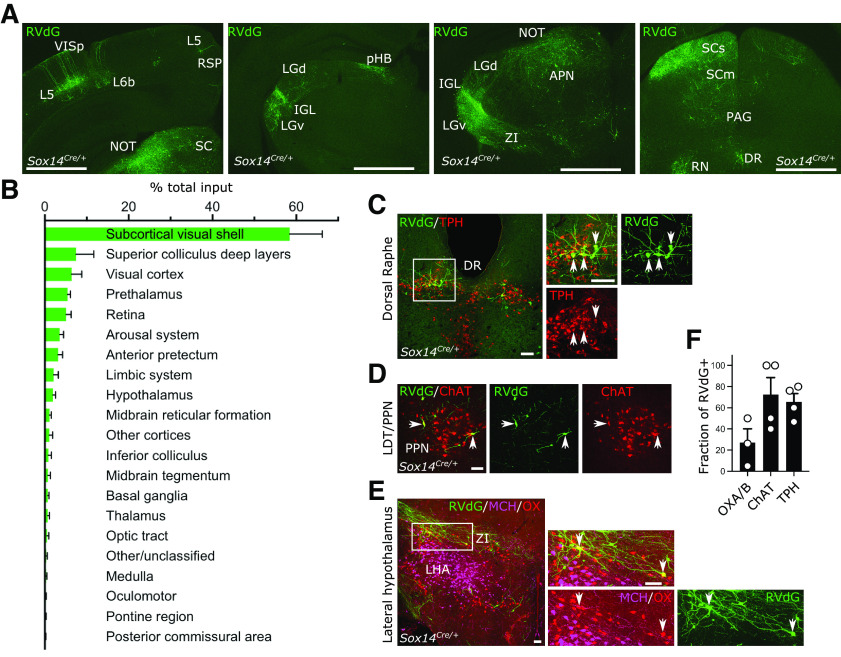
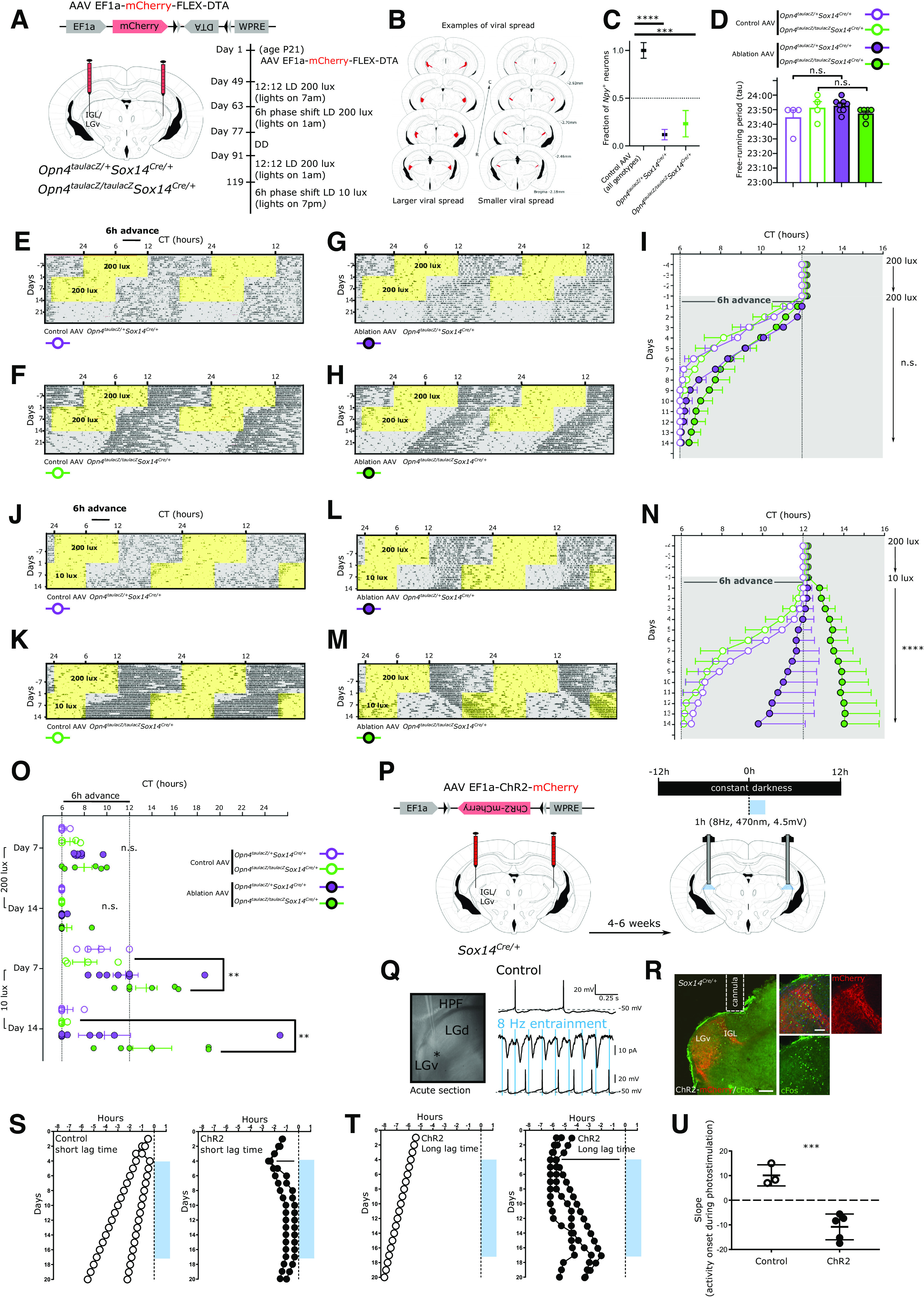
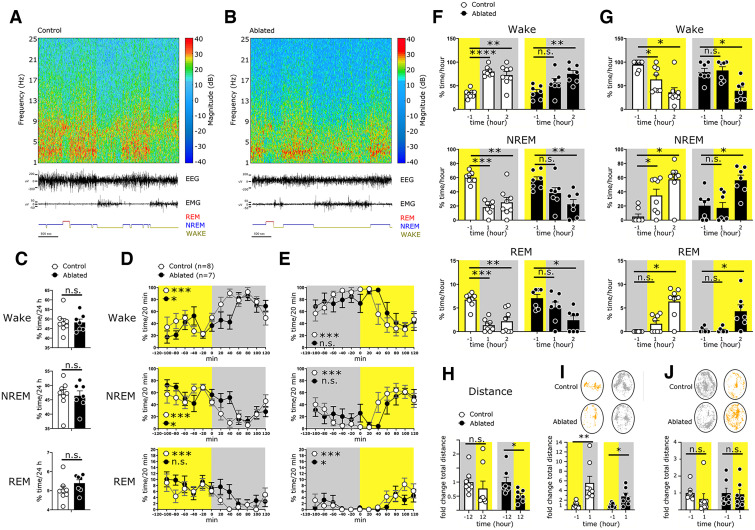
The thalamus is an important hub for sensory information and participates in sensory perception, regulation of attention, arousal and sleep. These functions are executed primarily by glutamatergic thalamocortical neurons that extend axons to the cortex and initiate cortico-thalamocortical connectional loops. However, the thalamus also contains projection GABAergic neurons that do not extend axons toward the cortex. Here, we have harnessed recent insight into the development of the intergeniculate leaflet (IGL) and the ventral lateral geniculate nucleus (LGv) to specifically target and manipulate thalamic projection GABAergic neurons in female and male mice. Our results show that thalamic GABAergic neurons of the IGL and LGv receive retinal input from diverse classes of retinal ganglion cells (RGCs) but not from the M1 intrinsically photosensitive retinal ganglion cell (ipRGC) type. We describe the synergistic role of the photoreceptor melanopsin and the thalamic neurons of the IGL/LGv in circadian entrainment to dim light. We identify a requirement for the thalamic IGL/LGv neurons in the rapid changes in vigilance states associated with circadian light transitions. The intergeniculate leaflet (IGL) and ventral lateral geniculate nucleus (LGv) are part of the extended circadian system and mediate some nonimage-forming visual functions. Here, we show that each of these structures has a thalamic (dorsal) as well as prethalamic (ventral) developmental origin. We map the retinal input to thalamus-derived cells in the IGL/LGv complex and discover that while RGC input is dominant, this is not likely to originate from M1ipRGCs. We implicate thalamic cells in the IGL/LGv in vigilance state transitions at circadian light changes and in overt behavioral entrainment to dim light, the latter exacerbated by concomitant loss of melanopsin expression.
丘脑是感觉信息的重要枢纽,参与感觉感知、注意力调节、觉醒和睡眠。这些功能主要由谷氨酸能丘脑皮质神经元执行,它们的轴突延伸到皮质,并启动皮质-丘脑-皮质连接回路。然而,丘脑还包含不向皮质延伸轴突的投射 GABA 能神经元。在这里,我们利用最近对间脑叶(IGL)和腹外侧膝状体核(LGv)发育的深入了解,专门针对雌性和雄性小鼠的丘脑投射 GABA 能神经元进行靶向和操作。我们的结果表明,IGL 和 LGv 的丘脑 GABA 能神经元接收来自不同类型视网膜神经节细胞(RGC)的视网膜输入,但不接收 M1 内在光敏视网膜神经节细胞(ipRGC)类型的输入。我们描述了光感受器黑视素和 IGL/LGv 中的丘脑神经元在暗光下的昼夜节律同步中的协同作用。我们确定了丘脑 IGL/LGv 神经元在与昼夜光转换相关的警觉状态快速变化中的作用。间脑叶(IGL)和腹外侧膝状体核(LGv)是扩展的昼夜节律系统的一部分,介导一些非成像视觉功能。在这里,我们表明,这些结构中的每一个都有丘脑(背侧)和前丘脑(腹侧)发育起源。我们将视网膜输入映射到 IGL/LGv 复合体中的丘脑衍生细胞,并发现虽然 RGC 输入占主导地位,但这可能不是源自 M1ipRGCs。我们将 IGL/LGv 中的丘脑细胞牵连到昼夜节律光变化时的警觉状态转变以及对暗光的明显行为适应中,后者因同时丧失黑视素表达而加剧。