Department of Molecular Physiology, Leiden Institute of Chemistry, Leiden University & Oncode Institute, Einsteinweg 55, Leiden 2333 CC, The Netherlands.
Acc Chem Res. 2022 Nov 15;55(22):3205-3217. doi: 10.1021/acs.accounts.2c00521. Epub 2022 Oct 25.
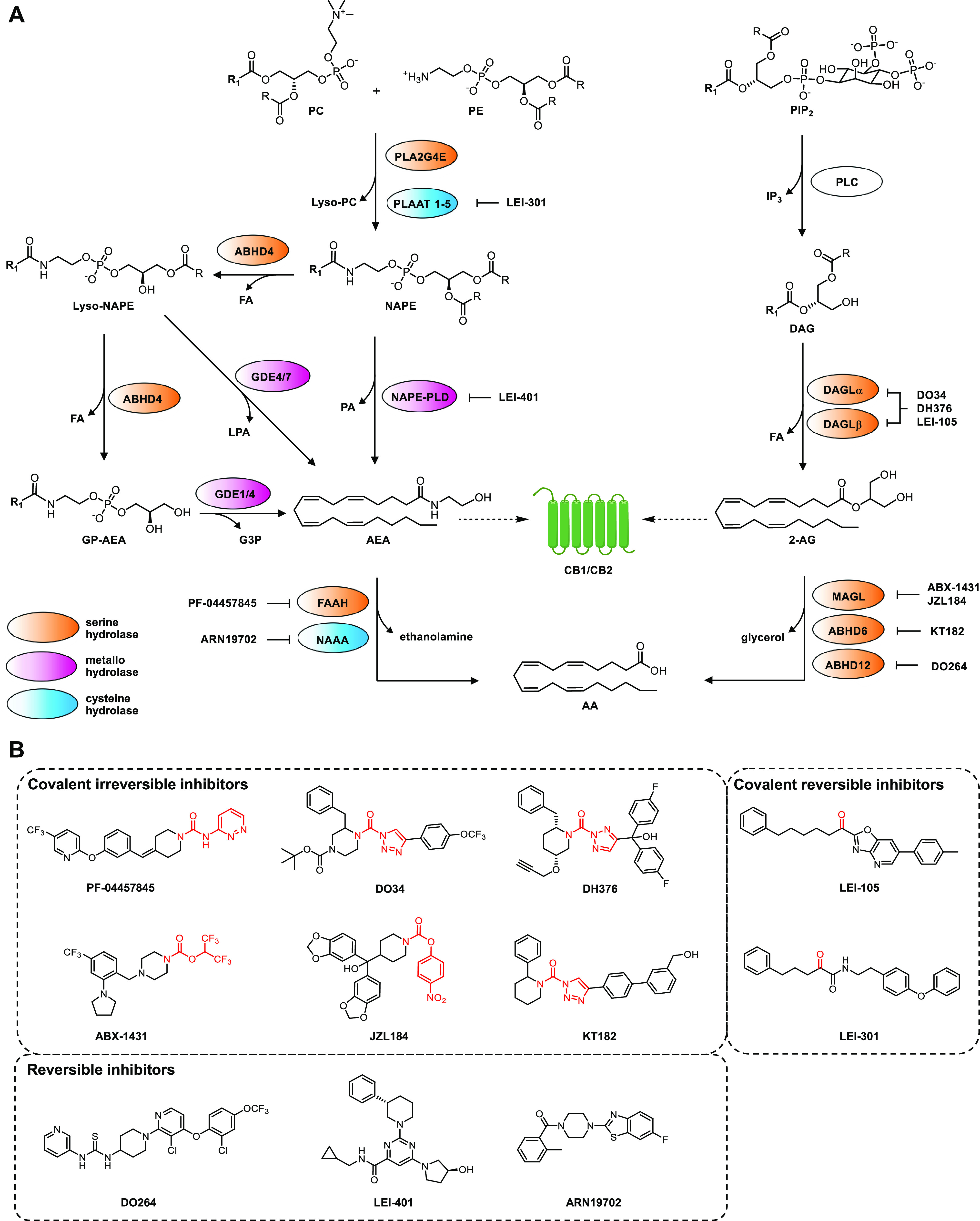
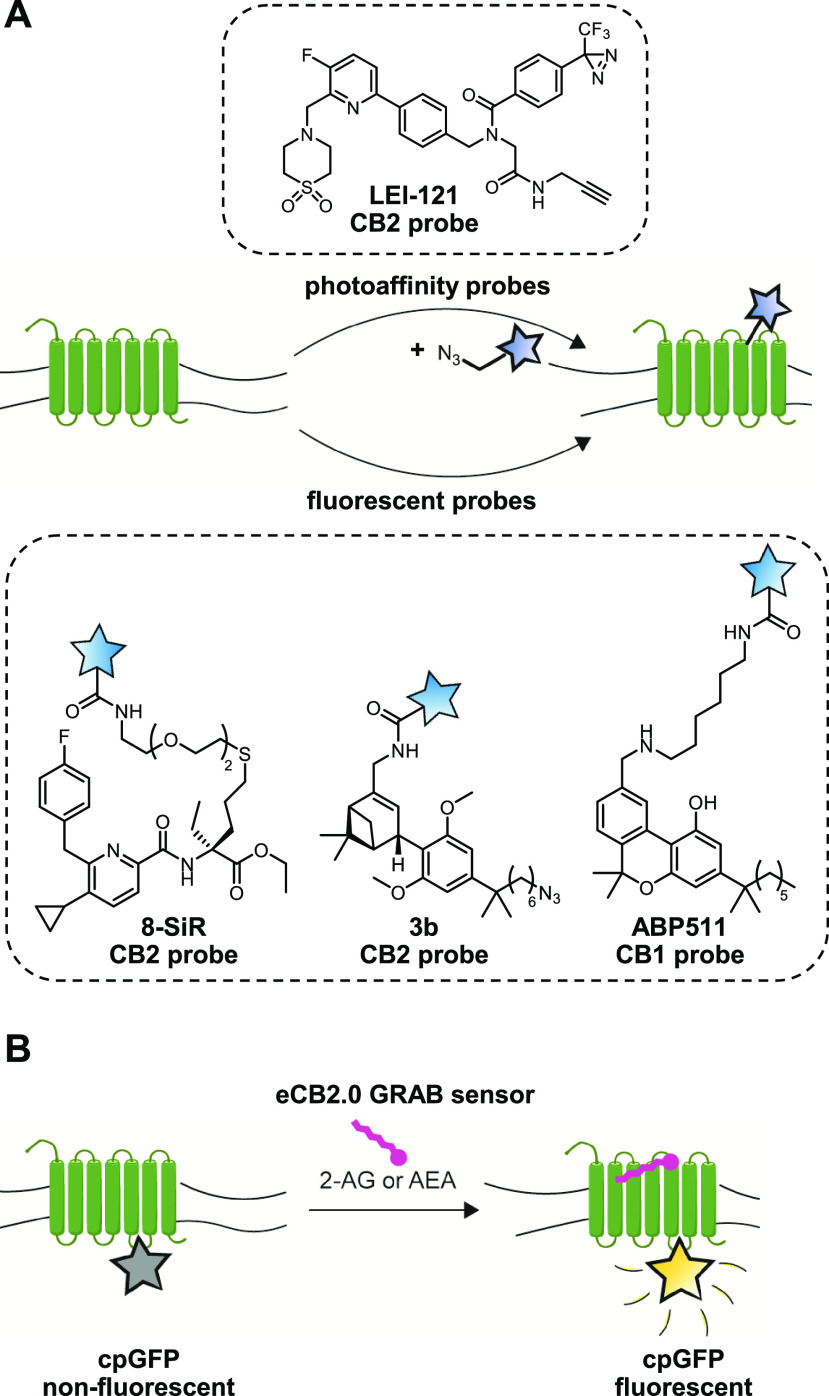
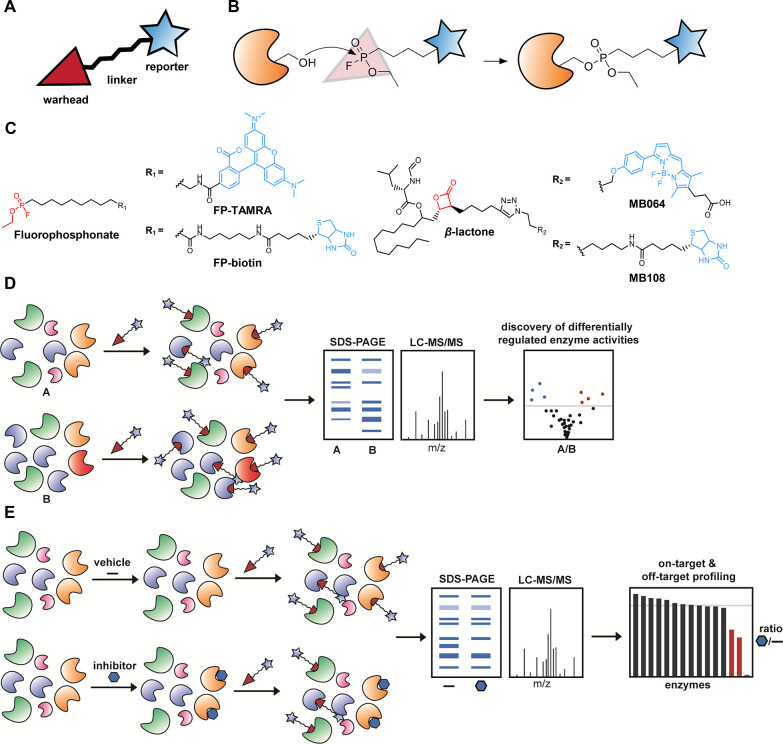
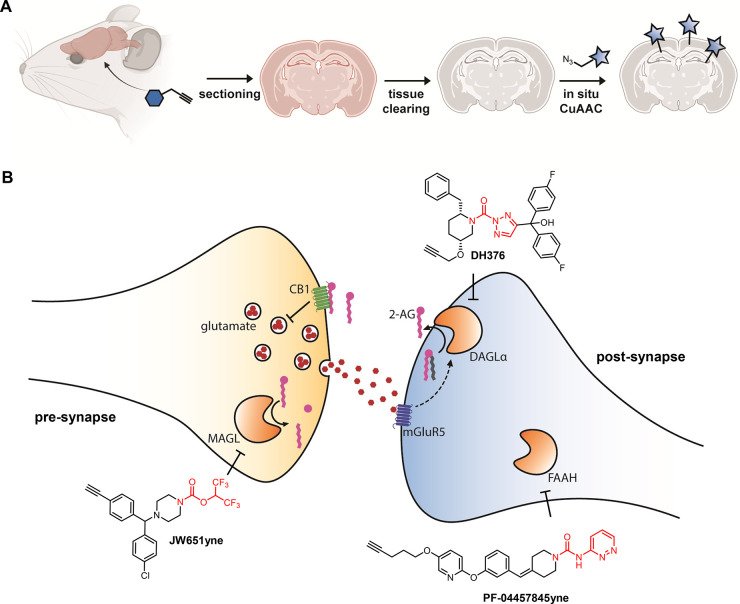
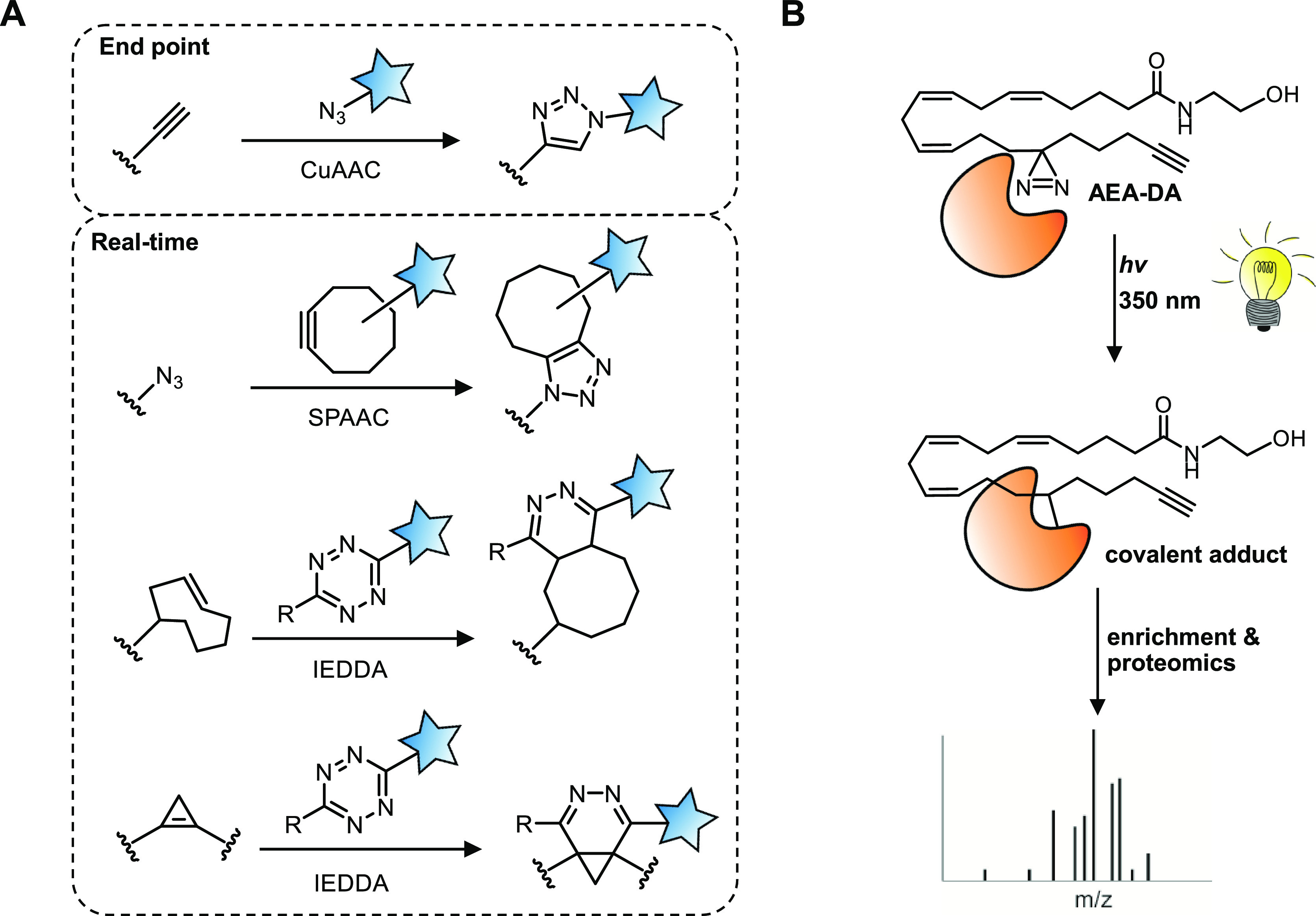
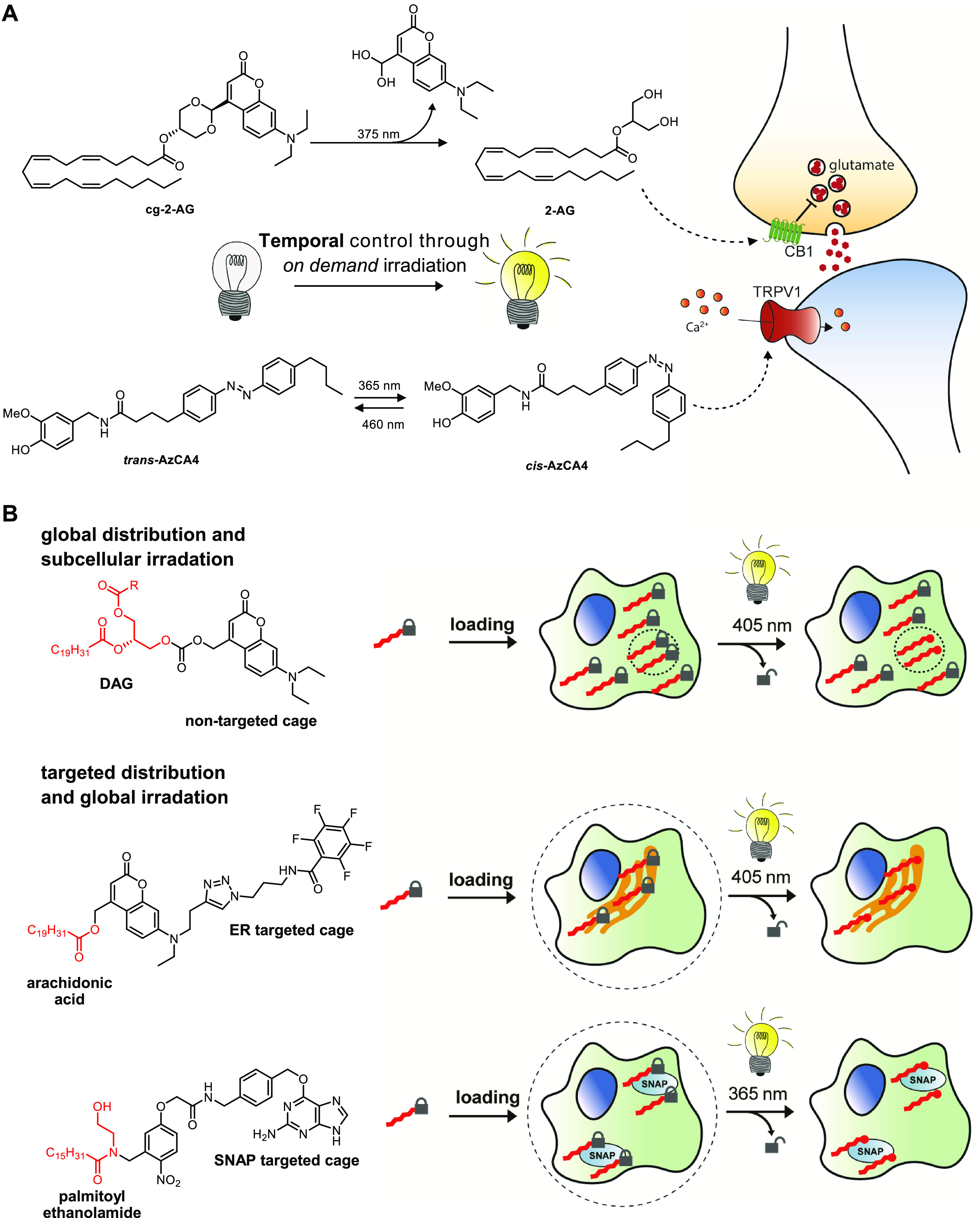
Signaling lipids, such as the endocannabinoids, play an important role in the brain. They regulate synaptic transmission and control various neurophysiological processes, including pain sensation, appetite, memory formation, stress, and anxiety. Unlike classical neurotransmitters, lipid messengers are produced on demand and degraded by metabolic enzymes to control their lifespan and signaling actions. Chemical biology approaches have become one of the main driving forces to study and unravel the physiological role of lipid messengers in the brain. Here, we review how the development and use of chemical probes has allowed one to study endocannabinoid signaling by (i) inhibiting the biosynthetic and metabolic enzymes; (ii) visualizing the activity of these enzymes; and (iii) controlling the release and transport of the endocannabinoids. Activity-based probes were instrumental to guide the discovery of highly selective and in vivo active inhibitors of the biosynthetic (DAGL, NAPE-PLD) and metabolic (MAGL, FAAH) enzymes of endocannabinoids. These inhibitors allowed one to study the role of these enzymes in animal models of disease. For instance, the DAGL-MAGL axis was shown to control neuroinflammation and the NAPE-PLD-FAAH axis to regulate emotional behavior. Activity-based protein profiling and chemical proteomics were essential to guide the drug discovery and development of compounds targeting MAGL and FAAH, such as ABX-1431 (Lu AG06466) and PF-04457845, respectively. These experimental drugs are now in clinical trials for multiple indications, including multiple sclerosis and post-traumatic stress disorders. Activity-based probes have also been used to visualize the activity of these lipid metabolizing enzymes with high spatial resolution in brain slices, thereby showing the cell type-specific activity of these lipid metabolizing enzymes. The transport, release, and uptake of signaling lipids themselves cannot, however, be captured by activity-based probes in a spatiotemporal controlled manner. Therefore, bio-orthogonal lipids equipped with photoreactive, photoswitchable groups or photocages have been developed. These chemical probes were employed to investigate the protein interaction partners of the endocannabinoids, such as putative membrane transporters, as well as to study the functional cellular responses within milliseconds upon irradiation. Finally, genetically encoded sensors have recently been developed to monitor the real-time release of endocannabinoids with high spatiotemporal resolution in cultured neurons, acute brain slices, and in vivo mouse models. It is anticipated that the combination of chemical probes, highly selective inhibitors, and sensors with advanced (super resolution) imaging modalities, such as PharmacoSTORM and correlative light-electron microscopy, will uncover the fundamental basis of lipid signaling at nanoscale resolution in the brain. Furthermore, chemical biology approaches enable the translation of these fundamental discoveries into clinical solutions for brain diseases with aberrant lipid signaling.
信号脂质,如内源性大麻素,在大脑中发挥着重要作用。它们调节突触传递,并控制各种神经生理过程,包括疼痛感知、食欲、记忆形成、应激和焦虑。与经典神经递质不同,脂质信使是按需产生的,并被代谢酶降解,以控制它们的寿命和信号作用。化学生物学方法已成为研究和揭示脂质信使在大脑中生理作用的主要驱动力之一。在这里,我们回顾了化学探针的开发和应用如何通过(i)抑制生物合成和代谢酶;(ii)可视化这些酶的活性;和(iii)控制内源性大麻素的释放和转运,来研究内源性大麻素信号。基于活性的探针对于指导生物合成(DAGL、NAPE-PLD)和代谢(MAGL、FAAH)酶的高选择性和体内活性抑制剂的发现至关重要。这些抑制剂使人们能够在疾病动物模型中研究这些酶的作用。例如,DAGL-MAGL 轴被证明控制神经炎症,而 NAPE-PLD-FAAH 轴则调节情绪行为。基于活性的蛋白质谱和化学蛋白质组学对于指导针对 MAGL 和 FAAH 的化合物的药物发现和开发至关重要,例如 ABX-1431(Lu AG06466)和 PF-04457845。这些实验药物目前正在进行多发性硬化症和创伤后应激障碍等多种适应症的临床试验。基于活性的探针还被用于在脑切片中以高空间分辨率可视化这些脂质代谢酶的活性,从而显示这些脂质代谢酶的细胞类型特异性活性。然而,信号脂质本身的转运、释放和摄取不能通过基于活性的探针以时空控制的方式捕捉。因此,已经开发了带有光反应性、光可切换基团或光笼的生物正交脂质。这些化学探针被用于研究内源性大麻素的蛋白相互作用伙伴,例如假定的膜转运体,以及研究在照射后毫秒内的功能性细胞反应。最后,最近开发了遗传编码传感器,以在培养神经元、急性脑切片和体内小鼠模型中以高时空分辨率实时监测内源性大麻素的释放。预计化学探针、高选择性抑制剂和带有先进(超分辨率)成像模式的传感器(如 PharmacoSTORM 和相关的光电子显微镜)的组合将揭示脂质信号在纳米尺度分辨率下在大脑中的基本基础。此外,化学生物学方法使将这些基础发现转化为具有异常脂质信号的脑部疾病的临床解决方案成为可能。