Scheller Anne Sophie, Philipp Thilo Magnus, Klotz Lars-Oliver, Steinbrenner Holger
Institute of Nutritional Sciences, Nutrigenomics Section, Friedrich Schiller University Jena, D-07743 Jena, Germany.
Antioxidants (Basel). 2022 Sep 30;11(10):1957. doi: 10.3390/antiox11101957.
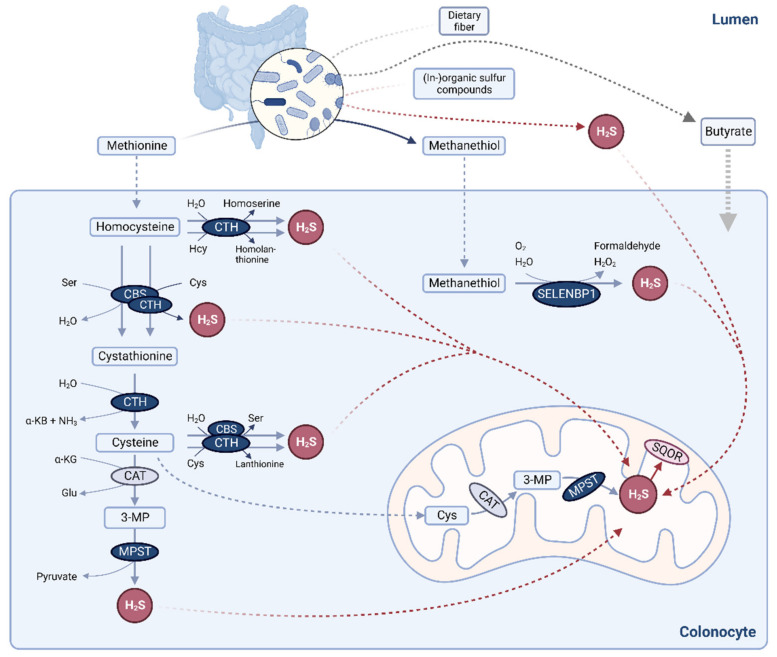
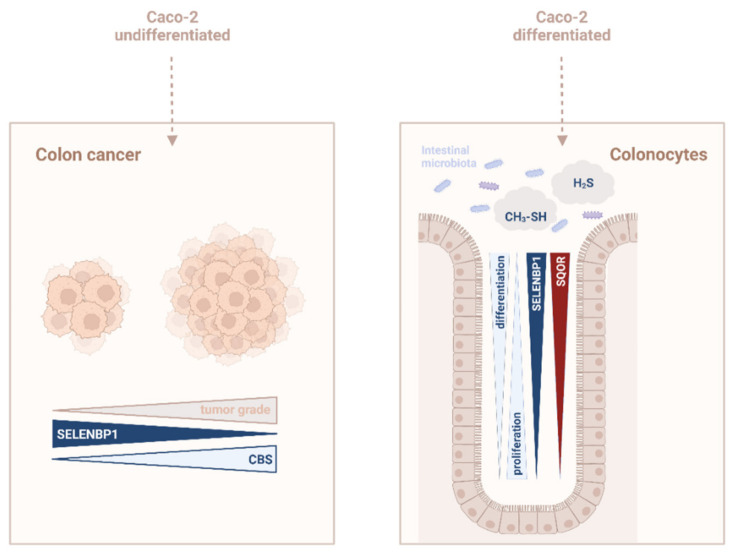
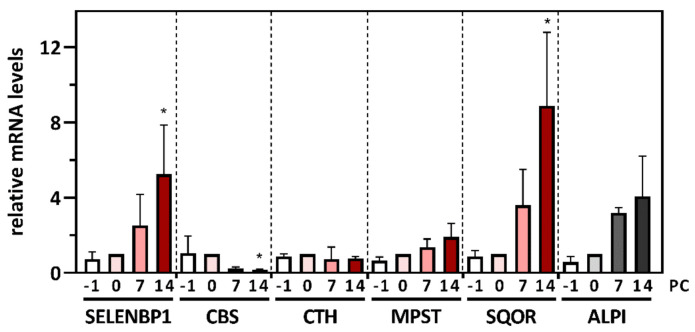
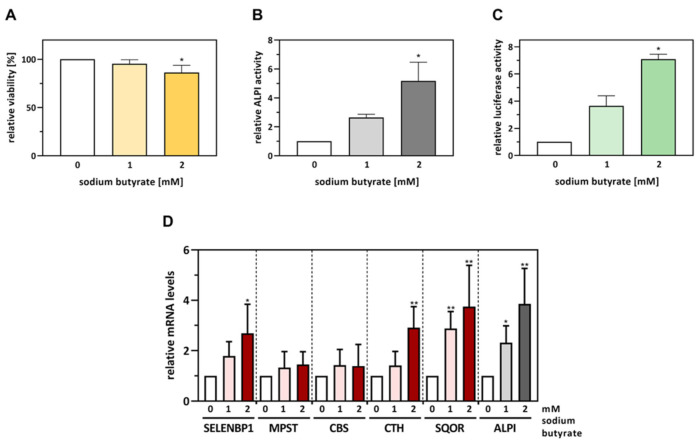
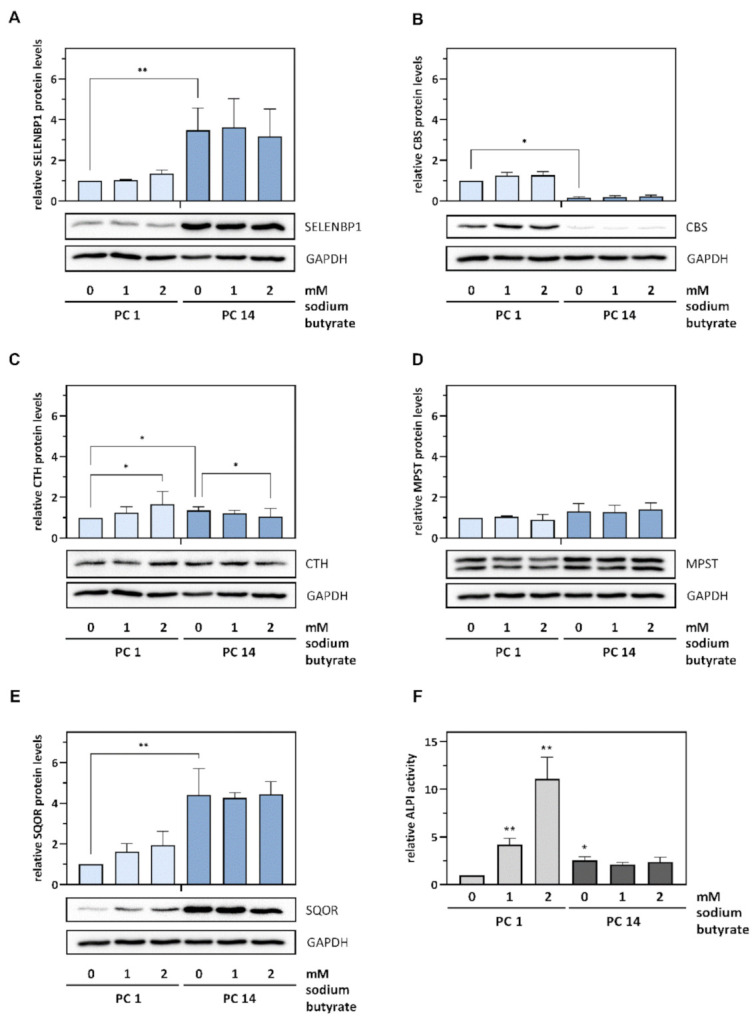
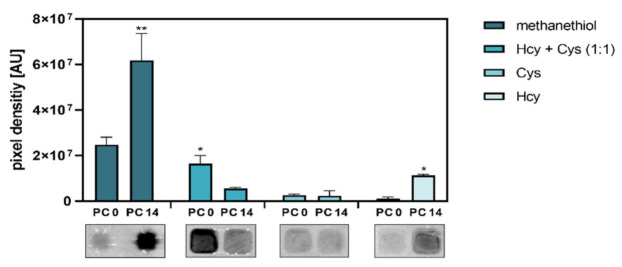
Hydrogen sulfide (HS) has been proposed to promote tumor growth. Elevated HS levels have been detected in human colorectal cancer (CRC) biopsies, resulting from the selective upregulation of cystathionine β-synthase (CBS). In contrast, the recently identified novel HS-generating enzyme, selenium-binding protein 1 (SELENBP1), is largely suppressed in tumors. Here, we provide the first comparative analysis of the four human HS-producing enzymes and the key HS-catabolizing enzyme, sulfide:quinone oxidoreductase (SQOR), in Caco-2 human colorectal adenocarcinoma cells. The gene expression pattern of proliferating Caco-2 cells parallels that of CRC, while confluent cells undergo spontaneous differentiation to a colonocyte-like phenotype. SELENBP1 and SQOR were strongly upregulated during spontaneous differentiation, whereas CBS was downregulated. Cystathionine γ-lyase and 3-mercaptopyruvate sulfurtransferase remained unaffected. Terminally differentiated cells showed an enhanced capacity to produce HS from methanethiol and homocysteine. Differentiation induced by exposure to butyrate also resulted in the upregulation of SELENBP1, accompanied by increased SELENBP1 promoter activity. In contrast to spontaneous differentiation, however, butyrate did not cause downregulation of CBS. In summary, SELENBP1 and CBS are reciprocally regulated during the spontaneous differentiation of Caco-2 cells, thus paralleling their opposing regulation in CRC. Butyrate exposure, while imitating some aspects of spontaneous differentiation, does not elicit the same expression patterns of genes encoding HS-modulating enzymes.
硫化氢(HS)被认为可促进肿瘤生长。在人类结直肠癌(CRC)活检样本中检测到HS水平升高,这是由胱硫醚β-合酶(CBS)的选择性上调所致。相比之下,最近发现的新型HS生成酶——硒结合蛋白1(SELENBP1)在肿瘤中大多受到抑制。在此,我们首次对Caco-2人结肠腺癌细胞中四种人类HS生成酶和关键的HS分解代谢酶——硫化物:醌氧化还原酶(SQOR)进行了比较分析。增殖的Caco-2细胞的基因表达模式与CRC相似,而汇合的细胞会自发分化为结肠样细胞表型。在自发分化过程中,SELENBP1和SQOR强烈上调,而CBS下调。胱硫醚γ-裂解酶和3-巯基丙酮酸硫转移酶不受影响。终末分化细胞从甲硫醇和同型半胱氨酸产生HS的能力增强。丁酸诱导的分化也导致SELENBP1上调,同时SELENBP1启动子活性增加。然而,与自发分化不同,丁酸不会导致CBS下调。总之,在Caco-2细胞的自发分化过程中,SELENBP1和CBS相互调节,这与它们在CRC中的相反调节情况相似。丁酸处理虽然模仿了自发分化的某些方面,但不会引发编码HS调节酶的基因出现相同的表达模式。