Department of Human Molecular Genetics and Biochemistry, Sackler School of Medicine, Tel Aviv University, Tel Aviv 69978, Israel.
Endocrinology and Diabetes Research Unit, Schneider Children's Medical Center, Petah Tikva 49292, Israel.
Cells. 2022 Oct 17;11(20):3260. doi: 10.3390/cells11203260.
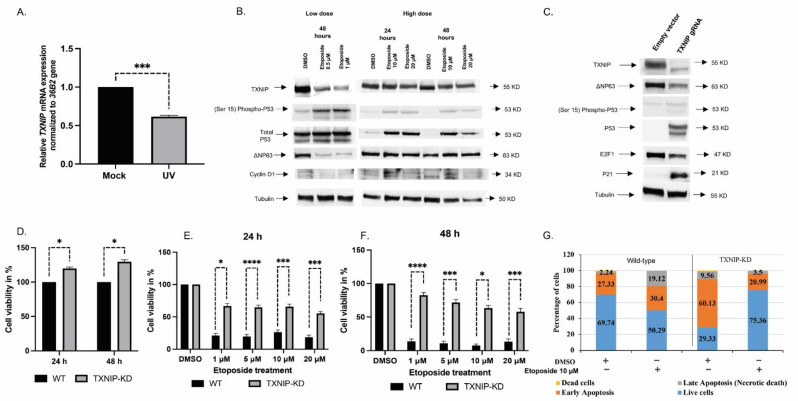
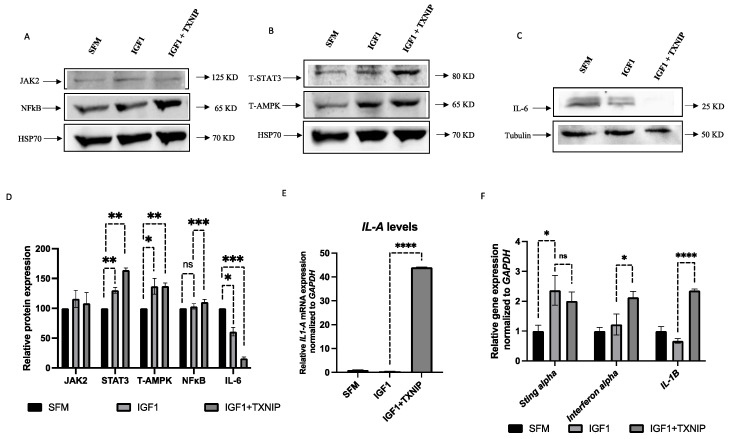
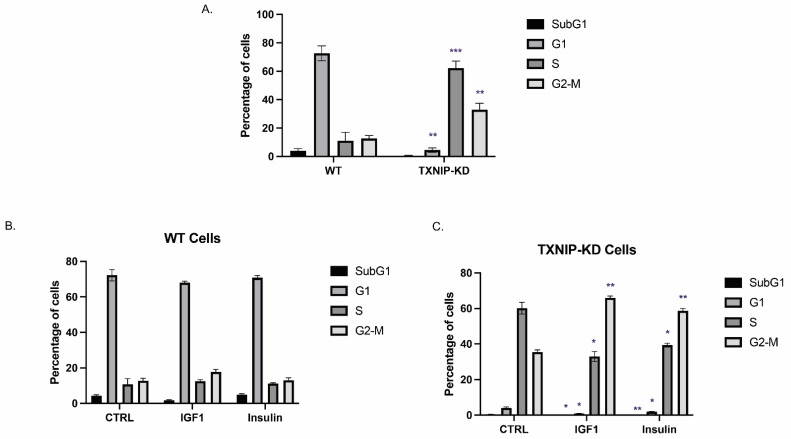
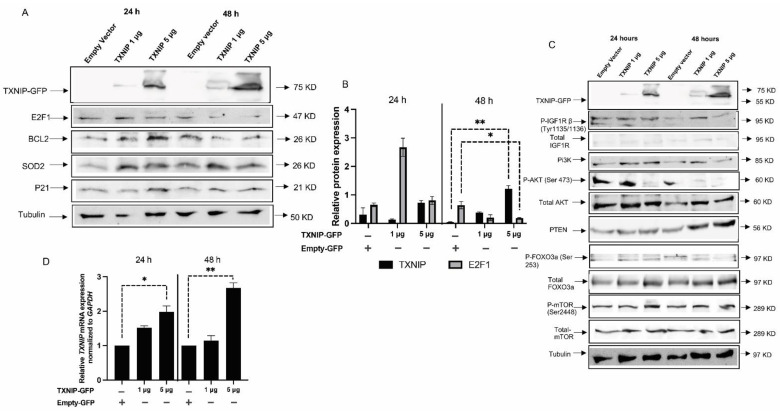
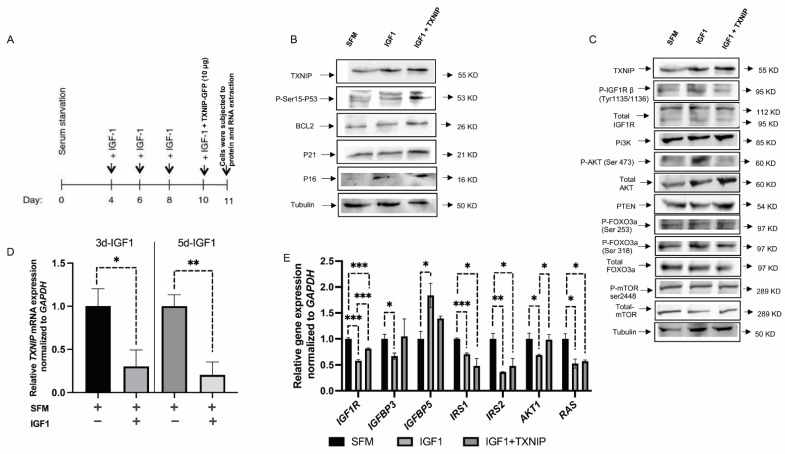
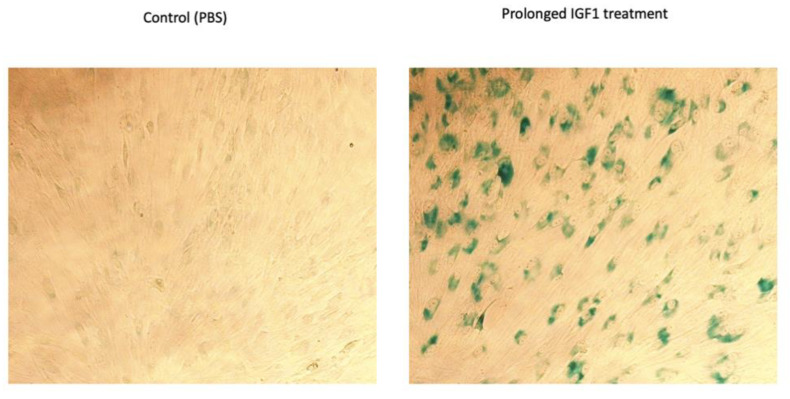
The growth hormone (GH)-insulin-like growth factor-1 (IGF1) signaling pathway plays a major role in orchestrating cellular interactions, metabolism, growth and aging. Studies from worms to mice showed that downregulated activity of the GH/IGF1 pathway could be beneficial for the extension of lifespan. Laron syndrome (LS) is an inherited autosomal recessive disorder caused by molecular defects of the GH receptor (GHR) gene, leading to congenital IGF1 deficiency. Life-long exposure to minute endogenous IGF1 levels in LS is associated with low stature as well as other endocrine and metabolic deficits. Epidemiological surveys reported that patients with LS have a reduced risk of developing cancer. Studies conducted on LS-derived lymphoblastoid cells led to the identification of a novel link between IGF1 and thioredoxin-interacting protein (TXNIP), a multifunctional mitochondrial protein. TXNIP is highly expressed in LS patients and plays a critical role in cellular redox regulation by thioredoxin. Given that IGF1 affects the levels of TXNIP under various stress conditions, including high glucose and oxidative stress, we hypothesized that the IGF1-TXNIP axis plays an essential role in helping maintain a physiological balance in cellular homeostasis. In this study, we show that TXNIP is vital for the cell fate choice when cells are challenged by various stress signals. Furthermore, prolonged IGF1 treatment leads to the establishment of a premature senescence phenotype characterized by a unique senescence network signature. Combined IGF1/TXNIP-induced premature senescence can be associated with a typical secretory inflammatory phenotype that is mediated by STAT3/IL-1A signaling. Finally, these mechanistic insights might help with the understanding of basic aspects of IGF1-related pathologies in the clinical setting.
生长激素(GH)-胰岛素样生长因子 1(IGF1)信号通路在协调细胞相互作用、代谢、生长和衰老方面发挥着重要作用。从蠕虫到老鼠的研究表明,GH/IGF1 通路活性下调可能有益于延长寿命。拉隆综合征(LS)是一种遗传性常染色体隐性疾病,由 GH 受体(GHR)基因的分子缺陷引起,导致先天性 IGF1 缺乏。LS 患者终生暴露于微量内源性 IGF1 水平与身材矮小以及其他内分泌和代谢缺陷有关。流行病学调查报道,LS 患者患癌症的风险降低。对 LS 衍生的淋巴母细胞系进行的研究导致 IGF1 与硫氧还蛋白相互作用蛋白(TXNIP)之间建立了一种新的联系,TXNIP 是一种多功能线粒体蛋白。LS 患者中 TXNIP 表达水平高,在硫氧还蛋白的细胞氧化还原调节中发挥关键作用。鉴于 IGF1 在包括高葡萄糖和氧化应激在内的各种应激条件下影响 TXNIP 的水平,我们假设 IGF1-TXNIP 轴在帮助维持细胞内稳态的生理平衡中起着至关重要的作用。在这项研究中,我们表明,当细胞受到各种应激信号的挑战时,TXNIP 对于细胞命运选择至关重要。此外,延长 IGF1 治疗会导致以独特的衰老网络特征为特征的过早衰老表型的建立。延长 IGF1/TXNIP 诱导的过早衰老可与由 STAT3/IL-1A 信号介导的典型分泌性炎症表型相关联。最后,这些机制上的见解可能有助于理解临床环境中与 IGF1 相关的病理学的基本方面。