Scientific & Research Department, Velleja Research, 20125 Milano, Italy.
Department of Biomolecular Sciences, University of Urbino Carlo Bo, 61029 Urbino, Italy.
Int J Mol Sci. 2022 Oct 19;23(20):12538. doi: 10.3390/ijms232012538.
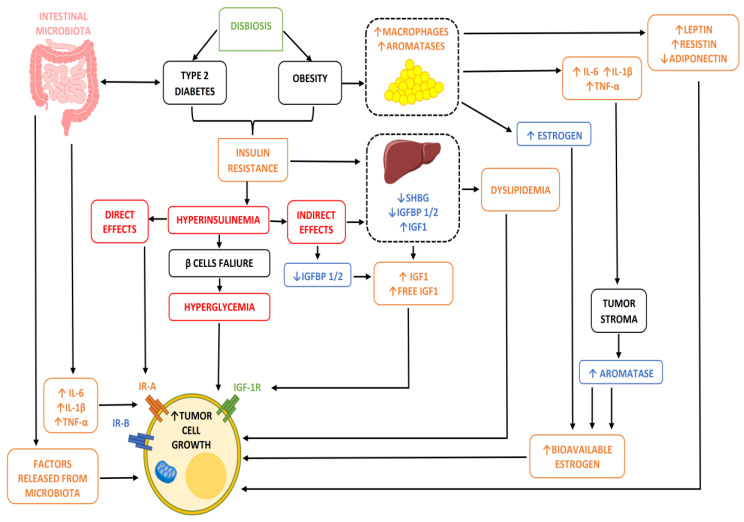
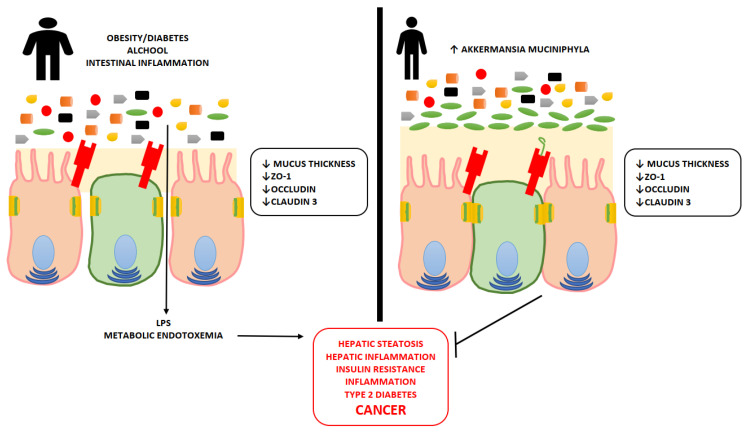
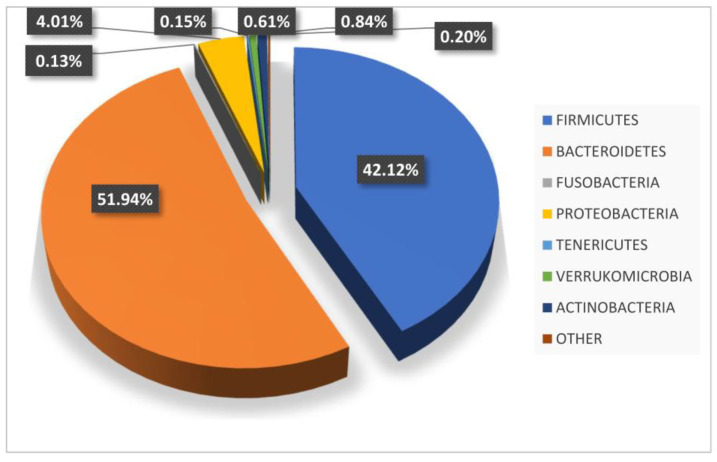
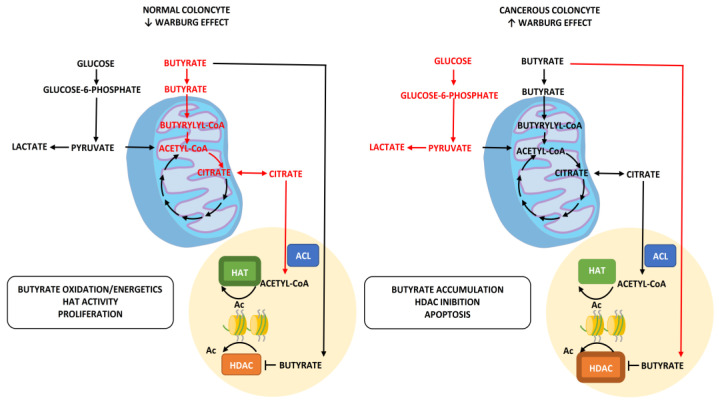
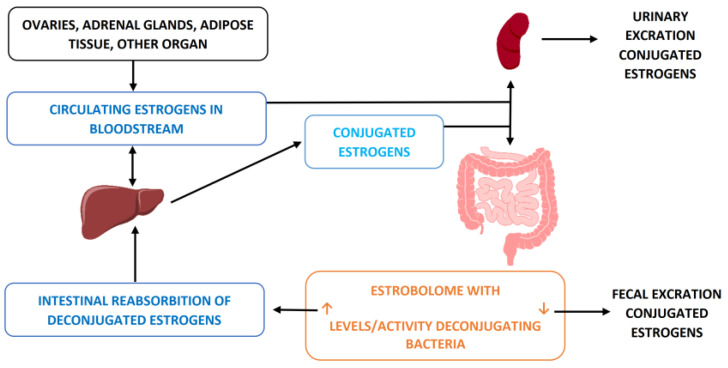
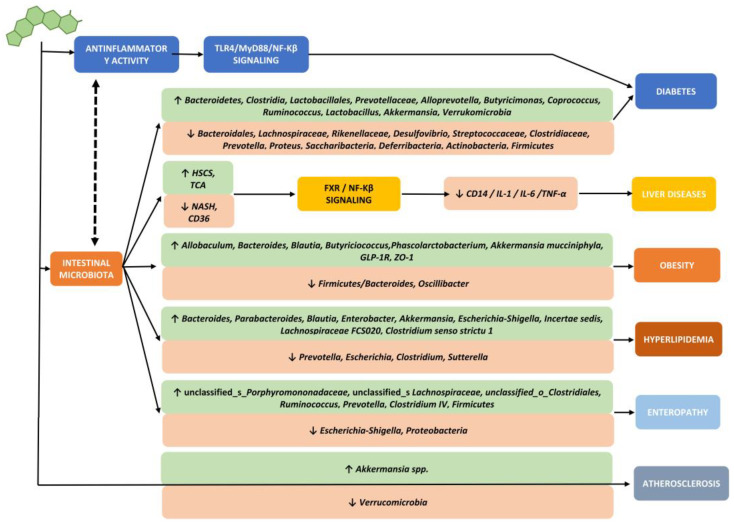
Metabolic disorders, mainly characterized as the marked alteration of the lipid and carbohydrate profile, in addition to the clinical presence of the direct consequences of these alterations, are pathological conditions that have considerably increased in prevalence in recent years. They are directly linked to the onset of various pathologies, including cancer, particularly breast cancer, and are hormone-responsive. Alongside the known conditions responsible for this scenario, such as nutrition and lifestyle in general, the importance of both the colonic microbiota and the various organs and systems is becoming increasingly evident. In fact, it is now evident that microbial dysbiosis plays a fundamental role in the onset of these metabolic disorders, and therefore how these conditions are indirectly responsible for the onset and progression of neoplasms. Indirect mechanisms such as an altered Firmicutes/Bacteroidetes ratio; the formation of metabolites such as short-chain fatty acids (SCFAs), in particular, butyrate, which is capable of acting as a tumor suppressor; and the glucuronidase activity of estroboloma (bacteria responsible for estrogen metabolism) are just some of the most important mechanisms that contribute to the history of breast cancer. It is therefore understandable that in clinical terms, it is essential to associate the modulation of metabolic disorders and the microbial conditions that contribute to generating them with common therapies, preferably using compounds and solutions that are effective and acceptable for the patient without side effects. Nutraceuticals such as berberine (active both in metabolic scenarios and in the microbiota) and interventions modulating the microbial structure such as the use of probiotics and prebiotics seem to be ideal solutions for these preventive and no-longer-ignorable strategies in the light of numerous data now present in the literature.
代谢紊乱主要表现为脂质和碳水化合物谱的显著改变,此外还存在这些改变的直接后果的临床表现,是近年来患病率显著增加的病理状况。它们与各种疾病的发生直接相关,包括癌症,特别是乳腺癌,而且是激素反应性的。除了一般的营养和生活方式等已知导致这种情况的因素外,结肠微生物群以及各种器官和系统的重要性也越来越明显。事实上,现在很明显,微生物失调在这些代谢紊乱的发生中起着至关重要的作用,因此这些情况间接导致了肿瘤的发生和发展。间接机制如厚壁菌门/拟杆菌门比例的改变;短链脂肪酸(SCFAs)等代谢产物的形成,特别是丁酸,丁酸能够作为肿瘤抑制物;以及雌激素代谢细菌 estroboloma 的葡糖醛酸酶活性,只是促成乳腺癌病史的一些最重要的机制。因此,可以理解的是,在临床方面,将代谢紊乱的调节与导致这些紊乱的微生物条件与常见疗法相结合至关重要,最好使用对患者有效且可接受且无副作用的化合物和解决方案。黄连素(在代谢和微生物群中都有活性)等营养保健品以及调节微生物结构的干预措施,如使用益生菌和益生元,似乎是这些预防策略的理想解决方案,这些策略在当前文献中已经存在大量数据,不容忽视。