Rudlof Maximilian E, Šimunić Boštjan, Steuber Bianca, Bartel Till O, Neshev Ruslan, Mächler Petra, Dorr Andreas, Picha Rainer, Schmid-Zalaudek Karin, Goswami Nandu
Department of Physiology, Otto Loewi Research Center for Vascular Biology, Immunology and Inflammation, 8010 Graz, Austria.
Institute for Kinesiology Research, Science and Research Centre Koper, 6000 Koper, Slovenia.
J Clin Med. 2022 Oct 18;11(20):6143. doi: 10.3390/jcm11206143.
Cardiovascular diseases are the world's number one cause of death, with exceeding psychosocial stress load being considered a major risk factor. A stress management technique that has repeatedly shown positive effects on the cardiovascular system is the Transcendental Meditation (TM) technique. The present pilot study aimed to investigate the potential effect of TM on the recovery of cardiac patients.
We hypothesized that practicing TM in patients undergoing a 4-week cardiac rehabilitation program augments the recovery of cardiovascular parameters and reduces skeletal muscle tone after rehabilitation.
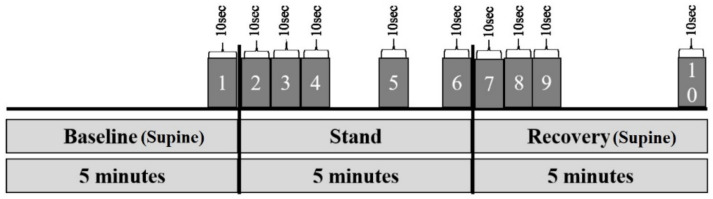
Twenty cardiac patients were recruited and randomly assigned to either the control or the TM group. Cardiovascular parameters were assessed with the Task Force Monitor (TFM) and skeletal muscle contractile properties by Tensiomyography during a sit-stand test, performed at the beginning and end of a 4-week in-patient rehabilitation program.
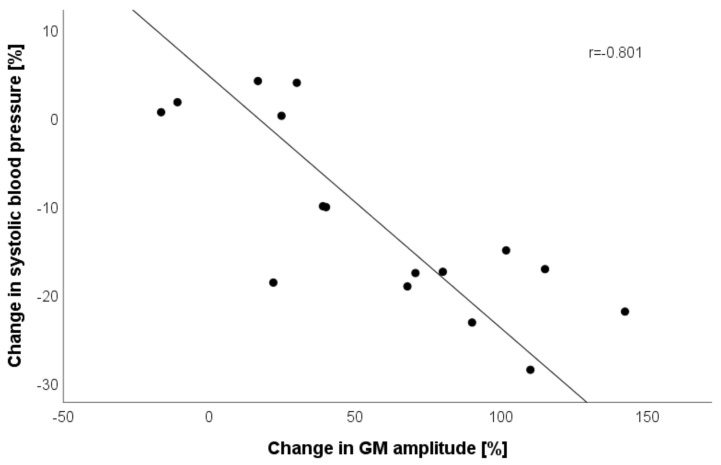
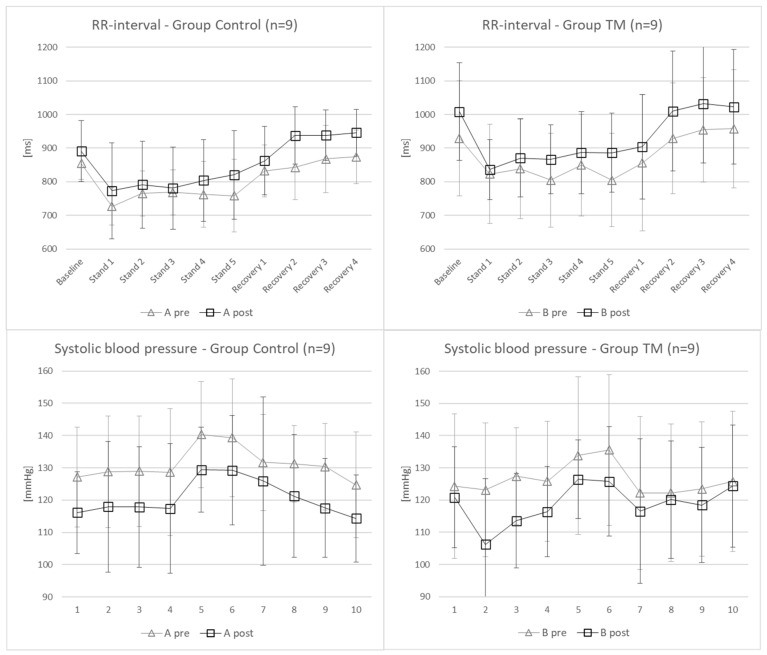
Systolic blood pressure (SBP) was significantly lower after 4 weeks of cardiac rehabilitation, while the RR-interval (RRI) significantly increased. At the skeletal muscle level, the contraction time and maximal displacement increased, though only in the gastrocnemius medialis and biceps femoris muscles and not in vastus lateralis. Group interactions were not observed for hemodynamic parameters nor for muscle contractile properties.
Although significant improvements in hemodynamic and muscular parameters were observed after 4 weeks of rehabilitation, we could not provide evidence that TM improved rehabilitation after 4 weeks. TM may unfold its effects on the cardiovascular system in the longer term. Hence, future studies should comprise a long-term follow-up.
心血管疾病是全球首要死因,心理社会压力负荷过重被视为主要风险因素。超觉静坐法(TM)是一种多次被证明对心血管系统有积极作用的压力管理技巧。本初步研究旨在探究TM对心脏病患者康复的潜在影响。
我们假设,在接受为期4周心脏康复计划的患者中练习TM可增强心血管参数的恢复,并降低康复后骨骼肌张力。
招募20名心脏病患者并随机分为对照组或TM组。在为期4周的住院康复计划开始和结束时,通过任务 Force 监测仪(TFM)评估心血管参数,并在坐立试验中通过张力肌电图评估骨骼肌收缩特性。
心脏康复4周后,收缩压(SBP)显著降低,而RR间期(RRI)显著增加。在骨骼肌水平,收缩时间和最大位移增加,但仅在内侧腓肠肌和股二头肌中增加,而在股外侧肌中未增加。血流动力学参数和肌肉收缩特性均未观察到组间相互作用。
尽管康复4周后血流动力学和肌肉参数有显著改善,但我们无法提供证据表明TM在4周后改善了康复效果。TM可能在长期对心血管系统产生影响。因此,未来研究应包括长期随访。