Maier Raluca, Bucaciuc Sebastian-Gabriel, Mandoc Andrei Cristian
Composite Materials Laboratory for Aeronautical Field, Romanian Research & Development Institute for Gas Turbines-COMOTI, 220D Iuliu Maniu Av., 061126 Bucharest, Romania.
Materials (Basel). 2022 Oct 21;15(20):7398. doi: 10.3390/ma15207398.
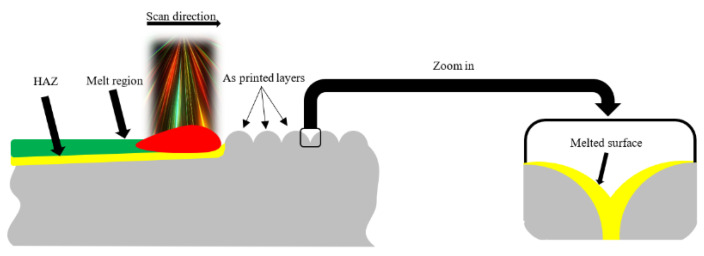
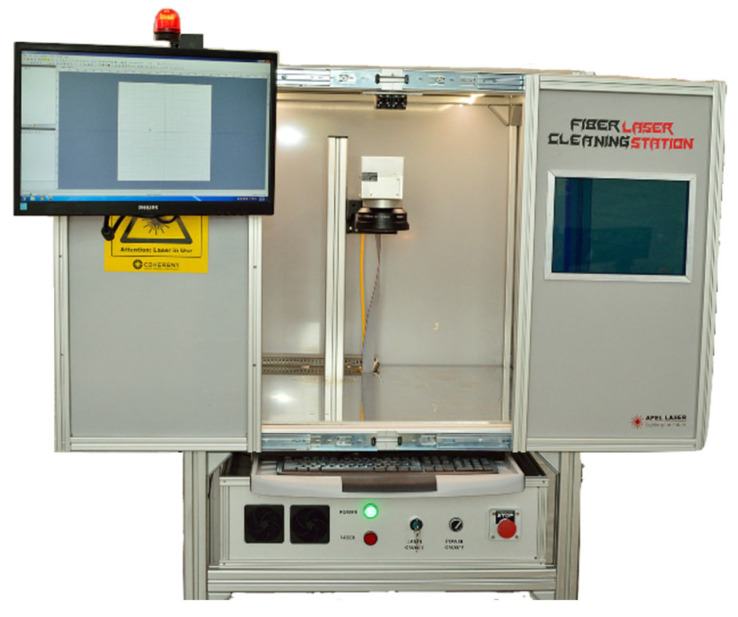
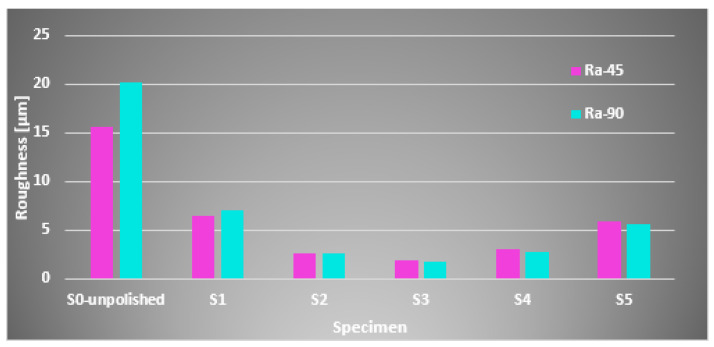
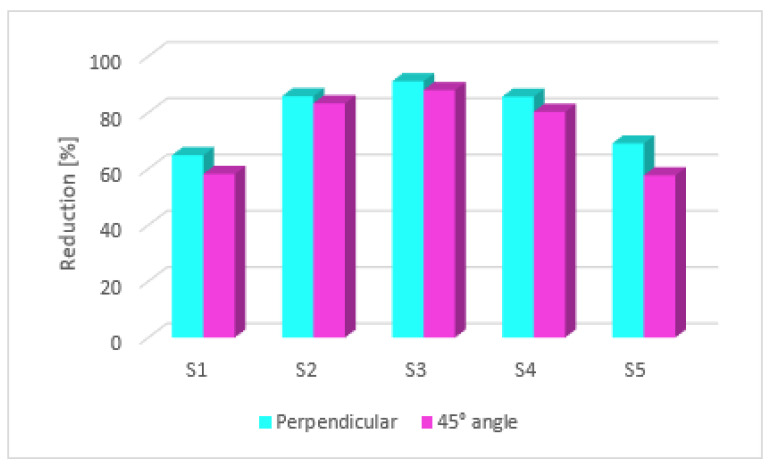
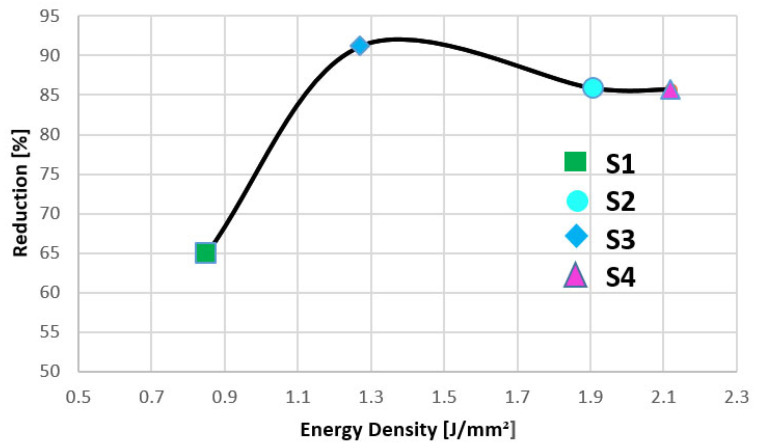
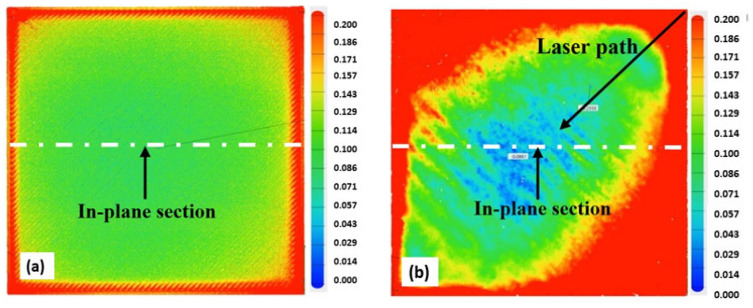
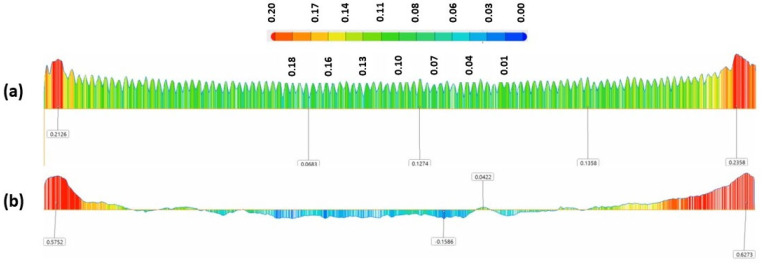
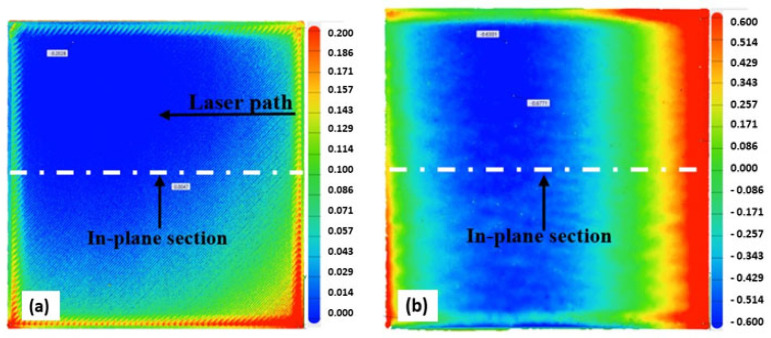
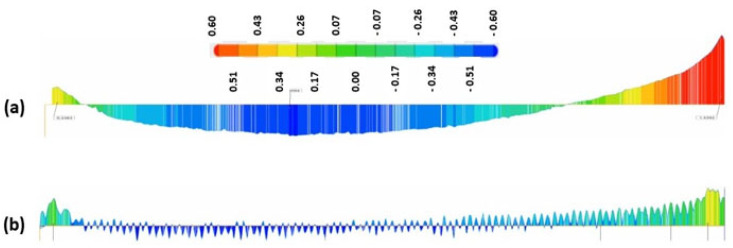
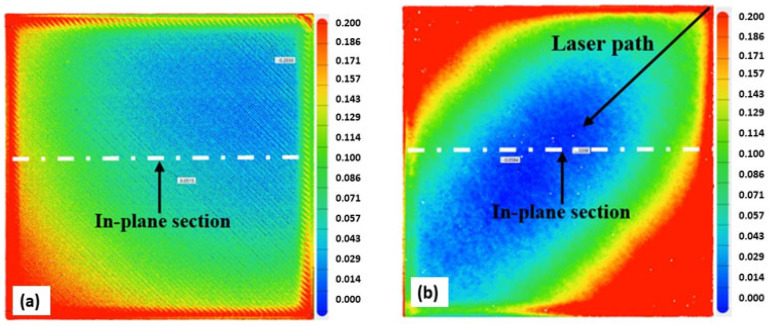
A 100 W fibre laser source was used to minimize the surface roughness of 3D-printed Onyx parts. Furthermore, this study aimed to determine the mechanism of surface finishing, the influence of the laser process parameters (laser power, pulse frequency, and laser scanning path) on the surface morphology, and the influence of the scanning path on the dimensional accuracy of the investigated Onyx 3D-printed specimens. A significant reduction in surface roughness of 91.15% was achieved on the S3 Onyx 3D-printed specimen following laser surface polishing treatment using a 50 W laser power and a frequency of 50 kHz. The laser scanning path had little influence on the surface roughness, but had a major impact on the geometrical deviation of the treated sample.
使用一台100瓦的光纤激光源来最小化3D打印玛瑙部件的表面粗糙度。此外,本研究旨在确定表面精加工的机制、激光工艺参数(激光功率、脉冲频率和激光扫描路径)对表面形态的影响,以及扫描路径对所研究的3D打印玛瑙试样尺寸精度的影响。使用50瓦激光功率和50千赫兹的频率进行激光表面抛光处理后,S3 3D打印玛瑙试样的表面粗糙度显著降低了91.15%。激光扫描路径对表面粗糙度影响较小,但对处理后样品的几何偏差有重大影响。