Kim Jun-Ki, Choi Yunju, Jeong Euh Duck, Lee Sei-Jin, Kim Hyun Gyu, Chung Jae Min, Kim Jeom-Soo, Lee Sun-Young, Bae Jong-Seong
Busan Center, Korea Basic Science Institute (KBSI), Busan 46742, Korea.
Jeonju Center, Korea Basic Science Institute (KBSI), Jeonju 54907, Korea.
Nanomaterials (Basel). 2022 Oct 14;12(20):3605. doi: 10.3390/nano12203605.
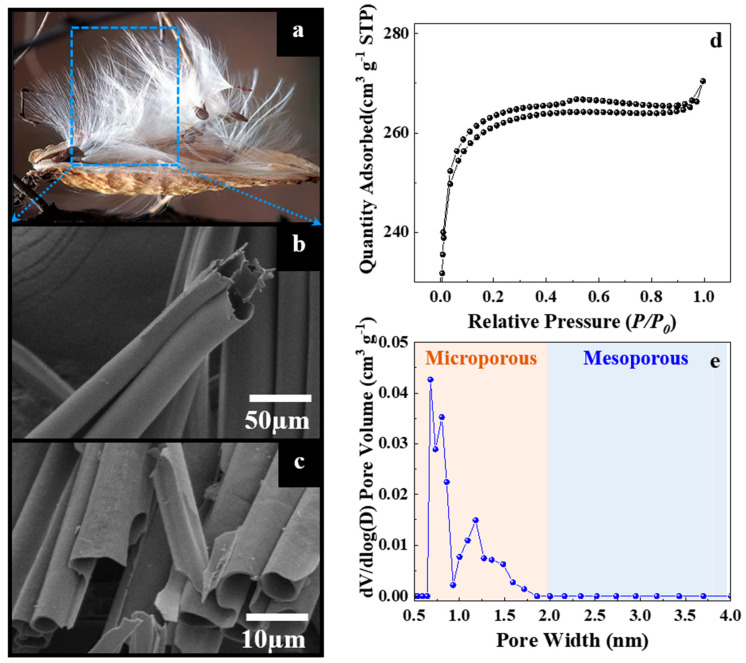
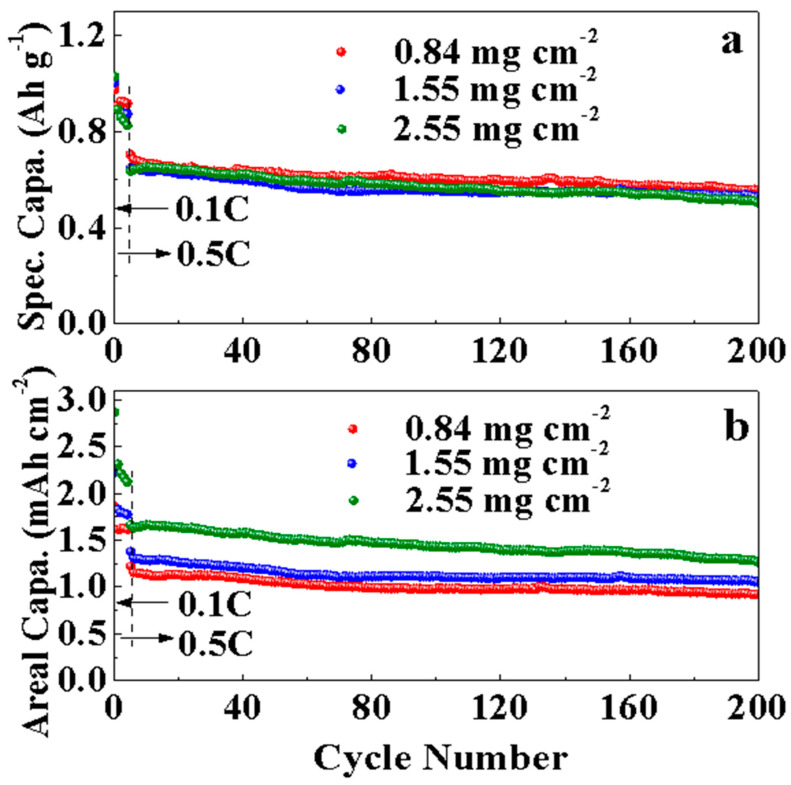
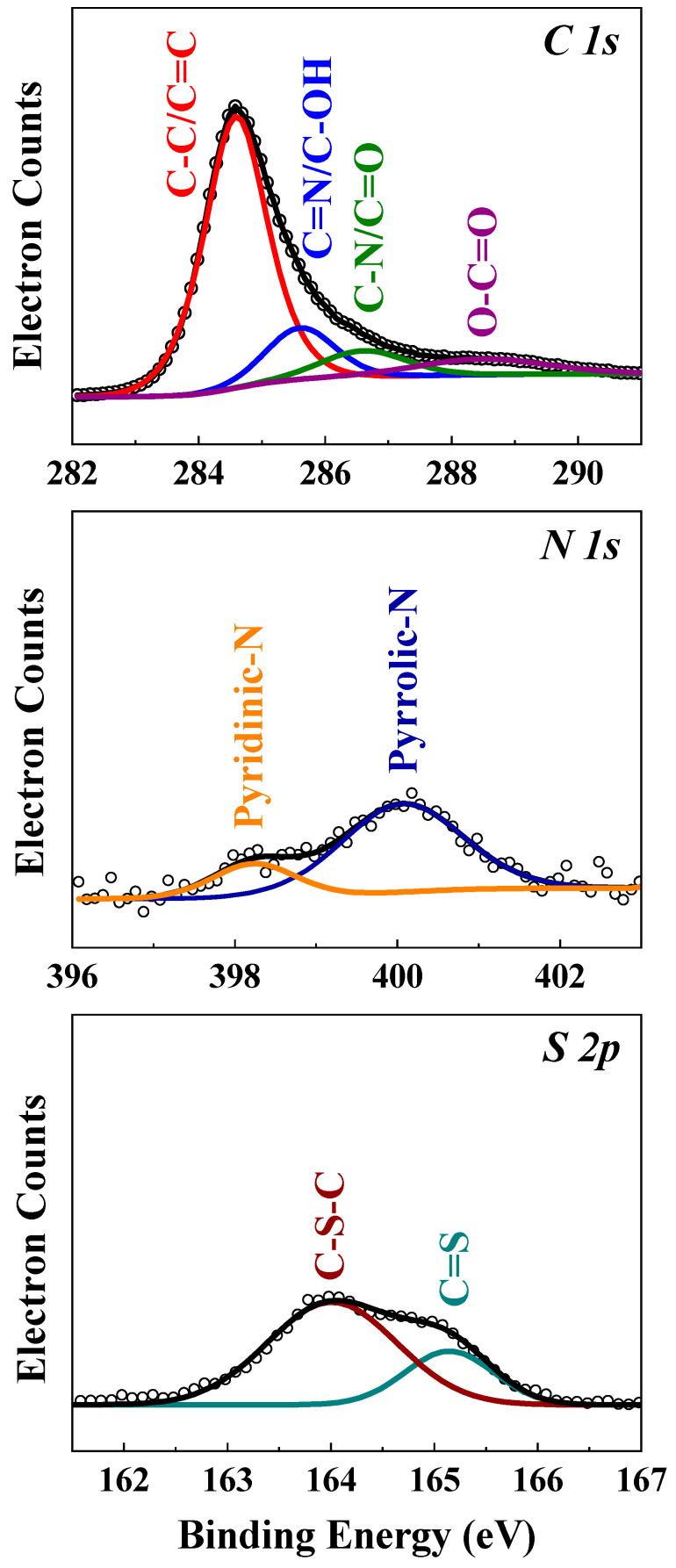
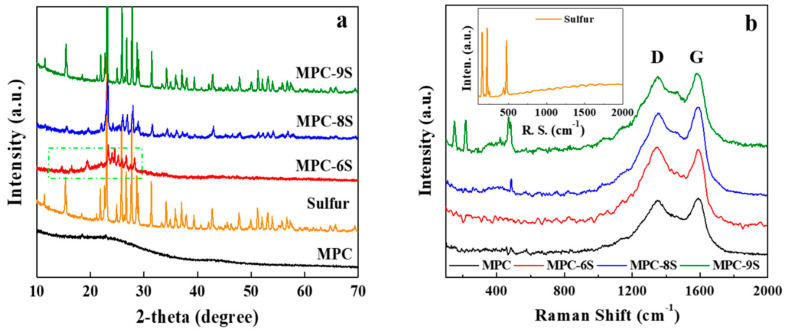
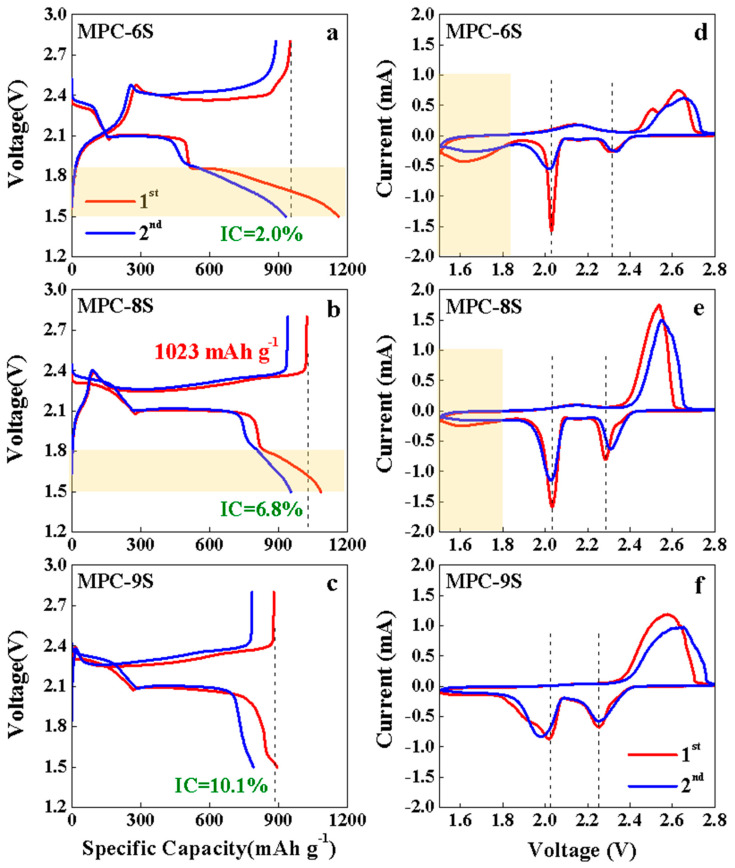
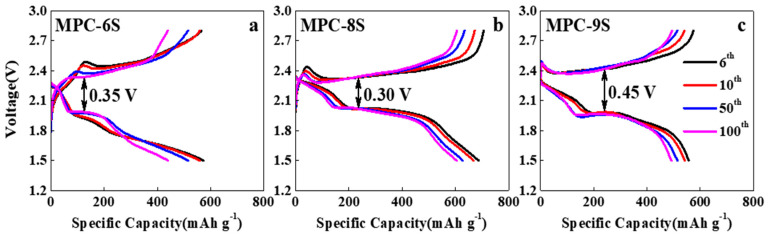
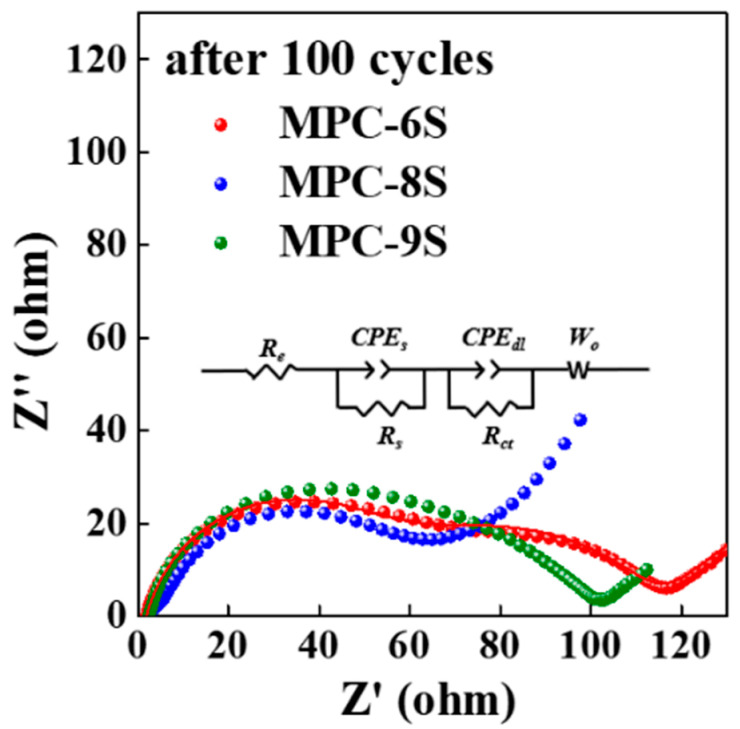
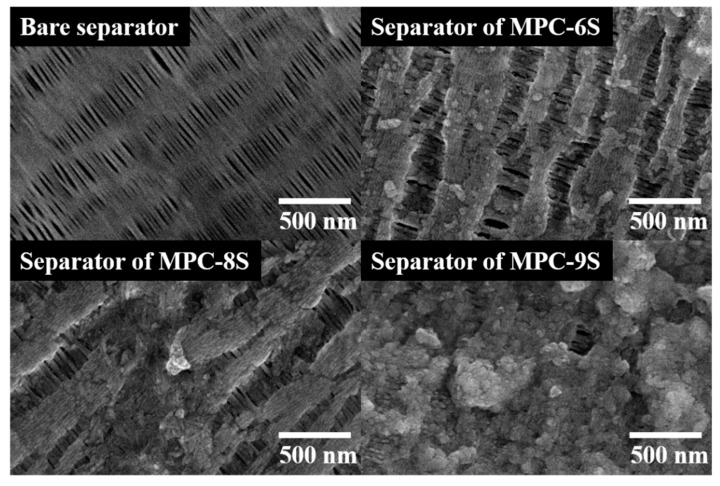
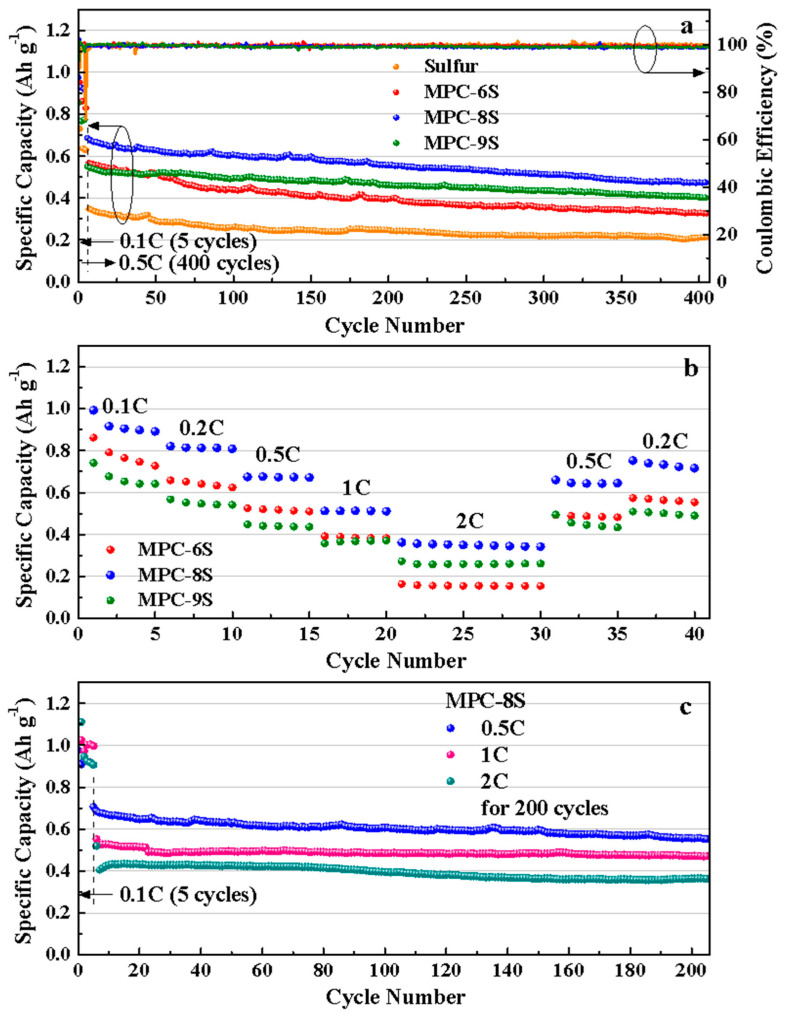
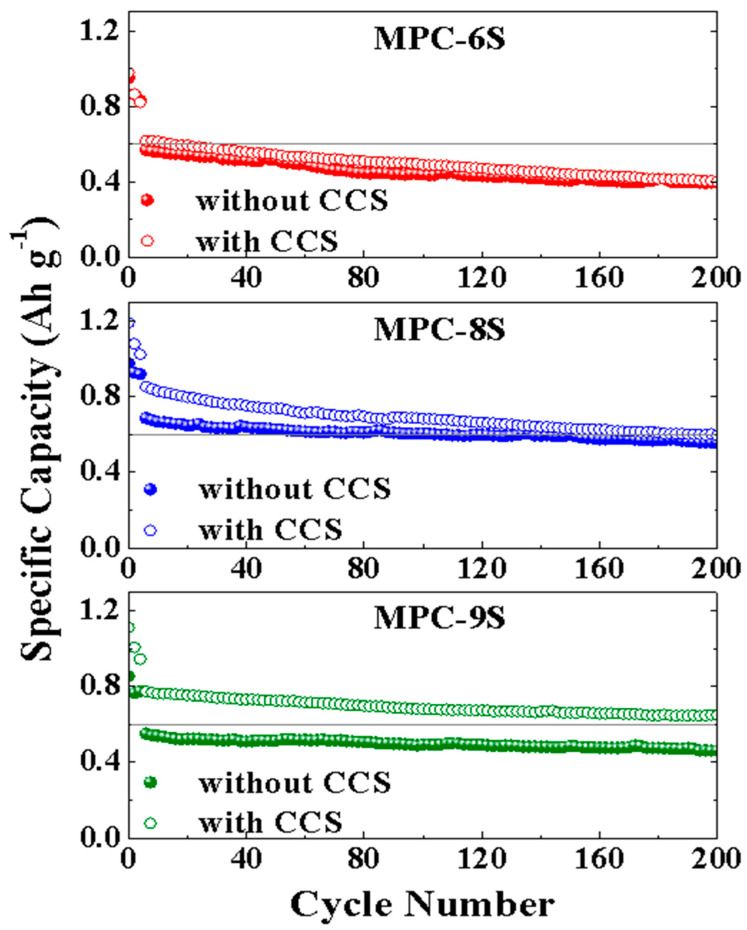
Microtube-like porous carbon (MPC) and tube-like porous carbon-sulfur (MPC-S) composites were synthesized by carbonizing milkweed pappus with sulfur, and they were used as cathodes for lithium-sulfur batteries. The morphology and uniformity of these materials were characterized using X-ray powder diffraction, Raman spectroscopy, scanning electron microscopy, transmission electron microscopy with an energy-dispersive X-ray analyzer, thermogravimetric analysis, and X-ray photoelectron spectrometry. The electrochemical performance of the MPC-S cathodes was measured using the charge/discharge cycling performance, C rate, and AC impedance. The composite cathodes with 93.8 wt.% sulfur exhibited a stable specific capacity of 743 mAh g after 200 cycles at a 0.5 C.
通过用硫碳化马利筋绒毛合成了微管状多孔碳(MPC)和管状多孔碳硫(MPC-S)复合材料,并将它们用作锂硫电池的阴极。使用X射线粉末衍射、拉曼光谱、扫描电子显微镜、带有能量色散X射线分析仪的透射电子显微镜、热重分析和X射线光电子能谱对这些材料的形态和均匀性进行了表征。使用充放电循环性能、C倍率和交流阻抗来测量MPC-S阴极的电化学性能。含93.8 wt.%硫的复合阴极在0.5 C下循环200次后表现出743 mAh g的稳定比容量。