Klinik und Poliklinik für Innere Medizin II, Klinikum rechts der Isar, Technical University of Munich, Munich, Germany.
Institute for Cardiovascular Prevention (IPEK), Ludwig-Maximilians-University, Munich, Germany.
Front Immunol. 2022 Oct 6;13:970938. doi: 10.3389/fimmu.2022.970938. eCollection 2022.
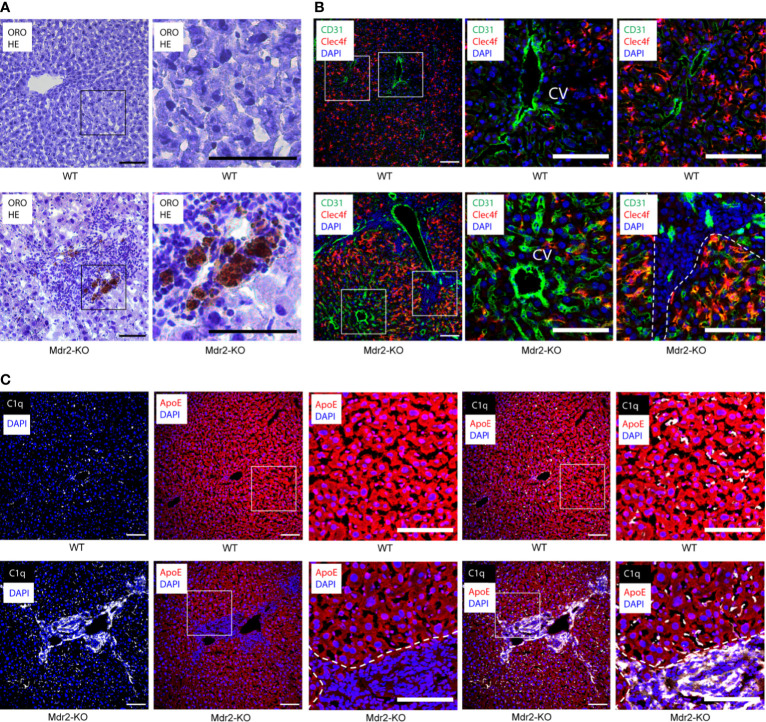
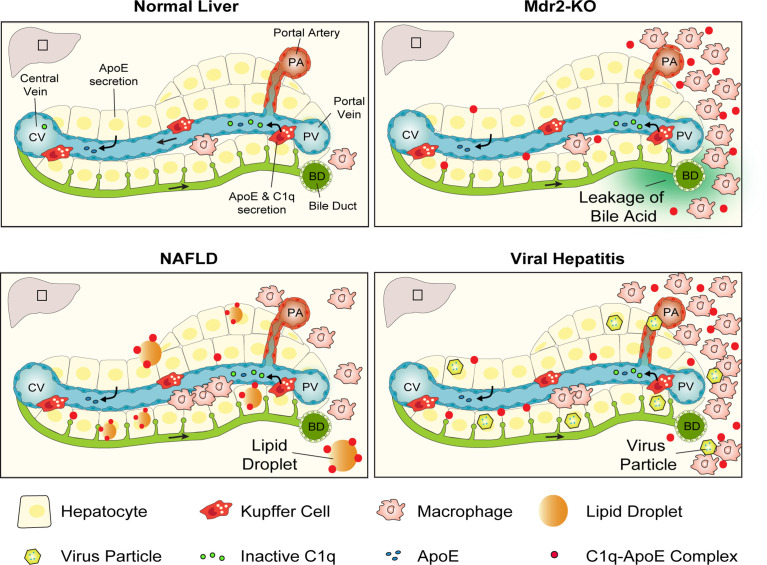
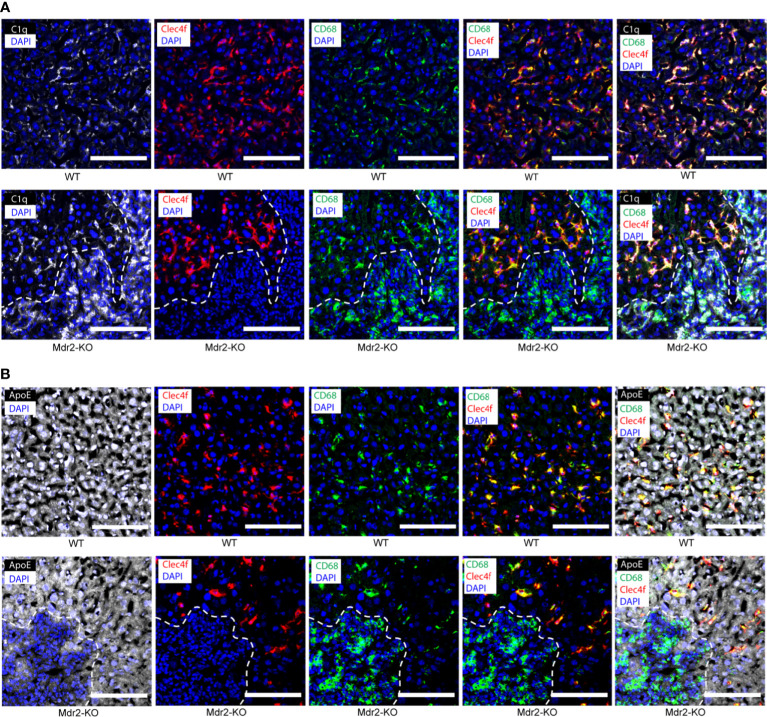
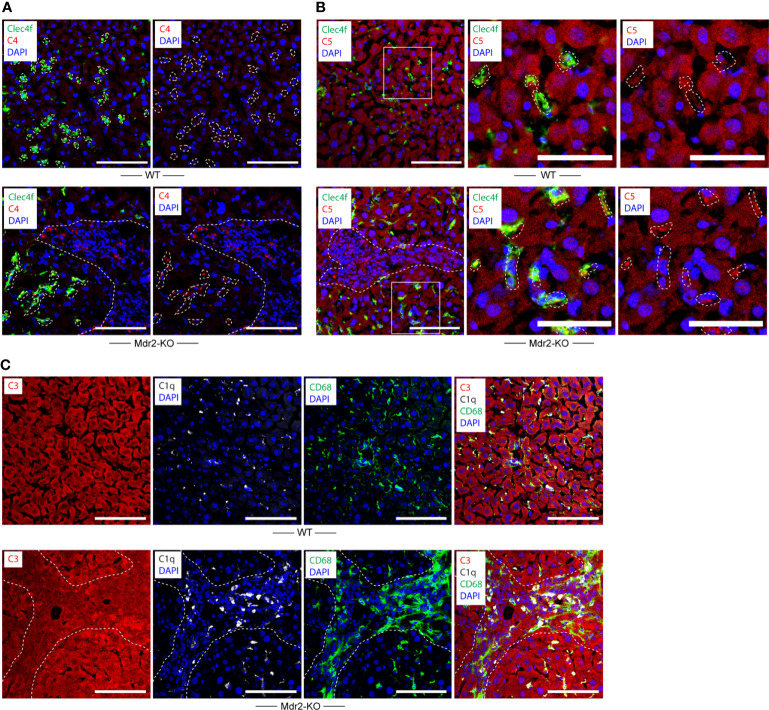
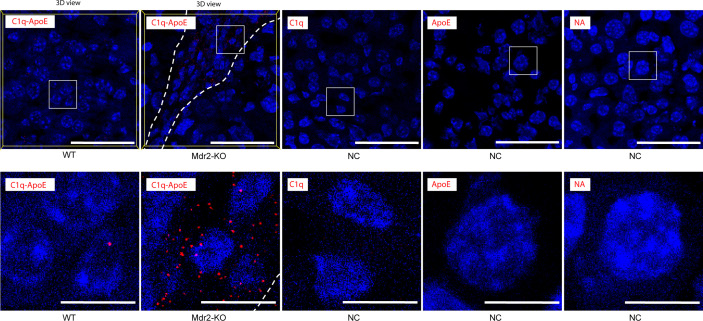
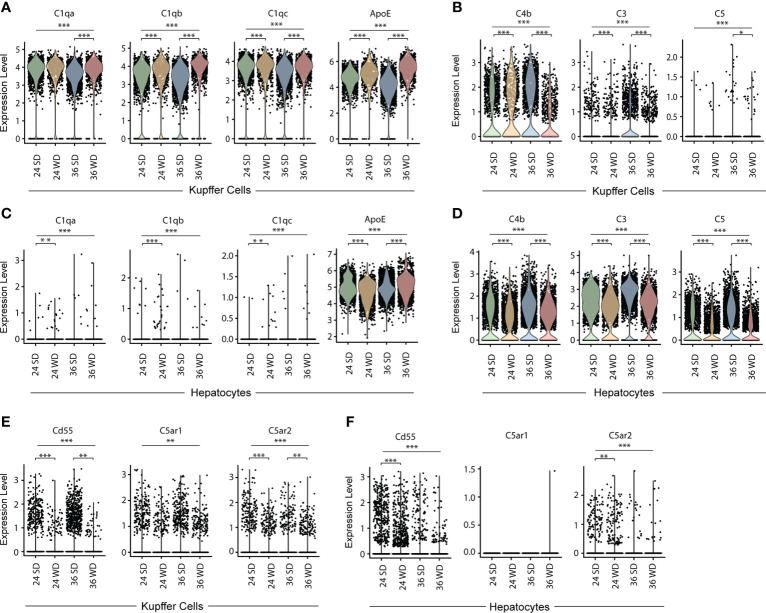
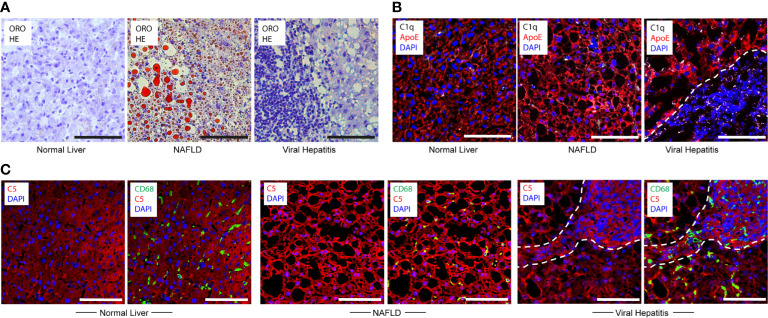
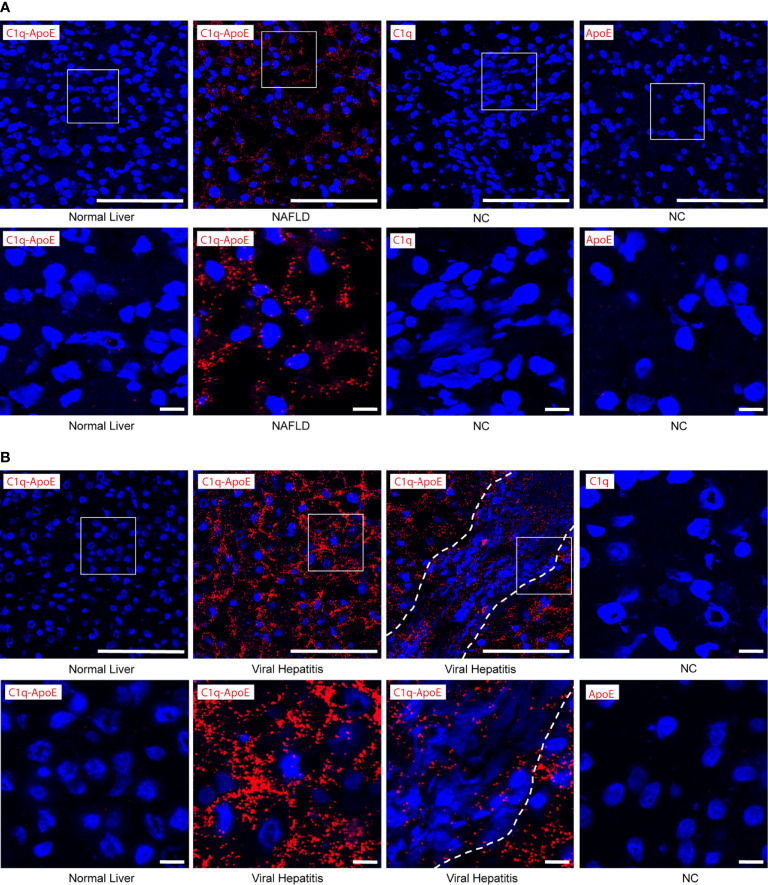
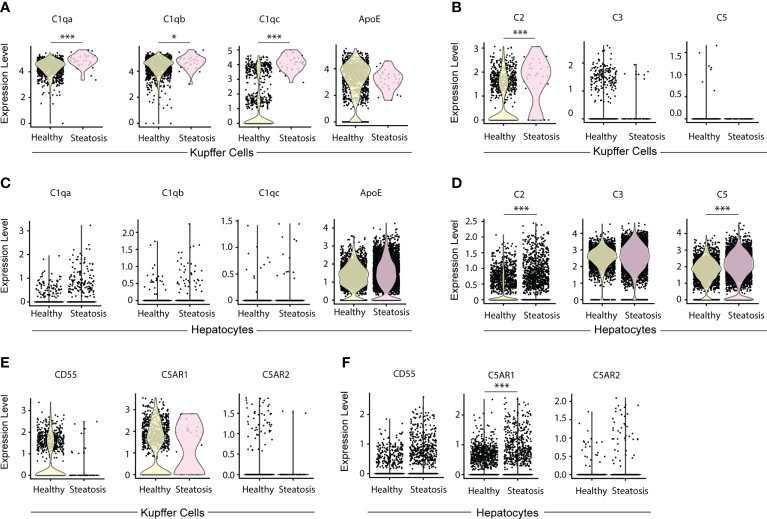
We recently identified a high-affinity C1q-ApoE complex in human artery atherosclerotic intima lesions and in human amyloid plaques of Alzheimer's Disease brains defining a common pathogenetic pathway of two diverse diseases, i.e. atherosclerosis and dementia. C1q is the initiating and controlling protein of the classical complement cascade (CCC), which occupies a key role in multiple acute and chronic inflammatory tissue responses. C1q is largely produced by myeloid cells including Kupffer cells (KCs) and subsequently secreted into the circulation as an inactive preprotein. Its binding partner, Apolipoprotein E (ApoE), is produced by KCs and hepatocytes and it is also secreted into the circulation, where it regulates essential steps of lipid transport. In addition to its major source, ApoE can be produced by non-liver cells including immune cells and multiple other cells depending on local tissue contexts. To initiate the CCC cascade, C1q must be activated by molecules as varied as oxidized lipids, amyloid fibrils, and immune complexes. However, ApoE is mute towards inactive C1q but binds at high-affinity to its activated form. Specifically, our studies revealed that ApoE is a CCC-specific checkpoint inhibitor the formation of the C1q-ApoE complex. We proposed that it may arise in multiple if not all CCC-associated diseases and that its presence indicates ongoing CCC activity. Here, we turned to the liver to examine C1q-ApoE complexes in human B- and C-viral hepatitis and nonalcoholic fatty liver disease (NAFLD). In addition, we used multidrug-resistance-2 gene-knockout (Mdr2-KO) mice as a model for inflammatory liver disease and hepatocellular carcinoma (HCC) pathogenesis. In normal murine and human livers, KCs were the major C1q-producing cell type while hepatocytes were the primary ApoE-forming cell type though the C1q-ApoE complex was rare or nonexistent. However, significant numbers of C1q-ApoE complexes formed in both Mdr2-KO, human viral hepatitis, and NAFLD around portal triads where immune cells had infiltrated the liver. Additionally, high numbers of C1q-ApoE complexes emerged in human livers in areas of extracellular lipid droplets across the entire liver parenchyma in NAFLD-affected patients. Thus, the C1q-ApoE complex is a new pathological hallmark of viral hepatitis B and C and NAFLD.
我们最近在人类动脉粥样硬化内膜病变和阿尔茨海默病大脑的淀粉样斑块中发现了一种高亲和力的 C1q-载脂蛋白 E 复合物,这为两种不同疾病(即动脉粥样硬化和痴呆)的共同发病途径提供了证据。C1q 是经典补体级联反应(CCC)的起始和控制蛋白,在多种急性和慢性炎症组织反应中起着关键作用。C1q 主要由包括枯否细胞(KCs)在内的髓样细胞产生,随后作为无活性的前体蛋白分泌到循环中。它的结合伴侣载脂蛋白 E(ApoE)由 KCs 和肝细胞产生,也分泌到循环中,在那里它调节脂质转运的重要步骤。除了主要来源外,ApoE 还可以由免疫细胞和其他多种细胞产生,具体取决于局部组织环境。为了启动 CCC 级联反应,C1q 必须被各种分子激活,如氧化脂质、淀粉样纤维和免疫复合物。然而,ApoE 对无活性的 C1q 是沉默的,但以高亲和力结合其激活形式。具体来说,我们的研究表明,ApoE 是 CCC 特异性检查点抑制剂,即 C1q-ApoE 复合物的形成。我们提出,它可能出现在多种(如果不是所有)与 CCC 相关的疾病中,其存在表明 CCC 活动仍在继续。在这里,我们转向肝脏,检查人类 B 和 C 型病毒性肝炎和非酒精性脂肪性肝病(NAFLD)中的 C1q-ApoE 复合物。此外,我们使用多药耐药基因 2 敲除(Mdr2-KO)小鼠作为炎症性肝病和肝细胞癌(HCC)发病机制的模型。在正常的小鼠和人类肝脏中,枯否细胞是产生 C1q 的主要细胞类型,而肝细胞是形成 ApoE 的主要细胞类型,尽管 C1q-ApoE 复合物很少或不存在。然而,在 Mdr2-KO、人类病毒性肝炎和 NAFLD 中,大量的 C1q-ApoE 复合物在免疫细胞浸润肝脏的门三联体周围形成。此外,在 NAFLD 患者的整个肝实质中,大量的 C1q-ApoE 复合物出现在肝外脂质滴所在的区域。因此,C1q-ApoE 复合物是乙型和丙型病毒性肝炎及非酒精性脂肪性肝病的新病理标志。