Department of Genetics, University Medical Center Utrecht, Utrecht, The Netherlands.
Department of Pathology and Laboratory Medicine, Western University, London, Ontario, Canada.
Genet Med. 2023 Jan;25(1):49-62. doi: 10.1016/j.gim.2022.09.006. Epub 2022 Nov 1.
Pathogenic variants in genes involved in the epigenetic machinery are an emerging cause of neurodevelopment disorders (NDDs). Lysine-demethylase 2B (KDM2B) encodes an epigenetic regulator and mouse models suggest an important role during development. We set out to determine whether KDM2B variants are associated with NDD.
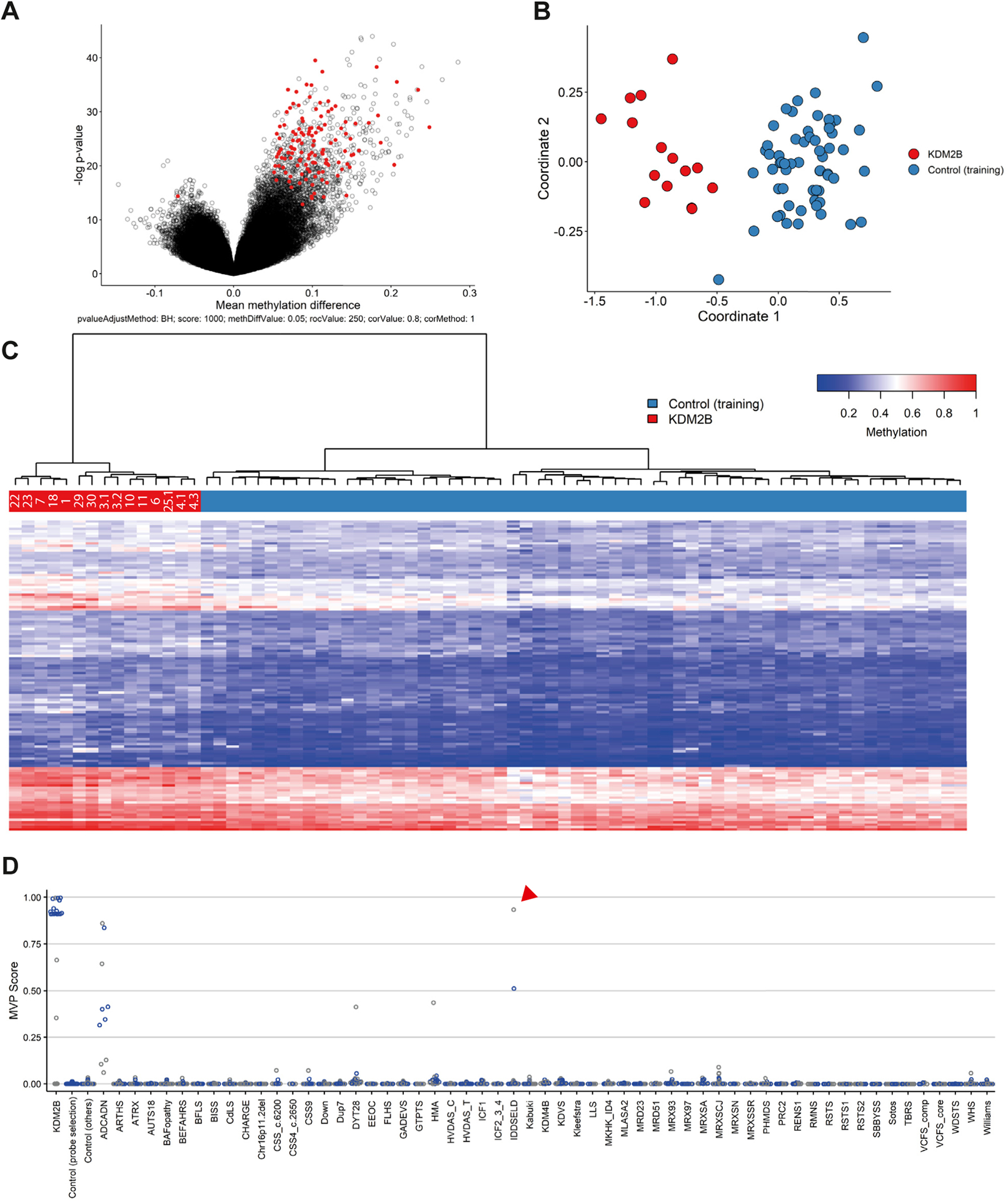
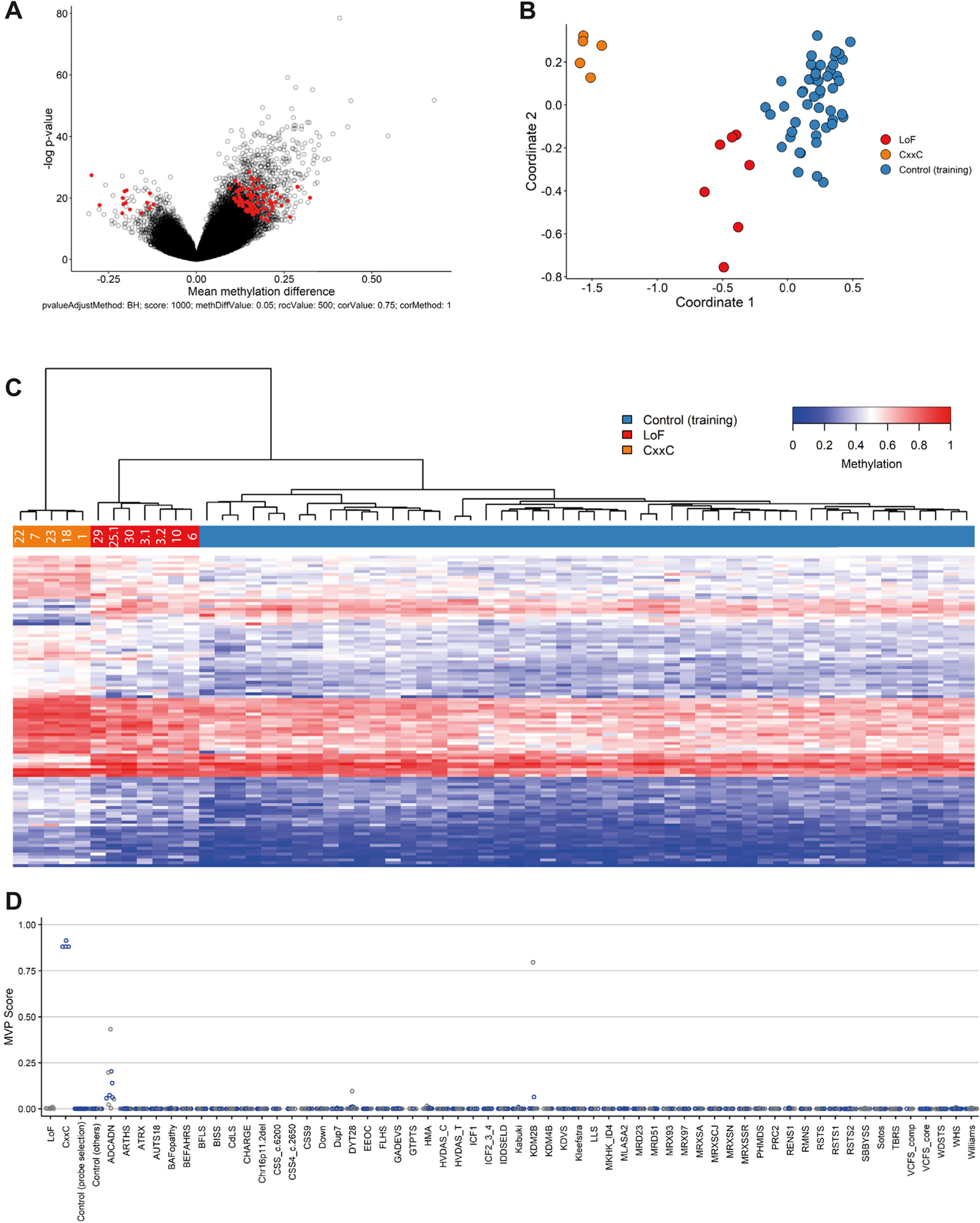
Through international collaborations, we collected data on individuals with heterozygous KDM2B variants. We applied methylation arrays on peripheral blood DNA samples to determine a KDM2B associated epigenetic signature.
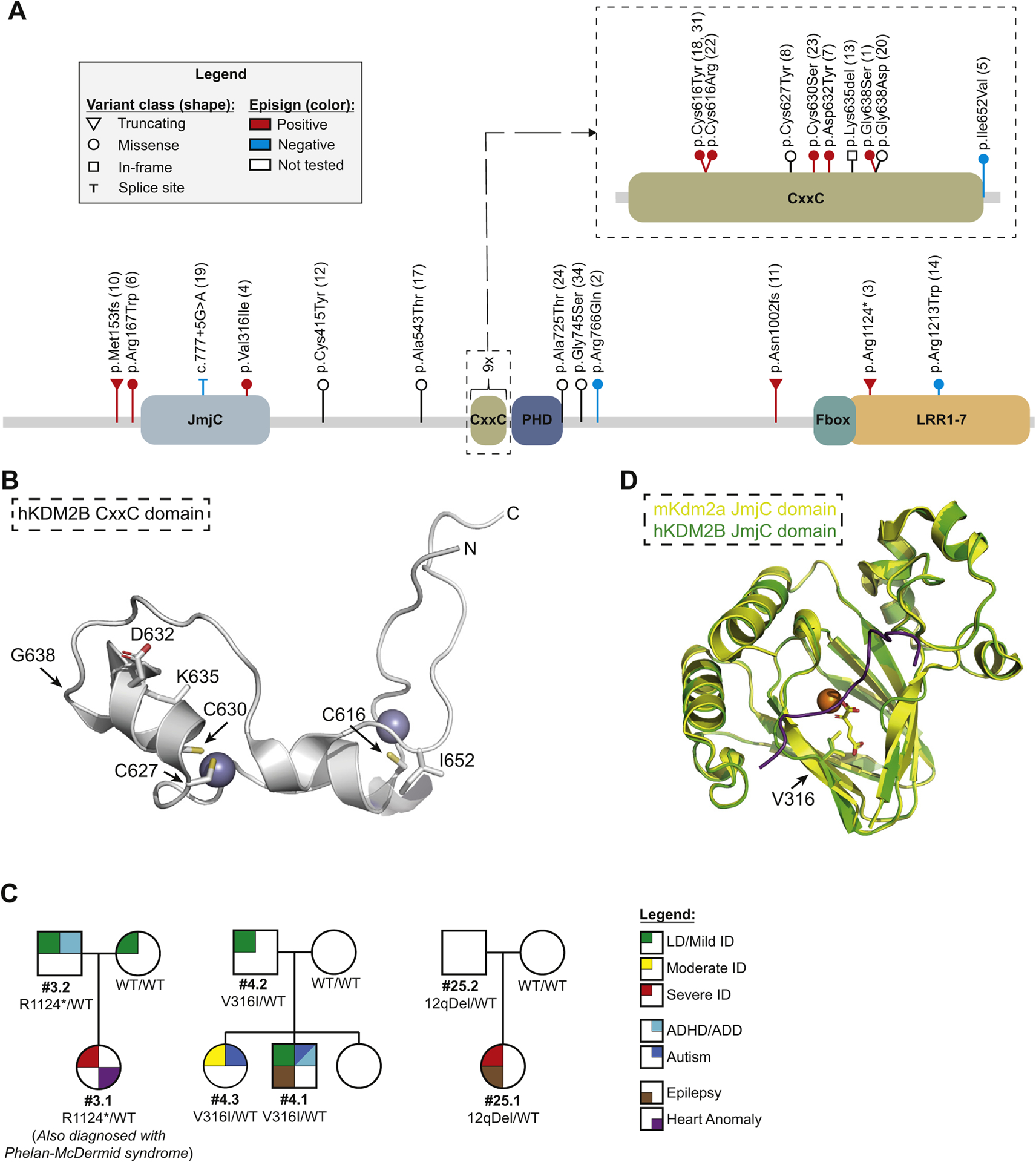
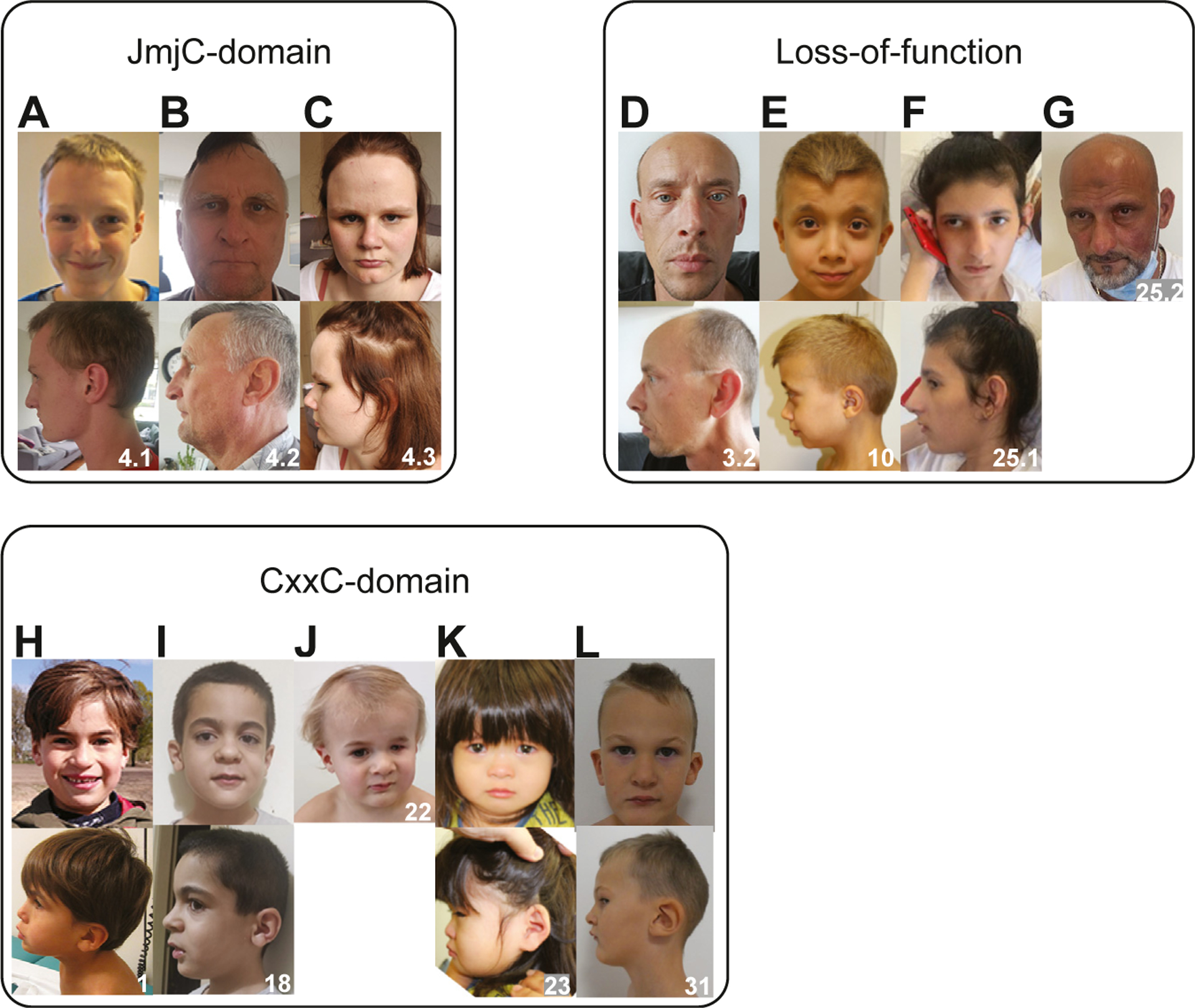
We recruited a total of 27 individuals with heterozygous variants in KDM2B. We present evidence, including a shared epigenetic signature, to support a pathogenic classification of 15 KDM2B variants and identify the CxxC domain as a mutational hotspot. Both loss-of-function and CxxC-domain missense variants present with a specific subepisignature. Moreover, the KDM2B episignature was identified in the context of a dual molecular diagnosis in multiple individuals. Our efforts resulted in a cohort of 21 individuals with heterozygous (likely) pathogenic variants. Individuals in this cohort present with developmental delay and/or intellectual disability; autism; attention deficit disorder/attention deficit hyperactivity disorder; congenital organ anomalies mainly of the heart, eyes, and urogenital system; and subtle facial dysmorphism.
Pathogenic heterozygous variants in KDM2B are associated with NDD and a specific epigenetic signature detectable in peripheral blood.
涉及表观遗传机制的基因中的致病变异是神经发育障碍(NDD)的一个新兴病因。赖氨酸去甲基酶 2B(KDM2B)编码一种表观遗传调节剂,小鼠模型表明其在发育过程中具有重要作用。我们着手确定 KDM2B 变体是否与 NDD 相关。
通过国际合作,我们收集了携带杂合 KDM2B 变体个体的数据。我们应用外周血 DNA 样本的甲基化阵列来确定与 KDM2B 相关的表观遗传特征。
我们共招募了 27 名携带 KDM2B 杂合变异的个体。我们提供了证据,包括共享的表观遗传特征,支持 15 种 KDM2B 变体的致病性分类,并确定 CxxC 结构域为突变热点。失活功能和 CxxC 结构域错义变体均呈现特定的亚表型特征。此外,在多个个体的双重分子诊断中鉴定出了 KDM2B 表型特征。我们的努力产生了 21 名携带杂合(可能)致病性变异的个体队列。该队列中的个体表现为发育迟缓和/或智力障碍;自闭症;注意力缺陷障碍/注意缺陷多动障碍;先天性器官异常主要涉及心脏、眼睛和泌尿生殖系统;以及细微的面部畸形。
KDM2B 中的致病性杂合变体与 NDD 相关,并在外周血中可检测到特定的表观遗传特征。