School of Medical and Health Sciences, Edith Cowan University, Joondalup, Western Australia.
Department of Rehabilitation, Physical Therapy Science and Sports, UMC Utrecht Brain Centre, University Medical Centre, Utrecht, the Netherlands.
BMC Med Res Methodol. 2022 Nov 5;22(1):288. doi: 10.1186/s12874-022-01778-4.
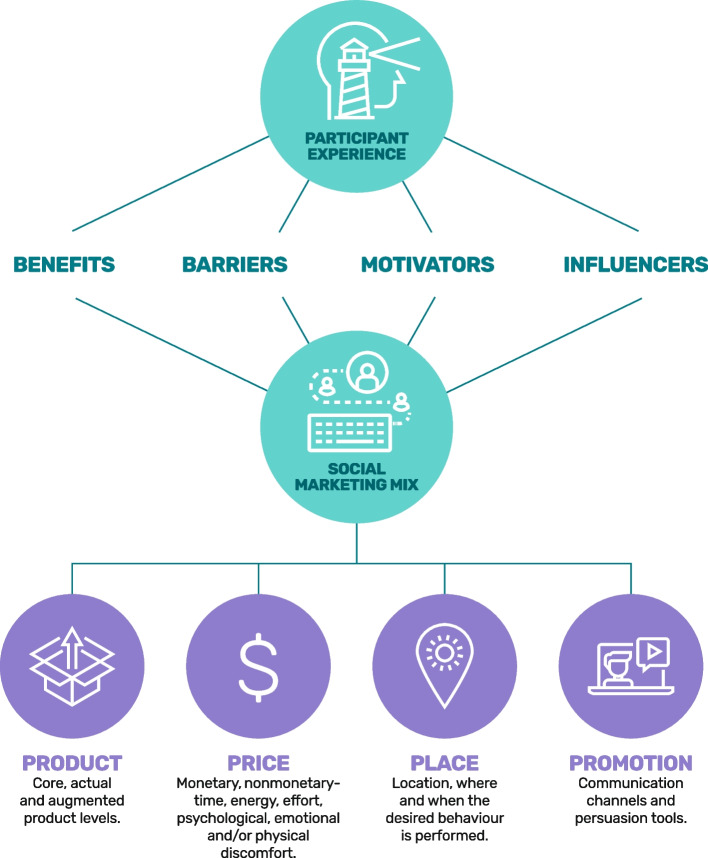
Investigations of participant retention in longitudinal health and medical research, document strategies that work best but overlook social marketing's capacity to influence participant retention. After applying the social marketing framework: the idea that determining what longitudinal participants 'buy' (product), at what cost (price), in what location (place) and through which communication channels (promotion), this paper aims to inform and enhance retention efforts.
This qualitative study was conducted through in-depth interviews with participants from the Raine Study that began in Western Australia in 1989. The Generation 2 participants, initially enrolled into the Raine Study as babies by their parents (Generation 1), are now young adults invited to attend follow-up studies and tests every few years. Our study defined 'active' participants (n = 17) as those who agreed to attend their 27 year follow-up, and 'inactive' (n = 12) participants as those who had attended neither of the past two follow-ups (22 and 27 years).
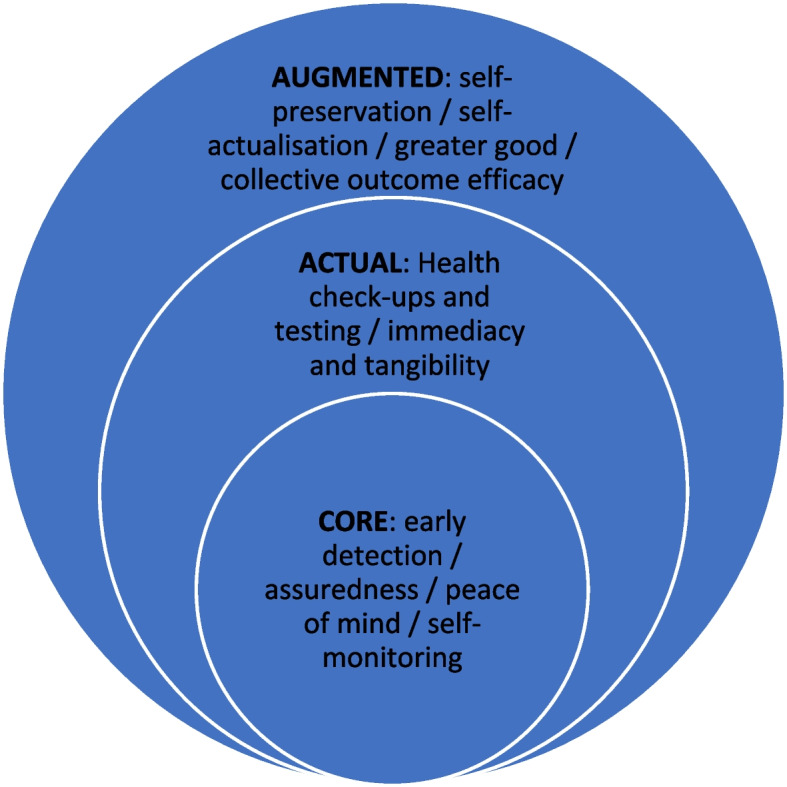
Raine Study participants experienced core, actual and augmented product benefits. Inactive participants focused on the costs (price) associated with participation, and were more likely to suggest tele-health (place) strategies to overcome barriers to follow-up attendance. Both active and inactive participants found professional processes and friendly staff made the Raine Study environment appealing, suggested that social media (promotion) was underutilised, and offered novel ideas to enhance engagement.
Social marketing can support the development of differentiated strategies addressing the unique needs and wants of active and inactive participants. Sophisticated cohort segmentation can reach participants in a more meaningful way, reinforce the study 'brand' and guard against attrition.
对纵向健康和医学研究中参与者保留情况的调查记录了效果最佳的策略,但忽略了社会营销影响参与者保留率的能力。在应用社会营销框架之后:即确定纵向参与者“购买”(产品)的内容、成本(价格)、地点(渠道)和沟通渠道(促销),本文旨在为保留率的提高提供信息和依据。
本研究采用深入访谈法,对参加 1989 年在西澳大利亚开始的雷因研究的参与者进行了研究。第二代参与者最初由其父母(第一代)作为婴儿被招募到雷因研究中,现在作为年轻人被邀请每隔几年参加后续研究和测试。我们的研究将“活跃”参与者(n=17)定义为那些同意参加 27 岁随访的人,而“不活跃”参与者(n=12)为那些既没有参加过去两次随访(22 岁和 27 岁)的人。
雷因研究的参与者体验到了核心、实际和增强型产品的益处。不活跃的参与者关注参与的成本(价格),并更倾向于建议采用远程医疗(渠道)策略来克服后续就诊的障碍。活跃和不活跃的参与者都认为专业的流程和友好的工作人员使雷因研究的环境具有吸引力,建议更多地利用社交媒体(促销),并提供了新颖的想法来提高参与度。
社会营销可以支持制定差异化策略,满足活跃和不活跃参与者的独特需求和愿望。复杂的队列细分可以以更有意义的方式接触到参与者,增强研究“品牌”,并防止参与者流失。