He Xuejia, Zhang Ting, Zeng Yubing, Pei Pei, Liu Yulan, Jia Wenbin, Zhao Hongyang, Bi Meirong, Wang Shan
Beijing Municipal Key Laboratory of Child Development and Nutriomics, Capital Institute of Pediatrics-Peking University Teaching Hospital, Beijing, China.
Beijing Municipal Key Laboratory of Child Development and Nutriomics, Capital Institute of Pediatrics, Beijing, China.
Front Microbiol. 2022 Oct 20;13:993146. doi: 10.3389/fmicb.2022.993146. eCollection 2022.
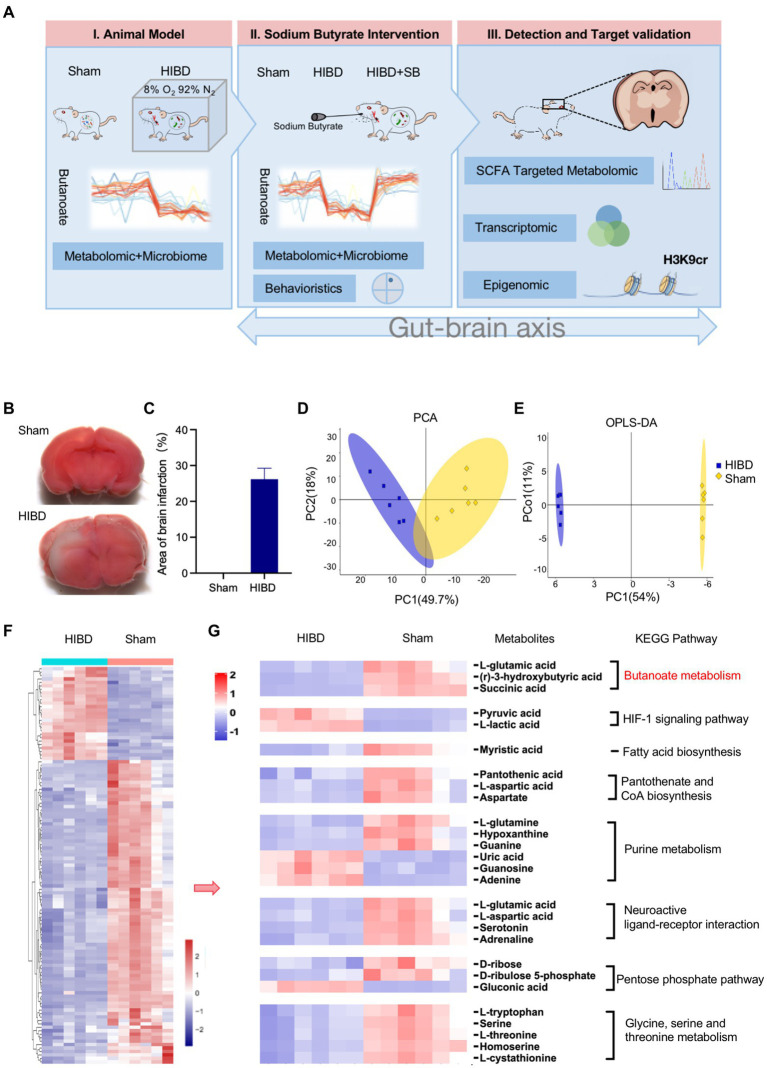
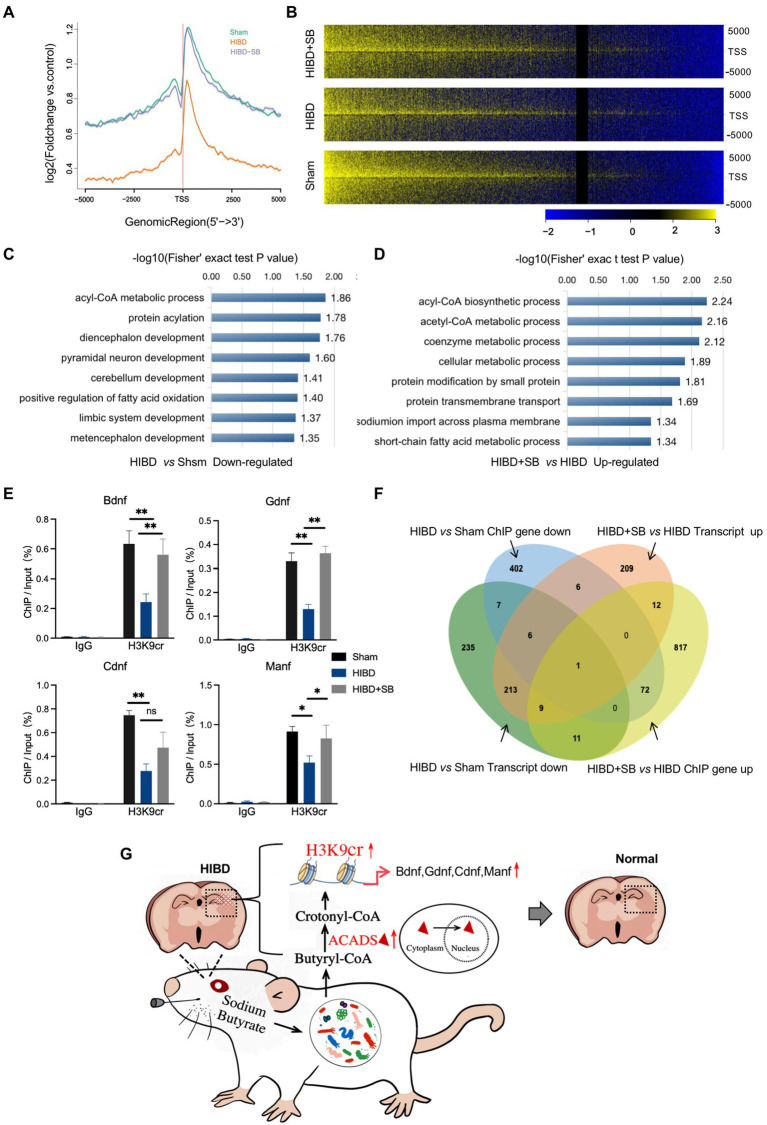
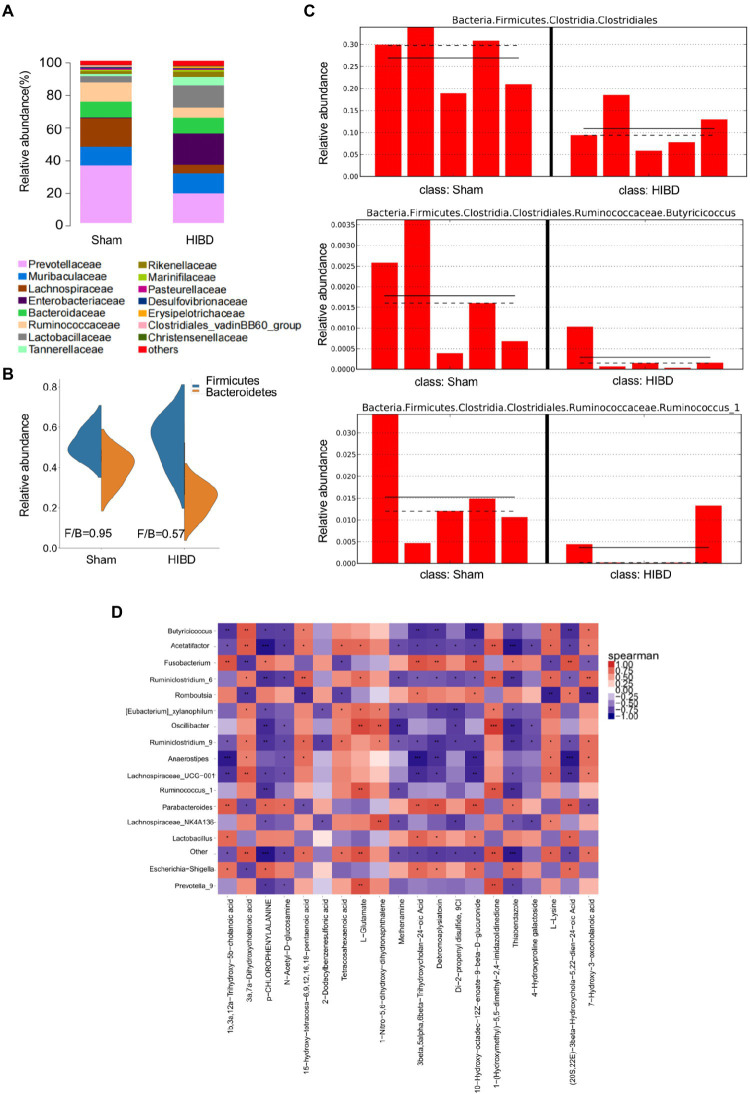
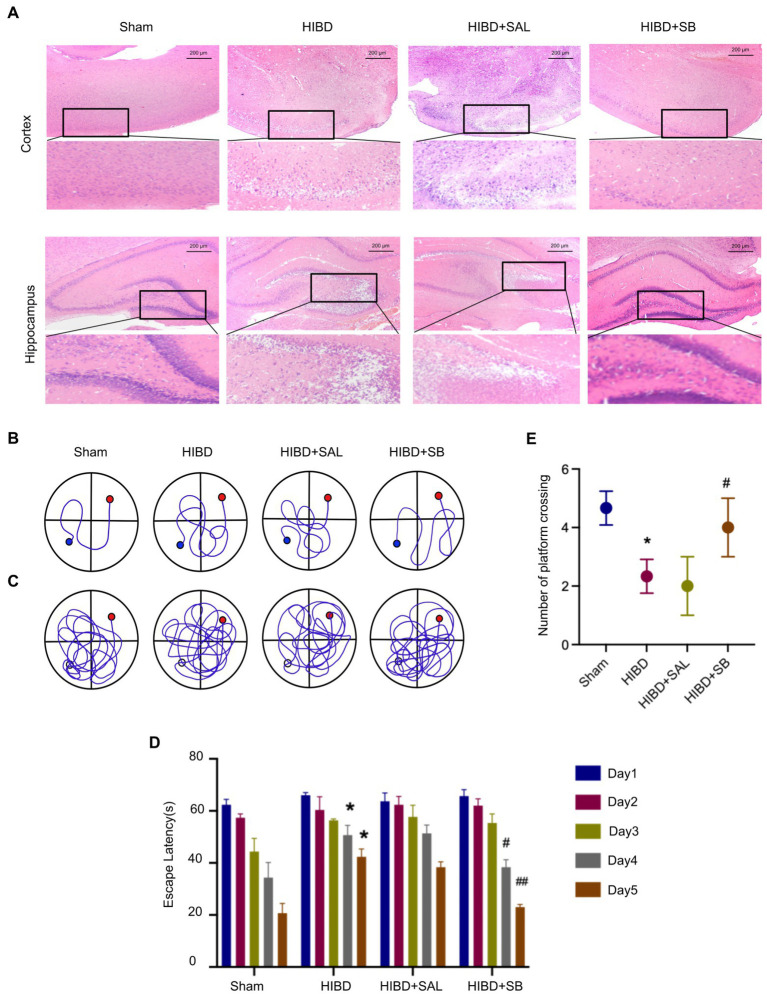
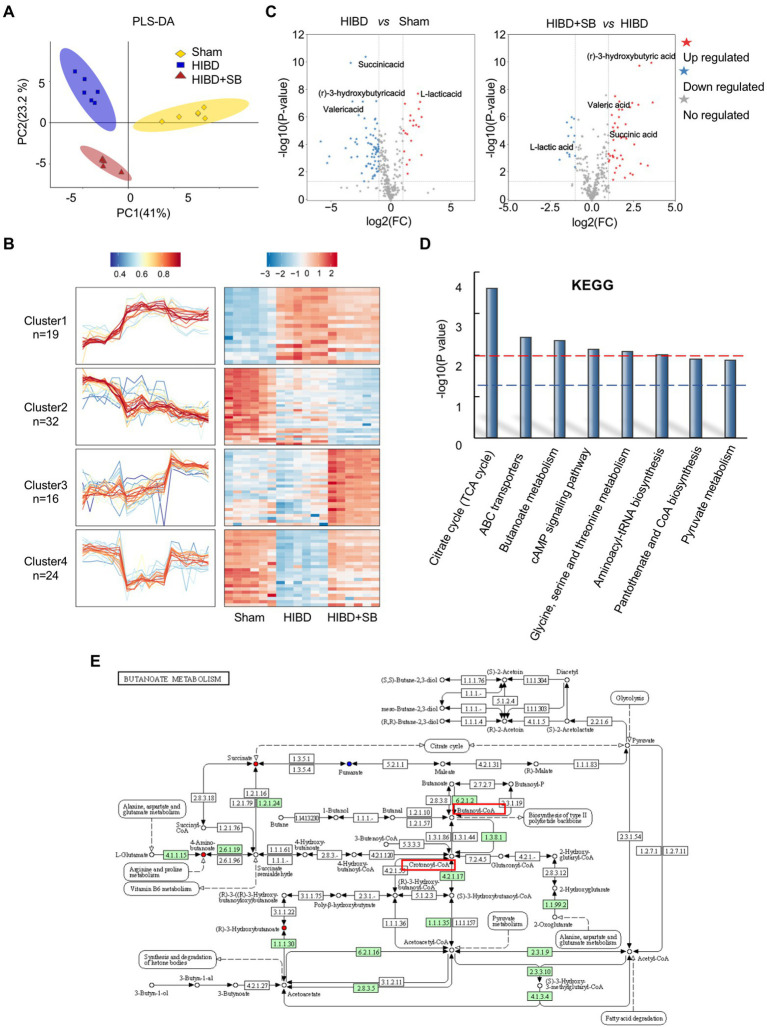
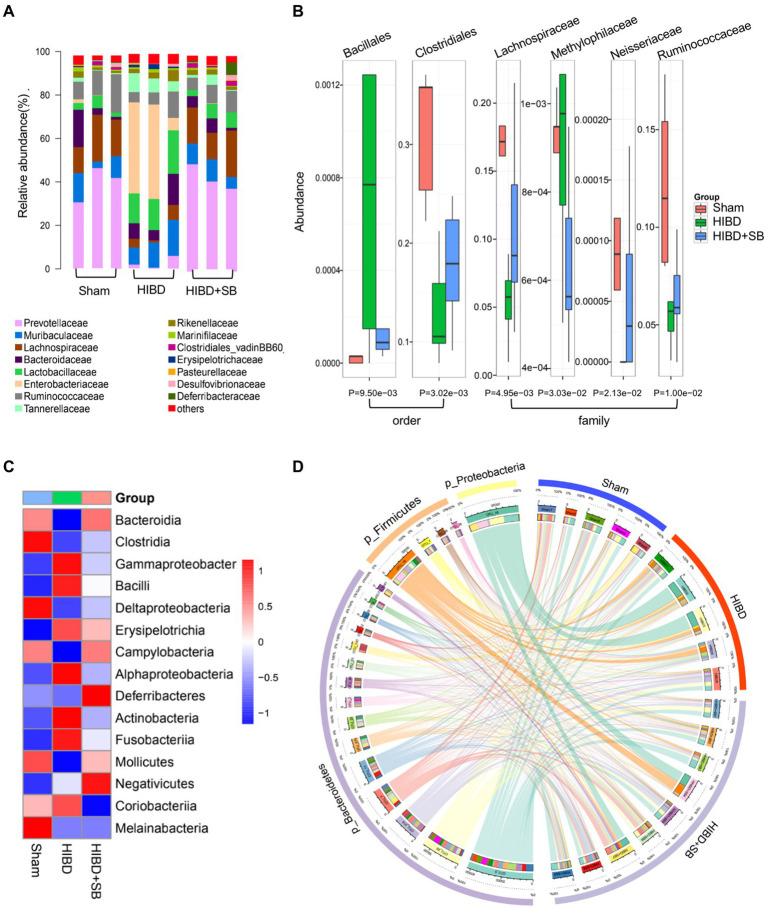
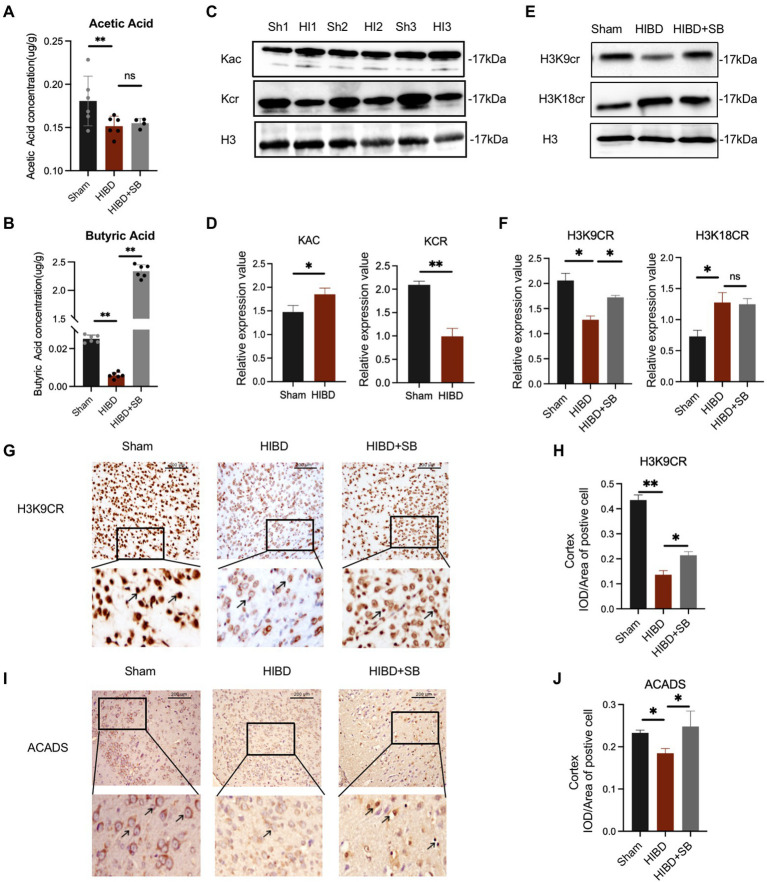
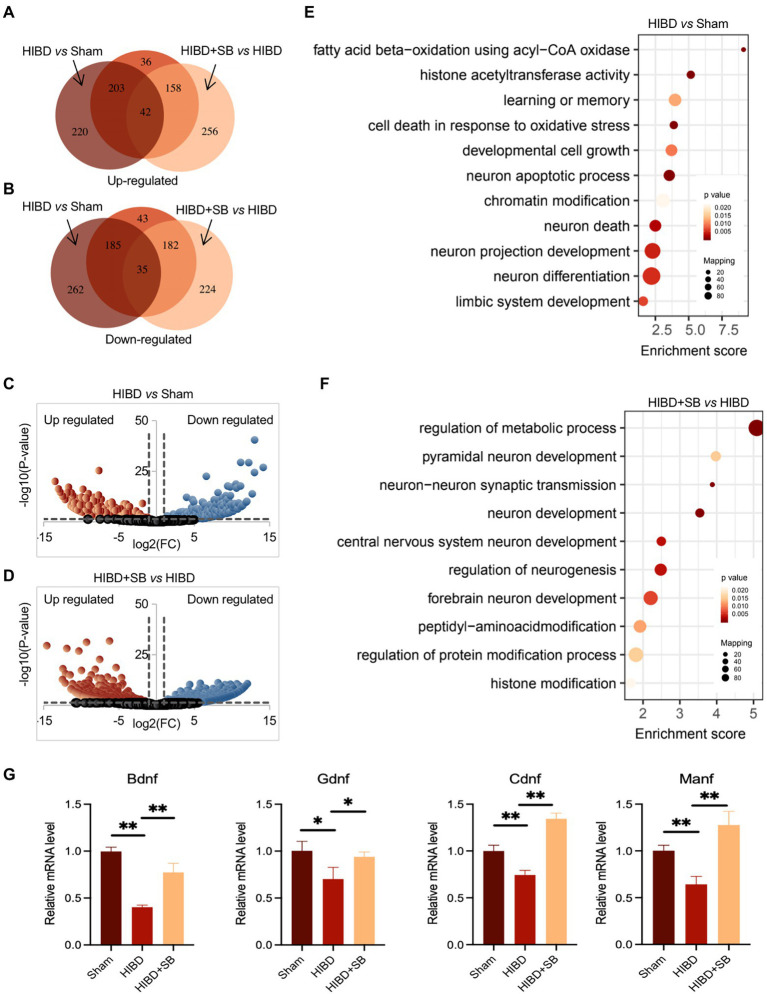
Neonatal hypoxic-ischemic encephalopathy (HIE) refers to nervous system damage caused by perinatal hypoxia, which is the major cause of long-term neuro-developmental disorders in surviving infants. However, the mechanisms still require further investigation. In this study, we found that the butanoate metabolism pathway exhibited significantly decreased and short chain fatty acid (SCFAs)-producing bacteria, especially butyrate-producing bacteria, were significantly decreased in fecal of neonatal hypoxic-ischemic brain damage (HIBD) rats. Surprisingly, Sodium butyrate (SB) treatment could ameliorate pathological damage both in the cerebral cortex and hippocampus and facilitate recovery of SCFAs-producing bacteria related to metabolic pathways in neonatal HIBD rats. Moreover, we found that in samples from SB treatment neonatal HIBD rats cortex with high levels of butyrate acid along with aberrant key crotonyl-CoA-producing enzymes ACADS levels were observed compared HIBD rats. We also demonstrated that a decrease in histone 3-lysine 9-crotonylation (H3K9cr) downregulated expression of the HIE-related neurotrophic genes , , , and in HIBD rats. Furthermore, SB restored H3K9cr binding to HIE-related neurotrophic genes. Collectively, our results indicate that SB contributes to ameliorate pathology of HIBD by altering gut microbiota and brain SCFAs levels subsequently affecting histone crotonylation-mediated neurotrophic-related genes expression. This may be a novel microbiological approach for preventing and treating HIE.
新生儿缺氧缺血性脑病(HIE)是指围产期缺氧所致的神经系统损害,是存活婴儿长期神经发育障碍的主要原因。然而,其机制仍需进一步研究。在本研究中,我们发现丁酸盐代谢途径显著降低,且新生儿缺氧缺血性脑损伤(HIBD)大鼠粪便中产生短链脂肪酸(SCFAs)的细菌,尤其是产生丁酸盐的细菌显著减少。令人惊讶的是,丁酸钠(SB)治疗可改善新生儿HIBD大鼠大脑皮层和海马体的病理损伤,并促进与代谢途径相关的产SCFAs细菌的恢复。此外,我们发现,与HIBD大鼠相比,在接受SB治疗的新生儿HIBD大鼠皮层样本中,丁酸盐水平较高,同时观察到关键的巴豆酰辅酶A生成酶ACADS水平异常。我们还证明,组蛋白3-赖氨酸9-巴豆酰化(H3K9cr)的降低下调了HIBD大鼠中与HIE相关的神经营养基因、、、和的表达。此外,SB恢复了H3K9cr与HIE相关神经营养基因的结合。总体而言,我们的结果表明,SB通过改变肠道微生物群和脑SCFAs水平,进而影响组蛋白巴豆酰化介导的神经营养相关基因表达,有助于改善HIBD的病理状况。这可能是一种预防和治疗HIE的新型微生物学方法。