Kraemer Susanne A, Barbosa da Costa Naila, Oliva Anais, Huot Yannick, Walsh David A
Aquatic Contaminants Research Division, Environment and Climate Change Canada, Montreal, QC, Canada.
Department of Microbiology and Immunology, McGill University, Montreal, QC, Canada.
Front Microbiol. 2022 Oct 6;13:995418. doi: 10.3389/fmicb.2022.995418. eCollection 2022.
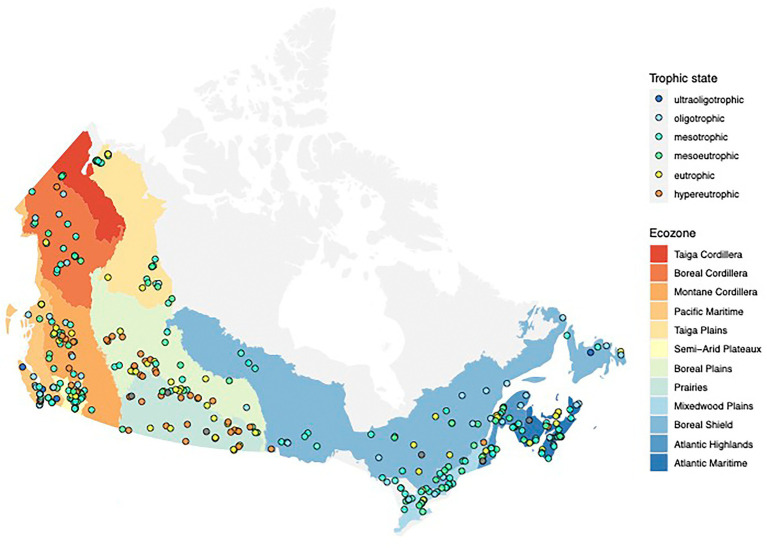
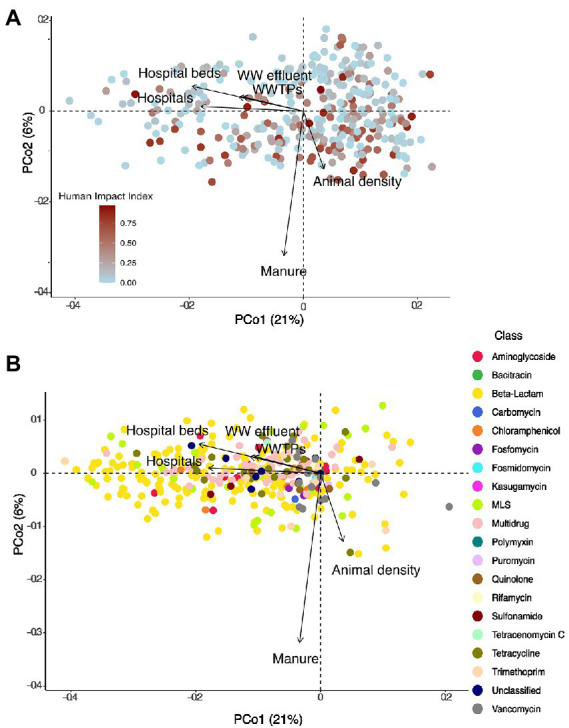
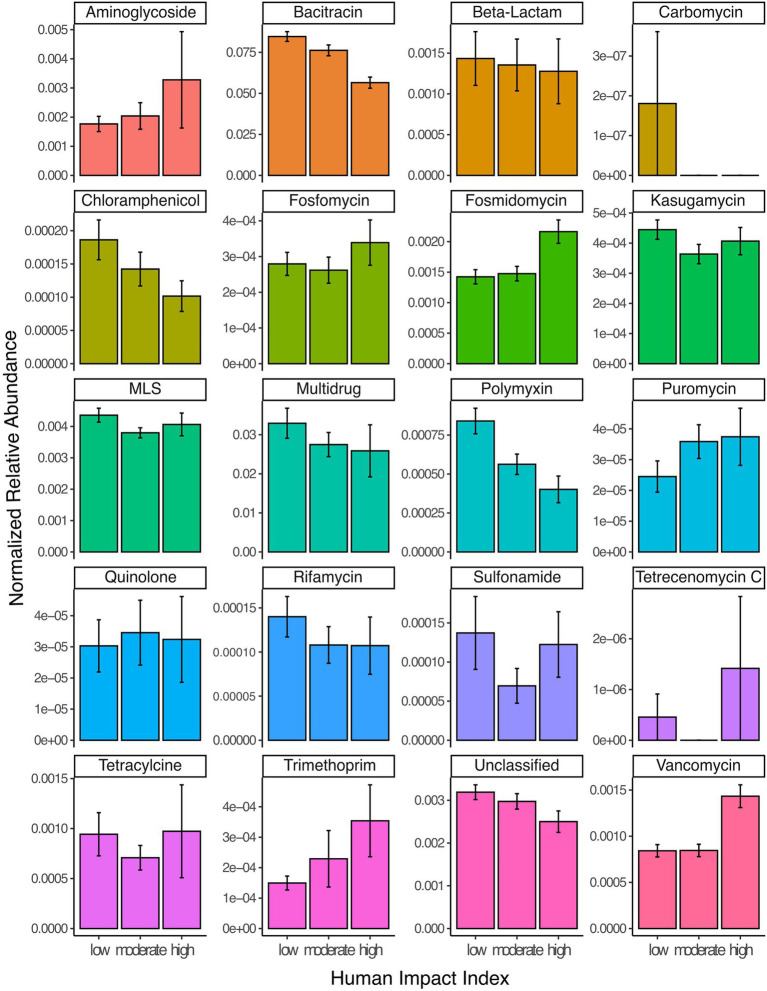
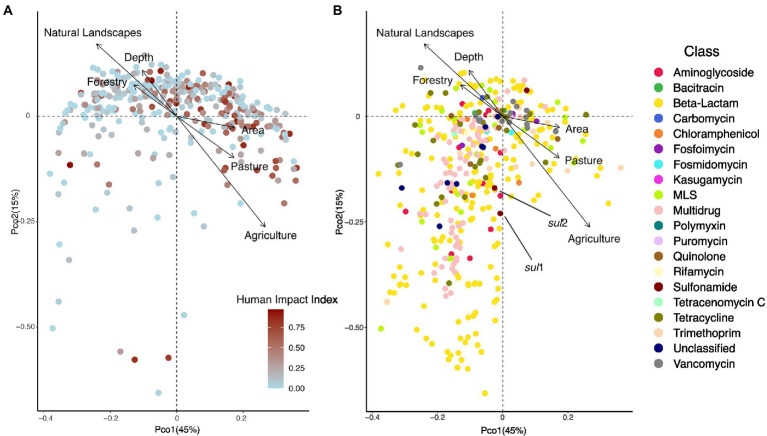
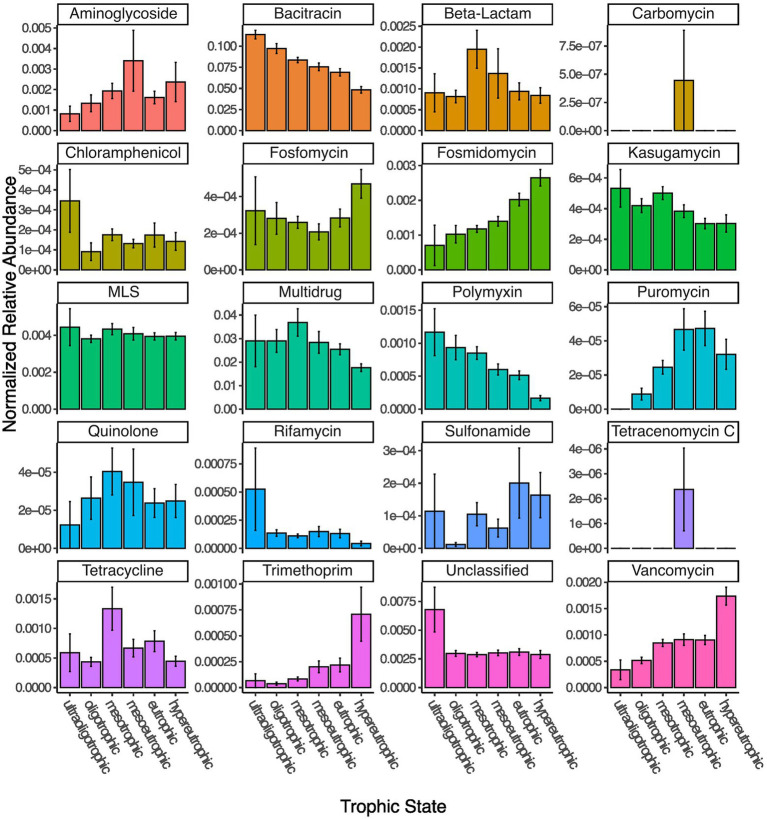
Our decreasing ability to fight bacterial infections is a major health concern. It is arising due to the evolution of antimicrobial resistance (AMR) in response to the mis- and overuse of antibiotics in both human and veterinary medicine. Lakes integrate watershed processes and thus may act as receptors and reservoirs of antibiotic resistance genes (ARGs) introduced into the watershed by human activities. The resistome - the diversity of ARGs - under varying anthropogenic watershed pressures has been previously studied either focused on few select genes or few lakes. Here, we link the resistome of ~350 lakes sampled across Canada to human watershed activity, trophic status, as well as point sources of ARG pollution including wastewater treatment plants and hospitals in the watershed. A high percentage of the resistance genes detected was either unimpacted by human activity or highly prevalent in pristine lakes, highlighting the role of AMR in microbial ecology in aquatic systems, as well as a pool of genes available for potential horizontal gene transfer to pathogenic species. Nonetheless, watershed agricultural and pasture area significantly impacted the resistome. Moreover, the number of hospitals and the population density in a watershed, the volume of wastewater entering the lake, as well as the fraction of manure applied in the watershed as fertilizer significantly impacted ARG diversity. Together, these findings indicate that lake resistomes are regularly stocked with resistance genes evolved in the context of both veterinary and human antibiotics use and represent reservoirs of ARGs that require further monitoring.
我们对抗细菌感染能力的下降是一个重大的健康问题。这是由于在人类和兽医学中抗生素的误用和过度使用导致了抗菌药物耐药性(AMR)的演变。湖泊整合了流域过程,因此可能成为人类活动引入流域的抗生素抗性基因(ARG)的受体和储存库。以前对不同人为流域压力下的抗性组——ARG的多样性——进行的研究要么集中在少数几个选定的基因上,要么集中在少数几个湖泊上。在这里,我们将加拿大各地采样的约350个湖泊的抗性组与人类流域活动、营养状态以及ARG污染的点源(包括流域内的污水处理厂和医院)联系起来。检测到的抗性基因中有很大一部分要么不受人类活动影响,要么在原始湖泊中高度普遍,这突出了AMR在水生系统微生物生态学中的作用,以及可用于潜在水平基因转移至致病物种的基因库。尽管如此,流域农业和牧场面积对抗性组有显著影响。此外,流域内医院的数量和人口密度、进入湖泊的废水量,以及作为肥料施用于流域的粪便比例,都对ARG多样性有显著影响。这些发现共同表明,湖泊抗性组经常储备在兽用和人用抗生素使用背景下进化的抗性基因,并且代表了需要进一步监测的ARG储存库。