Li Yilun, Liao Xiaomei, Ma Li
Fourth Hospital of Hebei Medical University, Shijiazhuang, China.
Front Oncol. 2022 Oct 20;12:955719. doi: 10.3389/fonc.2022.955719. eCollection 2022.
To investigate the relationship between Excision repair cross-complementation 1 (ERCC1) expression, clinicopathological features, and breast cancer prognosis in patients treated with trastuzumab. Further, we aim to explore the immune status of ERCC1 in breast cancer.
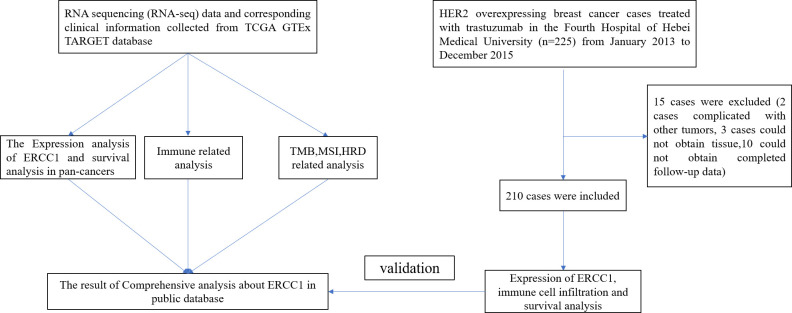
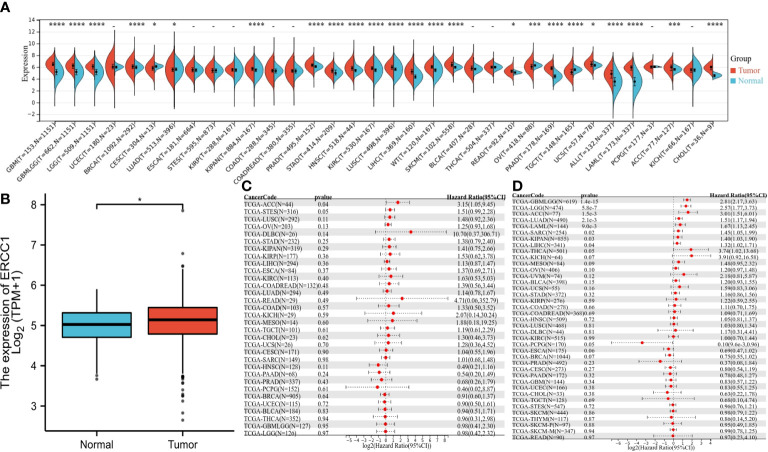
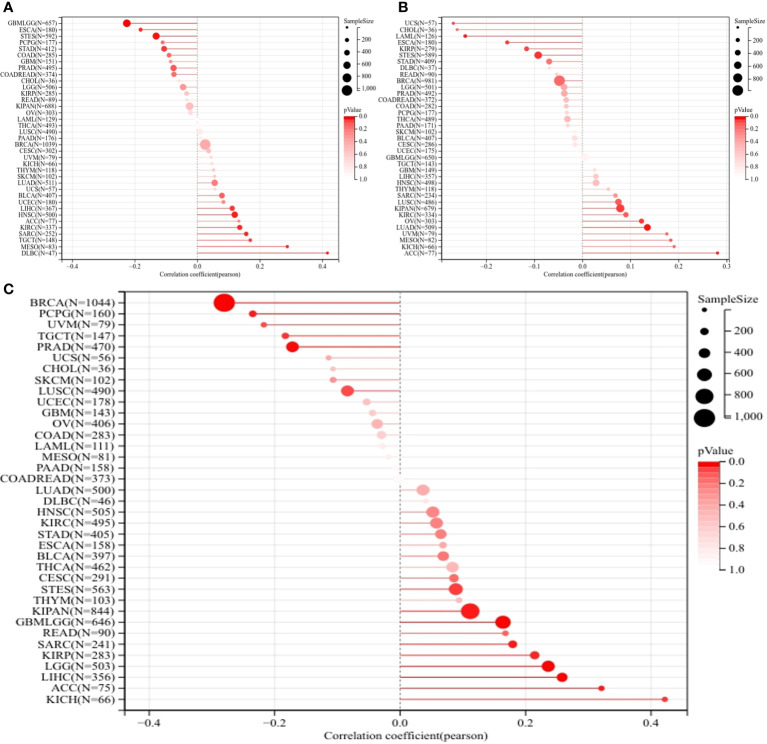
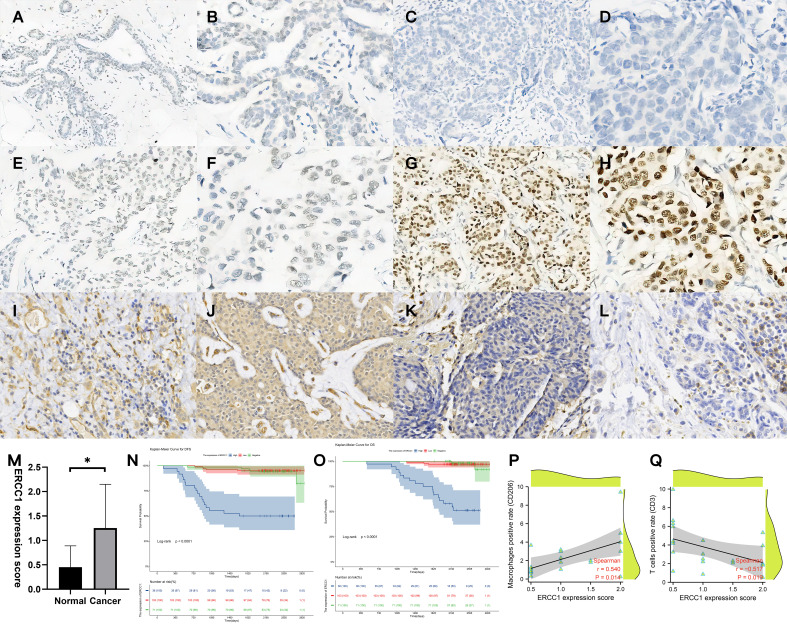
The data were retrieved from publicly available databases like the Cancer Genome Atlas, Therapeutically Applicable Research to Generate Effective Treatments, and the Genotype-Tissue Expression. The data was used to perform differential expression analyses between tumor and normal tissues in pan-cancers, immune-related analysis, homologous recombination deficiency (HRD), tumor mutation burden, and microsatellite instability. A total of 210 patients with HER2 over-expressing breast cancer from the Fourth Hospital of Hebei Medical University between January 2013 to December 2015 were enrolled in the study. Ten adjacent normal tissues were used to study the expression pattern of ERCC1 in normal tissues. Immunohistochemistry was performed to study ERCC1 expression and immune cell infiltration in different status of ERCC1 expression. Further, the correlation between ERCC1 expression, immune cell infiltration clinicopathological features, and the prognosis of patients with breast cancer was analyzed.
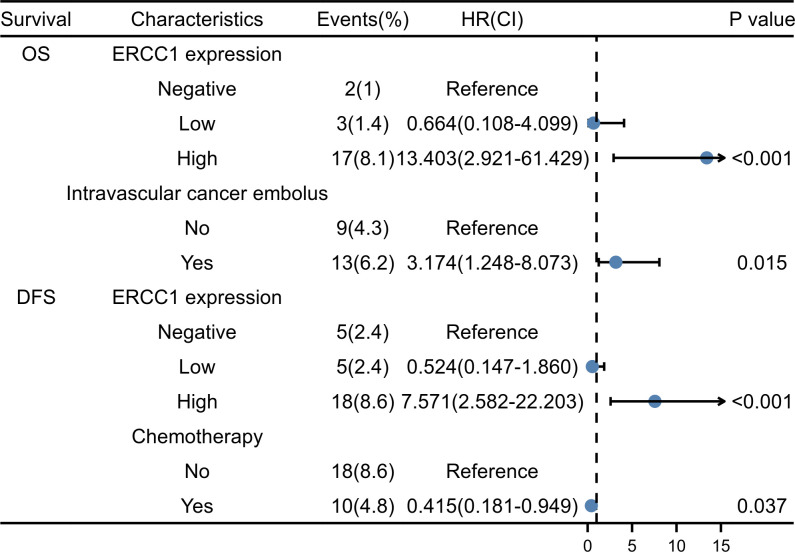
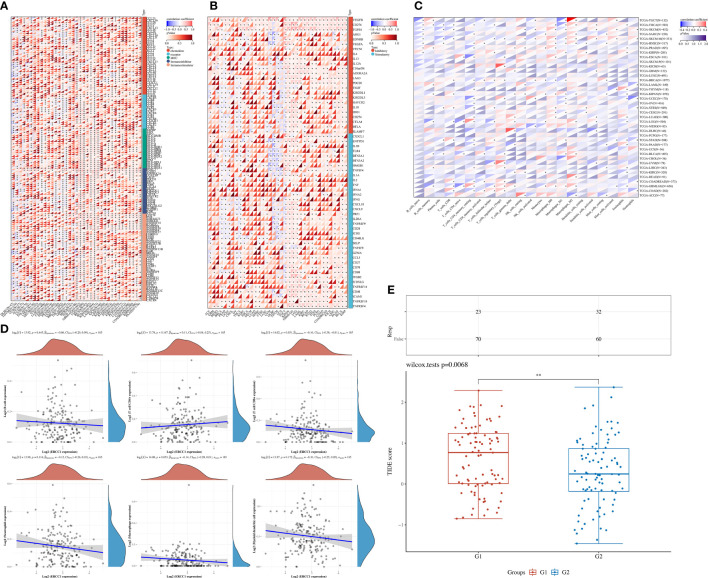
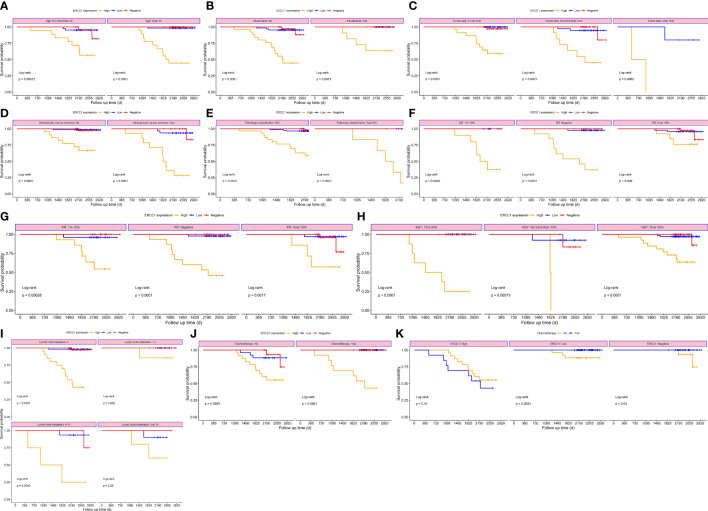
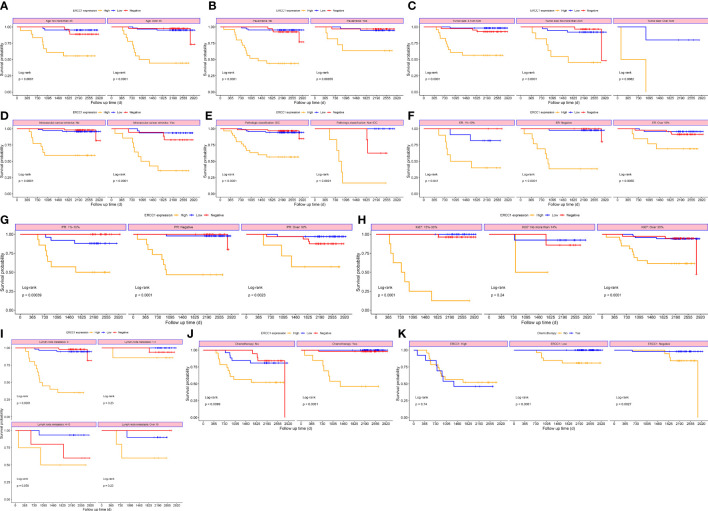
The immune analysis revealed a significant correlation between CD8+ T cell, CD4+ T cell, T helper cell, macrophages, mast cells, and ERCC1 expression. Spearman analysis show that ERCC1 expression is related to macrophages and T cells. A close correlation was observed between increased ERCC1 expression and high tumor immune dysfunction and exclusion (TIDE) score as well as HRD. The results revealed a significant correlation among ERCC1, chemotherapy and estrogen receptor (ER; P < 0.05) expression. Univariate survival analysis revealed a significant correlation (P < 0.05) between that ERCC1 and ER expression, blood vessel invasion, and disease-free survival (DFS). ERCC1 and ER expression, tumor size, blood vessel invasion, pathological type, and lymph node metastases significantly correlated (P < 0.05) with overall survival in patients. Multivariate regression analysis revealed that ERCC1 expression and chemotherapy were independent factors that influence DFS. ERCC1 expression and vascular tumor thrombus were independent influencing factors that influence OS.
A correlation was observed between high ERCC1 expression and poor patient prognosis. High ERCC1 expression also influences the efficacy of immunotherapy and chemotherapy.
探讨接受曲妥珠单抗治疗的患者中切除修复交叉互补基因1(ERCC1)表达、临床病理特征与乳腺癌预后之间的关系。此外,我们旨在探究ERCC1在乳腺癌中的免疫状态。
数据取自公开可用的数据库,如癌症基因组图谱、生成有效治疗方法的治疗应用研究数据库以及基因型-组织表达数据库。这些数据用于进行泛癌中肿瘤组织与正常组织之间的差异表达分析、免疫相关分析、同源重组缺陷(HRD)分析、肿瘤突变负荷分析以及微卫星不稳定性分析。本研究纳入了2013年1月至2015年12月期间河北医科大学第四医院的210例HER2过表达乳腺癌患者。使用10个相邻正常组织研究ERCC1在正常组织中的表达模式。进行免疫组织化学以研究ERCC1在不同表达状态下的表达及免疫细胞浸润情况。进一步分析ERCC1表达、免疫细胞浸润、临床病理特征与乳腺癌患者预后之间的相关性。
免疫分析显示CD8 + T细胞、CD4 + T细胞、辅助性T细胞、巨噬细胞、肥大细胞与ERCC1表达之间存在显著相关性。Spearman分析表明ERCC1表达与巨噬细胞和T细胞相关。观察到ERCC1表达增加与高肿瘤免疫功能障碍及排除(TIDE)评分以及HRD之间存在密切相关性。结果显示ERCC1、化疗与雌激素受体(ER;P < 0.05)表达之间存在显著相关性。单因素生存分析显示ERCC1与ER表达、血管侵犯及无病生存期(DFS)之间存在显著相关性(P < 0.05)。ERCC1与ER表达、肿瘤大小、血管侵犯、病理类型及淋巴结转移与患者总生存期显著相关(P < 0.05)。多因素回归分析显示ERCC1表达和化疗是影响DFS的独立因素。ERCC1表达和血管内肿瘤血栓是影响OS的独立影响因素。
观察到ERCC1高表达与患者预后不良之间存在相关性。ERCC1高表达还影响免疫治疗和化疗的疗效。