Liang Zhenhui, Guo Shaoqing, Dong Hongyu, Li Zhenrong, Liu Xing, Li Xin, Kang Hefei, Zhang Li, Yuan Lijing, Zhao Liangfu
Institute of Coal Chemistry, Chinese Academy of Sciences, Taiyuan030001, China.
University of Chinese Academy of Sciences, Beijing100049, China.
ACS Omega. 2022 Oct 17;7(43):38550-38560. doi: 10.1021/acsomega.2c03914. eCollection 2022 Nov 1.
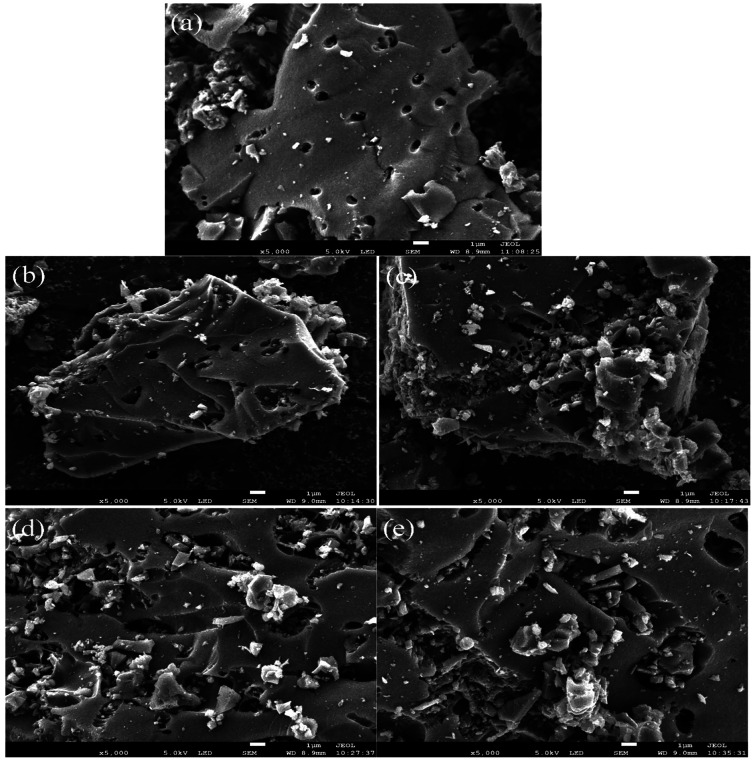
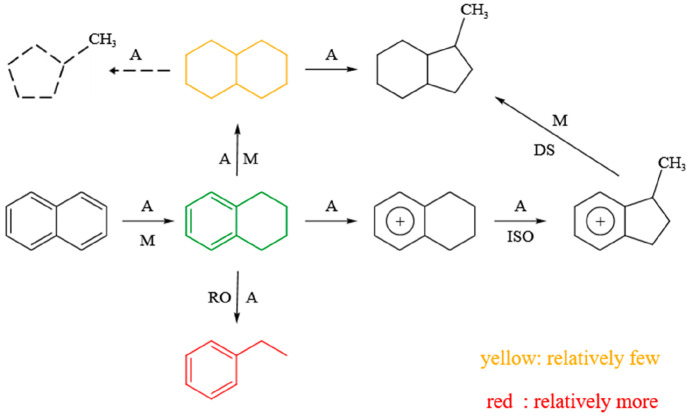
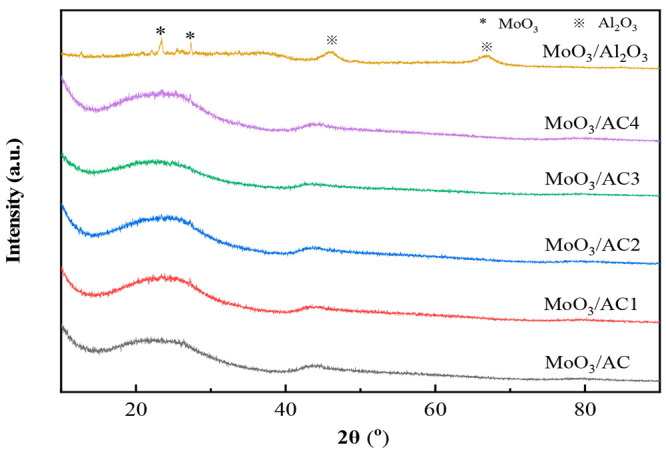
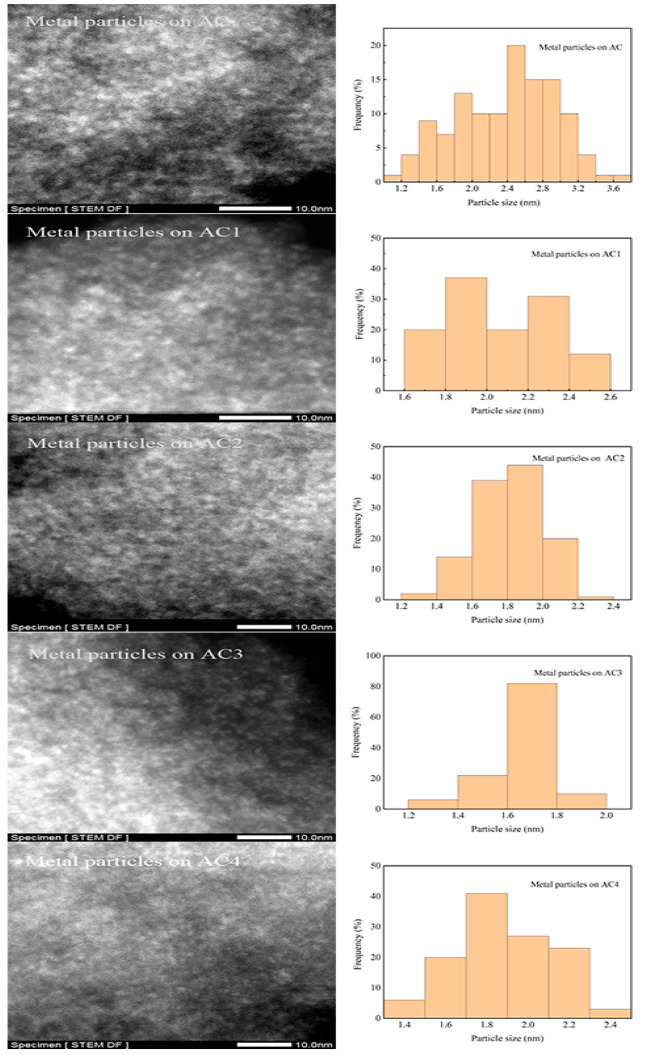
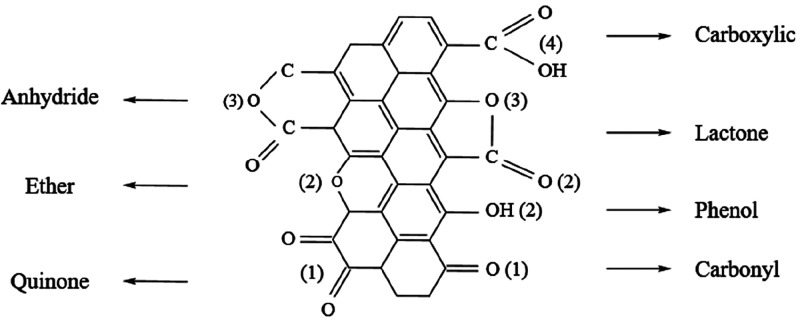
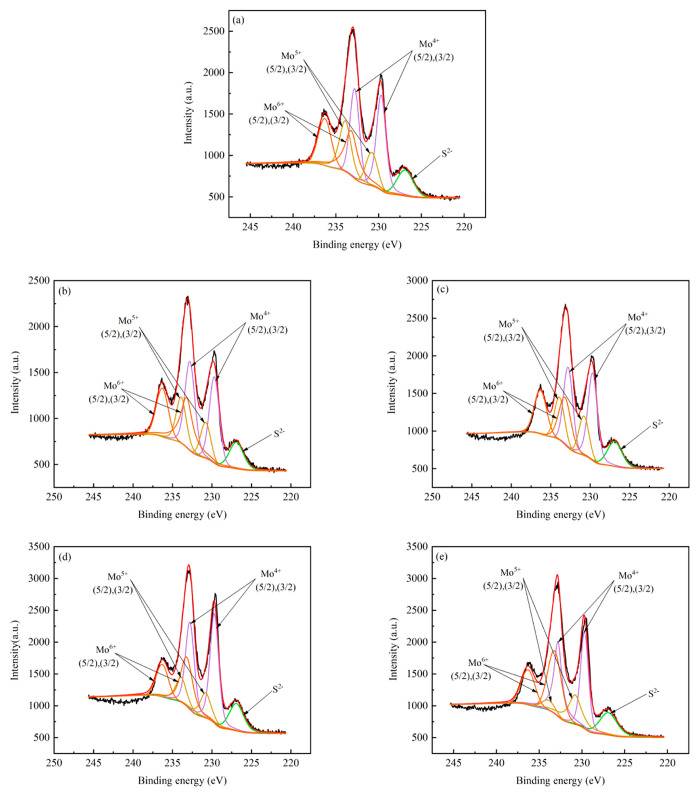
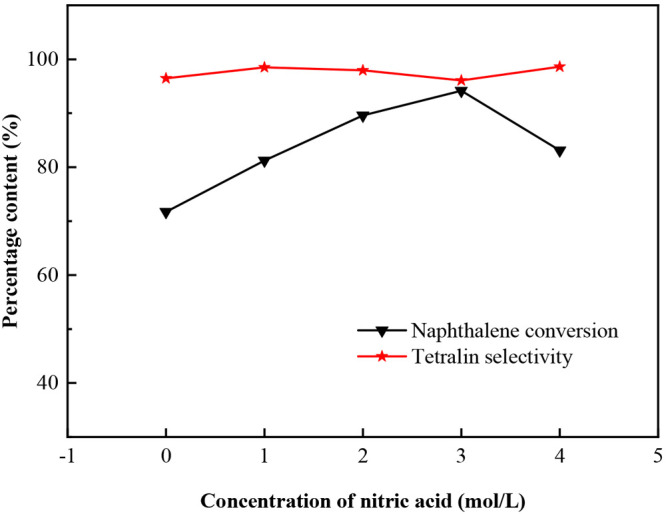
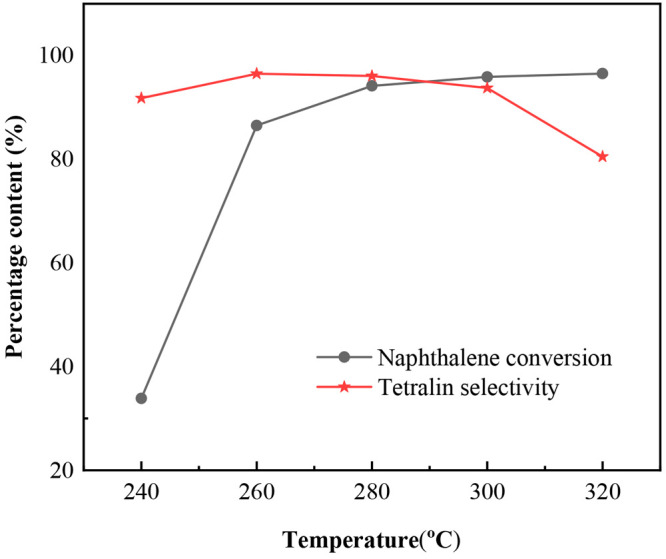
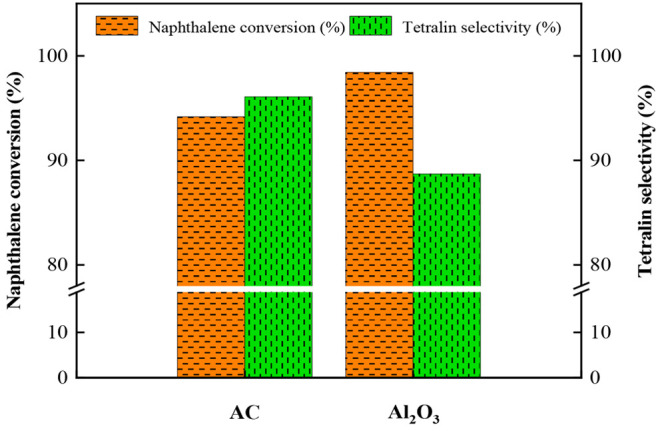
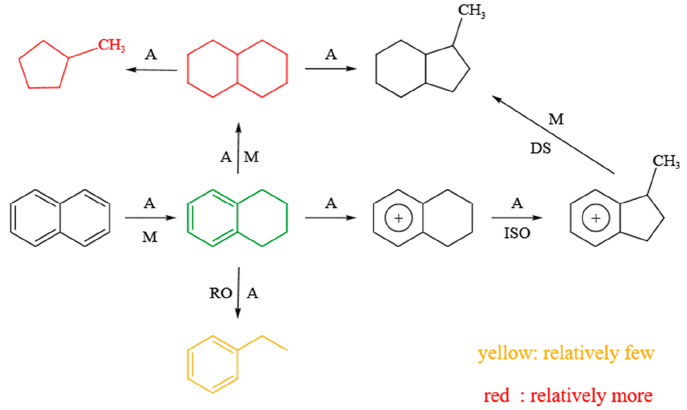
The MoS/ACx catalyst for hydrogenation of naphthalene to tetralin was prepared with untreated and modified activated carbon (ACx) as support and characterized by X-ray powder diffraction, Brunauer-Emmett-Teller, scanning electron microscopy, temperature-programmed desorption of ammonia, X-ray photoelectron spectroscopy, and scaning transmission electron microscopy. The results show that the modification of activated carbon by HNO changes the physical and chemical properties of activated carbon (AC), which mainly increases the micropore surface area of AC from 1091 to 1209 m/g, increases the micropore volume of AC from 0.444 to 0.487 cm/g, increases the oxygen-containing functional groups of AC from 5.46 to 7.52, and increases the acidity of catalysts from 365.7 to 559.2 mmol/g. The modified catalyst showed good catalytic performance, and the appropriate HNO concentration is very important for the modified of activated carbon. Among all the catalysts used in this study, the MoS/AC3 catalyst could achieve the highest yield of tetralin. It can be attributed to the moderate acidity of the catalyst, reducing the cracking of hydrogenation products. Also, the proper hydrogenation activity of MoS and the appropriate increase of oxygen-containing functional groups on the surface of modified activated carbon are beneficial to the dispersion of active components on the support, increasing the yield of tetralin. The catalytic performance of MoS/AC3 is better than that of MoS/AlO catalyst, and the two catalysts show different hydrogenation paths of naphthalene.
以未处理和改性的活性炭(ACx)为载体,制备了用于萘加氢制四氢萘的MoS/ACx催化剂,并通过X射线粉末衍射、布鲁诺尔-埃米特-泰勒法、扫描电子显微镜、氨程序升温脱附、X射线光电子能谱和扫描透射电子显微镜对其进行了表征。结果表明,用HNO对活性炭进行改性改变了活性炭(AC)的物理和化学性质,主要使AC的微孔表面积从1091增加到1209 m²/g,使AC的微孔体积从0.444增加到0.487 cm³/g,使AC的含氧官能团从5.46增加到7.52,并使催化剂的酸度从365.7增加到559.2 mmol/g。改性后的催化剂表现出良好的催化性能,合适的HNO浓度对活性炭的改性非常重要。在本研究中使用的所有催化剂中,MoS/AC3催化剂可实现四氢萘的最高产率。这可归因于催化剂的适度酸度,减少了加氢产物的裂解。此外,MoS适当的加氢活性以及改性活性炭表面含氧官能团的适当增加有利于活性组分在载体上的分散,提高了四氢萘的产率。MoS/AC3的催化性能优于MoS/Al₂O₃催化剂,且两种催化剂表现出不同的萘加氢路径。