Joint Program in Transfusion Medicine, Department of Pathology, Brigham and Women's Hospital, Harvard Medical School, Boston, Massachusetts, email:
Annu Rev Pathol. 2023 Jan 24;18:537-564. doi: 10.1146/annurev-pathol-042320-110411. Epub 2022 Nov 9.
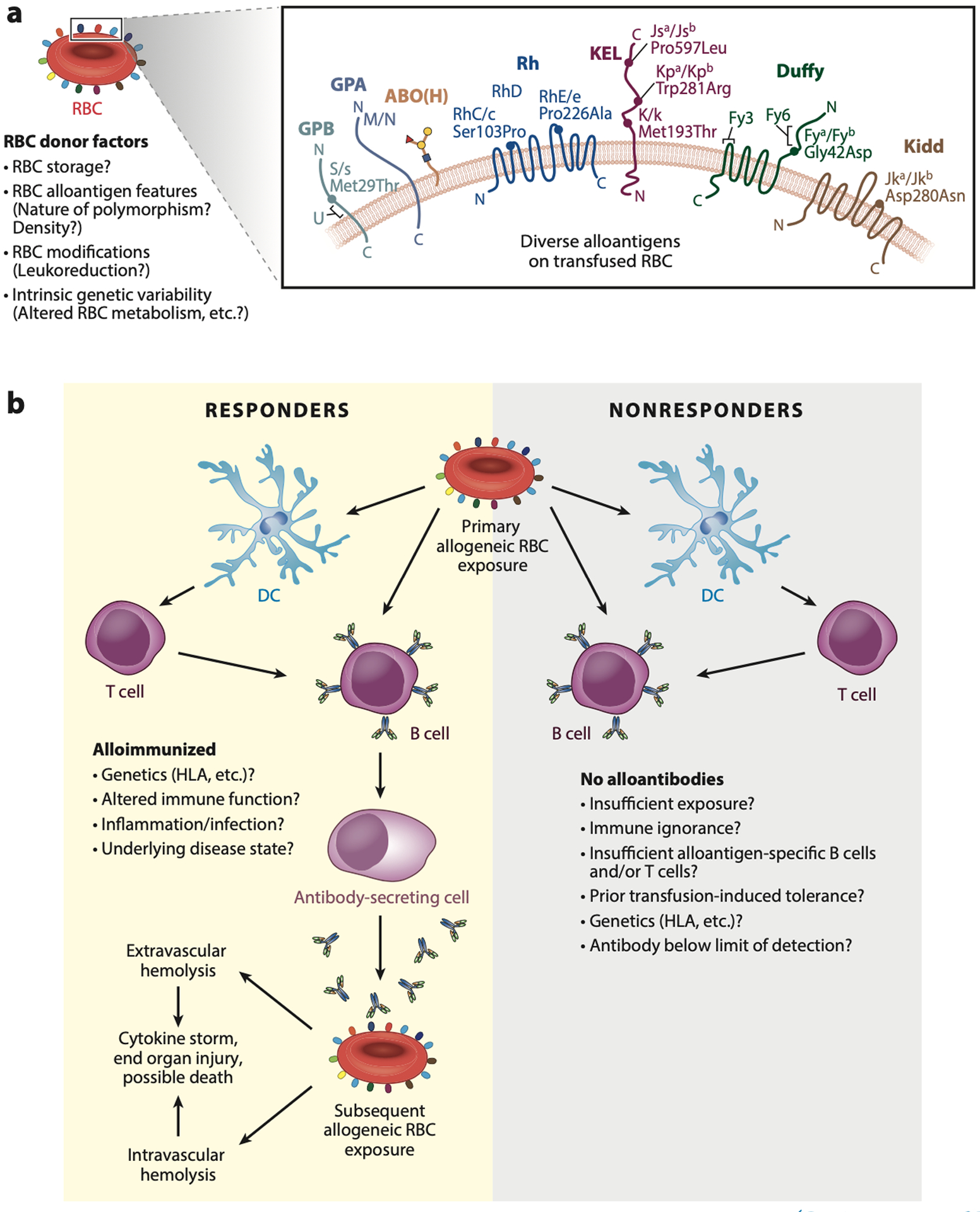
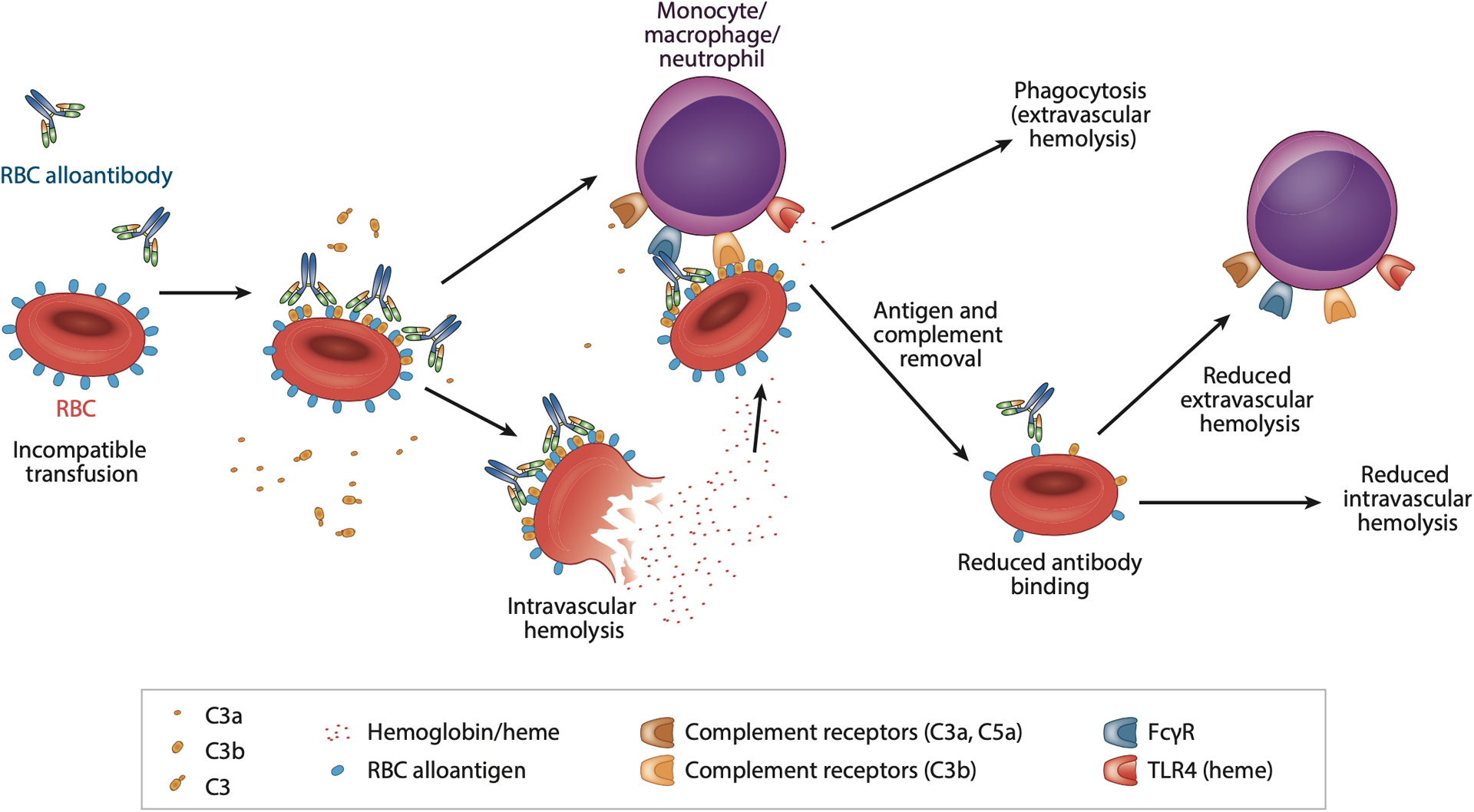
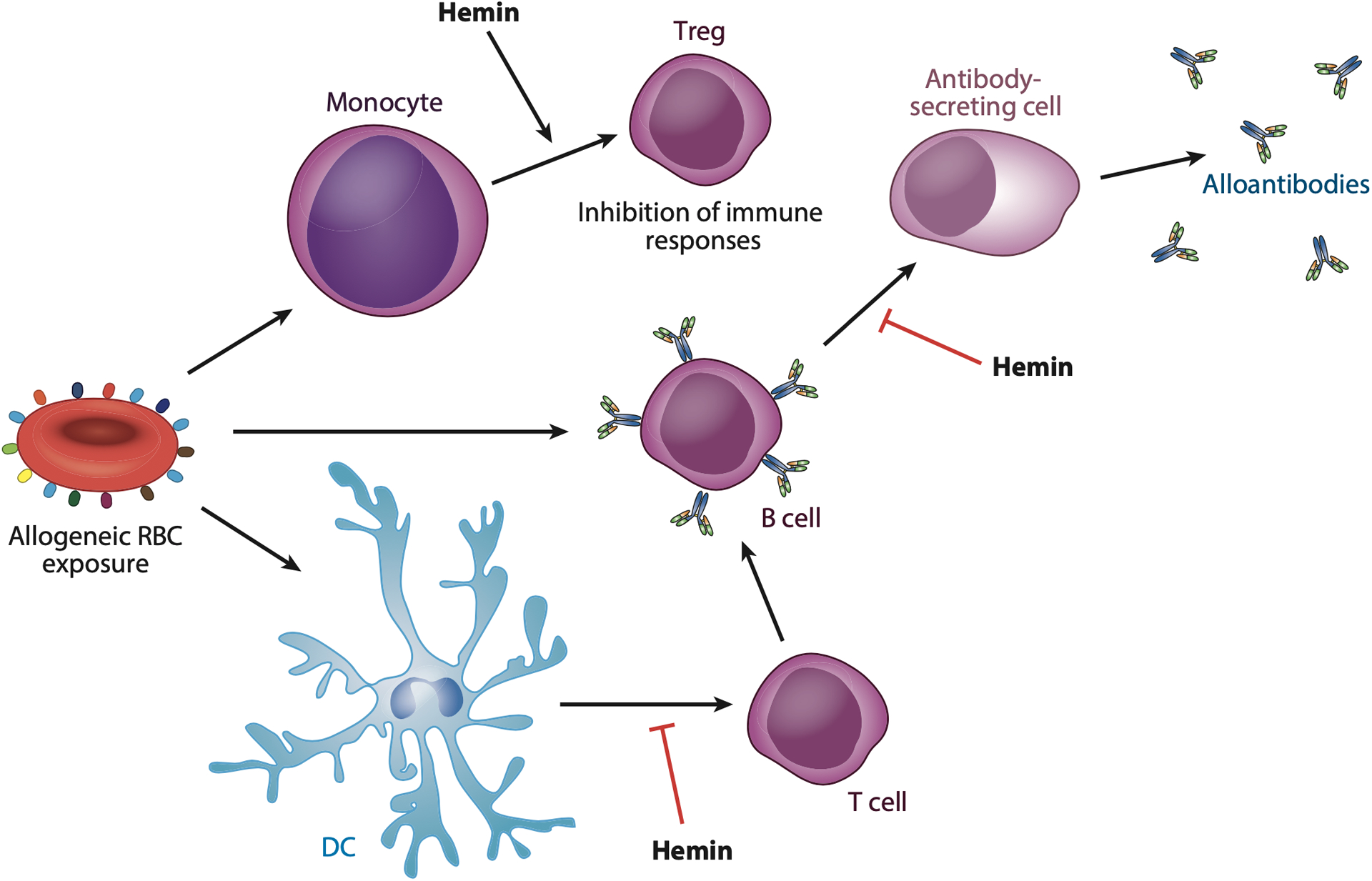
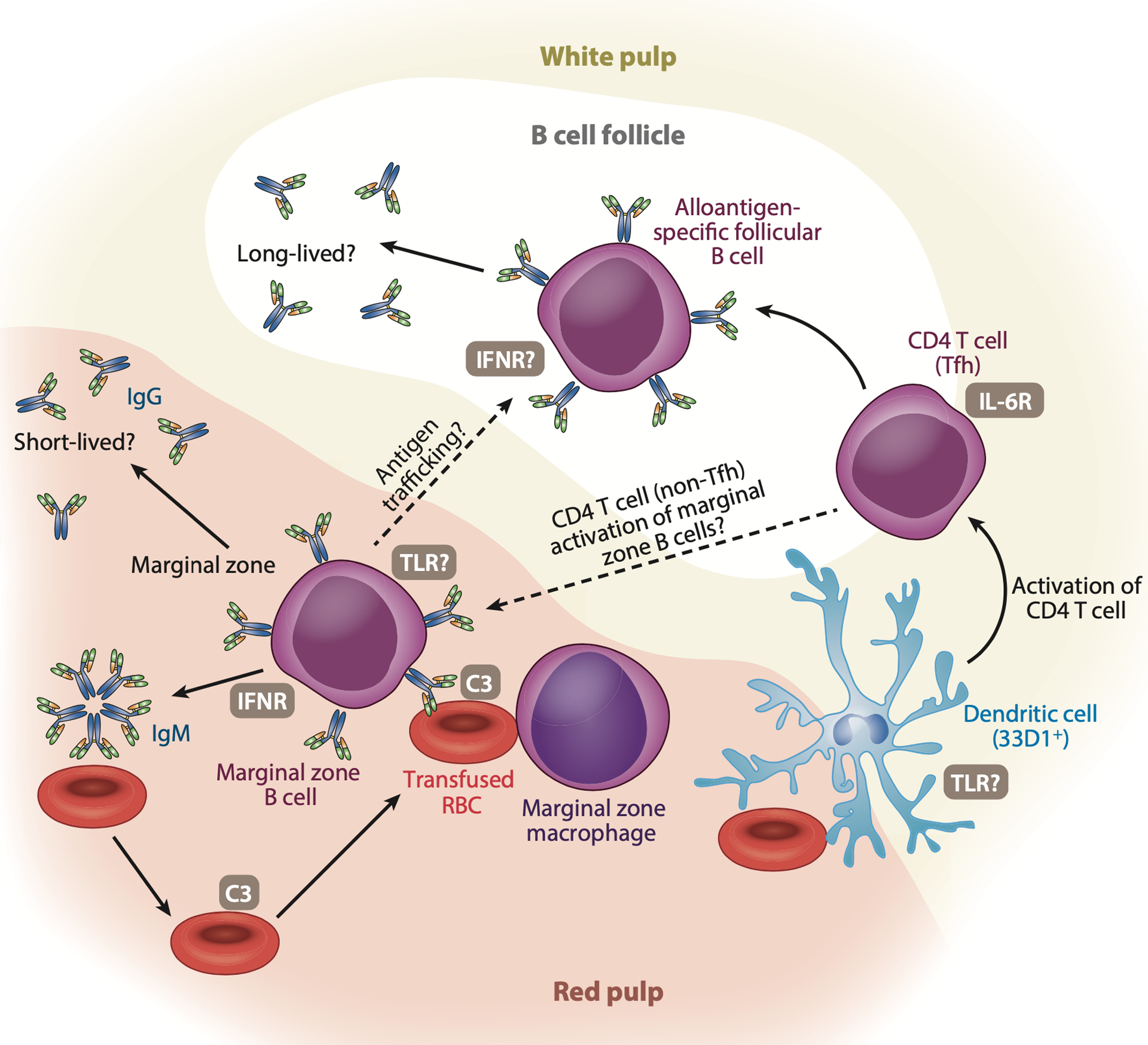
While red blood cell (RBC) transfusion is the most common medical intervention in hospitalized patients, as with any therapeutic, it is not without risk. Allogeneic RBC exposure can result in recipient alloimmunization, which can limit the availability of compatible RBCs for future transfusions and increase the risk of transfusion complications. Despite these challenges and the discovery of RBC alloantigens more than a century ago, relatively little has historically been known regarding the immune factors that regulate RBC alloantibody formation. Through recent epidemiological approaches, in vitro-based translational studies, and newly developed preclinical models, the processes that govern RBC alloimmunization have emerged as more complex and intriguing than previously appreciated. Although common alloimmunization mechanisms exist, distinct immune pathways can be engaged, depending on the target alloantigen involved. Despite this complexity, key themes are beginning to emerge that may provide promising approaches to not only actively prevent but also possibly alleviate the most severe complications of RBC alloimmunization.
虽然红细胞(RBC)输血是住院患者最常见的医疗干预措施,但与任何治疗方法一样,它并非没有风险。同种异体 RBC 暴露可导致受者同种免疫,这可能会限制未来输血时可用的相容 RBC,并增加输血并发症的风险。尽管存在这些挑战以及一个多世纪前发现 RBC 同种抗原,但在历史上,人们对调节 RBC 同种抗体形成的免疫因素知之甚少。通过最近的流行病学方法、基于体外的转化研究和新开发的临床前模型,控制 RBC 同种免疫的过程比以前认为的更加复杂和有趣。尽管存在常见的同种免疫机制,但根据涉及的靶同种抗原,不同的免疫途径可能会被激活。尽管存在这种复杂性,但开始出现一些关键主题,这些主题可能为不仅积极预防而且可能缓解 RBC 同种免疫最严重并发症提供有希望的方法。