Andresen Julian Ramin, Radmer Sebastian, Prokop Axel, Schröder Guido, Schober Hans-Christof, Andresen Reimer
Medizinische Fakultät, Sigmund Freud Privatuniversität, Freudplatz 3, 1020, Wien, Österreich.
Zentrum für Bewegungsheilkunde, Facharztpraxis für Orthopädie, Berlin, Deutschland.
Orthopadie (Heidelb). 2022 Dec;51(12):976-985. doi: 10.1007/s00132-022-04323-9. Epub 2022 Nov 9.
The objective of the present study on patients with fragility fractures of the sacrum (FFS) was to assess existing risk factors and clinical outcomes after cement sacroplasty (CSP).
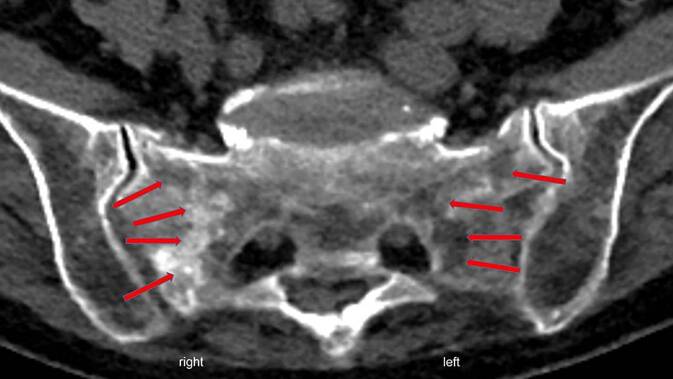
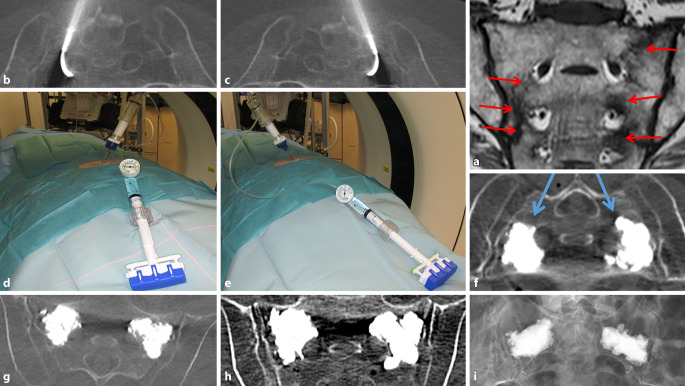
68 patients (64 women, 4 men) with previous FFS were followed up retrospectively. CT and MRI images were used to classify fractures according to Denis et al. and Rommens and Hofmann. Bone mineral content was determined by QCT in all patients. Concomitant diseases as well as central and peripheral fractures were recorded, considering the patient's medical history and X‑ray images. Vitamin D levels were also determined. If conservative therapy was unsuccessful, CSP was performed. The results were documented on the basis of pain development, physical independence, patient satisfaction, complication rate and mortality.
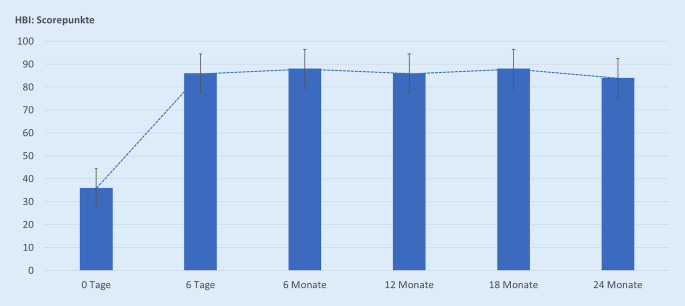
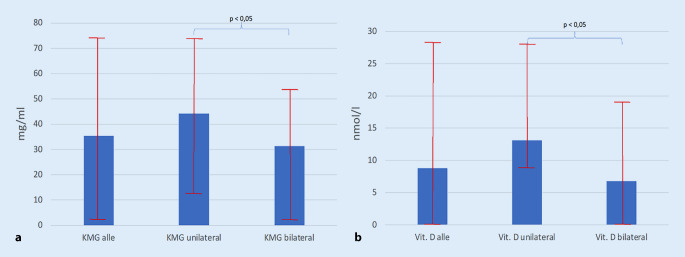
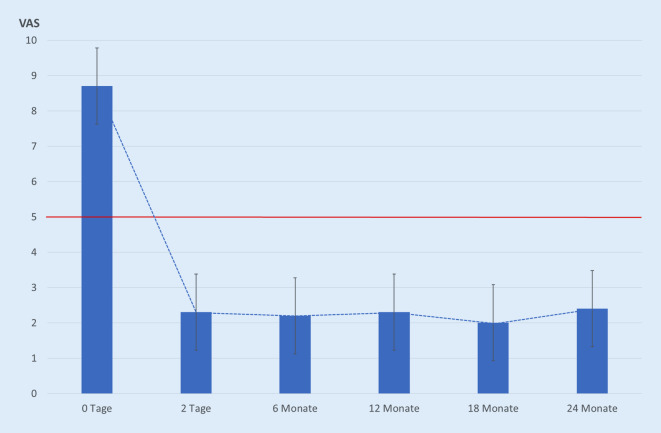
The age of the women in the study was Ø 83.2 (72-99) and that of the men Ø 77.8 (76-85) years. 42.4% had a Denis type 1, 4.2% a Denis type 2, 0% a Denis type 3, 43.3% a Denis type 1-2 and 10.1% a Denis type 1-2-3 fracture zone. FFP type II a to II c fractures were found in 88.2%, FFP type III c in 7.4% and FFP type IV b in 4.4%. Bilateral FFS were found in 68.8%. The average bone mineral content (BMC) was 35.4 (2-74) mg/ml, and the average vitamin D value was 8.8 (0-28) nmol/l. Other osteoporosis-associated fractures were found in around 50% of the patients. After CSP, patients showed a rapid and significant (p < 0.001) reduction in pain and sustained clinical improvement.
FFS fracture risk factors were found to be female gender, advanced age, existing osteoporosis and severe vitamin‑D deficiency. Patients with non-displaced FFS who could not be mobilised due to pain experienced sustained benefit from CSP.
本研究针对骶骨脆性骨折(FFS)患者的目的是评估骨水泥骶骨成形术(CSP)后的现有风险因素和临床结果。
对68例既往有FFS的患者(64例女性,4例男性)进行回顾性随访。根据Denis等人以及Rommens和Hofmann的方法,使用CT和MRI图像对骨折进行分类。所有患者均通过定量CT测定骨矿物质含量。结合患者病史和X线图像,记录伴随疾病以及中央和周围骨折情况。还测定了维生素D水平。如果保守治疗失败,则进行CSP。根据疼痛发展、身体独立性、患者满意度、并发症发生率和死亡率记录结果。
研究中女性的年龄平均为83.2岁(72 - 99岁),男性平均为77.8岁(76 - 85岁)。42.4%为Denis 1型骨折,4.2%为Denis 2型骨折,0%为Denis 3型骨折,43.3%为Denis 1 - 2型骨折,10.1%为Denis 1 - 2 - 3型骨折区域。发现88.2%为II a至II c型FFP骨折,7.4%为III c型FFP骨折,4.4%为IV b型FFP骨折。68.8%为双侧FFS。平均骨矿物质含量(BMC)为35.4(2 - 74)mg/ml,平均维生素D值为8.8(0 - 28)nmol/l。约50%的患者还存在其他与骨质疏松相关的骨折。CSP后,患者疼痛迅速且显著减轻(p < 0.001),临床持续改善。
发现FFS骨折的风险因素为女性、高龄、现有的骨质疏松症和严重的维生素D缺乏。因疼痛无法活动的无移位FFS患者从CSP中持续获益。