Department of Biochemistry and Molecular Biology, University of Bucharest, 050663 Bucharest, Romania.
"Aurel Ardelean" Institute of Life Sciences, "Vasile Goldis" Western University of Arad, 310025 Arad, Romania.
Cells. 2022 Oct 22;11(21):3338. doi: 10.3390/cells11213338.
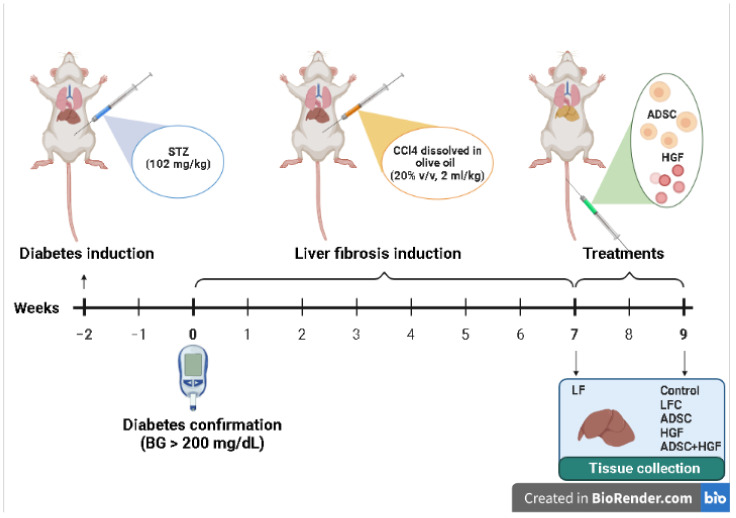
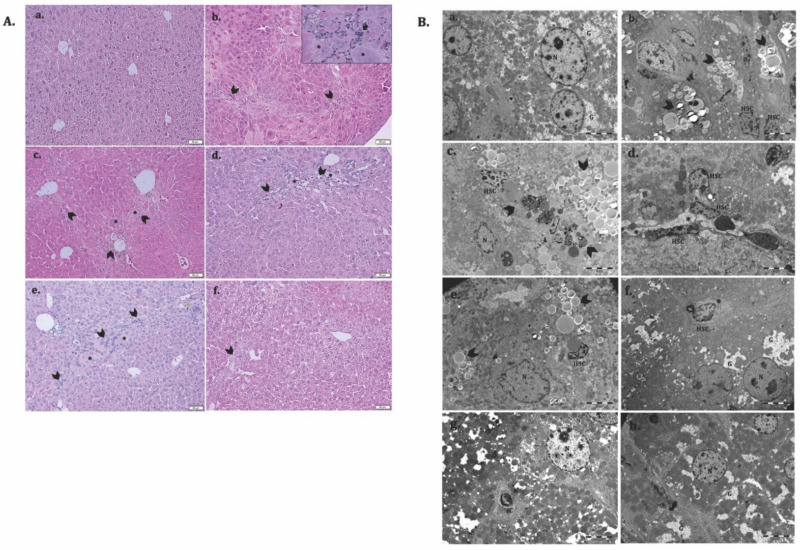
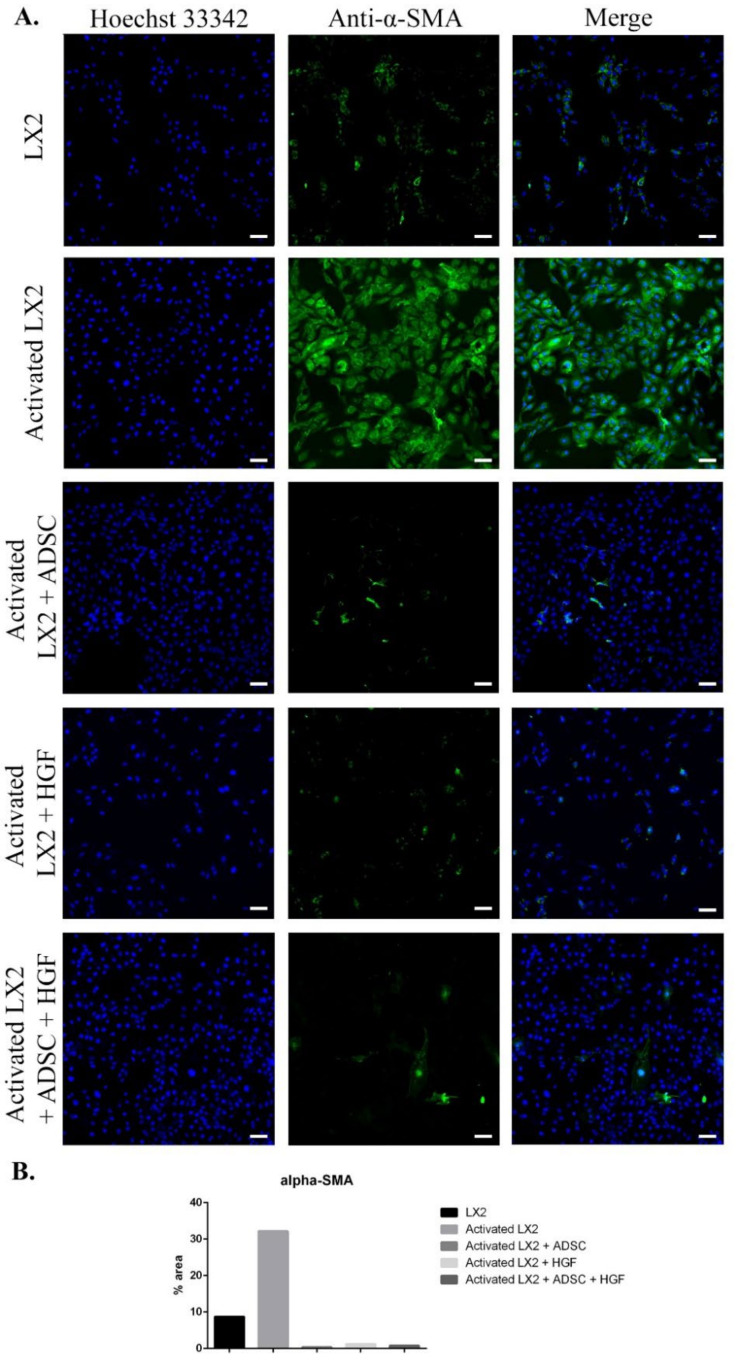
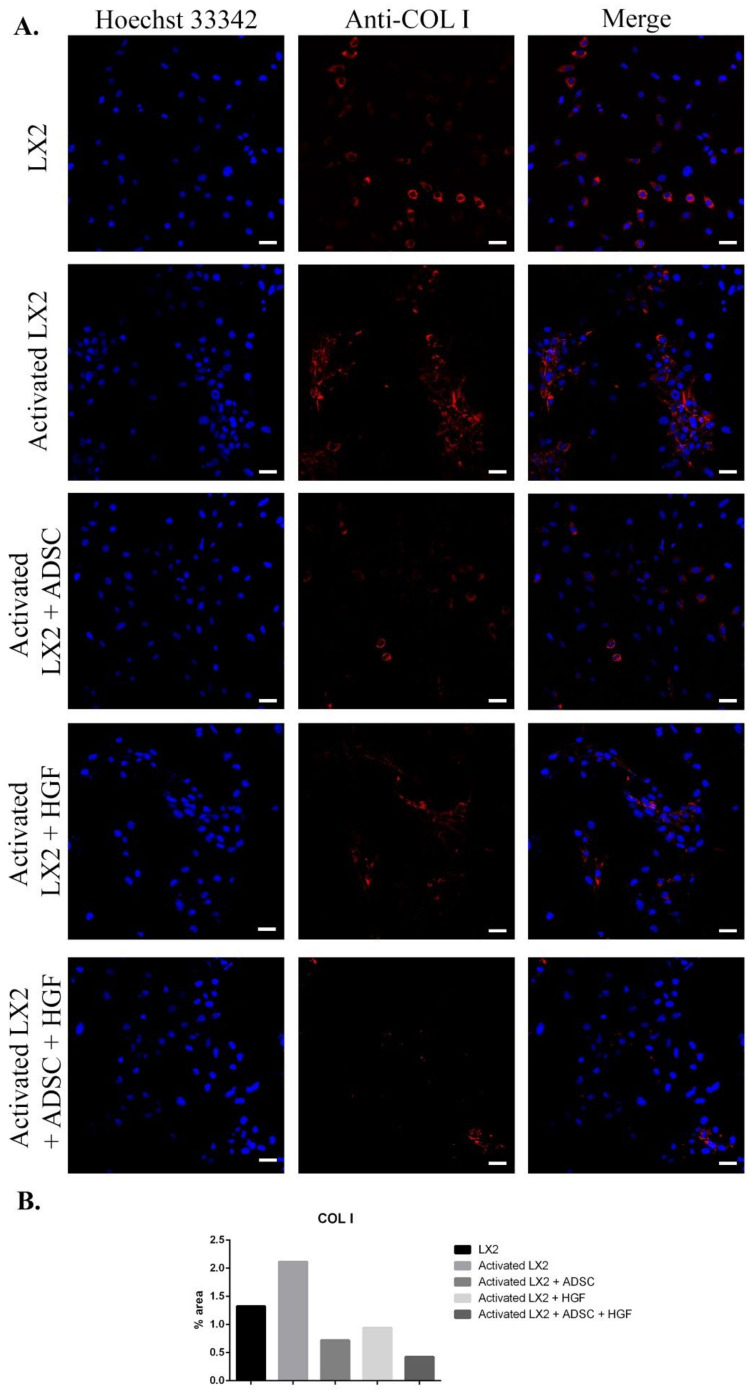
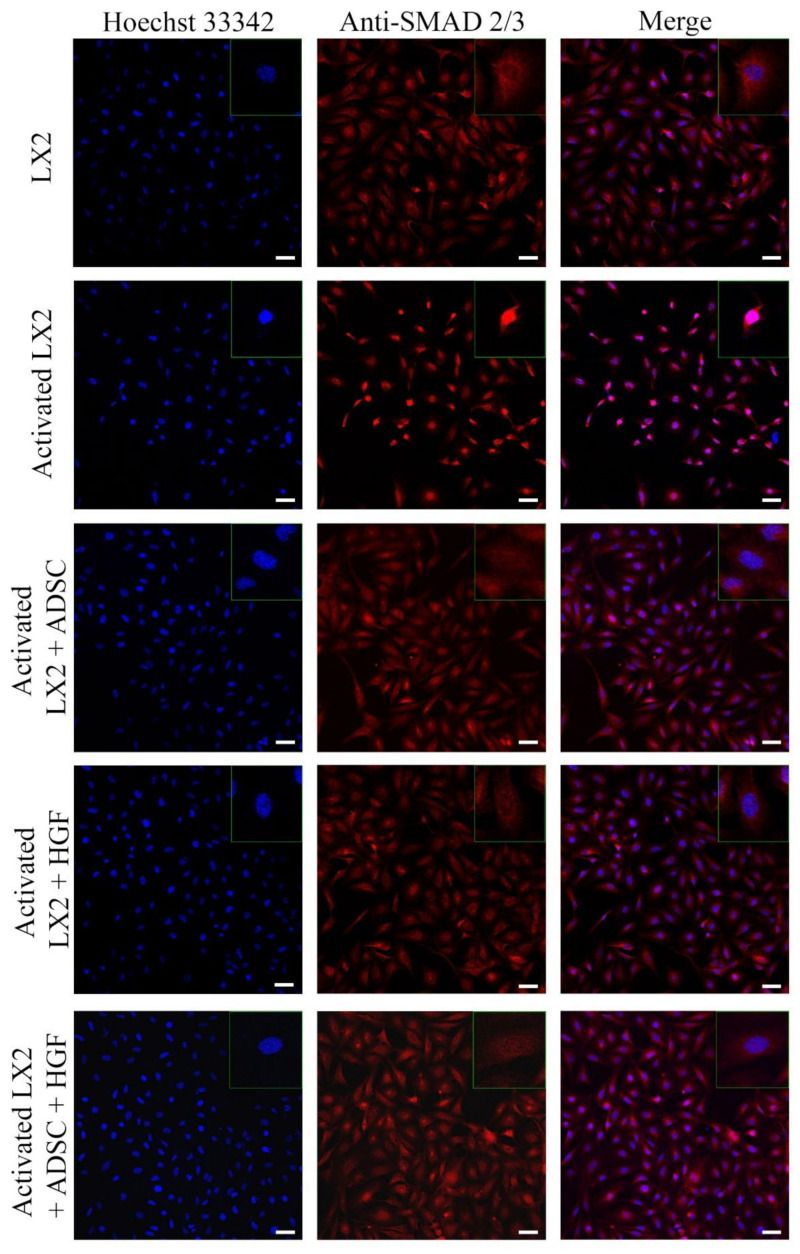
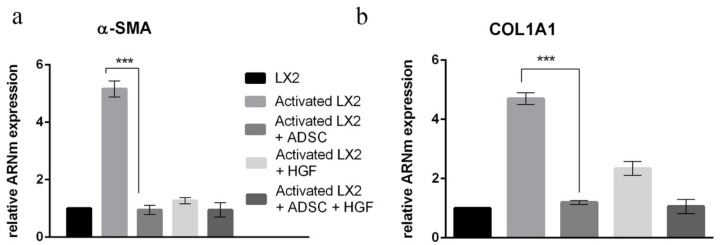
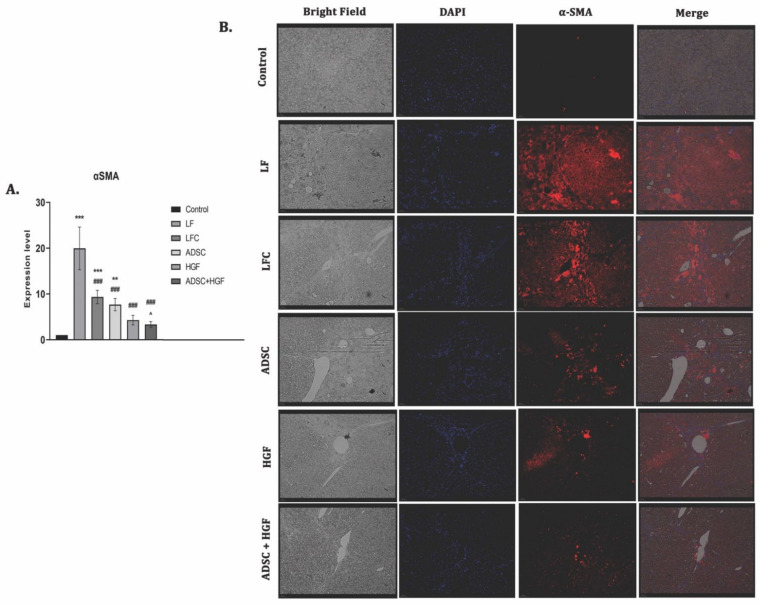
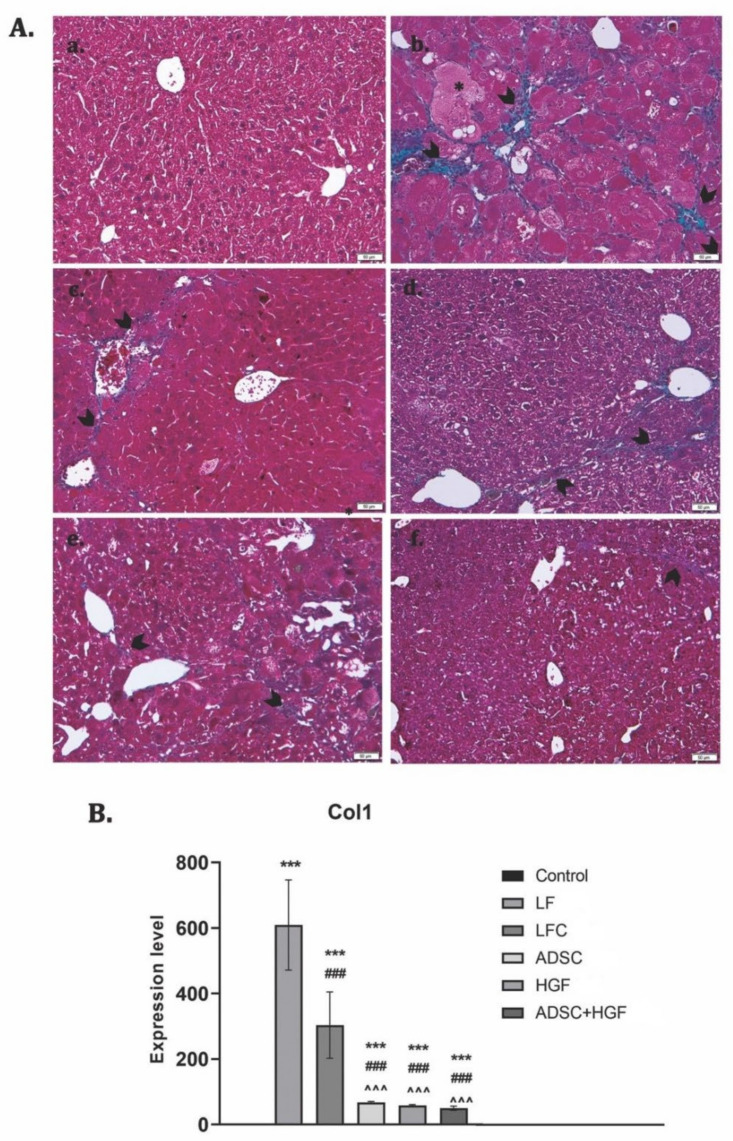
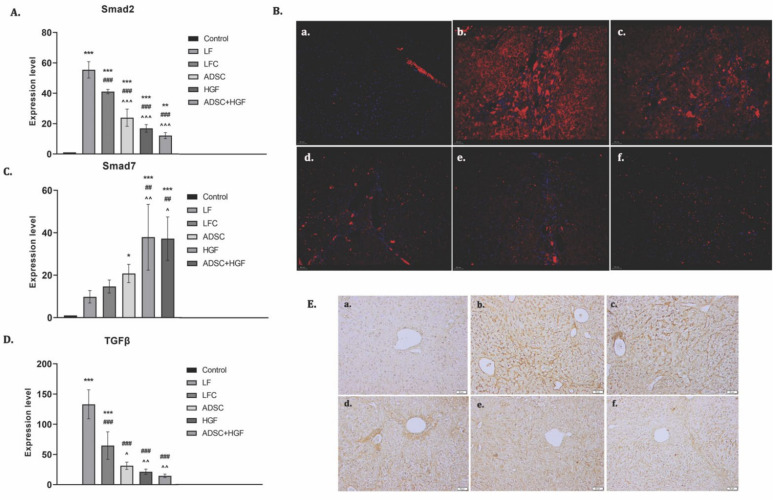
Liver fibrosis can develop on the background of hyperglycemia in diabetes mellitus. However, xenobiotic-related factors may accelerate diabetes-associated liver fibrosis. In this study, we aimed to assess the antfibrotic effect of ADSC and HGF therapy and to establish the cellular and molecular mechanisms through in vitro and in vivo experiments. In vitro, TGF-β1-activated hepatic stellate cells (HSCs) were cocultured with ADSCs or HGF, and the expression of several fibrosis markers was investigated. The antifibrotic effect of the ADSCs, HGF, and ADSCs supplemented with HGF was further assessed in vivo on diabetic mice with liver fibrosis experimentally induced. In vitro results showed the inhibition of HSC proliferation and decrease in fibrogenesis markers. Coadministration of ADSCs and HGF on diabetic mice with liver fibrosis enhanced antifibrotic effects confirmed by the downregulation of Col I, α-SMA, TGF-β1, and Smad2, while Smad7 was upregulated. Moreover, stem cell therapy supplemented with HGF considerably attenuated inflammation and microvesicular steatosis, decreased collagen deposits, and alleviated liver fibrosis. In conclusion, the HGF-based ADSC therapy might be of interest for the treatment of liver fibrosis in diabetic patients, consecutive aggression exerts by different environmental factors.
肝纤维化可在糖尿病高血糖的背景下发展。然而,外源性相关因素可能会加速与糖尿病相关的肝纤维化。在这项研究中,我们旨在评估 ADSC 和 HGF 治疗的抗纤维化作用,并通过体外和体内实验确定其细胞和分子机制。在体外,TGF-β1 激活的肝星状细胞(HSCs)与 ADSCs 或 HGF 共培养,并研究了几种纤维化标志物的表达。通过实验诱导糖尿病伴肝纤维化的小鼠体内进一步评估 ADSCs、HGF 及其补充 HGF 的抗纤维化作用。体外结果表明 HSC 的增殖受到抑制,纤维化标志物减少。在糖尿病伴肝纤维化的小鼠中联合给予 ADSCs 和 HGF,通过下调 Col I、α-SMA、TGF-β1 和 Smad2,同时上调 Smad7,证实了抗纤维化作用增强。此外,补充 HGF 的干细胞治疗可显著减轻炎症和微泡脂肪变性,减少胶原沉积,并缓解肝纤维化。总之,基于 HGF 的 ADSC 治疗可能对治疗糖尿病患者的肝纤维化有意义,因为外源性因素的连续侵袭会导致这种疾病。