Central Laboratory of Advanced Diagnosis and Biomedical Research (CLADIBIOR), AUOP Paolo Giaccone, 90127 Palermo, Italy.
Department of Biomedicine, Neuroscience and Advanced Diagnosis (BIND), University of Palermo, 90127 Palermo, Italy.
Cells. 2022 Oct 31;11(21):3449. doi: 10.3390/cells11213449.
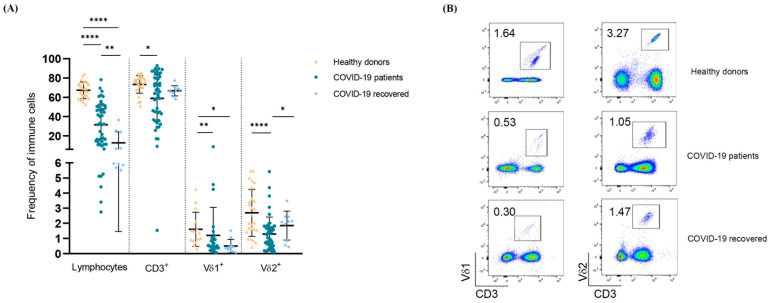
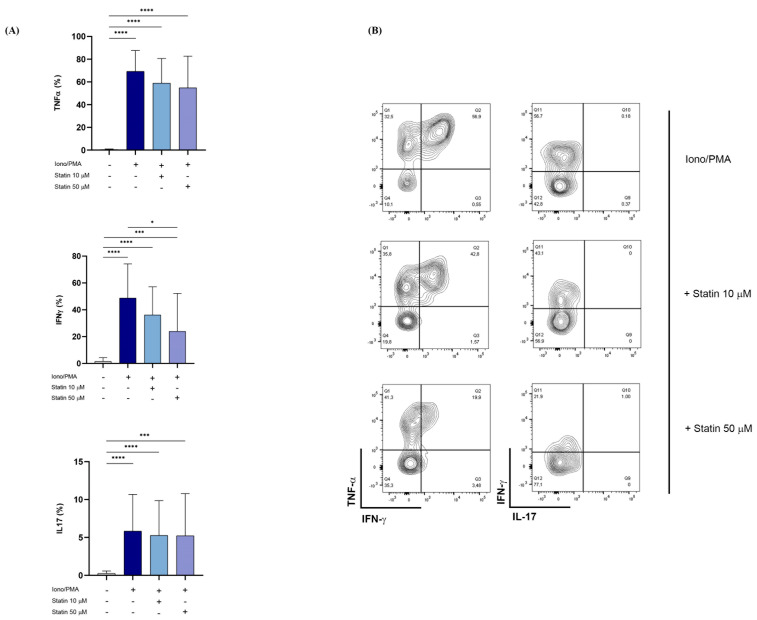
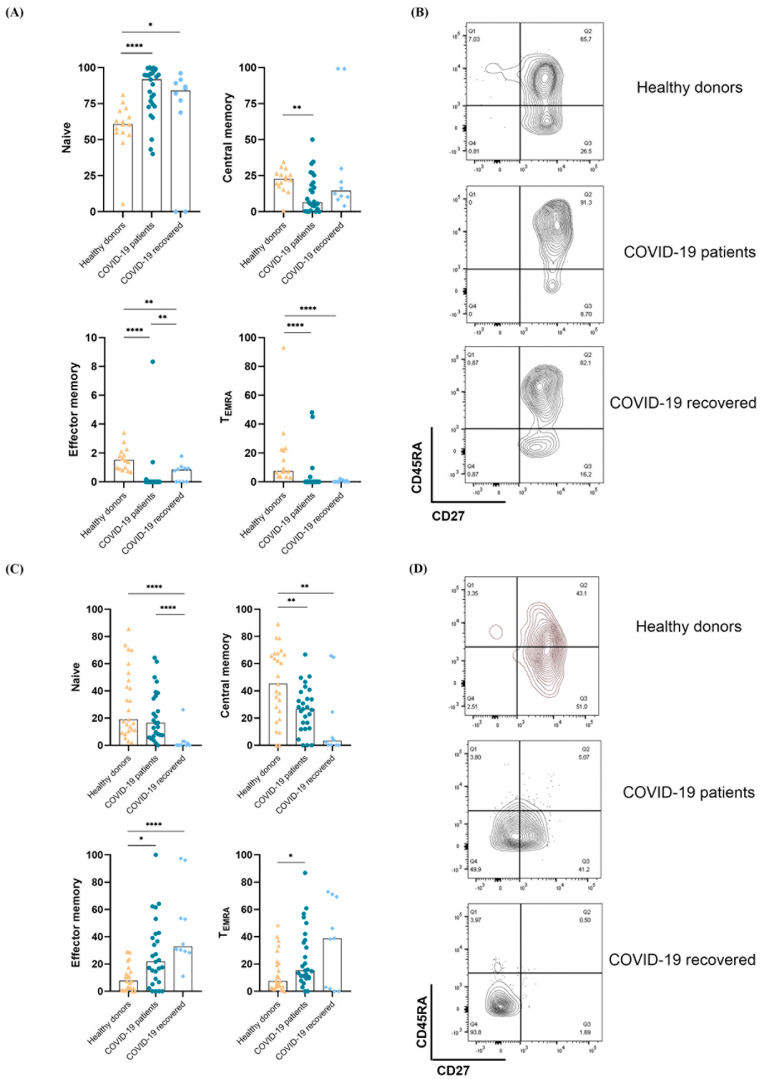
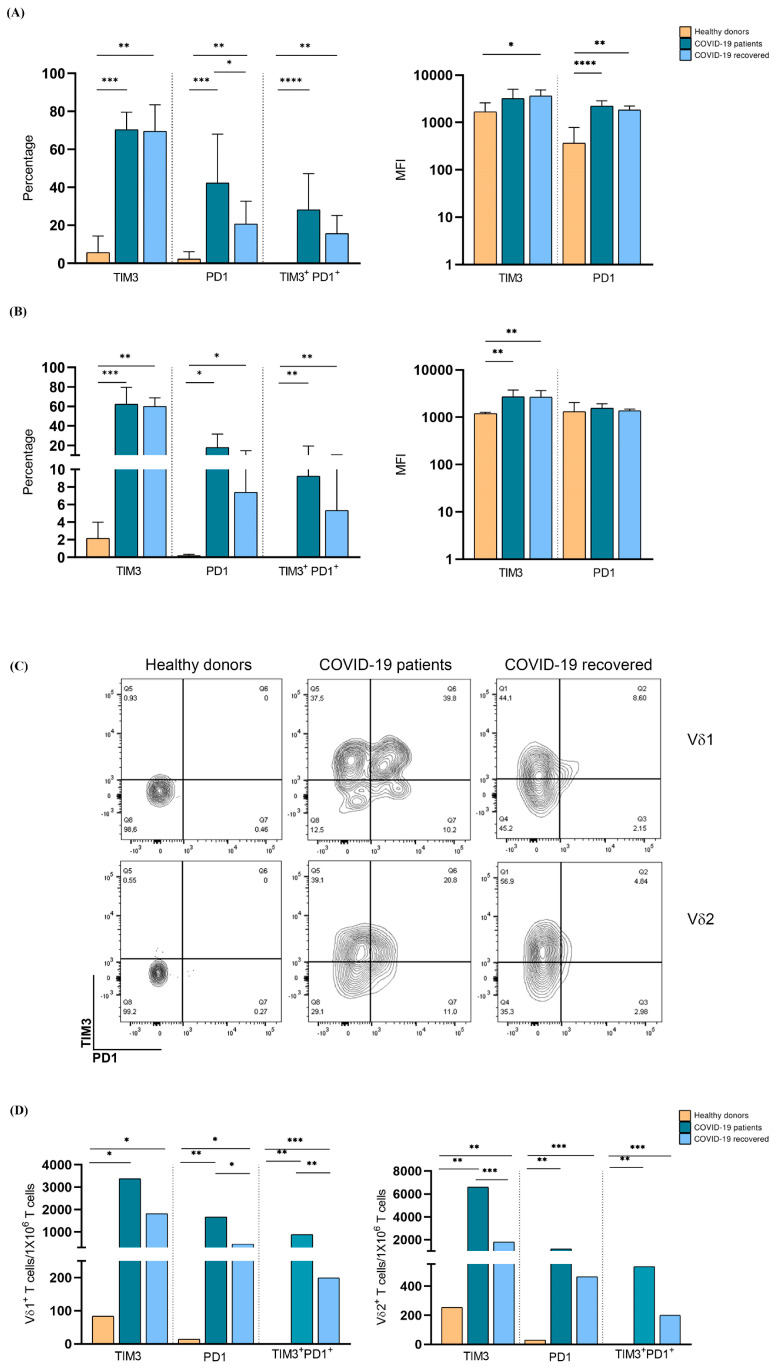
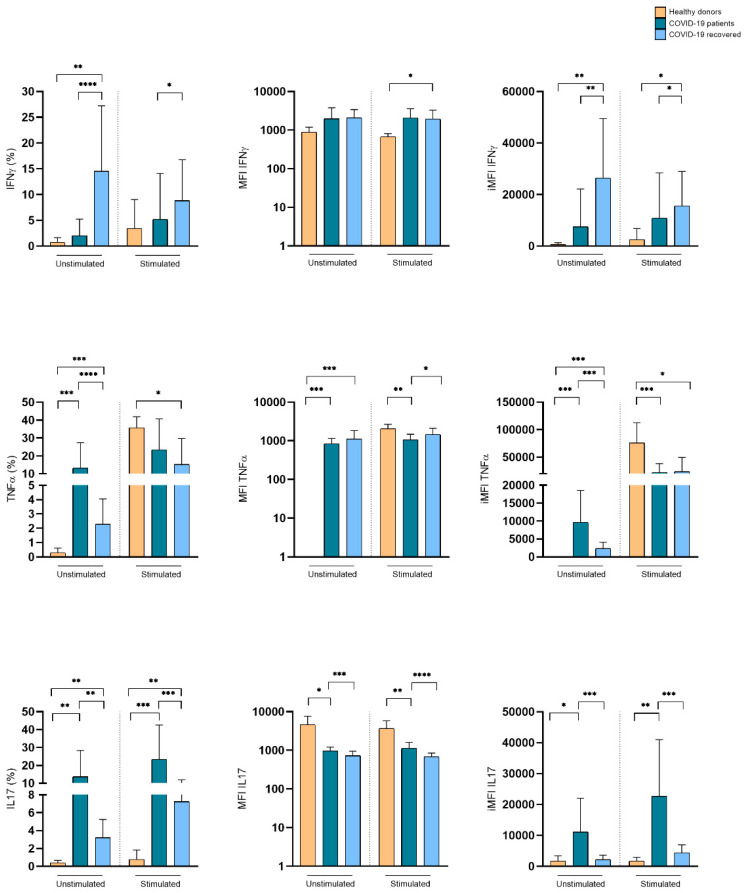
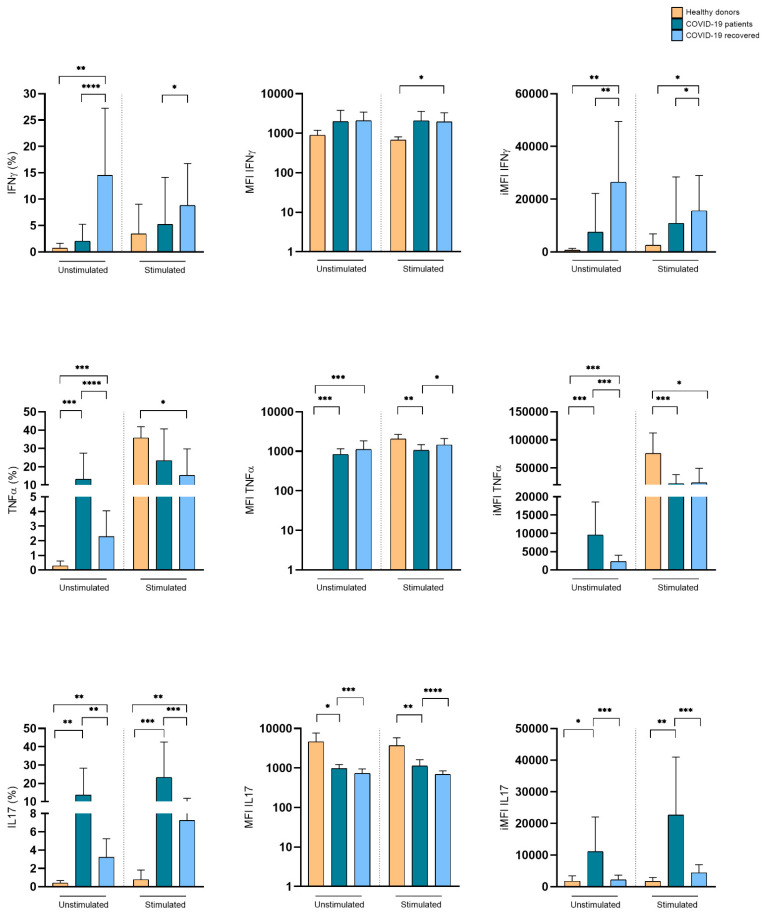
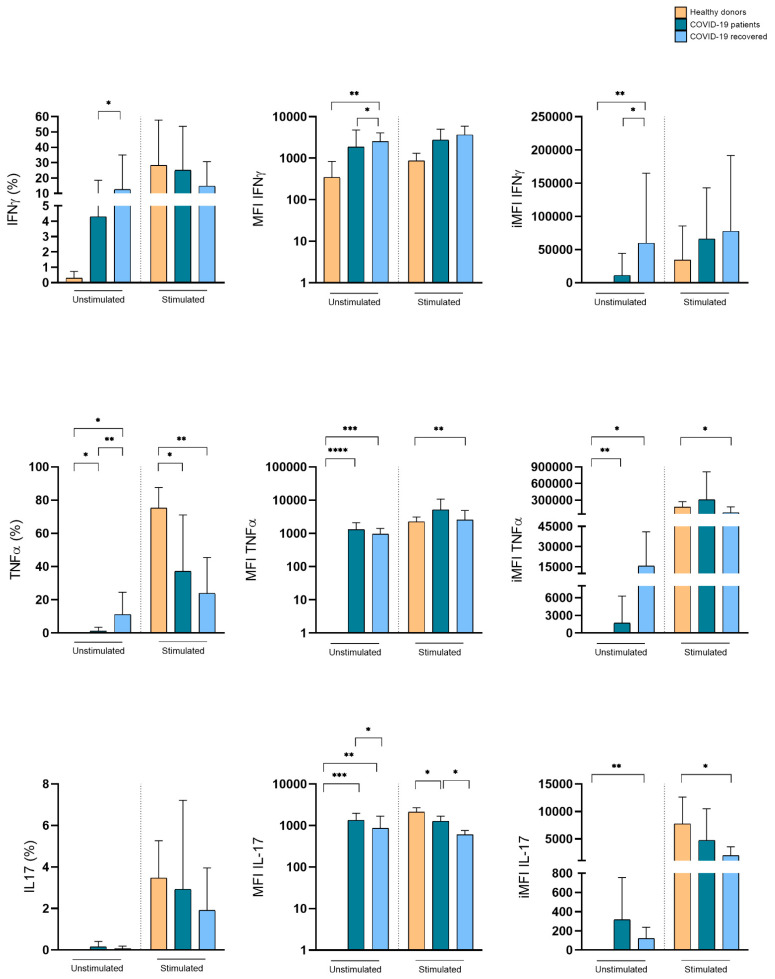
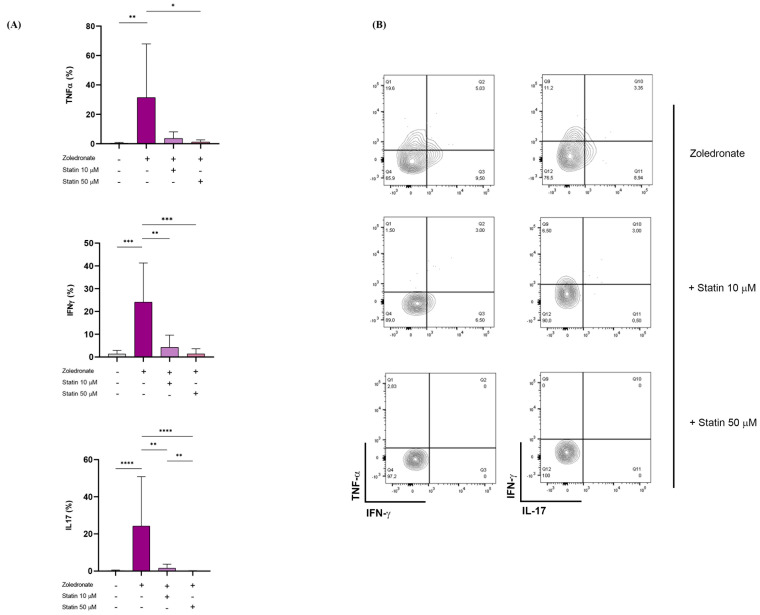
(1) Background: statins have been considered an attractive class of drugs in the pharmacological setting of COVID-19 due to their pleiotropic properties and their use correlates with decreased mortality in hospitalized COVID-19 patients. Furthermore, it is well known that statins, which block the mevalonate pathway, affect γδ T lymphocyte activation. As γδ T cells participate in the inflammatory process of COVID-19, we have investigated the therapeutical potential of statins as a tool to inhibit γδ T cell pro-inflammatory activities; (2) Methods: we harvested peripheral blood mononuclear cells (PBMCs) from COVID-19 patients with mild clinical manifestations, COVID-19 recovered patients, and healthy controls. We performed ex vivo flow cytometry analysis to study γδ T cell frequency, phenotype, and exhaustion status. PBMCs were treated with Atorvastatin followed by non-specific and specific stimulation, to evaluate the expression of pro-inflammatory cytokines; (3) Results: COVID-19 patients had a lower frequency of circulating Vδ2+ T lymphocytes but showed a pronounced pro-inflammatory profile, which was inhibited by in vitro treatment with statins; (4) Conclusions: the in vitro capacity of statins to inhibit Vδ2+ T lymphocytes in COVID-19 patients highlights a new potential biological function of these drugs and supports their therapeutical use in these patients.
(1)背景:由于他汀类药物具有多种作用,且其在住院 COVID-19 患者中的应用与死亡率降低相关,因此在 COVID-19 的药理学治疗中,他汀类药物被认为是一种有吸引力的药物类别。此外,众所周知,他汀类药物可阻断甲羟戊酸途径,从而影响γδ T 淋巴细胞的激活。由于 γδ T 细胞参与 COVID-19 的炎症过程,我们研究了他汀类药物作为抑制 γδ T 细胞促炎活性的治疗工具的潜力;(2)方法:我们从具有轻度临床表现的 COVID-19 患者、COVID-19 康复患者和健康对照者中采集外周血单核细胞(PBMC)。我们进行了体外流式细胞术分析,以研究 γδ T 细胞的频率、表型和耗竭状态。我们用阿托伐他汀处理 PBMC,然后进行非特异性和特异性刺激,以评估促炎细胞因子的表达;(3)结果:COVID-19 患者循环 Vδ2+ T 淋巴细胞的频率较低,但表现出明显的促炎表型,这种表型可被体外他汀类药物治疗抑制;(4)结论:他汀类药物在 COVID-19 患者中体外抑制 Vδ2+ T 淋巴细胞的能力突显了这些药物的新的潜在生物学功能,并支持在这些患者中使用这些药物进行治疗。