Marković Svetislav, Lazić Vukić, Arsić Dušan, Nikolić Ružica R, Ivković Djordje, Ulewicz Robert, Bokuvka Otakar
Faculty of Technical Sciences Čačak, University of Kragujevac, 32000 Čačak, Serbia.
Faculty of Engineering, University of Kragujevac, 34000 Kragujevac, Serbia.
Materials (Basel). 2022 Nov 4;15(21):7795. doi: 10.3390/ma15217795.
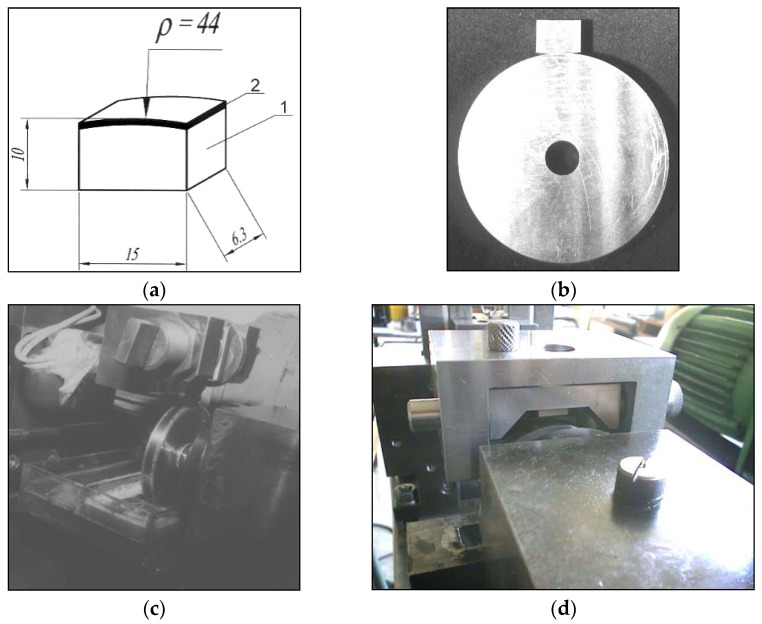
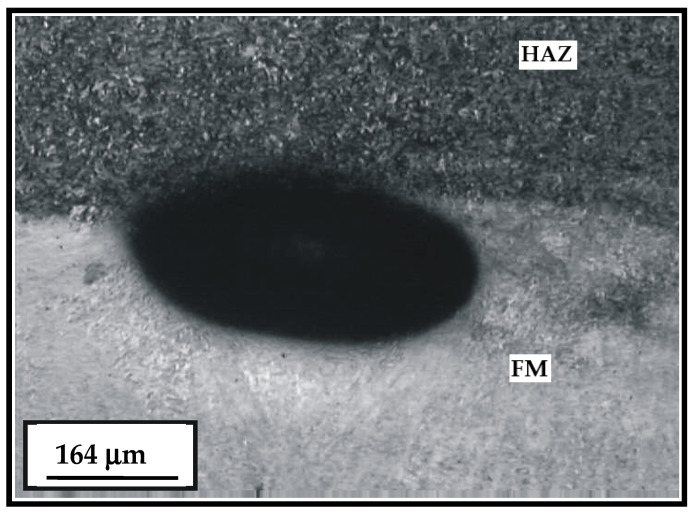
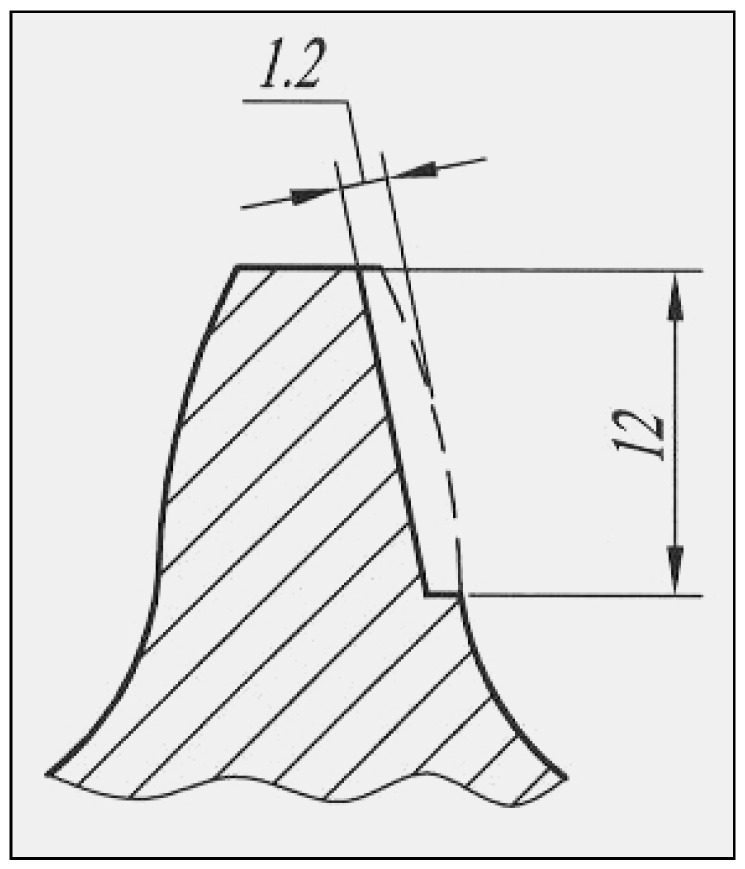
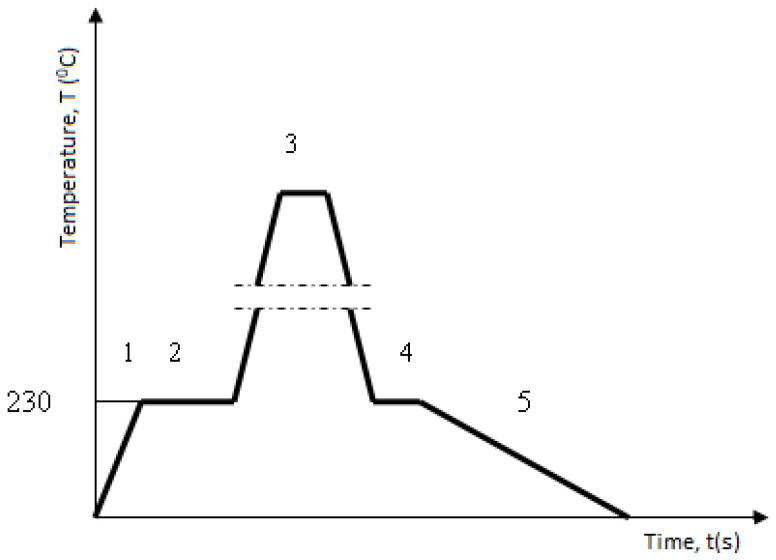
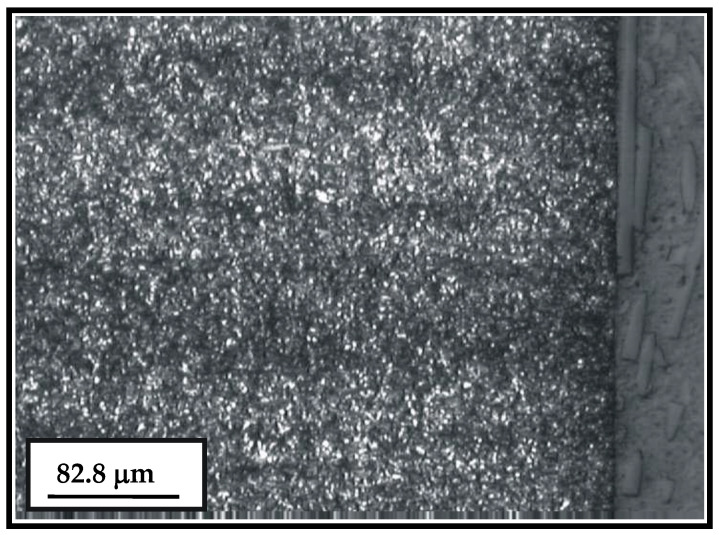
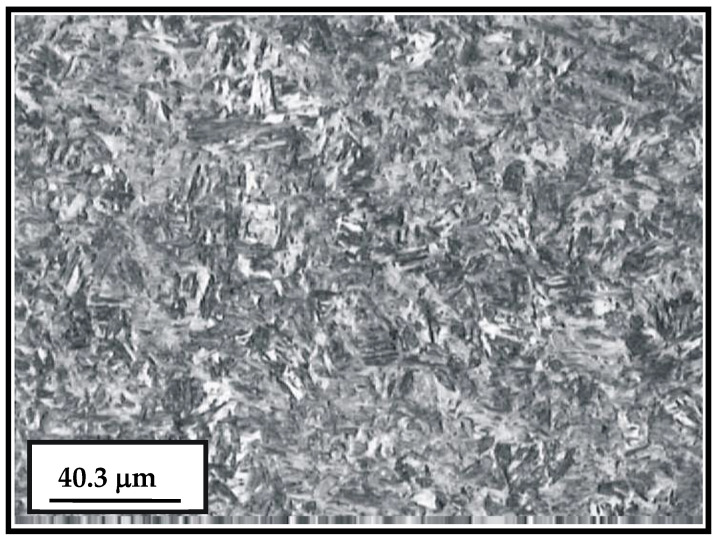
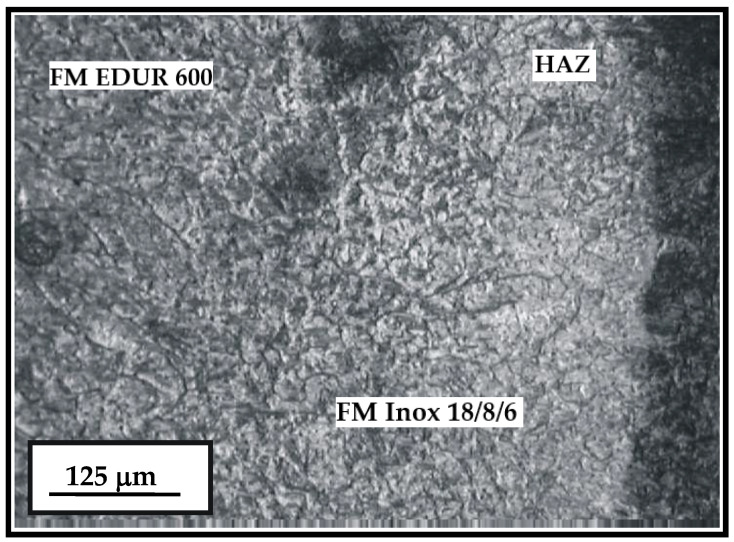
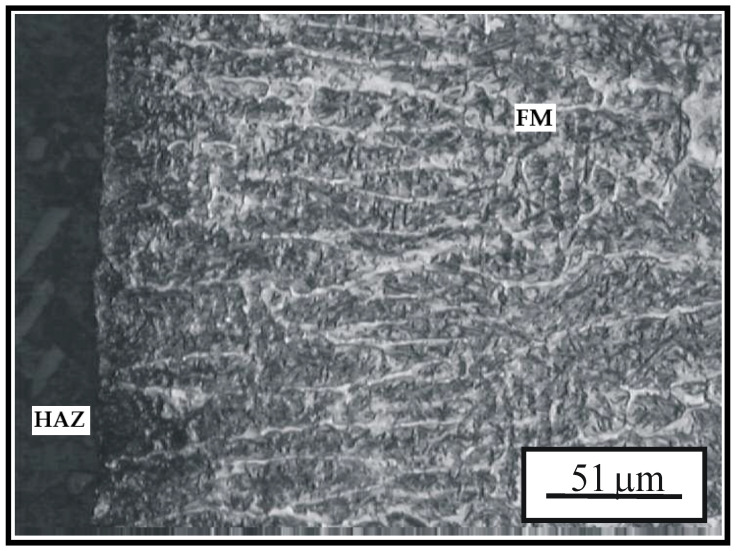
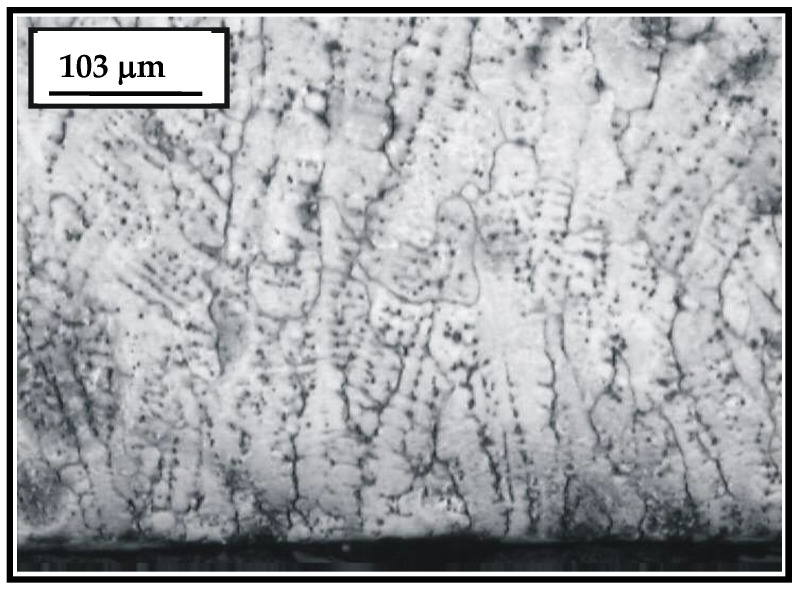
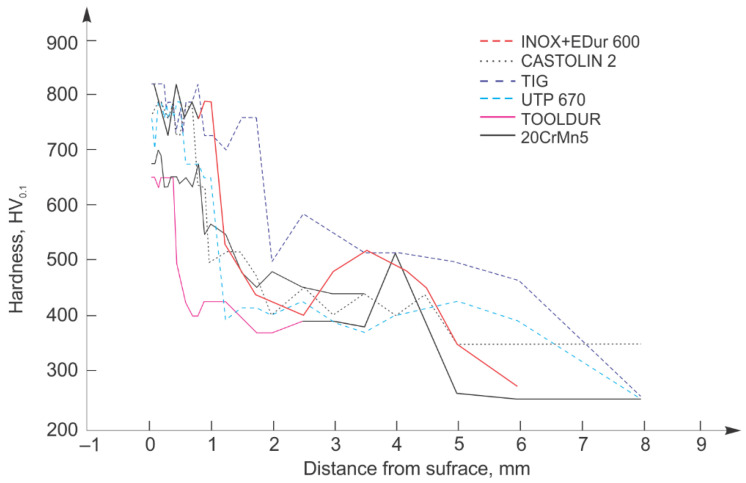
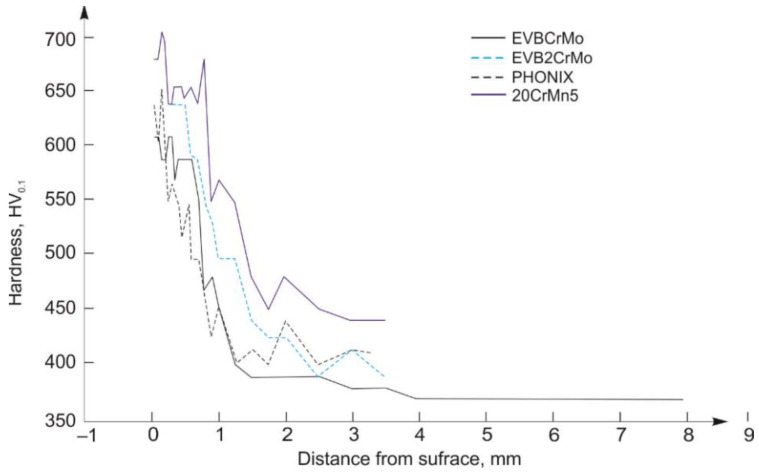
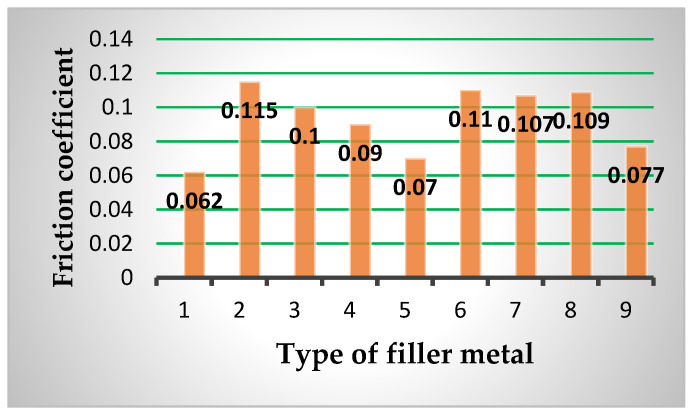
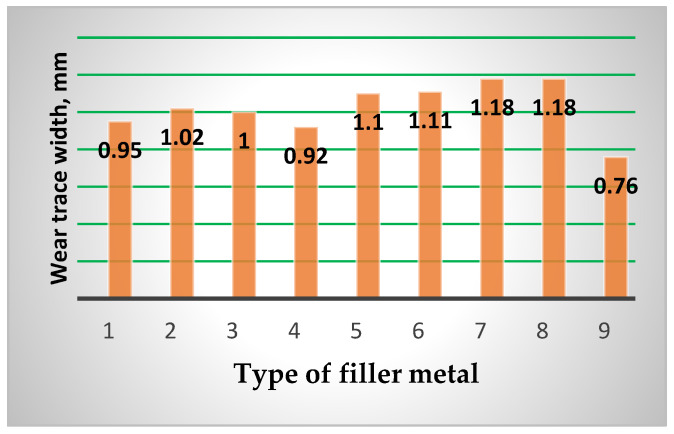
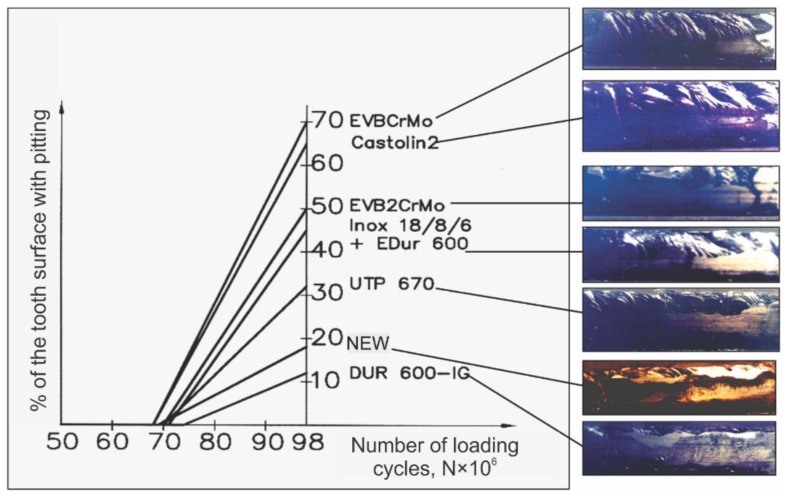
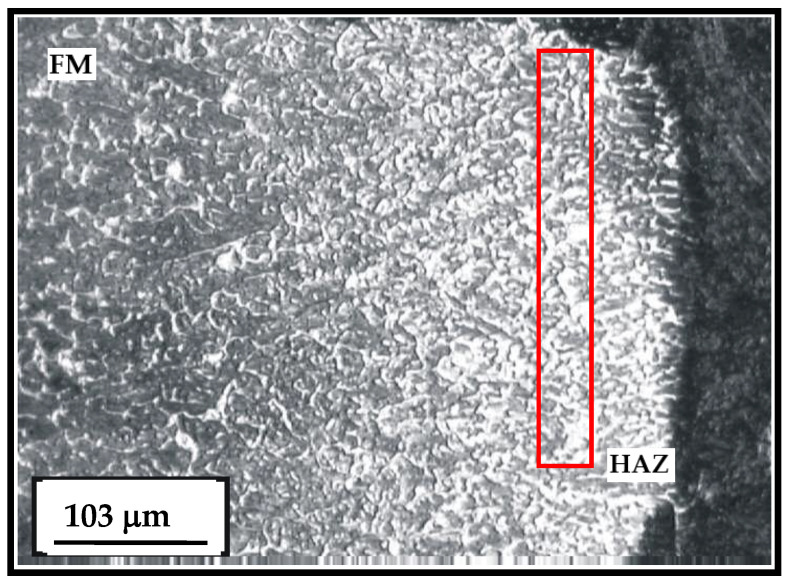
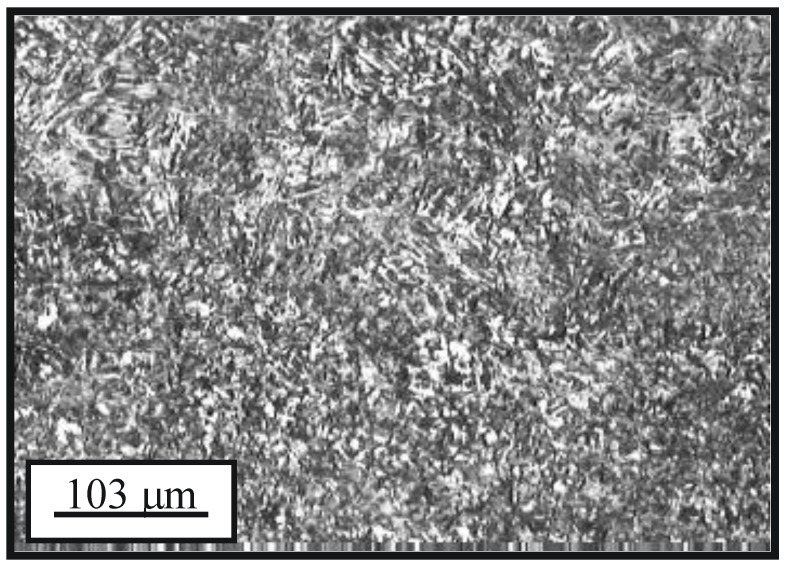
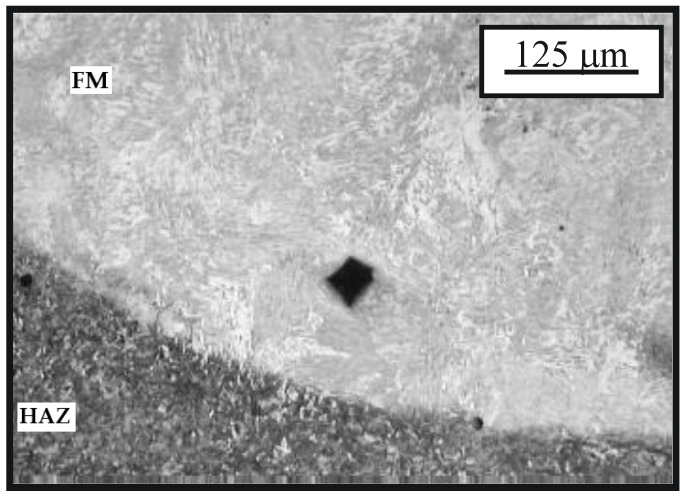
Hard-facing as a type of the coating depositing is increasingly used today. Physical-chemical-metallurgical characteristics of contact layers in tribo-mechanical systems depend on the operating conditions and the conditions under which the work surfaces were created. That is the reason the influence of the processing procedures and regime, used in the contact surfaces formation, on development of the wear process of contact elements, is being considered ever more. To determine the influence of the hard-facing technology on characteristics of the gears' working surfaces, the experimental investigations were performed on samples hard-faced on the steel for cementation, by varying the filler metals (FM) and the hard-facing regimes. The samples tested were hard-faced by five "hard" and three "soft" filler metals. Experimental investigations included measuring the hard-faced layers' hardness and determination of their microstructure, as well as the wear resistance in the laboratory conditions, on tribometer and on a specially designed device for tests in the real operating conditions of gears. The wear intensity was monitored by the wear trace's width in the laboratory conditions and by the share of the teeth surfaces affected by the destructive pitting in the operating conditions. The results obtained were compared to results of the base metal (BM) tests, which provided the certain conclusions on which filler metal and which welding procedure are the optimal ones for regeneration of the worn teeth surfaces.
堆焊作为一种涂层沉积方法,如今越来越多地被使用。摩擦机械系统中接触层的物理 - 化学 - 冶金特性取决于运行条件以及工作表面形成时的条件。这就是为何人们越来越关注在接触表面形成过程中所采用的加工工艺和规范对接触元件磨损过程发展的影响。为了确定堆焊技术对齿轮工作表面特性的影响,通过改变填充金属(FM)和堆焊规范,对渗碳钢上堆焊的样品进行了实验研究。测试的样品用五种“硬”填充金属和三种“软”填充金属进行堆焊。实验研究包括测量堆焊层的硬度、确定其微观结构,以及在实验室条件下、在摩擦磨损试验机上和在专门设计的用于齿轮实际运行条件测试的装置上测定其耐磨性。在实验室条件下通过磨损痕迹的宽度以及在运行条件下通过受破坏性点蚀影响的齿面比例来监测磨损强度。将所得结果与母材(BM)测试结果进行比较,这为磨损齿面再生的最佳填充金属和焊接工艺提供了某些结论。