Bîrsanu Sînziana-Elena, Plaiasu Maria Cristina, Nanu Codrut Andrei
School of Advanced Studies of the Romanian Academy, 125 Calea Victoriei, 010071 Bucharest, Romania.
Doctoral School, University of Medicine and Pharmacy of Craiova, 2 Petru Rares Street, 200349 Craiova, Romania.
Vaccines (Basel). 2022 Nov 5;10(11):1871. doi: 10.3390/vaccines10111871.
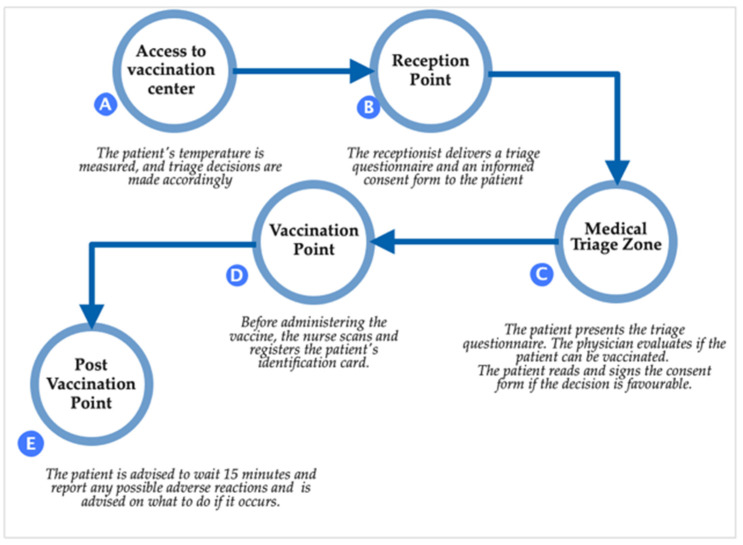
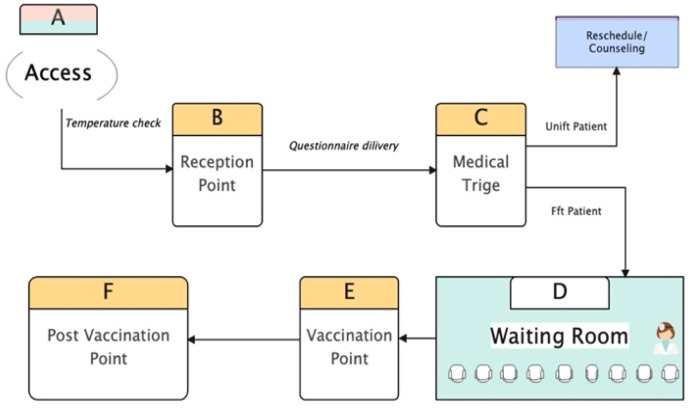
Informing patients and obtaining valid informed consent were significant challenges for the COVID-19 immunization program. In Romania, the authorities issued a strategy for activities regarding vaccination against COVID-19, including the informed consent procedure. The lack of legal preparedness was evident when the medical personnel at the vaccination centers were provided with informed consent forms that did not respect the existing legal requirements. In addition, the protocol for persons seeking vaccination stated that the patient was supposed to receive the informed consent form from the receptionist in order to read and sign it. We analyzed the legal implications and the malpractice litigation risk associated with this practice. Due to essential deficiencies and in the absence of an official enactment of new regulations, we conclude that the vaccination consent process did not comply with the legal requirements. Implications include medical personnel's legal liability, loss of malpractice insurance coverage, and public mistrust that may have contributed to a low vaccination rate. Given the potential of future pandemics or other health crises, this may be a valuable lesson for developing better legal strategies.
向患者提供信息并获得有效的知情同意书是新冠疫苗接种计划面临的重大挑战。在罗马尼亚,当局发布了一项关于新冠疫苗接种活动的战略,包括知情同意程序。当疫苗接种中心的医务人员收到不符合现有法律要求的知情同意书时,法律准备不足的问题就很明显了。此外,疫苗接种者协议规定,患者应从接待员处领取知情同意书以便阅读并签字。我们分析了这种做法的法律影响和医疗事故诉讼风险。由于存在重大缺陷且缺乏新法规的正式颁布,我们得出结论,疫苗接种同意程序不符合法律要求。其影响包括医务人员的法律责任、医疗事故保险覆盖范围的丧失以及可能导致低接种率的公众不信任。鉴于未来可能发生大流行或其他健康危机,这可能是制定更好法律策略的宝贵教训。