Ye Zehua, Xia Yuqi, Li Lei, Li BoJun, Chen Wu, Han Shangting, Zhou Xiangjun, Chen Lijia, Yu Weimin, Ruan Yuan, Cheng Fan
Department of Urology, Renmin hospital of Wuhan university, Wuhan 430060, China.
Department of Urology, Renmin hospital of Wuhan university, Wuhan 430060, China.
Transl Oncol. 2023 Jan;27:101578. doi: 10.1016/j.tranon.2022.101578. Epub 2022 Nov 11.
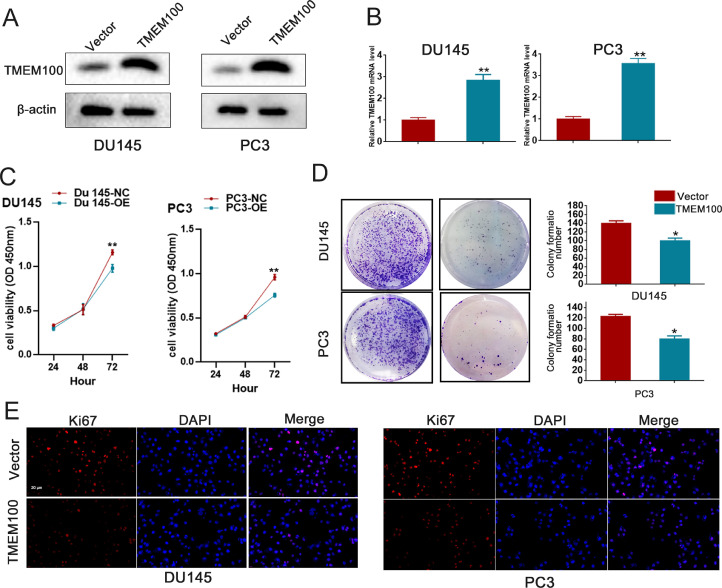
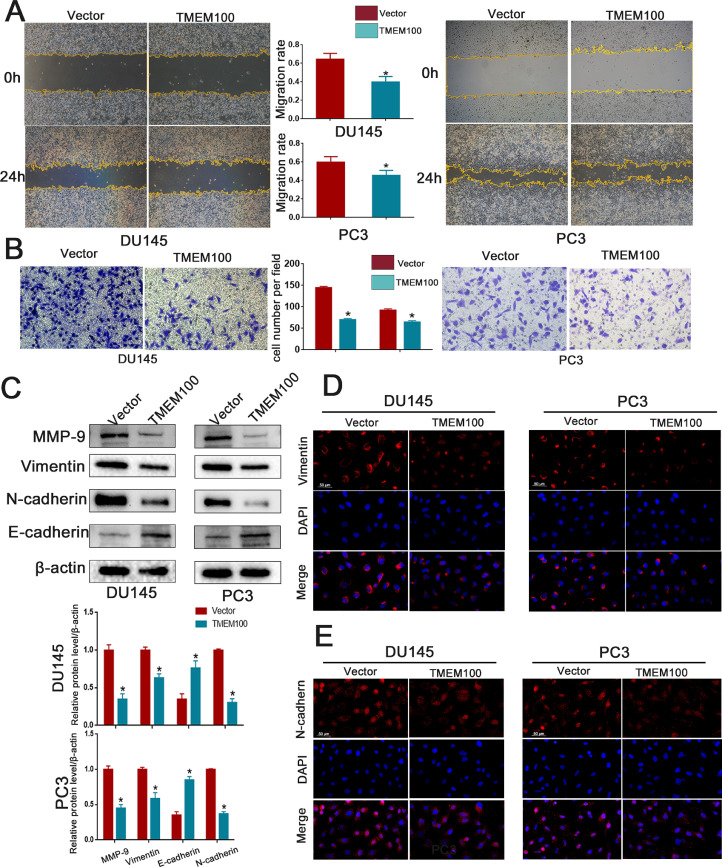
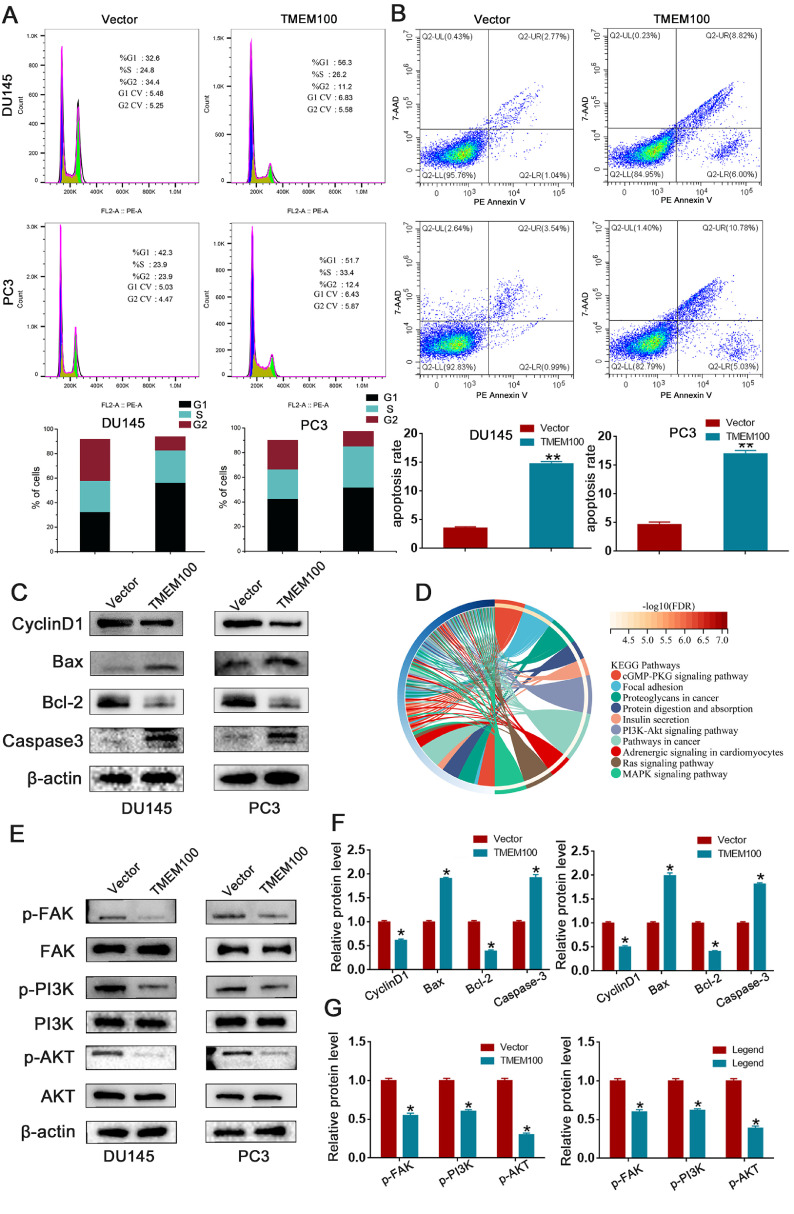
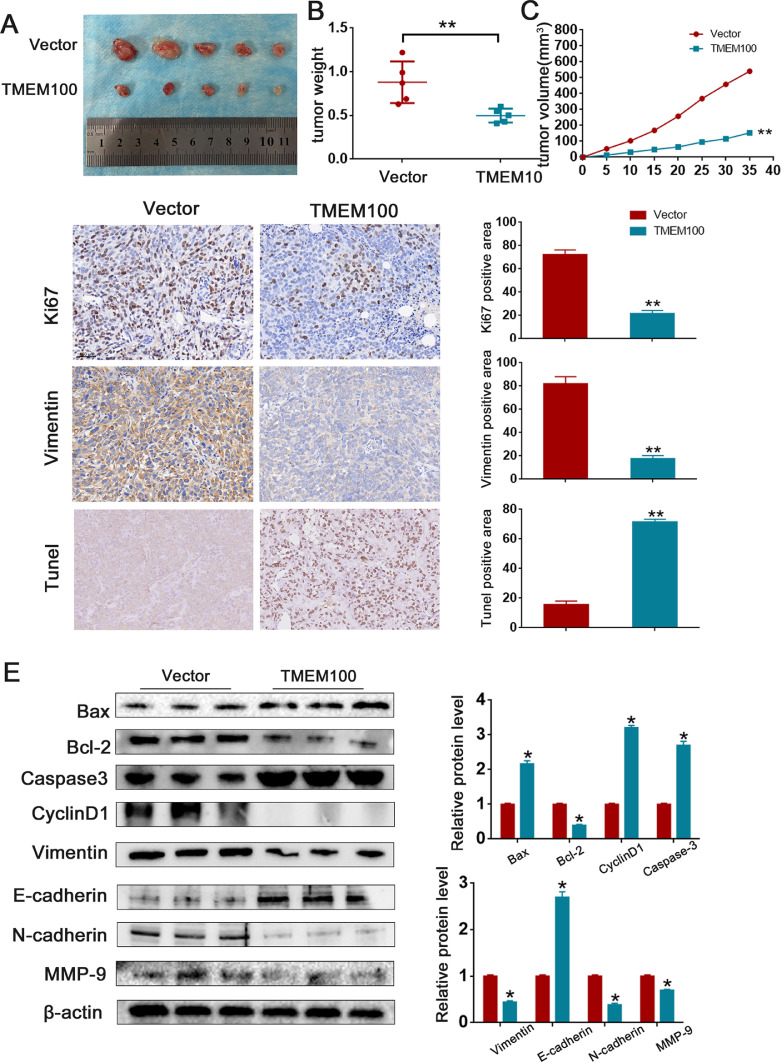
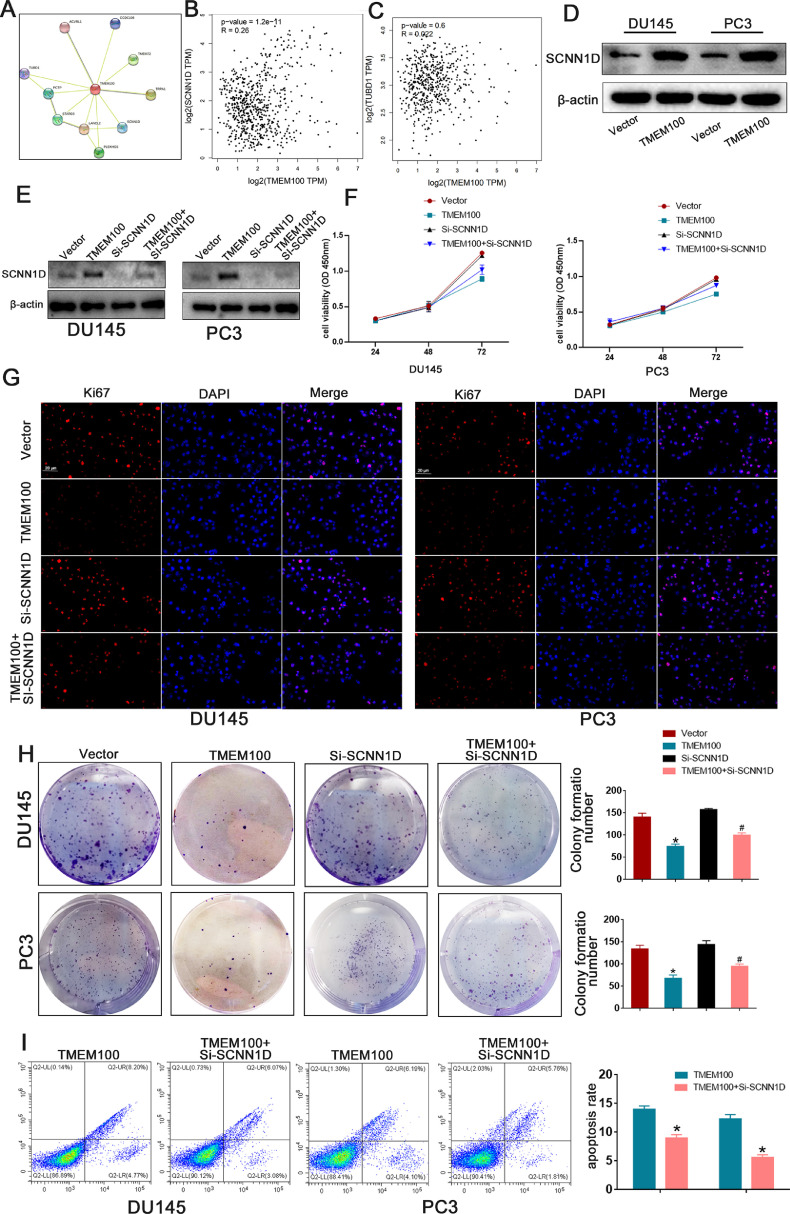
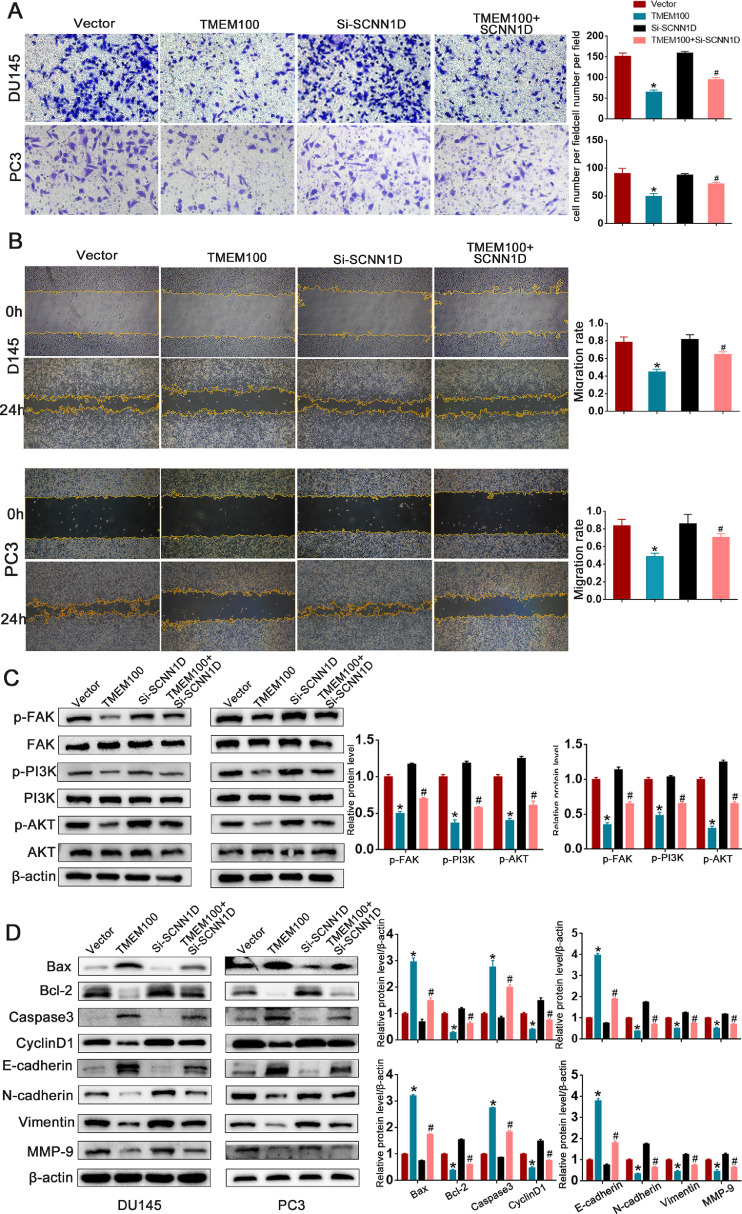
The effects of transmembrane (TMEM) proteins in the progression of prostate cancer (PCa) remain unknown. This study aims to explore the functions of TMEM100 in PCa. To explore the expression, regulation, and effects of TMEM100 in PCa, two PCa cell lines and 30 PCa tissue samples with adjacent control tissues were examined. Online databases, immunohistochemistry, immunofluorescence, western blot, flow cytometry, colony formation, wound healing, transwell assays, and xenograft mouse models were used to explore effects of TMEM100 relevant to PCa. TMEM100 expression was shown to decrease in PCa patients, and low TMEM100 expression was associated with tumor stage and metastasis. Overexpression of TMEM100 suppressed PCa progression by inhibiting the FAK/PI3K/AKT signaling pathway. Tumor size was smaller in TMEM100 overexpressing PCa cells in xenograft mice than in control mice. We also found that TMEM100 could regulate SCNN1D by inhibiting FAK/PI3K/AKT signaling in PCa cell lines. Taken together, our findings indicate that TMEM100 is a tumor suppressor that plays a vital role in preventing PCa proliferation, migration, and invasion through inhibition of FAK/PI3K/AKT signaling. These studies suggest that TMEM100 can be used as a predictive biomarker and therapeutic target.
跨膜(TMEM)蛋白在前列腺癌(PCa)进展中的作用尚不清楚。本研究旨在探讨TMEM100在PCa中的功能。为了探究TMEM100在PCa中的表达、调控及作用,我们检测了两种PCa细胞系以及30例PCa组织样本及其相邻的对照组织。利用在线数据库、免疫组织化学、免疫荧光、蛋白质印迹、流式细胞术、集落形成、伤口愈合、Transwell实验以及异种移植小鼠模型来探究与PCa相关的TMEM100的作用。结果显示,PCa患者中TMEM100表达降低,且低TMEM100表达与肿瘤分期和转移相关。TMEM100的过表达通过抑制FAK/PI3K/AKT信号通路来抑制PCa进展。在异种移植小鼠中,过表达TMEM100的PCa细胞的肿瘤大小比对照小鼠的小。我们还发现,在PCa细胞系中,TMEM100可通过抑制FAK/PI3K/AKT信号来调节SCNN1D。综上所述,我们的研究结果表明,TMEM100是一种肿瘤抑制因子,通过抑制FAK/PI3K/AKT信号在预防PCa增殖、迁移和侵袭中发挥重要作用。这些研究表明,TMEM100可作为一种预测性生物标志物和治疗靶点。