National Center for Complementary and Integrative Health, National Institutes of Health, Bethesda, United States.
Department of Neuroscience, Howard Hughes Medical Institute, Dorris Neuroscience Center, Scripps Research Institute, San Diego, United States.
Elife. 2022 Nov 16;11:e83346. doi: 10.7554/eLife.83346.
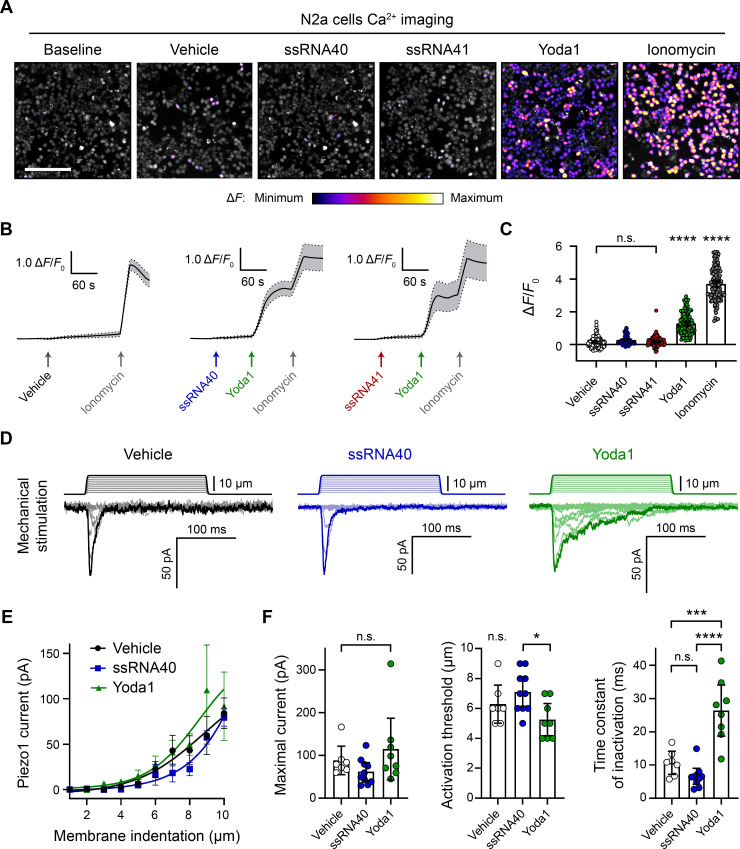
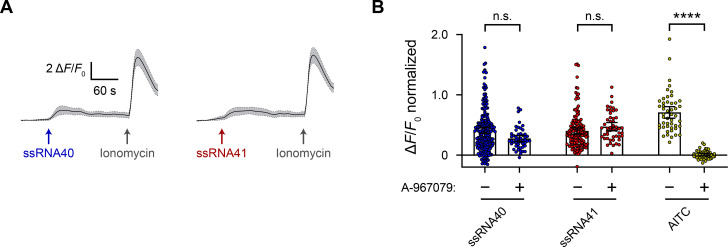
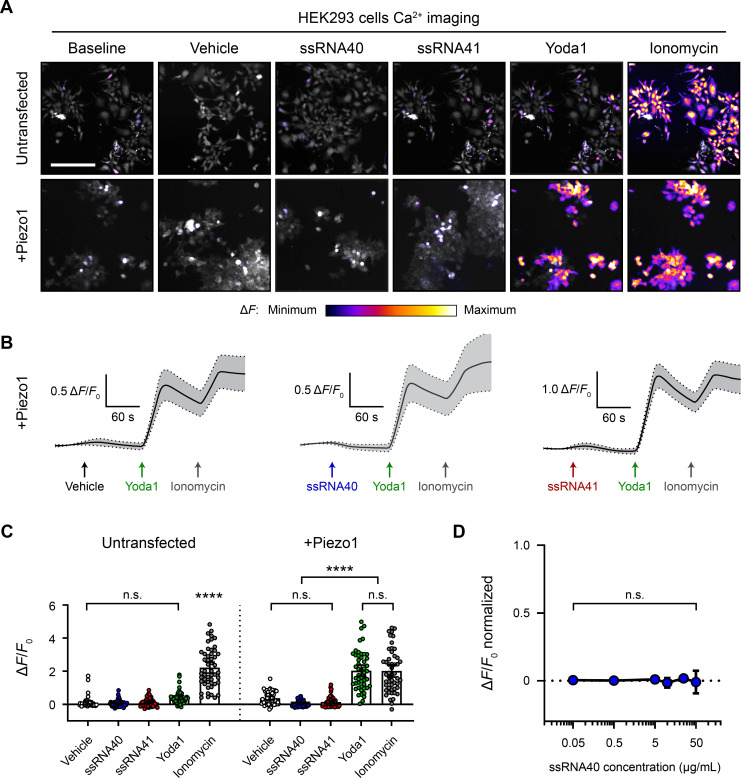
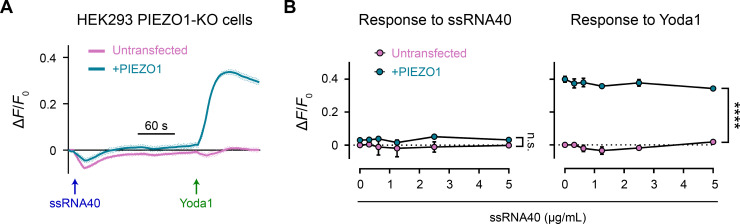
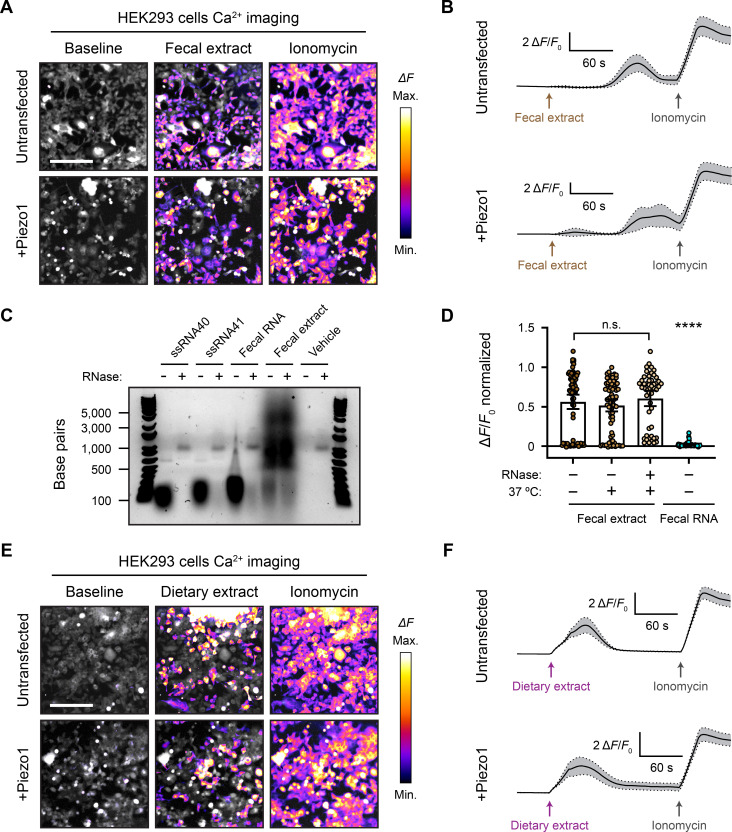
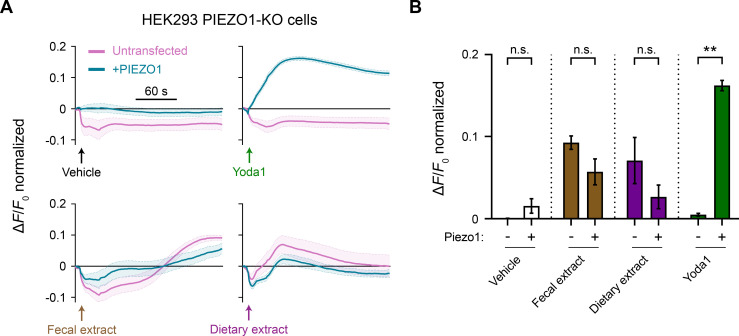
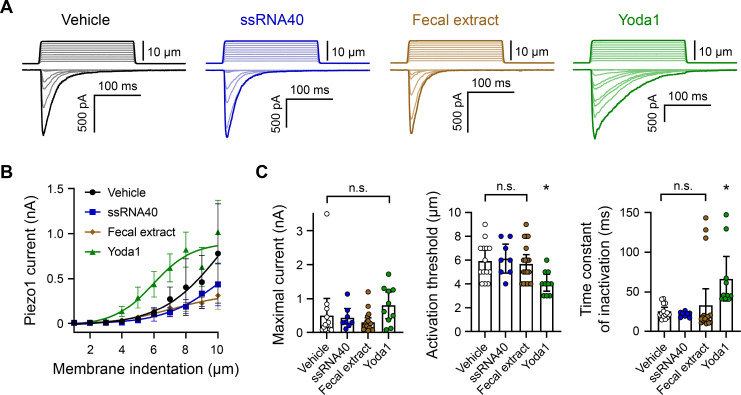
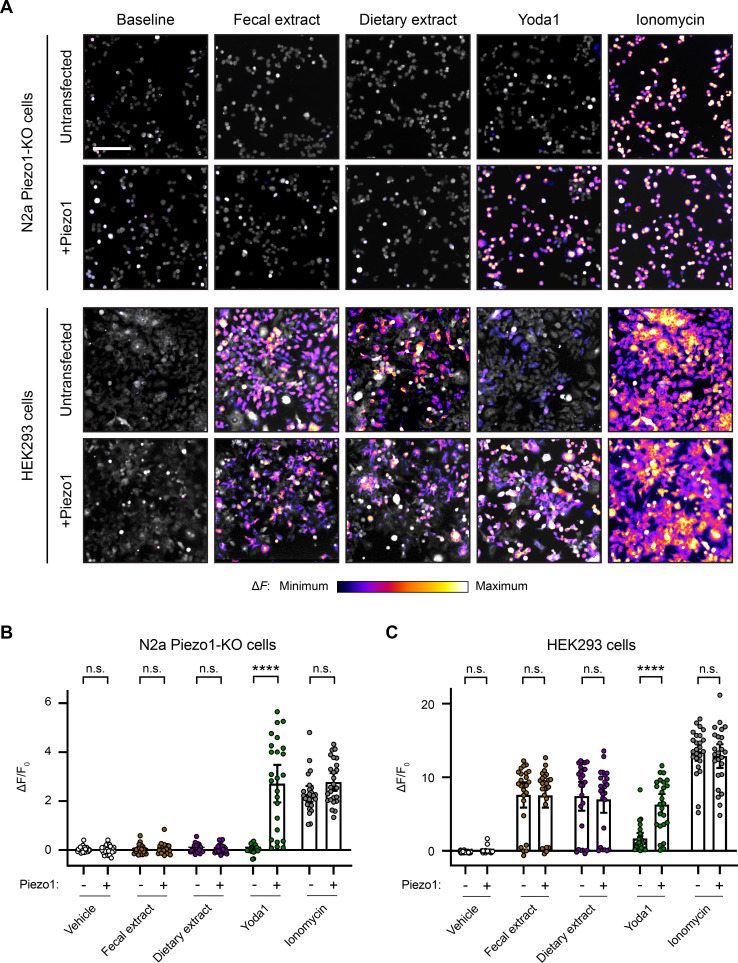
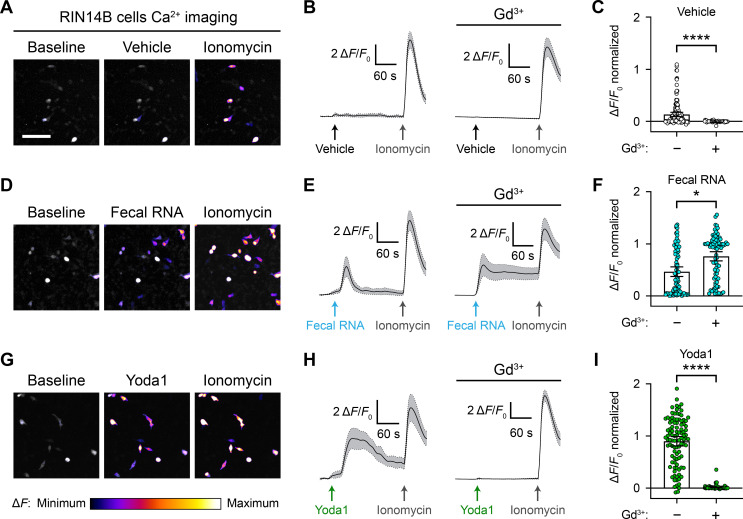
Piezo1 is a stretch-gated ion channel required for mechanosensation in many organ systems. Recent findings point to a new role for Piezo1 in the gut, suggesting that it is a sensor of microbial single-stranded RNA (ssRNA) rather than mechanical force. If true, this would redefine the scope of Piezo biology. Here, we sought to replicate the central finding that fecal ssRNA is a natural agonist of Piezo1. While we observe that fecal extracts and ssRNA can stimulate calcium influx in certain cell lines, this response is independent of Piezo1. Additionally, sterilized dietary extracts devoid of gut biome RNA show similar cell line-specific stimulatory activity to fecal extracts. Together, our data highlight potential confounds inherent to gut-derived extracts, exclude Piezo1 as a receptor for ssRNA in the gut, and support a dedicated role for Piezo channels in mechanosensing.
Piezo1 是一种拉伸门控离子通道,对于许多器官系统的机械感觉至关重要。最近的研究结果表明 Piezo1 在肠道中有新的作用,表明它是微生物单链 RNA(ssRNA)而不是机械力的传感器。如果这是真的,这将重新定义 Piezo 生物学的范围。在这里,我们试图复制粪便 ssRNA 是 Piezo1 的天然激动剂的核心发现。虽然我们观察到粪便提取物和 ssRNA 可以刺激某些细胞系的钙内流,但这种反应与 Piezo1 无关。此外,不含肠道微生物 RNA 的无菌饮食提取物对粪便提取物表现出类似的细胞系特异性刺激活性。总之,我们的数据突出了源自肠道的提取物所固有的潜在混杂因素,排除了 Piezo1 作为肠道中 ssRNA 的受体,并支持 Piezo 通道在机械感觉中的专门作用。