Thomas Matthew Adam, Cooper Robin Lewis
Department of Biology, University of Kentucky, Lexington, KY, USA.
Plant Signal Behav. 2022 Dec 31;17(1):2129291. doi: 10.1080/15592324.2022.2129291.
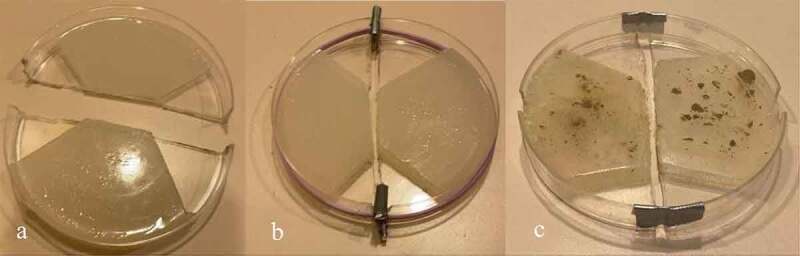
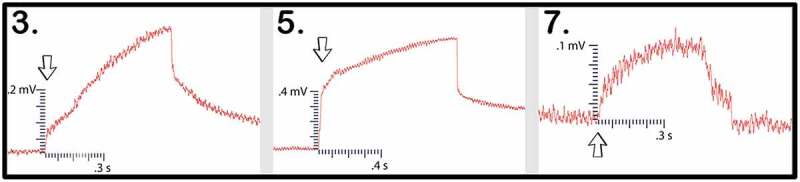
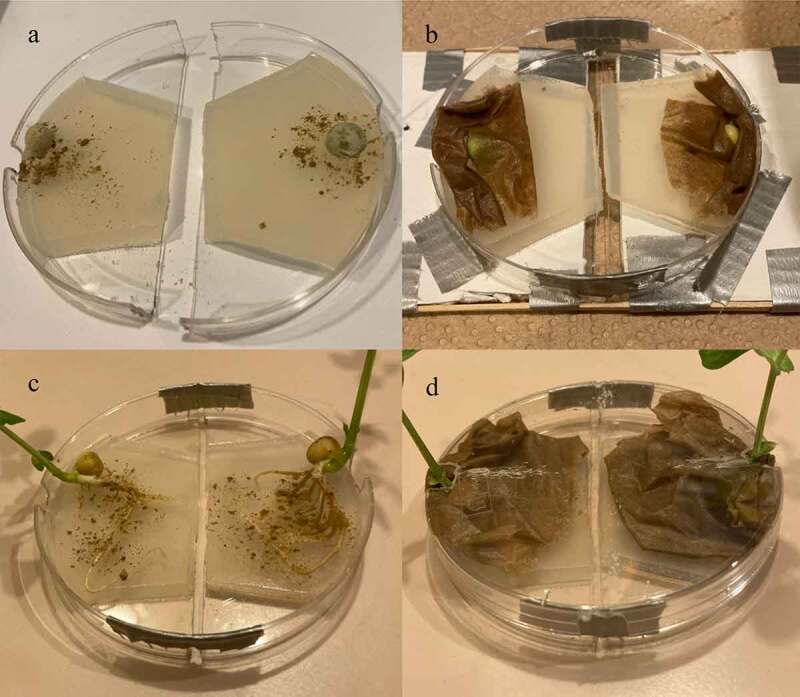
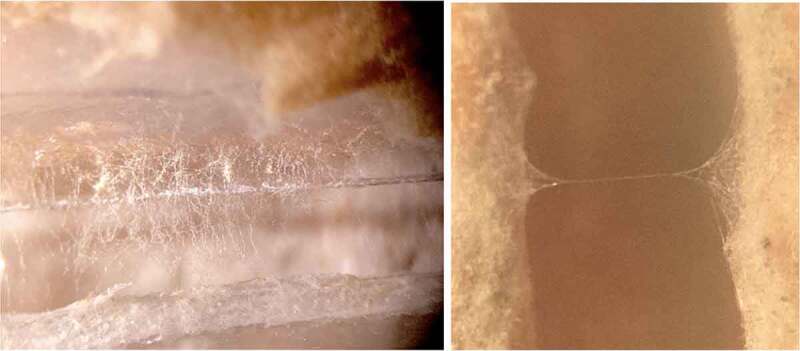
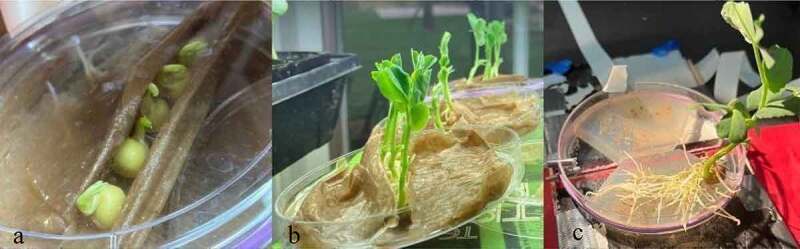
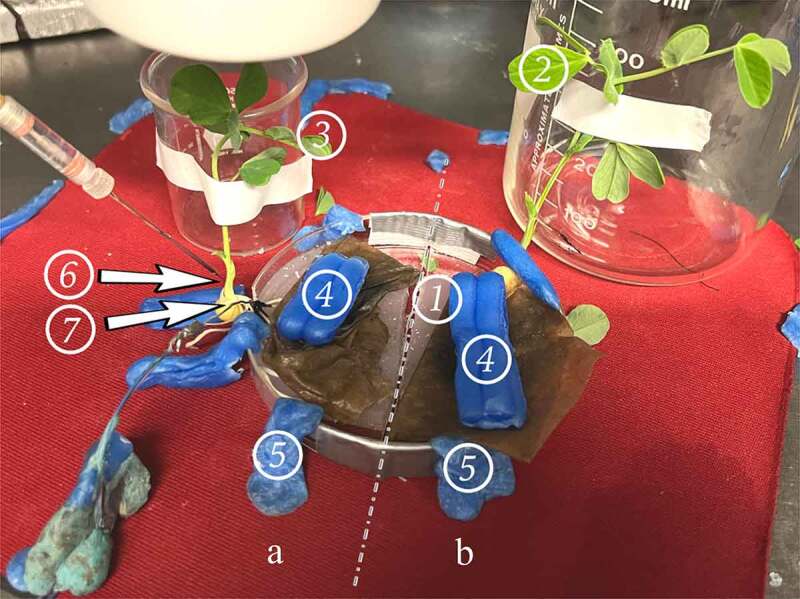
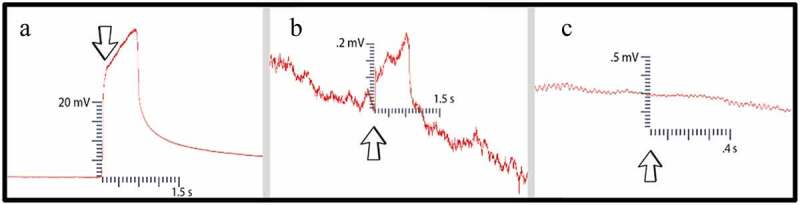
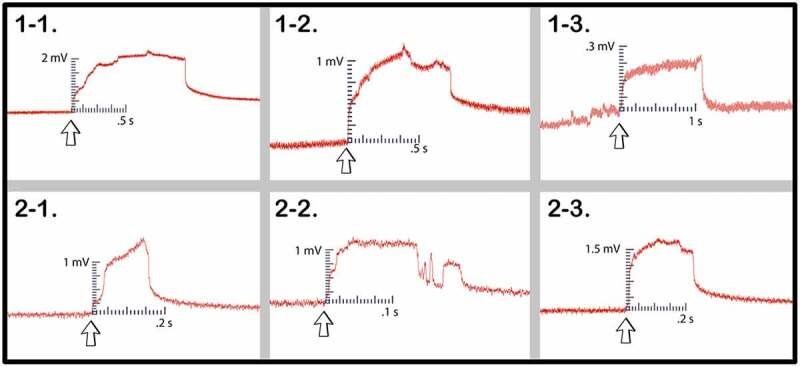
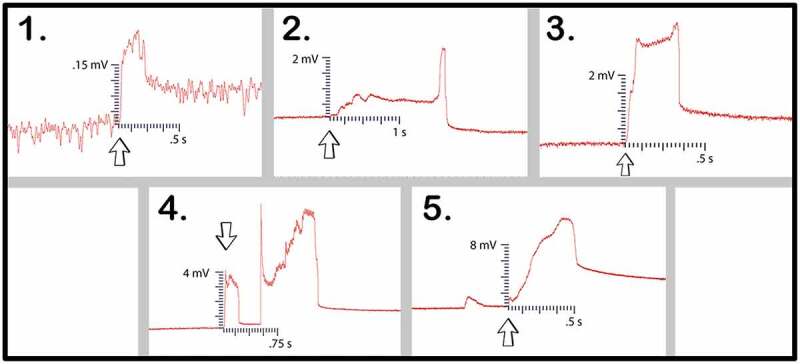
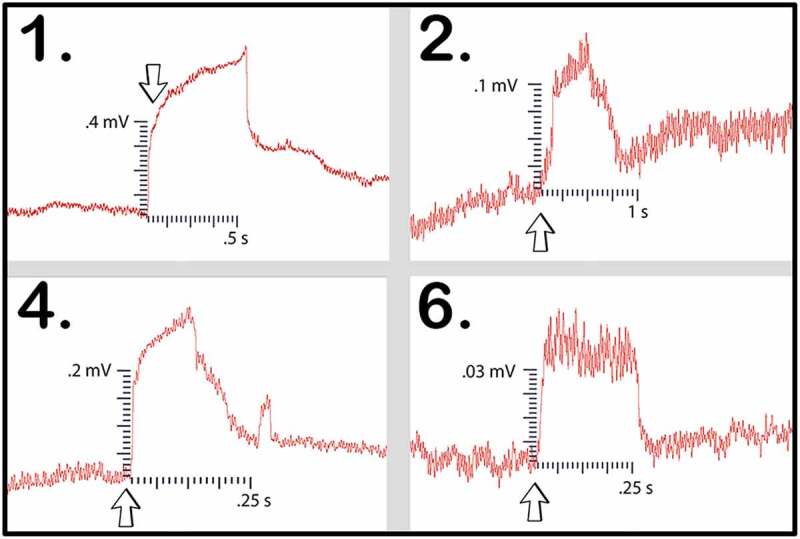
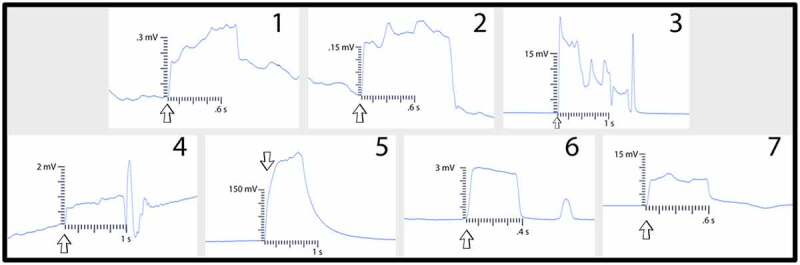
Whether through root secretions or by emitting volatile organic compounds, plant communication has been well-documented. While electrical activity has been documented in plants and mycorrhizal bodies on the individual and ramet, electrical propagation as a means of communication plants has been hypothesized but understudied. This study aimed to test the hypothesis that plants can communicate with one another via conductively isolated mycelial pathways. We created a bio-electric circuit linking two plants using a mycelial network grown from a blend of mycorrhizal fungi which was directly inoculated onto potato dextrose agar, or onto the host plants placed on the agar. The mycelium that grew was forced to cross, or "bridge," an air gap between the two islands of agar - thus forming the isolated conductive pathway between plants. Using this plant-fungal biocircuit we assessed electrical propagation between and . We found that electrical signals were reliably conducted across the mycelial bridges from one plant to another upon the induction of a wound response. Our findings provide evidence that mechanical input can be communicated between plant species and opens the door to testing how this information can affect plant and fungal physiology.
无论是通过根系分泌物还是通过释放挥发性有机化合物,植物间的交流已有充分记录。虽然植物和菌根个体及分株上的电活动已有记录,但作为植物交流方式的电传播虽被提出假说却研究不足。本研究旨在验证植物可通过导电隔离的菌丝途径相互交流这一假说。我们利用从菌根真菌混合物中生长出的菌丝网络创建了一个连接两株植物的生物电路,该混合物直接接种到马铃薯葡萄糖琼脂上,或接种到置于琼脂上的宿主植物上。生长出的菌丝被迫穿过或“跨越”两块琼脂之间的气隙,从而在植物间形成隔离的导电通路。利用这个植物 - 真菌生物电路,我们评估了两株植物之间的电传播。我们发现,在诱导伤口反应时,电信号能可靠地通过菌丝桥从一株植物传导到另一株植物。我们的研究结果提供了证据,证明机械输入可以在不同植物物种间传递,为测试这些信息如何影响植物和真菌生理学打开了大门。