Department of Biochemistry, Indian Institute of Science Bangalore, Bangalore, India.
Department of Experimental Medicine and Biotechnology, Post Graduate Institute of Medical Education and Research, Chandigarh, India.
Elife. 2022 Nov 17;11:e69916. doi: 10.7554/eLife.69916.
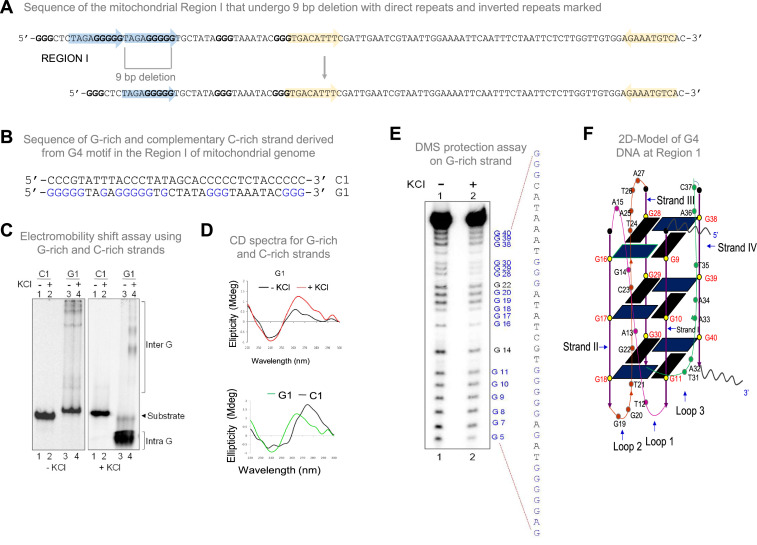
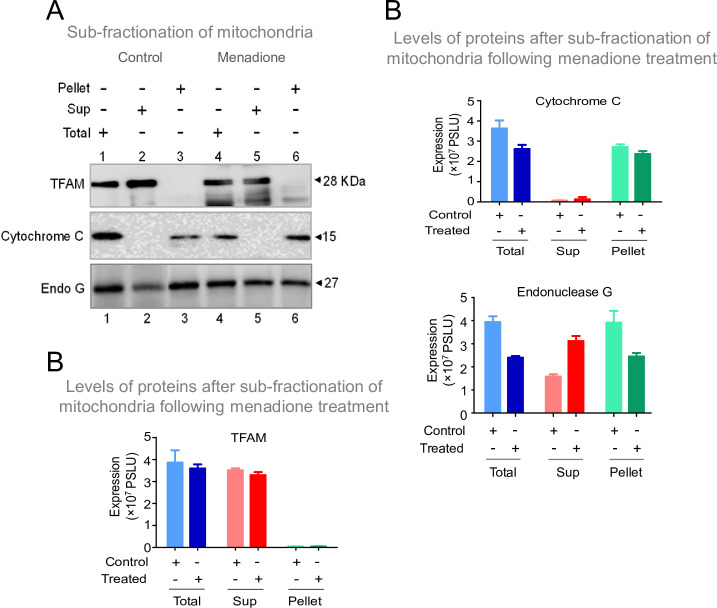
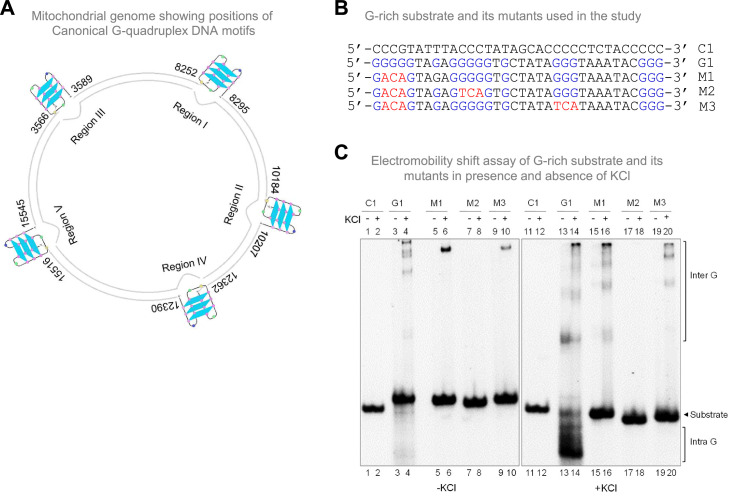
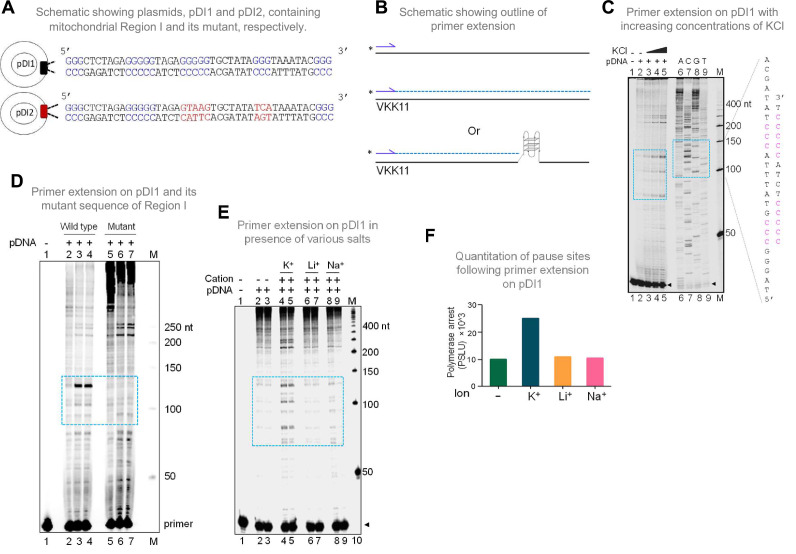
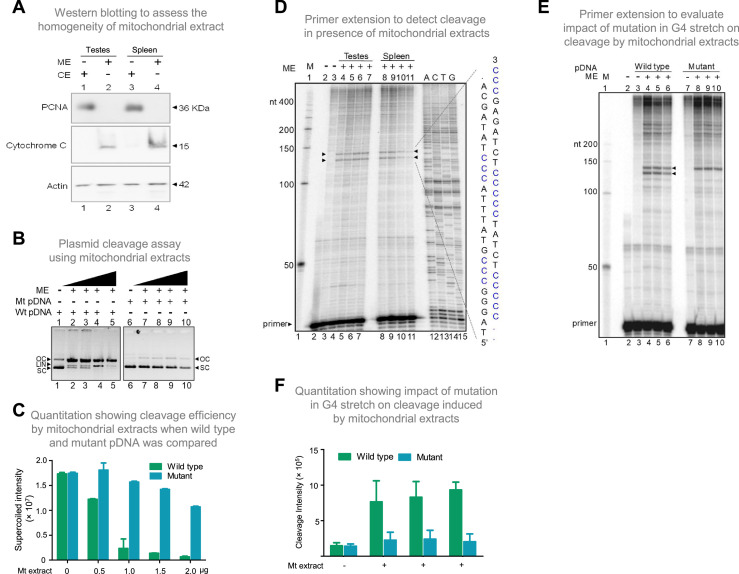
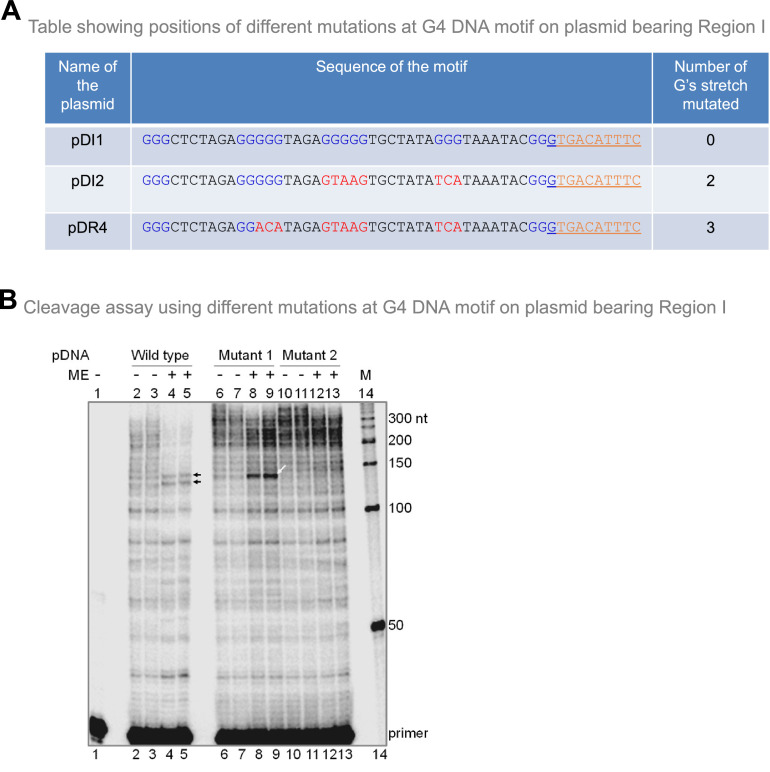
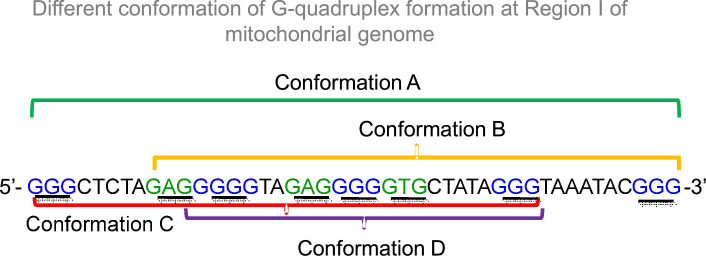
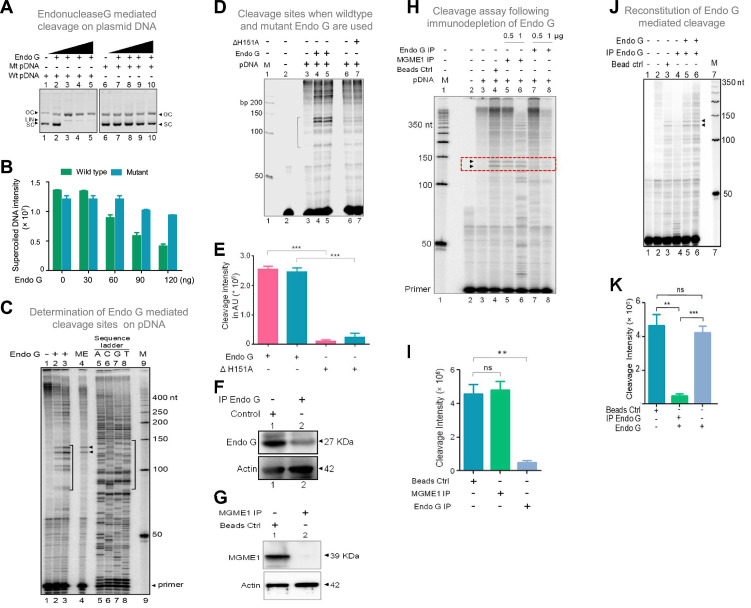
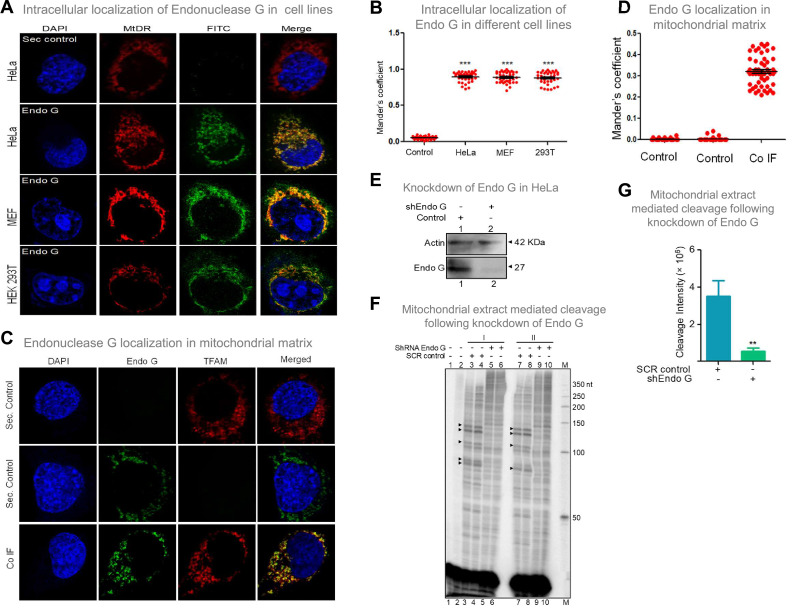
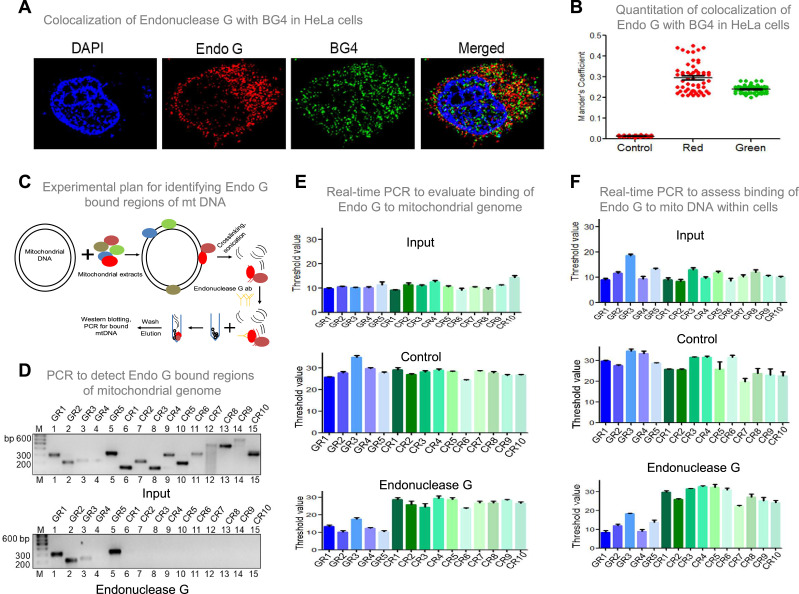
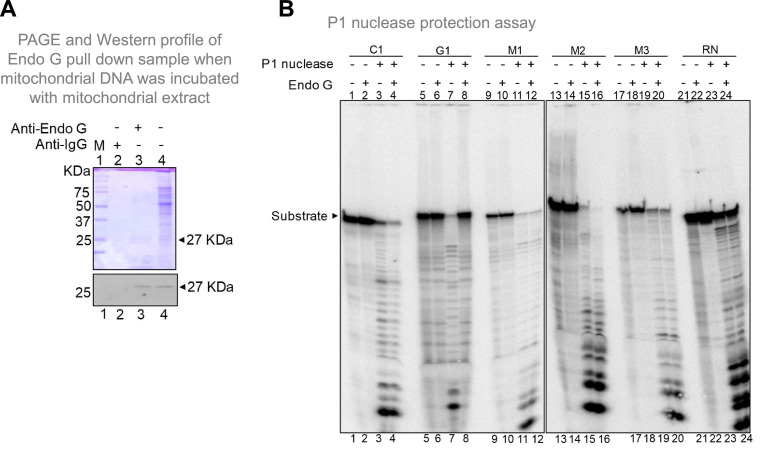
Having its genome makes the mitochondrion a unique and semiautonomous organelle within cells. Mammalian mitochondrial DNA (mtDNA) is a double-stranded closed circular molecule of about 16 kb coding for 37 genes. Mutations, including deletions in the mitochondrial genome, can culminate in different human diseases. Mapping the deletion junctions suggests that the breakpoints are generally seen at hotspots. '9 bp deletion' (8271-8281), seen in the intergenic region of cytochrome c oxidase II/tRNA, is the most common mitochondrial deletion. While it is associated with several diseases like myopathy, dystonia, and hepatocellular carcinoma, it has also been used as an evolutionary marker. However, the mechanism responsible for its fragility is unclear. In the current study, we show that Endonuclease G, a mitochondrial nuclease responsible for nonspecific cleavage of nuclear DNA during apoptosis, can induce breaks at sequences associated with '9 bp deletion' when it is present on a plasmid or in the mitochondrial genome. Through a series of in vitro and intracellular studies, we show that Endonuclease G binds to G-quadruplex structures formed at the hotspot and induces DNA breaks. Therefore, we uncover a new role for Endonuclease G in generating mtDNA deletions, which depends on the formation of G4 DNA within the mitochondrial genome. In summary, we identify a novel property of Endonuclease G, besides its role in apoptosis and the recently described 'elimination of paternal mitochondria during fertilisation.
线粒体拥有自己的基因组,这使其成为细胞内一种独特的半自主细胞器。哺乳动物的线粒体 DNA(mtDNA)是一个双链闭环分子,大小约为 16kb,编码 37 个基因。线粒体基因组的突变,包括缺失,可能导致不同的人类疾病。缺失断点的定位表明,这些断点通常位于热点区域。在细胞色素 c 氧化酶 II/tRNA 基因间隔区发现的“9bp 缺失”(8271-8281)是最常见的线粒体缺失。虽然它与肌病、肌张力障碍和肝细胞癌等几种疾病有关,但它也被用作进化标记。然而,导致其不稳定性的机制尚不清楚。在本研究中,我们表明,参与细胞凋亡过程中核 DNA 非特异性切割的线粒体内切核酸酶 G,当其存在于质粒或线粒体基因组中时,可以在与“9bp 缺失”相关的序列处诱导断裂。通过一系列体外和细胞内研究,我们表明内切核酸酶 G 结合到热点处形成的 G-四链体结构,并诱导 DNA 断裂。因此,我们揭示了内切核酸酶 G 在产生 mtDNA 缺失中的新作用,这取决于线粒体基因组内 G4 DNA 的形成。总之,我们确定了内切核酸酶 G 的一个新特性,除了它在细胞凋亡中的作用以及最近描述的“在受精过程中消除父系线粒体”的作用之外。