Finnish Institute for Health and Welfare, P.O. Box 30, FI-00271, Helsinki, Finland.
BMC Public Health. 2022 Nov 19;22(1):2130. doi: 10.1186/s12889-022-14574-y.
Public health recommendations and governmental restrictions during the COVID-19 epidemic have affect everyday life. This study aimed to examine temporal changes in health-related lifestyle and the accumulation of positive and negative changes in the key lifestyle factors (vegetable consumption, leisure-time physical activity, sleeping, alcohol consumption, smoking) in the same individuals among Finnish adults during the epidemic.
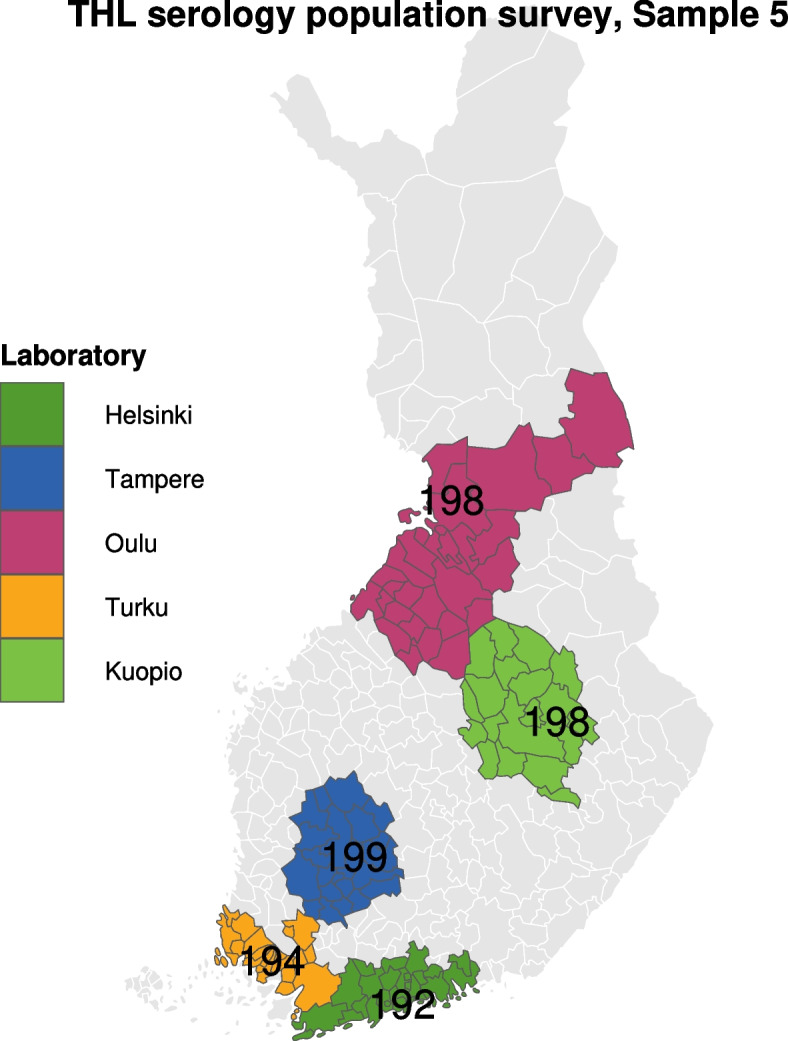
This study was based on a series of cross-sectional surveys conducted between April 2020 and June 2021 to investigate antibody levels for the new coronavirus in the population. In each survey, a random sample of adults (18 to 69 years) from five university hospital regions were invited. A total of 5655 (response rate 32%) responded to the questionnaire including questions on lifestyle changes during epidemic.
On average one-sixth of respondents (17%) reported at least two negative changes in the key lifestyle factors during the study period. An increase in snacking and sleep problems and decrease in leisure-time physical activity and active commuting to work were the most common of individual negative changes. The proportion of negative changes in physical activity increased as the epidemic drags on. In contrast, on average every seventh of the respondents (14%) reported at least two positive lifestyle changes in the key lifestyle factors. The most common individual positive changes were increased consumption of fruit, berries and vegetables and decreased consumption of alcohol. More negative changes were reported on average, when both negative and positive changes in the key lifestyle factors were summed. The most negative changes were reported in the late 2020.
The results of the present study suggest that the lifestyle changes during the COVID-19 epidemic have been diverse being on average more commonly unfavorable than favorable for health. The deteriorated epidemic situation in the late 2020 and, on the other hand, prolonged epidemic predisposed to negative lifestyle changes. Further studies are important to examine whether these changes are maintained over time and to identify the factors that contribute to changes and their accumulation in the same individuals. Health promotion actions are needed to prevent the long-term effects of the epidemic on health and welfare.
在 COVID-19 疫情期间,公共卫生建议和政府限制措施影响了人们的日常生活。本研究旨在研究疫情期间芬兰成年人在关键生活方式因素(蔬菜摄入、休闲时间体力活动、睡眠、饮酒、吸烟)方面的健康相关生活方式的变化以及正、负变化的积累。
本研究基于 2020 年 4 月至 2021 年 6 月期间进行的一系列横断面调查,以调查人群中新型冠状病毒的抗体水平。在每次调查中,邀请五个大学医院区域的成年人(18 至 69 岁)的随机样本。共有 5655 人(响应率为 32%)回答了包括疫情期间生活方式变化在内的问卷调查。
平均而言,有 17%的受访者报告在研究期间至少有两个关键生活方式因素的负面变化。零食摄入增加和睡眠问题、休闲时间体力活动减少以及主动通勤上班减少是最常见的个体负面变化。随着疫情的拖延,体力活动的负面变化比例增加。相比之下,平均而言,有 14%的受访者报告在关键生活方式因素中至少有两个积极的生活方式变化。最常见的个体积极变化是增加水果、浆果和蔬菜的摄入,减少酒精的摄入。当关键生活方式因素的正负变化相加时,平均报告的负面变化更多。最负面的变化发生在 2020 年底。
本研究结果表明,COVID-19 疫情期间的生活方式变化多种多样,平均而言,对健康不利的变化比有利的变化更为常见。2020 年底疫情恶化,另一方面,疫情持续时间长,容易导致负面的生活方式变化。进一步的研究对于确定这些变化是否随时间保持以及识别导致个体中变化及其积累的因素非常重要。需要采取健康促进措施,以防止疫情对健康和福利的长期影响。