1Department of Organismal Biology, University of Chicago, Chicago, United States.
Committee on Evolutionary Biology, University of Chicago, Chicago, United States.
Elife. 2022 Nov 30;11:e80092. doi: 10.7554/eLife.80092.
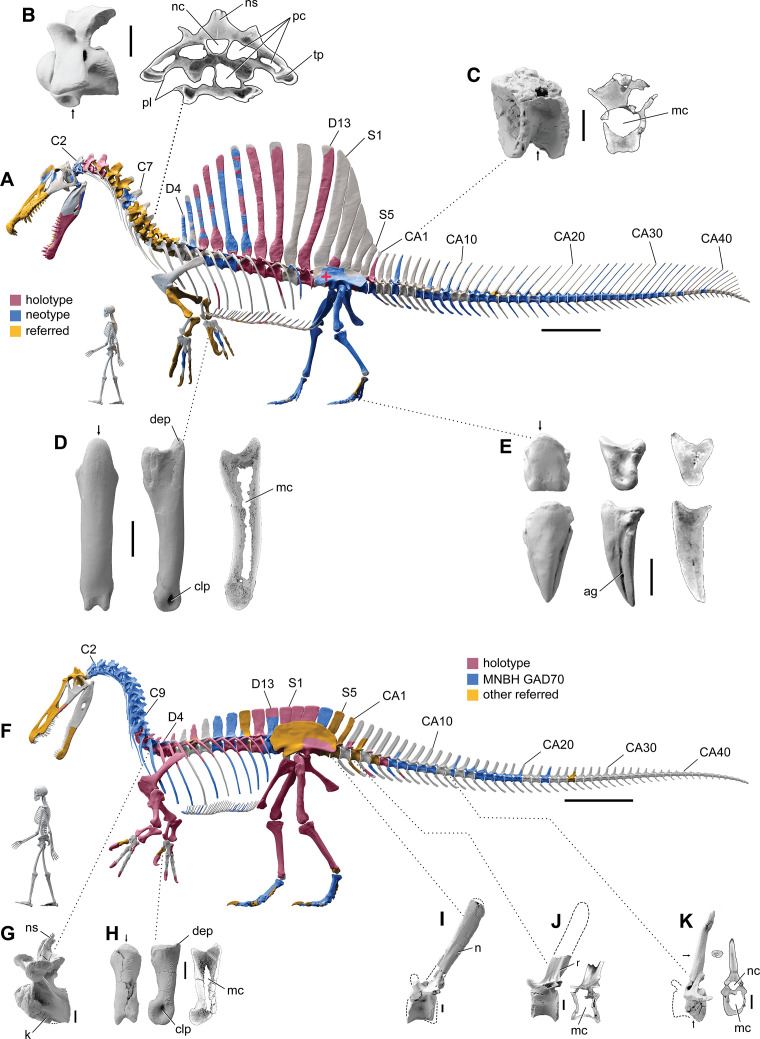
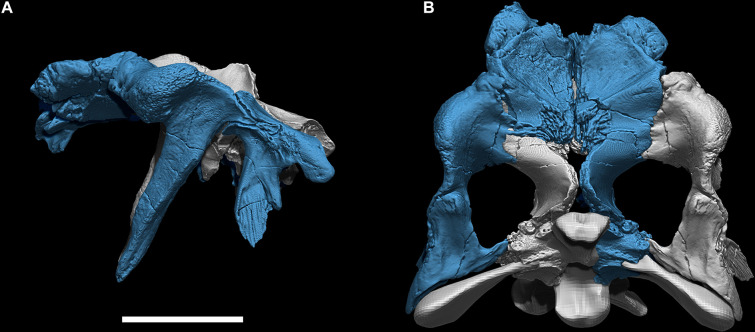
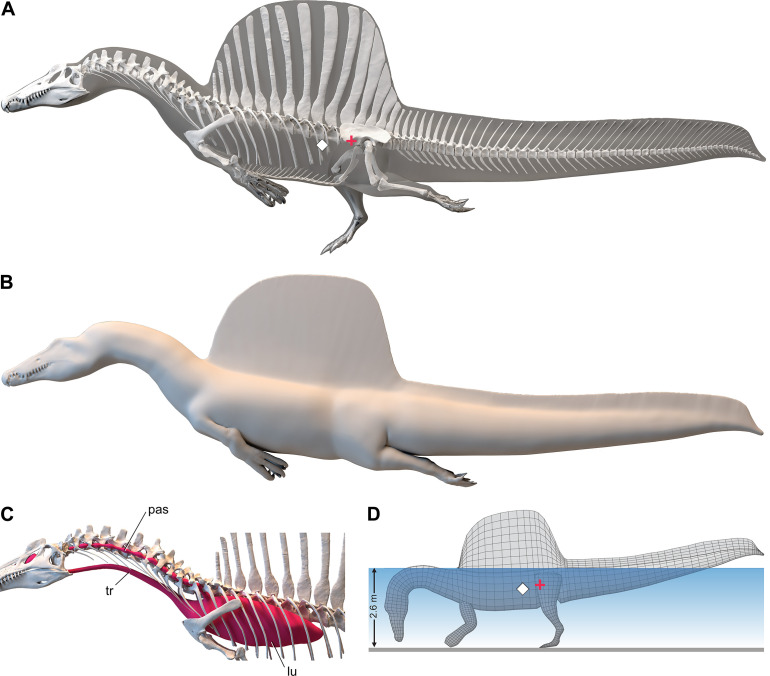
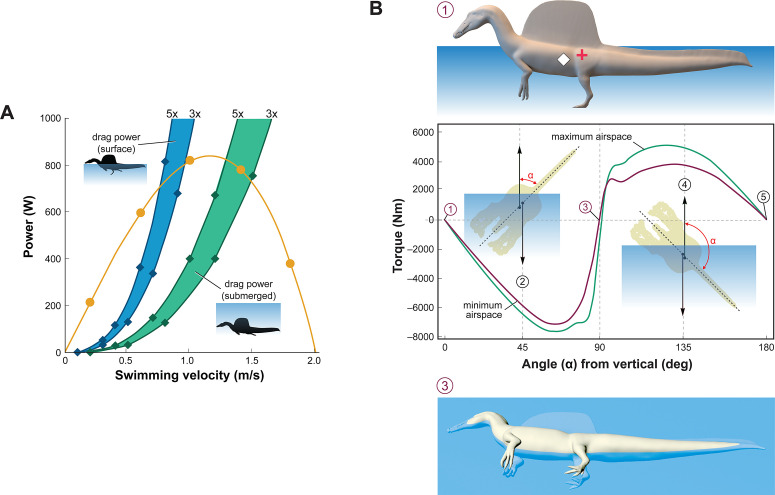
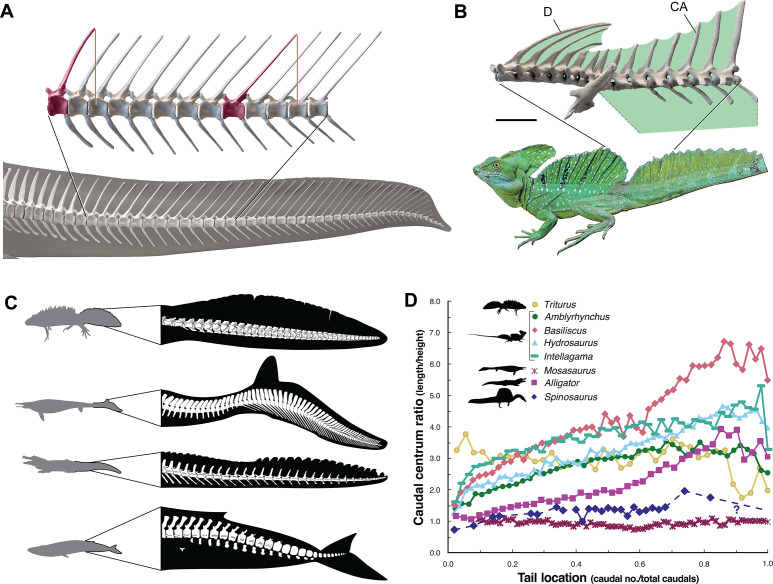
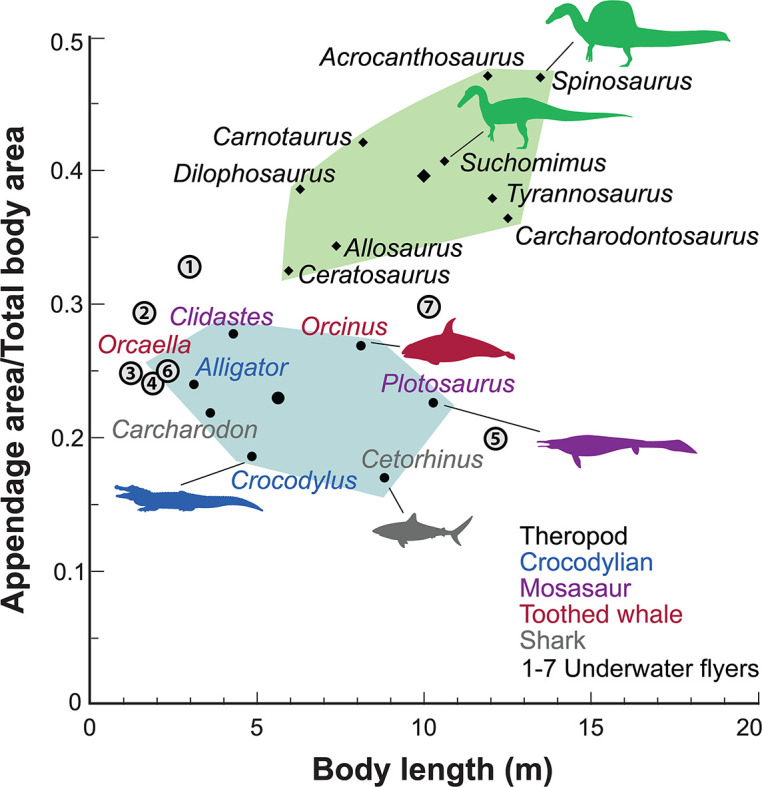
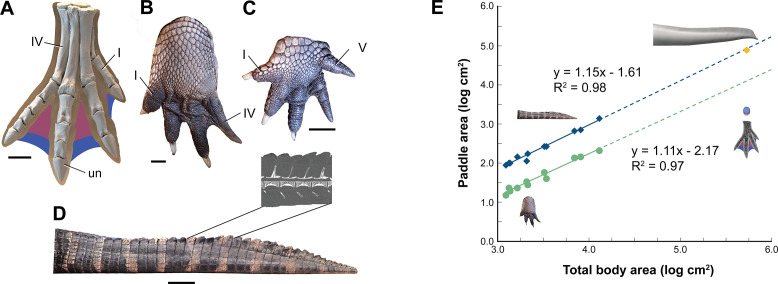
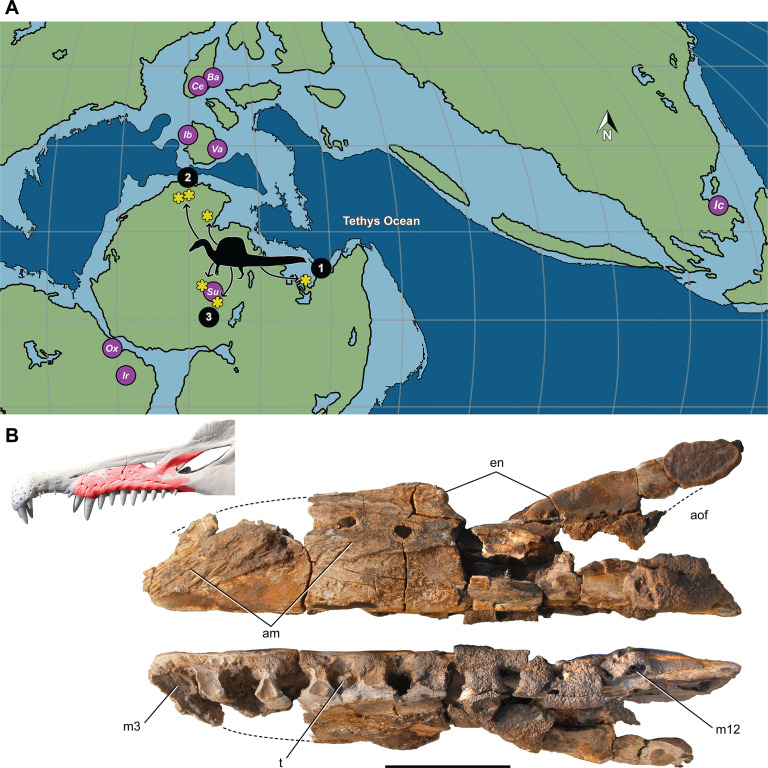
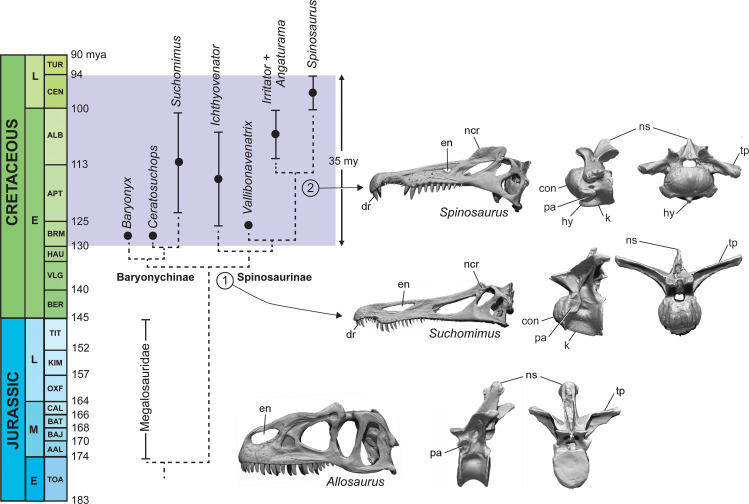
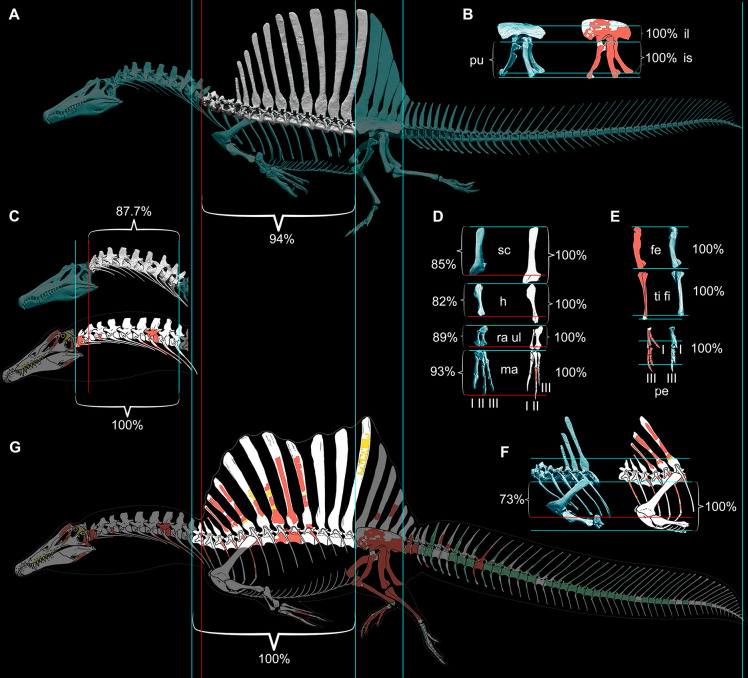
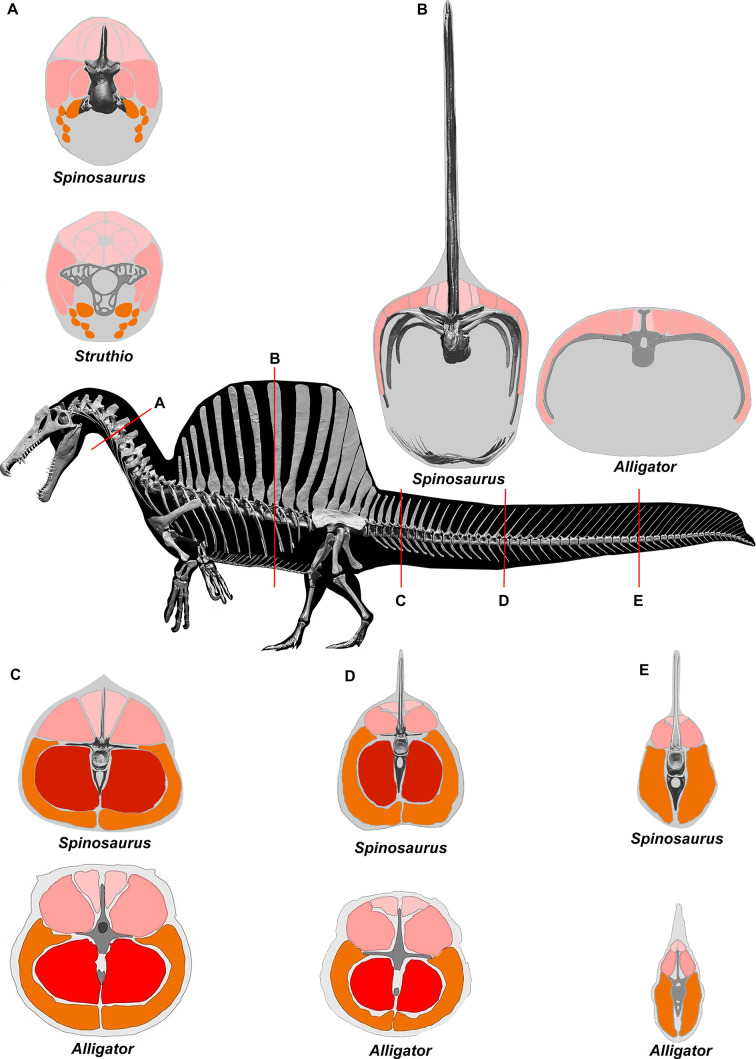
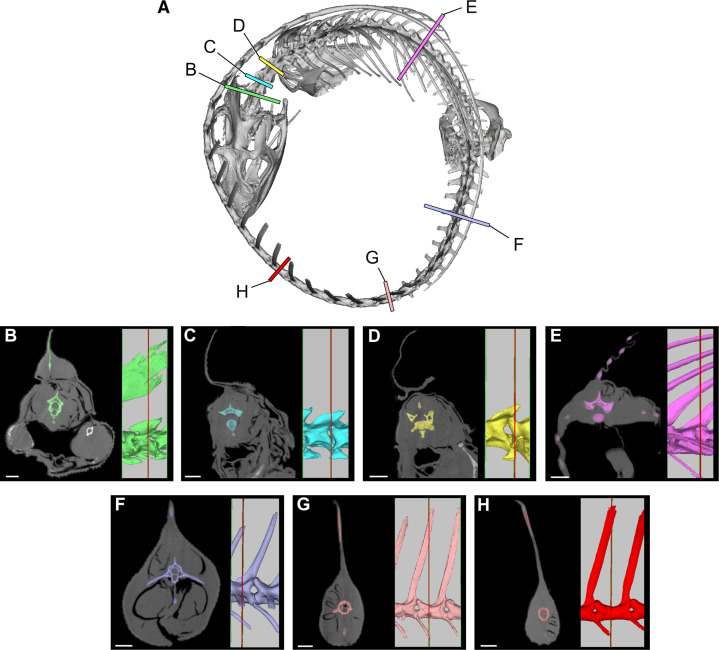
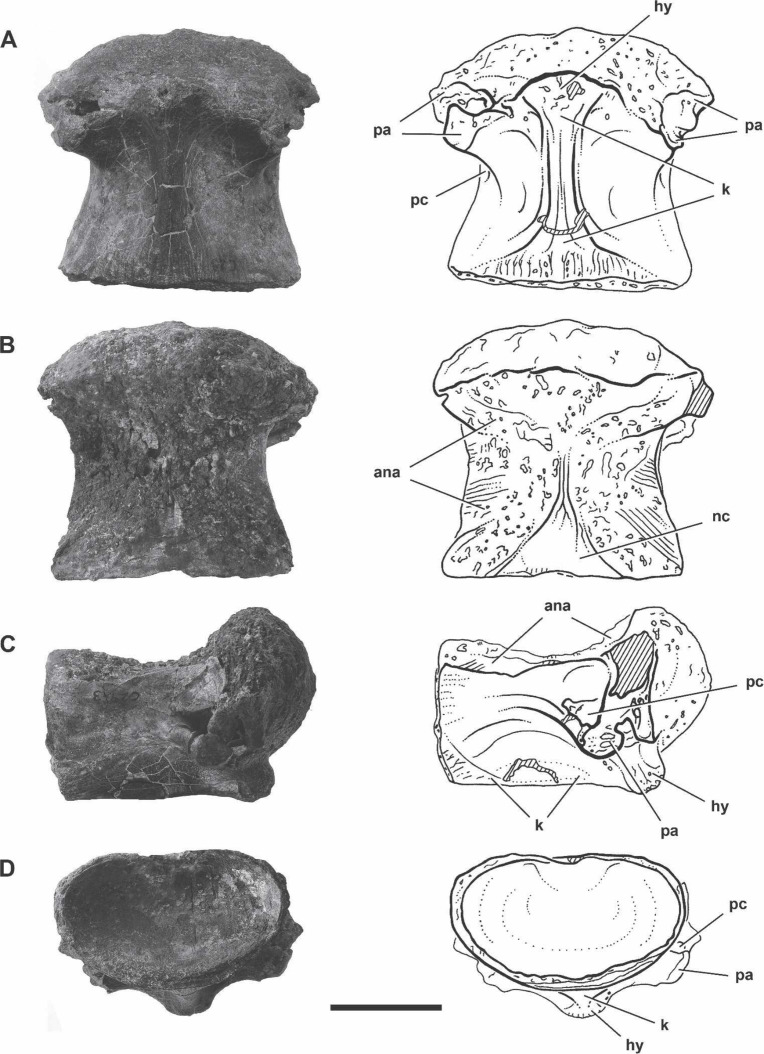
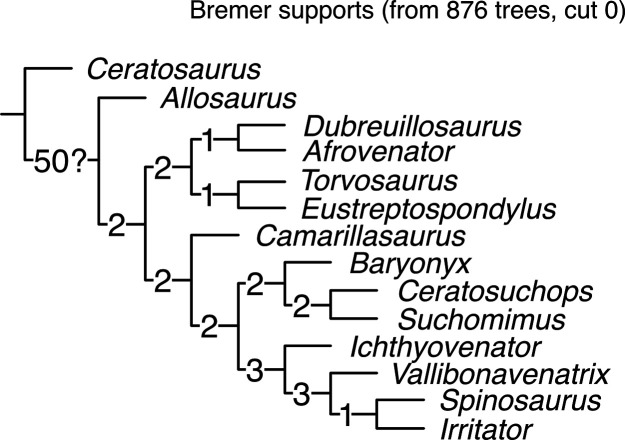
A predominantly fish-eating diet was envisioned for the sail-backed theropod dinosaur when its elongate jaws with subconical teeth were unearthed a century ago in Egypt. Recent discovery of the high-spined tail of that skeleton, however, led to a bolder conjecture that was the first fully aquatic dinosaur. The 'aquatic hypothesis' posits that was a slow quadruped on land but a capable pursuit predator in coastal waters, powered by an expanded tail. We test these functional claims with skeletal and flesh models of . We assembled a CT-based skeletal reconstruction based on the fossils, to which we added internal air and muscle to create a posable flesh model. That model shows that on land was bipedal and in deep water was an unstable, slow-surface swimmer (<1 m/s) too buoyant to dive. Living reptiles with similar spine-supported sails over trunk and tail are used for display rather than aquatic propulsion, and nearly all extant secondary swimmers have reduced limbs and fleshy tail flukes. New fossils also show that ranged far inland. Two stages are clarified in the evolution of , which is best understood as a semiaquatic bipedal ambush piscivore that frequented the margins of coastal and inland waterways.
当这种长有锥形牙齿的狭长颌骨的帆背兽脚亚目恐龙化石在一个世纪前于埃及出土时,人们曾设想它主要以鱼类为食。然而,最近发现的该骨架的高脊尾表明,它可能是第一种完全水生的恐龙。“水生假说”认为,在陆地上,它是一种缓慢的四足动物,但在沿海水域,它是一种强大的追捕型捕食者,其动力来自于扩张的尾巴。我们使用的骨骼和肉体模型来验证这些功能假说。我们根据化石构建了一个基于 CT 的骨骼重建,并在其中添加了内部空气和肌肉,以创建一个可活动的肉体模型。该模型表明,在陆地上,它是两足动物,在深水中,它是一种不稳定的、慢速水面游泳者(<1 米/秒),浮力过大,无法潜水。具有类似脊柱支撑帆状物的活体爬行动物用于展示而非水生推进,而且几乎所有现存的次级游泳者都有退化的肢体和肉质的尾巴。新的化石还表明,它曾在内陆深处活动。在的进化过程中,有两个阶段得到了澄清,最合理的解释是,它是一种半水生的两足伏击性食鱼动物,经常出没于沿海和内陆水道的边缘。