Yousuf Tahira, Dar Sadaf Bashir, Bangri Sadaf Ali, Choh Naseer A, Rasool Zubaida, Shah Altaf, Rather Rafiq Ahmed, Rah Bilal, Bhat Gh Rasool, Ali Shazia, Afroze Dil
Advance Centre for Human Genetics, Sher-I-Kashmir Institute of Medical Sciences (SKIMS), Srinagar, Jammu and Kashmir, India.
Department of Immunology and Molecular Medicine, SKIMS, Srinagar, Jammu and Kashmir, India.
Front Genet. 2022 Nov 15;13:929787. doi: 10.3389/fgene.2022.929787. eCollection 2022.
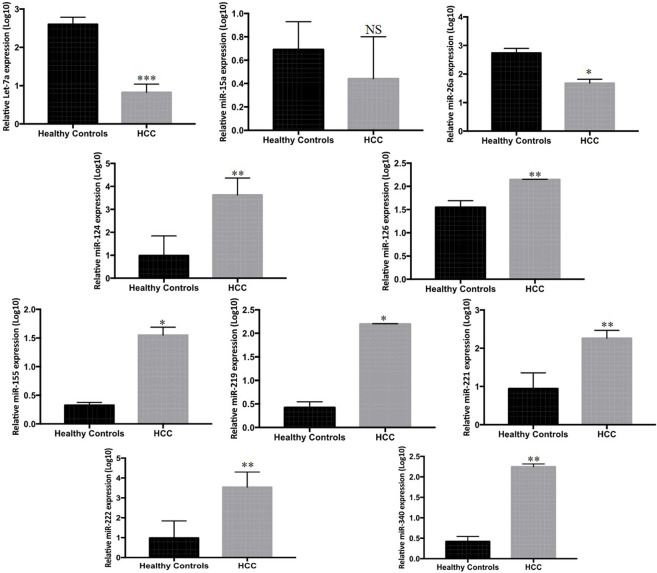
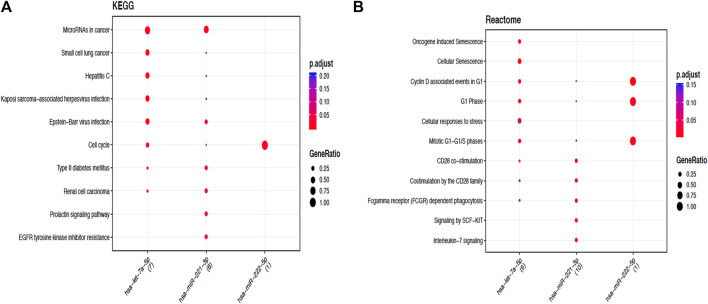
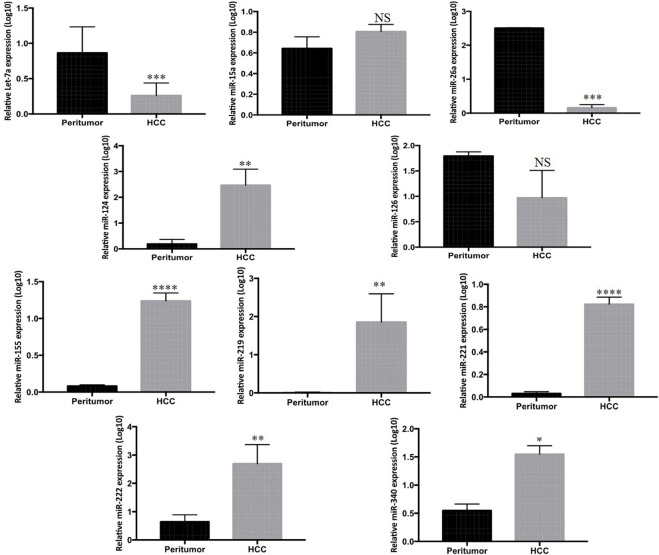
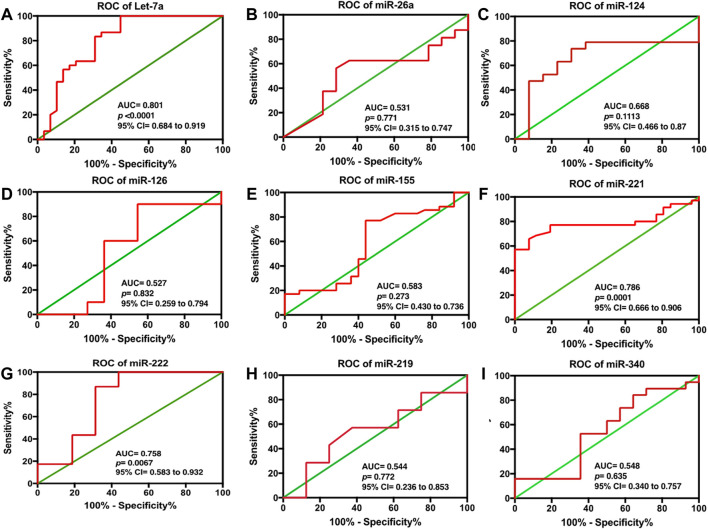
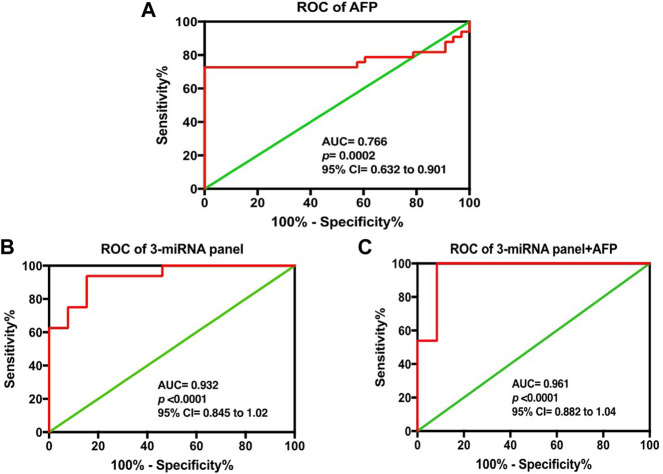
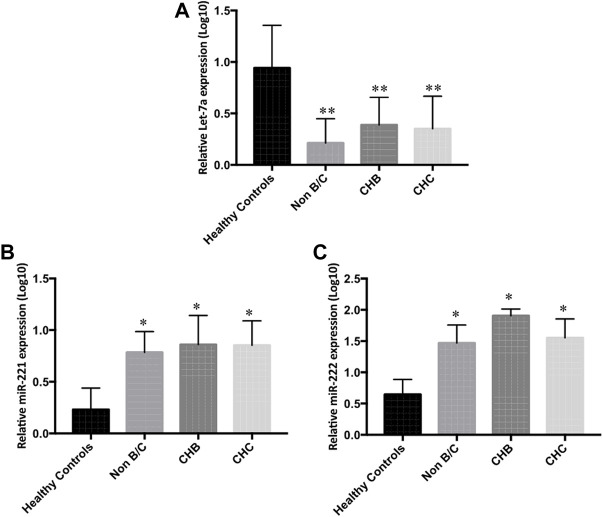
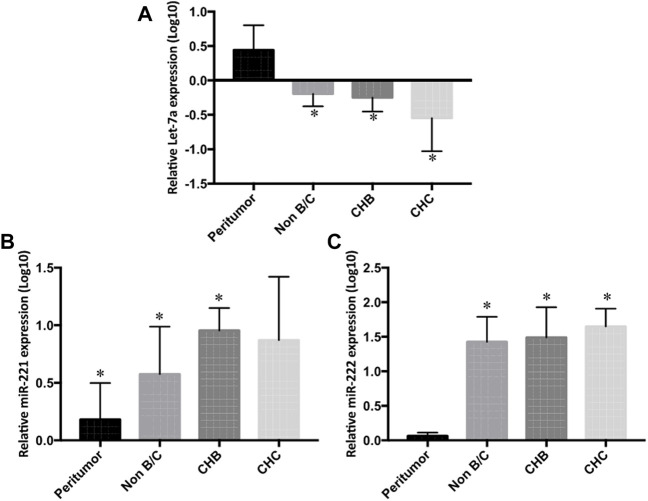
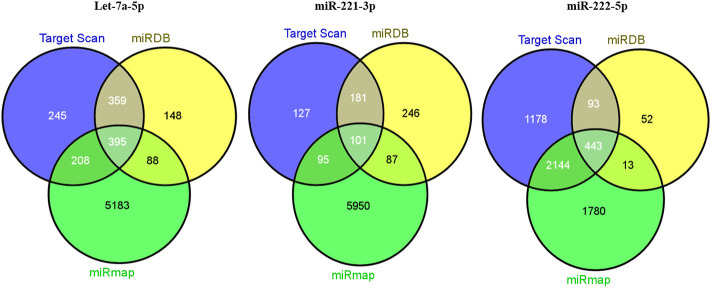
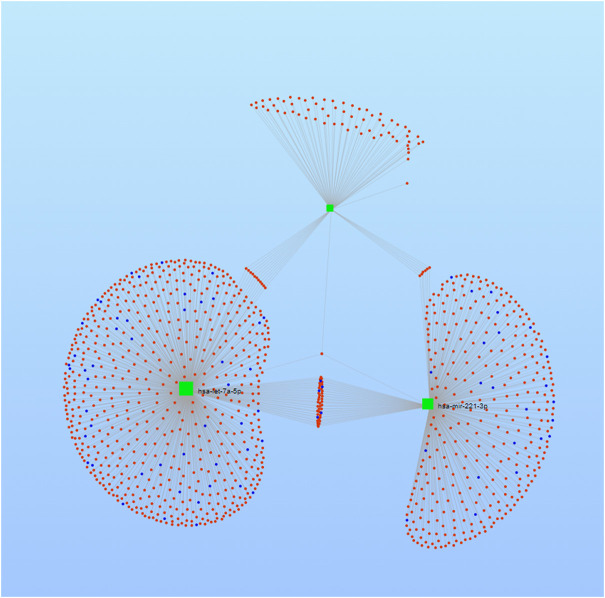
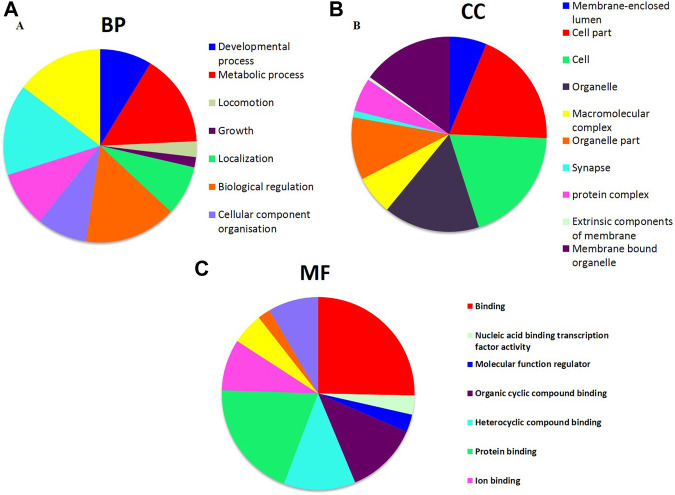
Owing to the diagnostic dilemma, the prognosis of hepatocellular carcinoma (HCC) remains impoverished, contributing to the globally high mortality rate. Currently, HCC diagnosis depends on the combination of imaging modalities and the measurement of serum alpha-fetoprotein (AFP) levels. Nevertheless, these conventional modalities exhibit poor performance in detecting HCC at early stages. Thus, there is a pressing need to identify novel circulating biomarkers to promote diagnostic accuracy and surveillance. Circulating miRNAs are emerging as promising diagnostic tools in screening various cancers, including HCC. However, because of heterogenous and, at times, contradictory reports, the universality of miRNAs in clinical settings remains elusive. Consequently, we proposed to explore the diagnostic potential of ten miRNAs selected on a candidate-based approach in HCC diagnosis. The expression of ten candidate miRNAs (Let-7a, miR-15a, miR-26a, miR-124, miR-126, miR-155, miR-219, miR-221, miR-222, and miR-340) was investigated in serum and tissue of 66 subjects, including 33 HCC patients and 33 healthy controls (HC), by rt-PCR. Receiver operating characteristic curve (ROC) analysis was used to determine the diagnostic accuracy of the prospective serum miRNA panel. To anticipate the potential biological roles of a three-miRNA signature, the target genes were evaluated using the Kyoto Encyclopedia of Genes and Genomes (KEGG) signaling pathway. The serum and tissue expression of miRNAs (Let-7a, miR-26a, miR-124, miR-155, miR-221, miR-222, and miR-340) were differentially expressed in HCC patients ( < 0.05). The ROC analysis revealed promising diagnostic performance of Let-7a (AUC = 0.801), miR-221 (AUC = 0.786), and miR-2 (AUC = 0.758) in discriminating HCC from HC. Furthermore, in a logistic regression equation, we identified a three-miRNA panel (Let-7a, miR-221, and miR-222; AUC = 0.932) with improved diagnostic efficiency in differentiating HCC from HC. Remarkably, the combination of AFP and a three-miRNA panel offered a higher accuracy of HCC diagnosis (AUC = 0.961) than AFP alone. The functional enrichment analysis demonstrated that target genes may contribute to pathways associated with HCC and cell-cycle regulation, indicating possible crosstalk of miRNAs with HCC development. To conclude, the combined classifier of a three-miRNA panel and AFP could be indispensable circulating biomarkers for HCC diagnosis. Furthermore, targeting predicted genes may provide new therapeutic clues for the treatment of aggressive HCC.
由于诊断难题,肝细胞癌(HCC)的预后仍然很差,导致全球死亡率居高不下。目前,HCC诊断依赖于影像学检查和血清甲胎蛋白(AFP)水平的测定。然而,这些传统方法在早期检测HCC方面表现不佳。因此,迫切需要鉴定新的循环生物标志物以提高诊断准确性和监测水平。循环miRNA正在成为筛查包括HCC在内的各种癌症的有前景的诊断工具。然而,由于报告的异质性以及有时相互矛盾,miRNA在临床环境中的普遍性仍然难以捉摸。因此,我们建议探索基于候选方法选择的十种miRNA在HCC诊断中的潜在诊断价值。通过逆转录聚合酶链反应(rt-PCR)检测了66名受试者(包括33例HCC患者和33名健康对照(HC))血清和组织中十种候选miRNA(Let-7a、miR-15a、miR-26a、miR-124、miR-126、miR-155、miR-219、miR-221、miR-222和miR-340)的表达。采用受试者工作特征曲线(ROC)分析来确定前瞻性血清miRNA检测组合的诊断准确性。为了预测三种miRNA特征的潜在生物学作用,使用京都基因与基因组百科全书(KEGG)信号通路对靶基因进行了评估。miRNA(Let-7a、miR-26a、miR-124、miR-155、miR-221、miR-222和miR-340)的血清和组织表达在HCC患者中存在差异(<0.05)。ROC分析显示Let-7a(AUC = 0.801)、miR-221(AUC = 0.786)和miR-2(AUC = 0.758)在区分HCC与HC方面具有良好的诊断性能。此外,在逻辑回归方程中,我们确定了一个三种miRNA组合(Let-7a、miR-221和miR-222;AUC = 0.932),其在区分HCC与HC方面具有更高的诊断效率。值得注意的是,AFP与三种miRNA组合联合使用比单独使用AFP具有更高的HCC诊断准确性(AUC = 0.961)。功能富集分析表明,靶基因可能参与与HCC和细胞周期调控相关的通路,表明miRNA与HCC发展之间可能存在相互作用。总之,三种miRNA组合与AFP的联合分类器可能是HCC诊断中不可或缺的循环生物标志物。此外,针对预测基因可能为侵袭性HCC的治疗提供新的治疗线索。