Department of Psychology and Neuroscience, Duke University, Durham, North Carolina, USA.
Child Dev. 2023 Mar;94(2):478-496. doi: 10.1111/cdev.13872. Epub 2022 Dec 1.
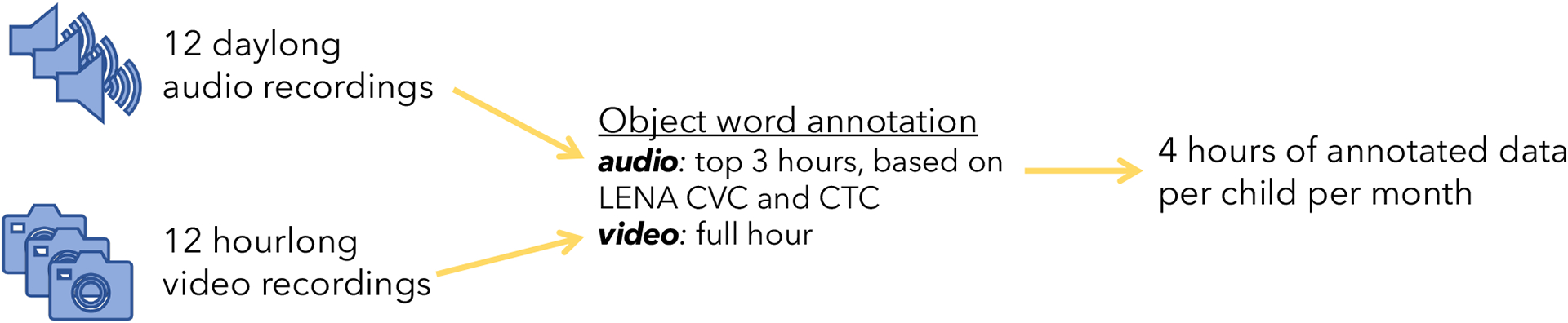
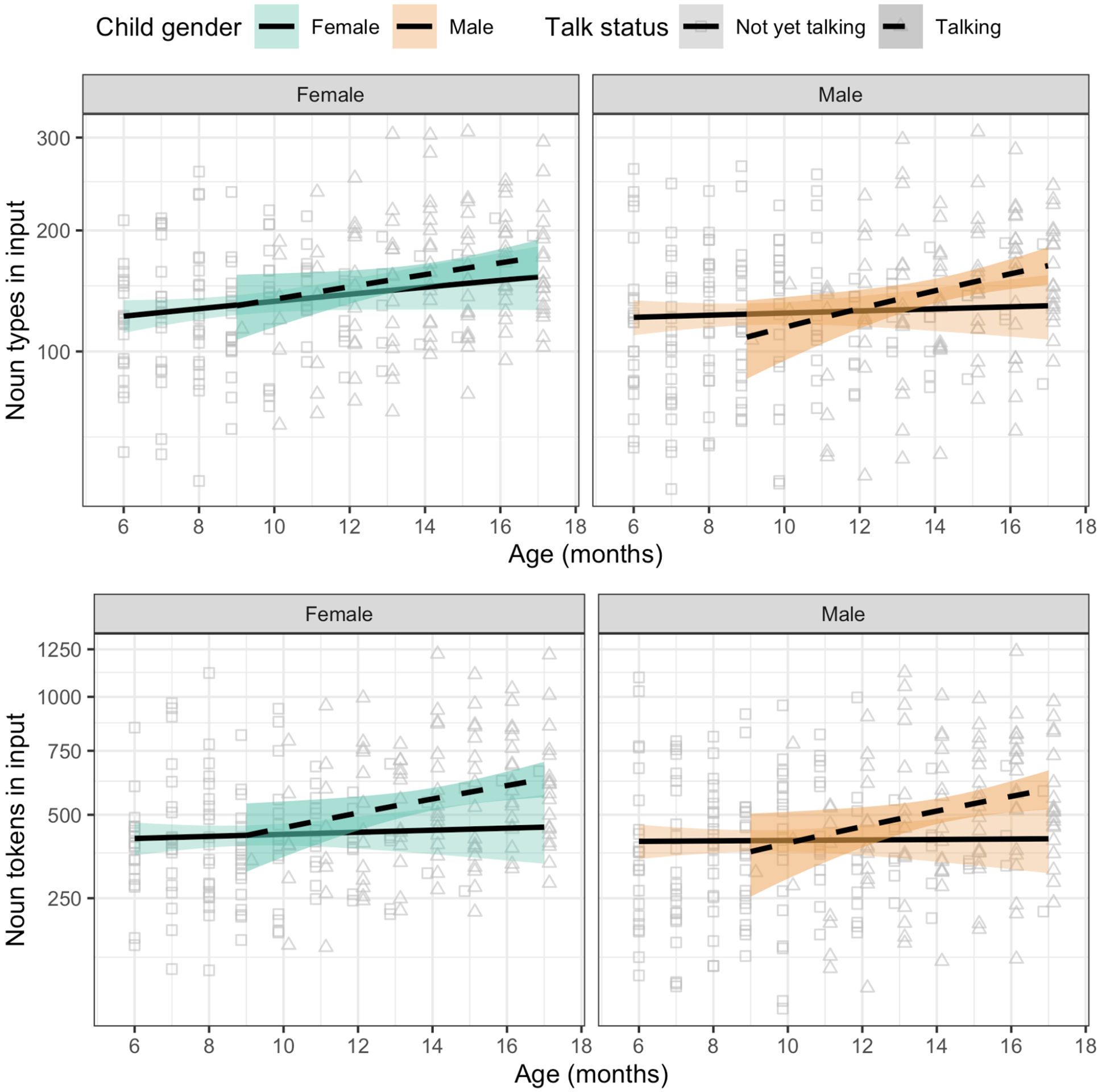
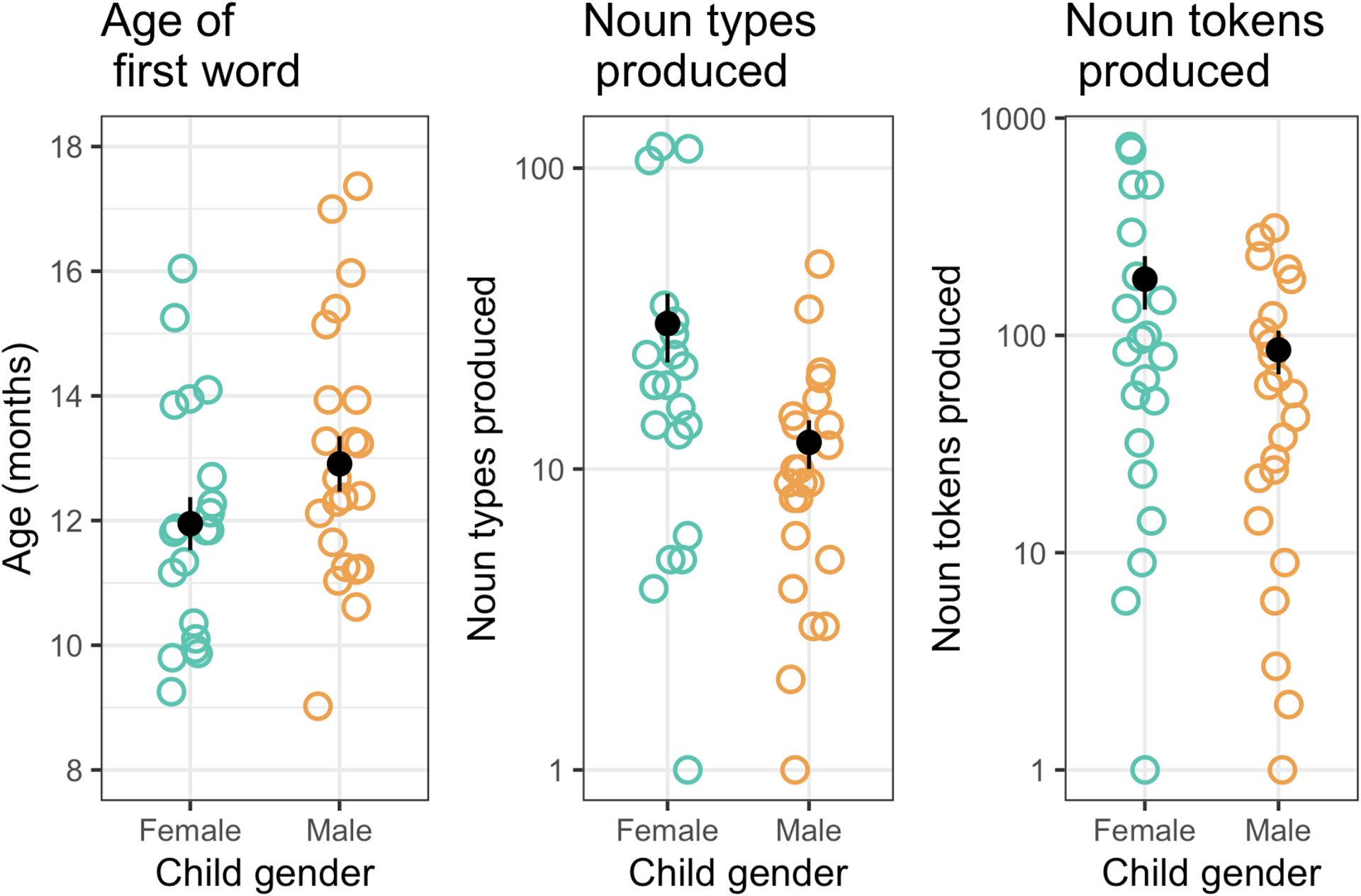
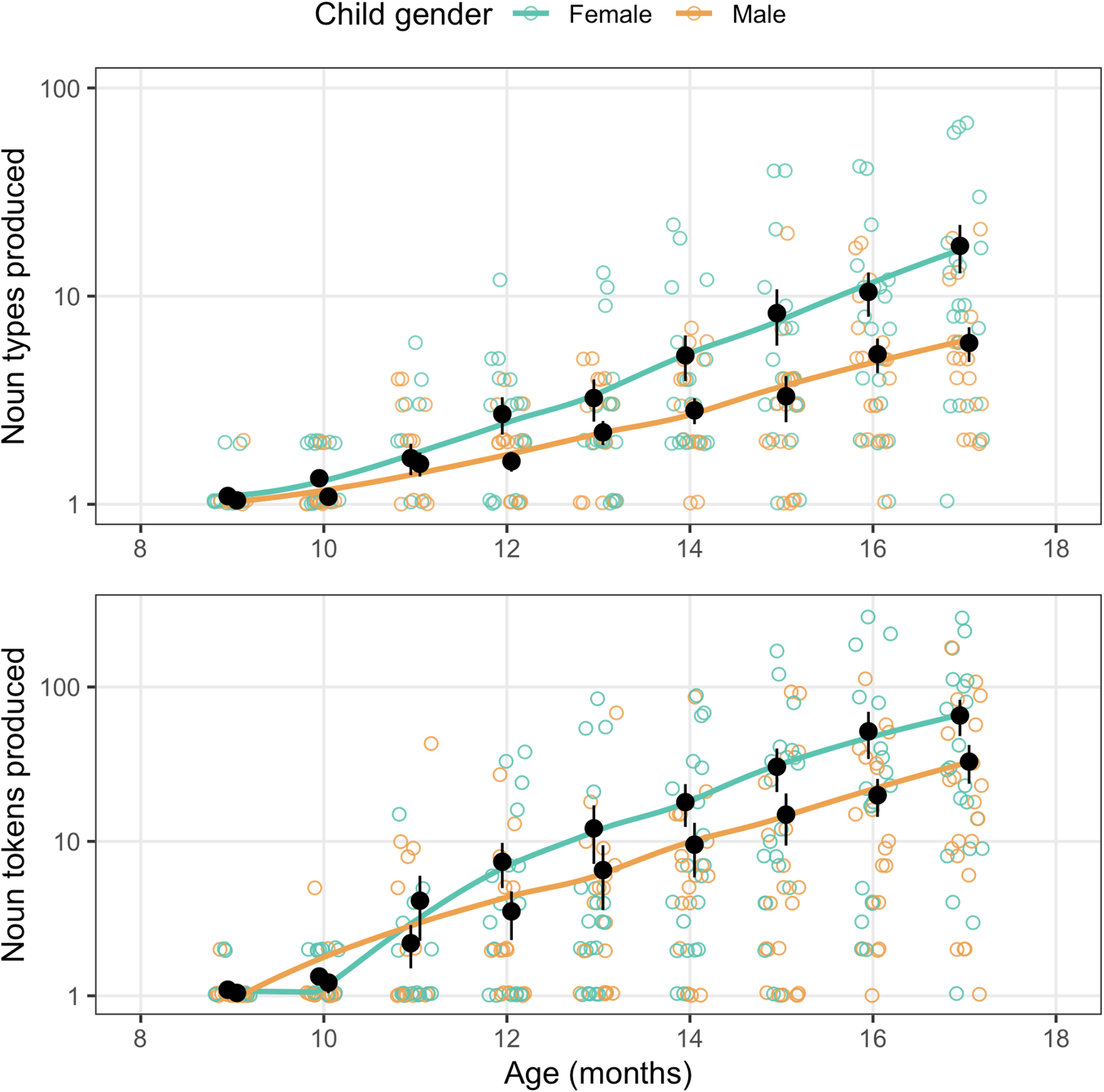
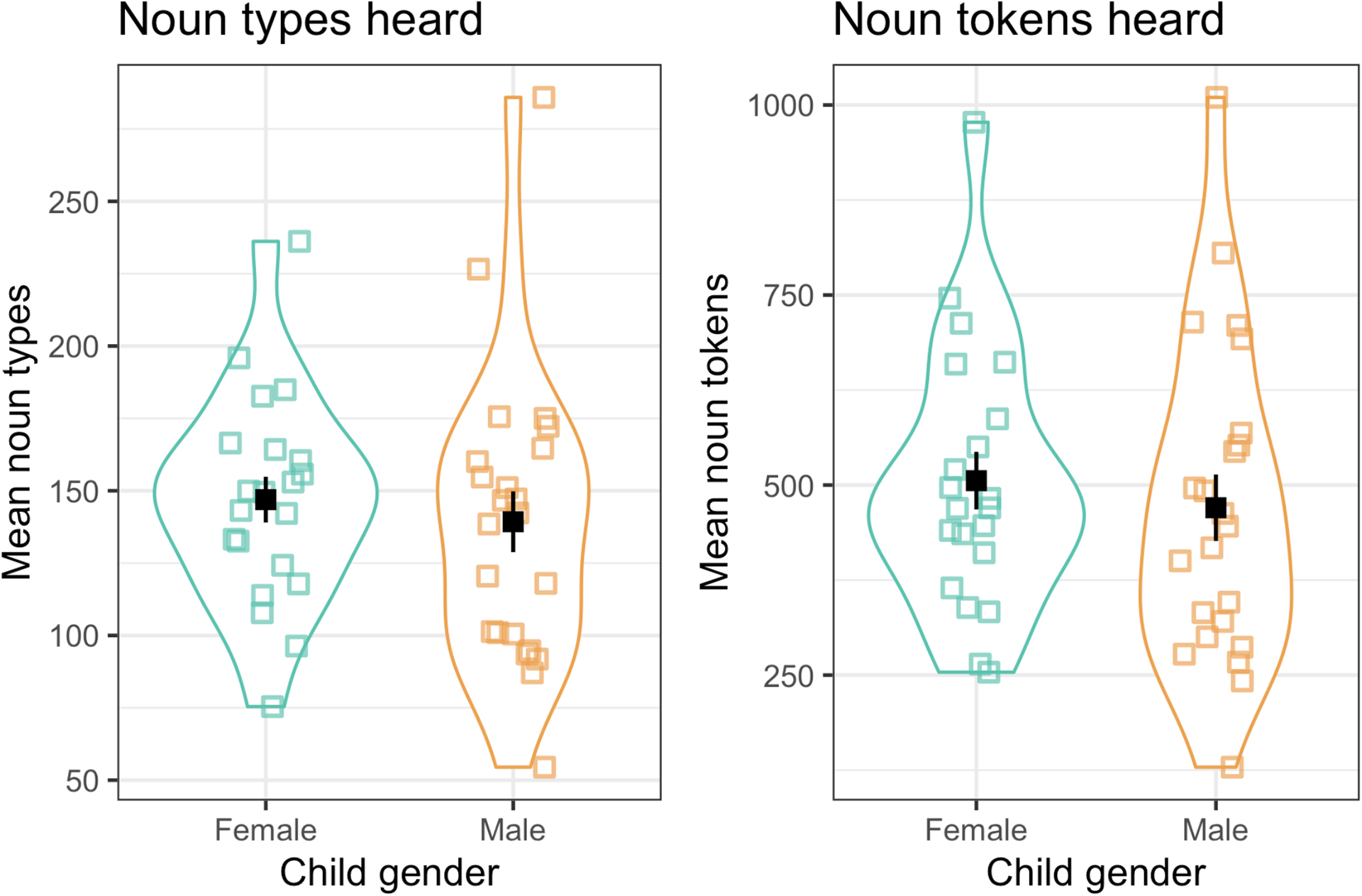
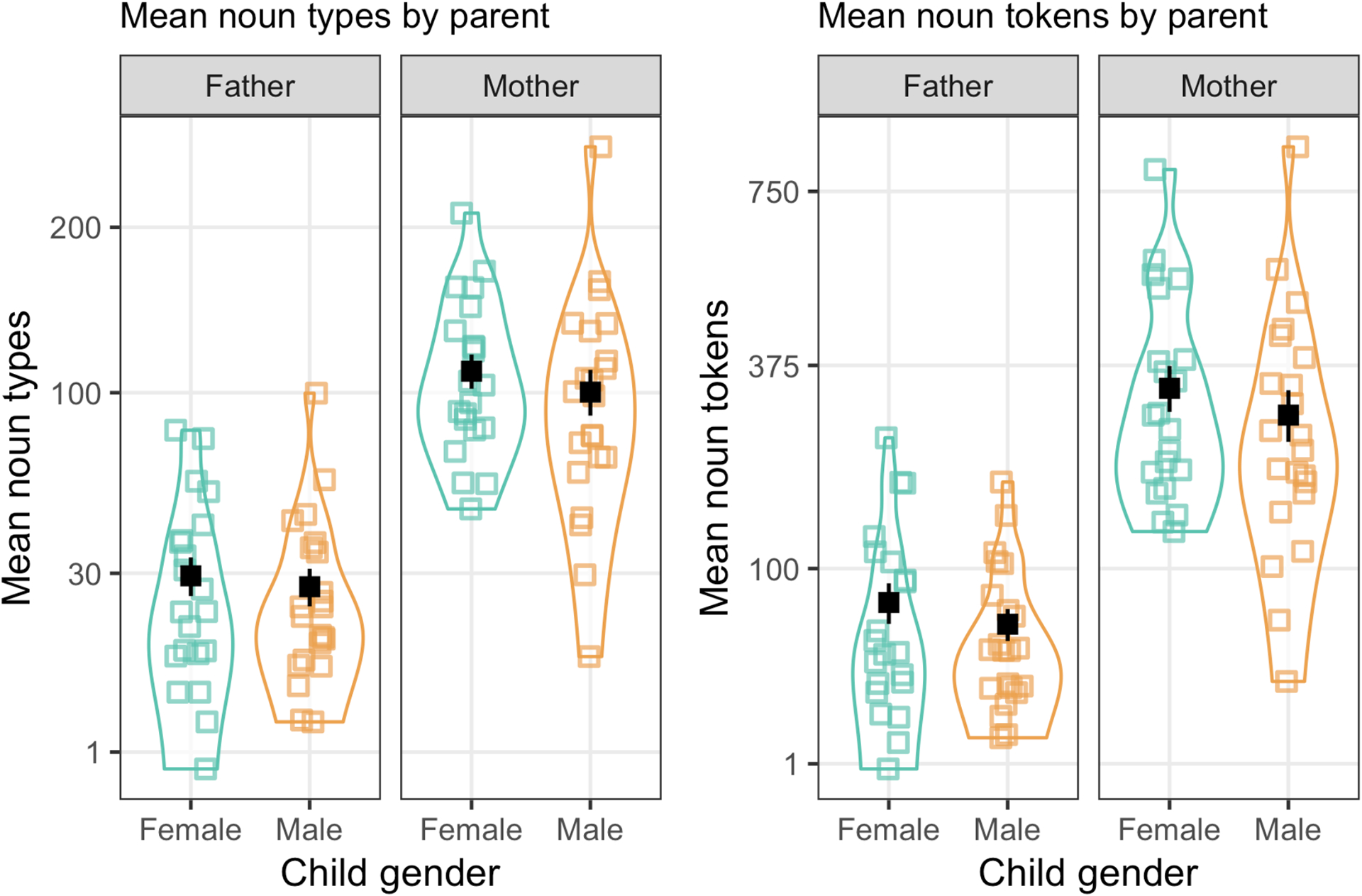
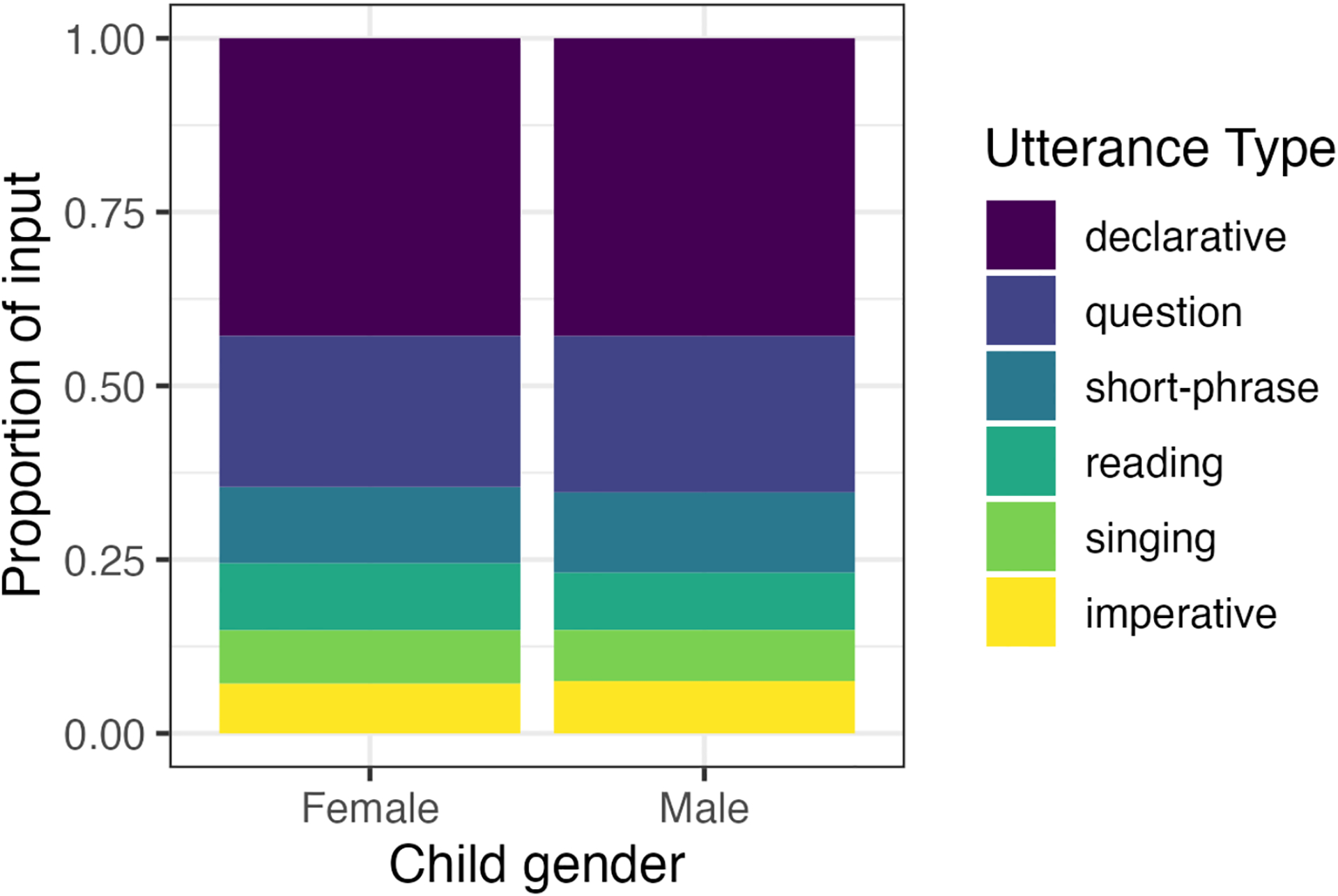
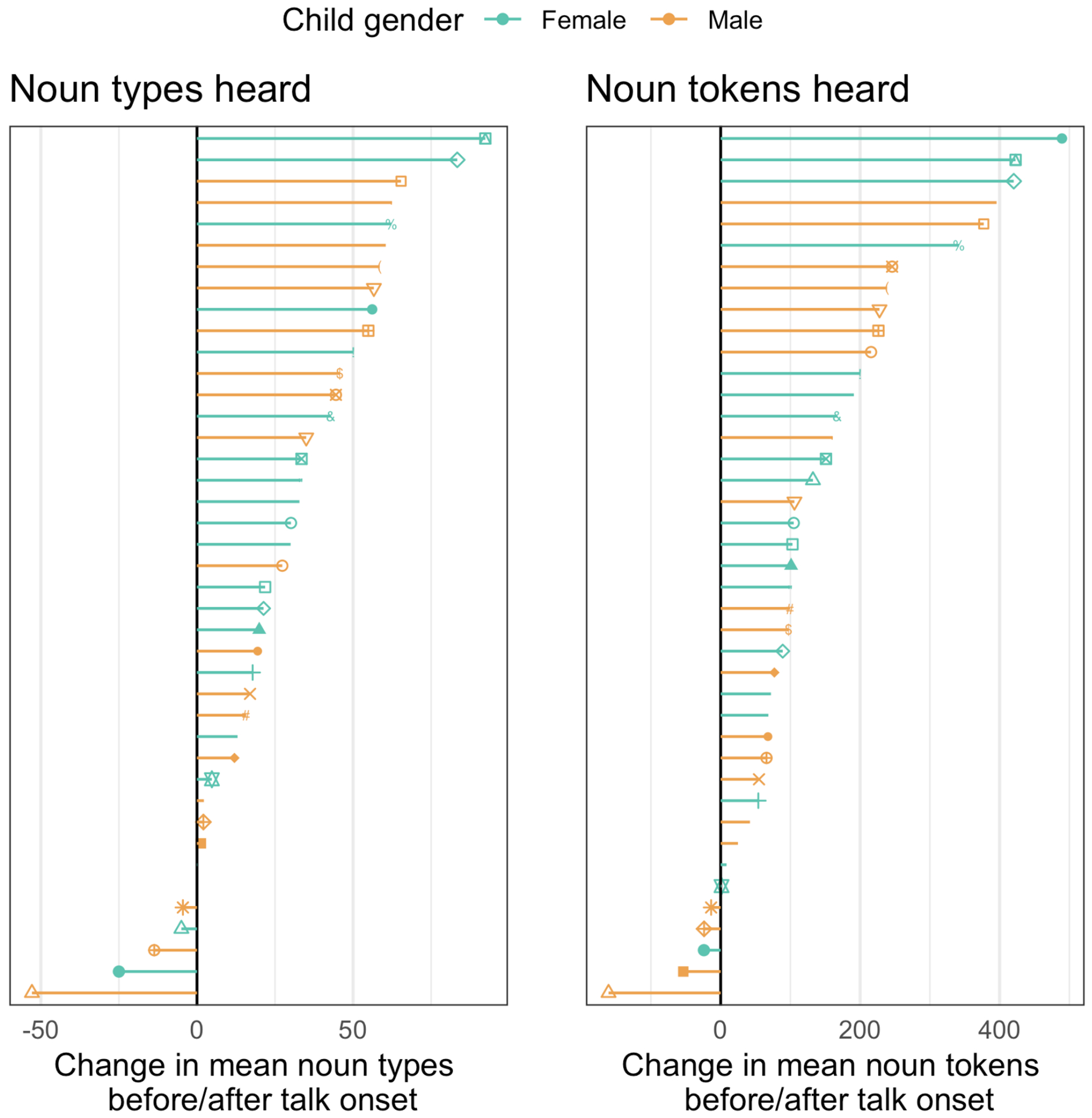
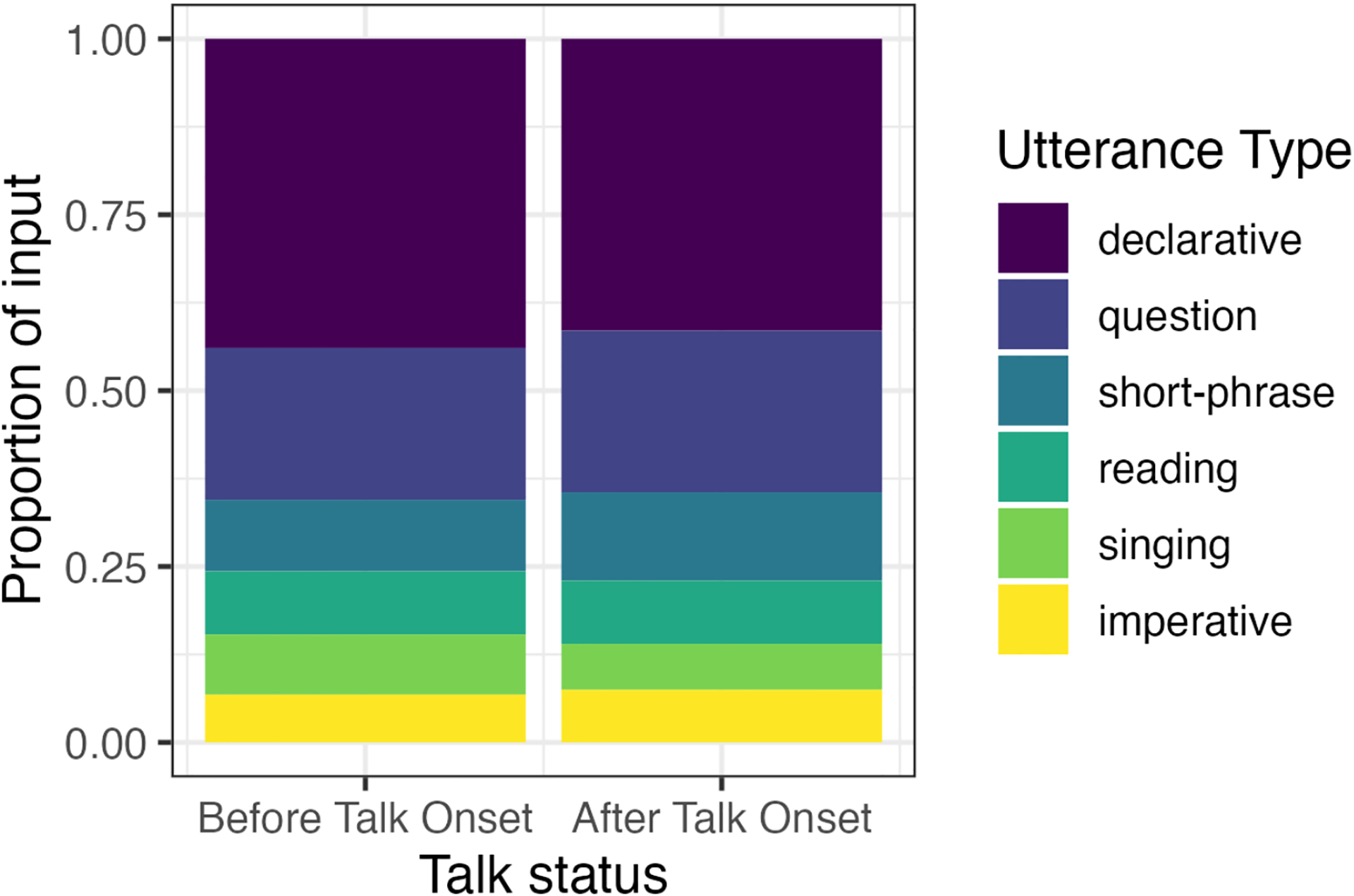
Prior research points to gender differences in some early language skills, but is inconclusive about the mechanisms at play, providing evidence that both infants' early input and productions may differ by gender. This study examined the linguistic input and early productions of 44 American English-learning infants (93% White) in a longitudinal sample of home recordings collected at 6-17 months (in 2014-2016). Girls produced more unique words than boys (Cohen's d = .67) and this effect grew with age, but there were no significant gender differences in language input (d = .22-.24). Instead, caregivers talked more to infants who had begun to talk (d = .93-.97), regardless of gender. Therefore, prior results highlighting gender-based input differences may have been due, at least partly, to this talking-to-talkers effect.
先前的研究指出,在一些早期语言技能方面存在性别差异,但作用机制尚无定论,这表明婴儿早期的输入和产出可能因性别而异。本研究通过对 2014 年至 2016 年期间收集的纵向家庭录音进行分析,考察了 44 名美国英语学习婴儿(93%为白人)的语言输入和早期语言产出。女孩比男孩说出更多的独特词汇(Cohen's d = 0.67),且这种影响随年龄增长而增加,但语言输入方面不存在显著的性别差异(d = 0.22-0.24)。相反,照顾者与已经开始说话的婴儿交谈更多(d = 0.93-0.97),而不论其性别如何。因此,先前强调基于性别的输入差异的结果可能至少部分归因于这种与说话者交谈的效应。