
利用人类、大鼠和斑马鱼的跨物种脑转录组分析揭示情感障碍的进化保守基因表达模式。
Evolutionarily conserved gene expression patterns for affective disorders revealed using cross-species brain transcriptomic analyses in humans, rats and zebrafish.
机构信息
Almazov National Medical Research Centre, Ministry of Healthcare of Russian Federation, St. Petersburg, Russia.
Institute of Translational Biomedicine, St. Petersburg State University, St. Petersburg, Russia.
出版信息
Sci Rep. 2022 Dec 2;12(1):20836. doi: 10.1038/s41598-022-22688-x.
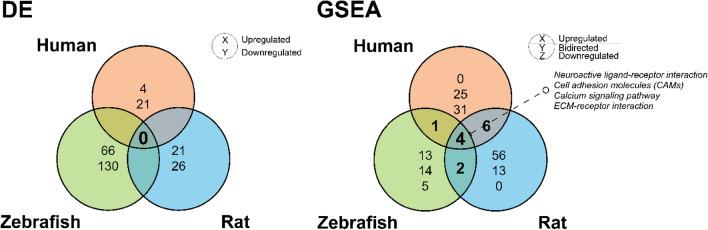
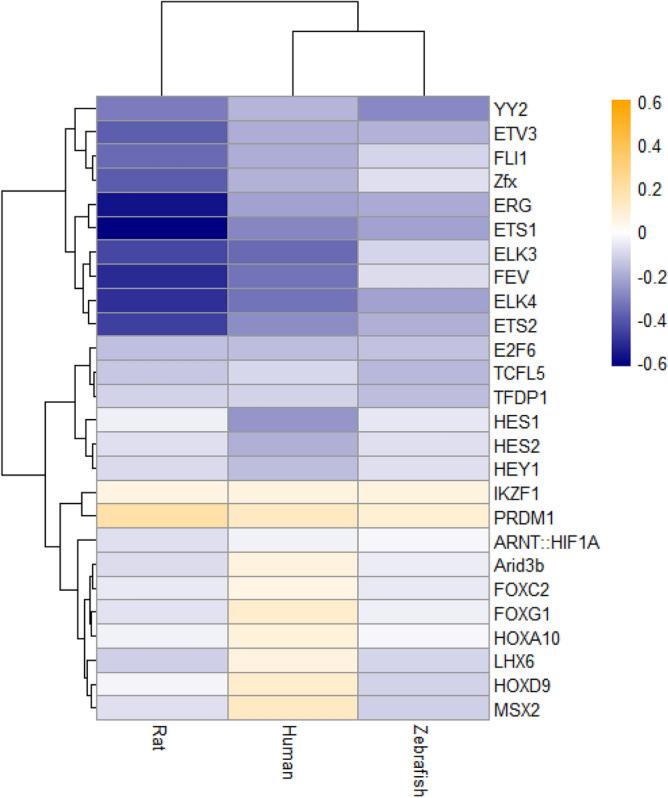
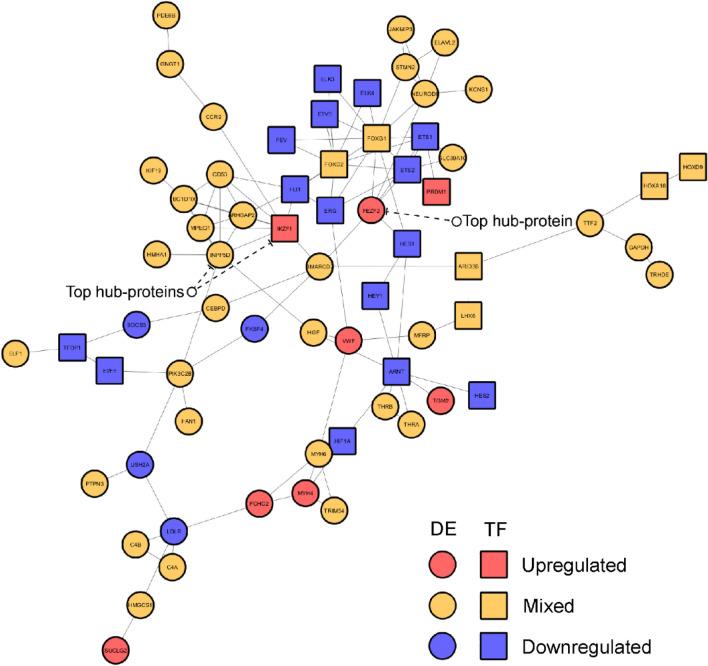
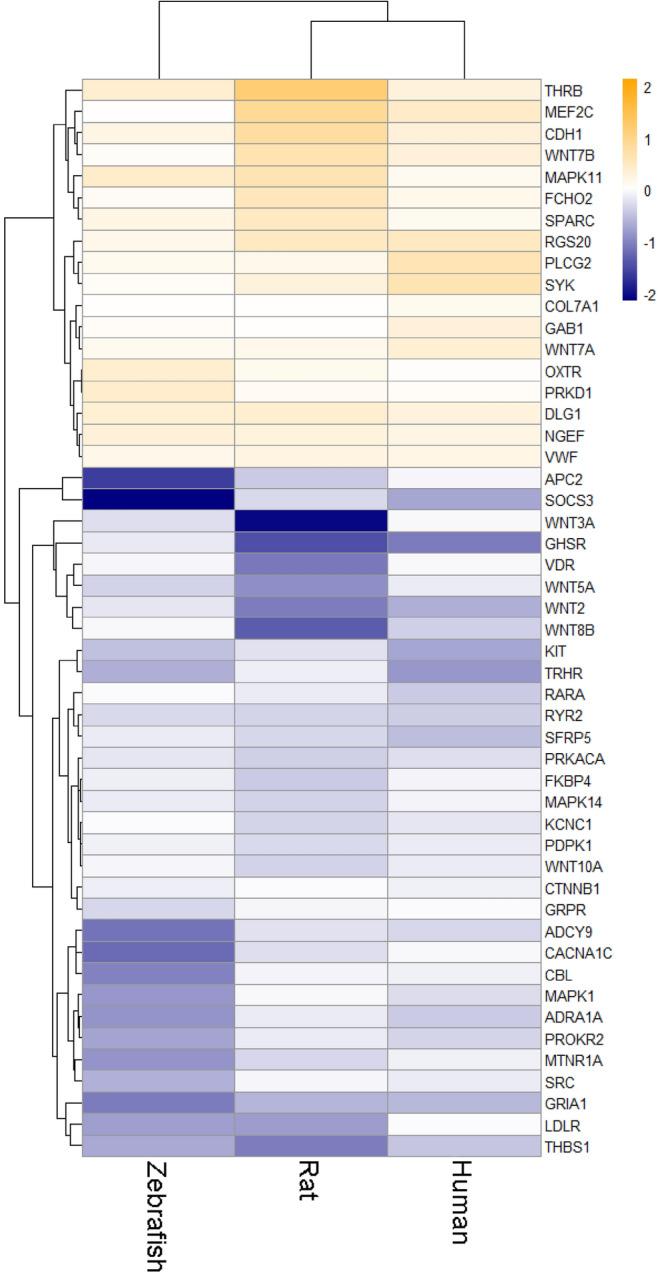
Widespread, debilitating and often treatment-resistant, depression and other stress-related neuropsychiatric disorders represent an urgent unmet biomedical and societal problem. Although animal models of these disorders are commonly used to study stress pathogenesis, they are often difficult to translate across species into valuable and meaningful clinically relevant data. To address this problem, here we utilized several cross-species/cross-taxon approaches to identify potential evolutionarily conserved differentially expressed genes and their sets. We also assessed enrichment of these genes for transcription factors DNA-binding sites down- and up- stream from their genetic sequences. For this, we compared our own RNA-seq brain transcriptomic data obtained from chronically stressed rats and zebrafish with publicly available human transcriptomic data for patients with major depression and their respective healthy control groups. Utilizing these data from the three species, we next analyzed their differential gene expression, gene set enrichment and protein-protein interaction networks, combined with validated tools for data pooling. This approach allowed us to identify several key brain proteins (GRIA1, DLG1, CDH1, THRB, PLCG2, NGEF, IKZF1 and FEZF2) as promising, evolutionarily conserved and shared affective 'hub' protein targets, as well as to propose a novel gene set that may be used to further study affective pathogenesis. Overall, these approaches may advance cross-species brain transcriptomic analyses, and call for further cross-species studies into putative shared molecular mechanisms of affective pathogenesis.
广泛性、使人虚弱且经常难以治疗的抑郁症和其他与压力相关的神经精神疾病是一个紧迫的未满足的生物医学和社会问题。尽管这些疾病的动物模型常用于研究应激发病机制,但它们通常难以在物种之间转化为有价值和有意义的临床相关数据。为了解决这个问题,我们在这里利用了几种跨物种/跨分类群的方法来识别潜在的进化保守的差异表达基因及其集合。我们还评估了这些基因的转录因子 DNA 结合位点在其遗传序列上下游的富集情况。为此,我们将我们自己从慢性应激大鼠和斑马鱼中获得的 RNA-seq 大脑转录组学数据与公开的重度抑郁症患者及其各自的健康对照组的人类转录组学数据进行了比较。利用这三种物种的数据,我们接下来分析了它们的差异基因表达、基因集富集和蛋白质-蛋白质相互作用网络,结合了用于数据池化的验证工具。这种方法使我们能够识别出几种关键的大脑蛋白(GRIA1、DLG1、CDH1、THRB、PLCG2、NGEF、IKZF1 和 FEZF2)作为有前途的、进化上保守的和共享的情感“枢纽”蛋白靶标,并提出了一个可能用于进一步研究情感发病机制的新基因集。总的来说,这些方法可以推进跨物种大脑转录组学分析,并呼吁进一步进行跨物种研究,以探索情感发病机制的潜在共享分子机制。






 Zotero 插件