NSU Genome Research Institute, North South University, Dhaka, Bangladesh.
Division of Infectious Diseases and Geographic Medicine, School of Medicine, Stanford University, Palo Alto, California, USA.
BMC Genomics. 2022 Dec 5;23(1):802. doi: 10.1186/s12864-022-08991-x.
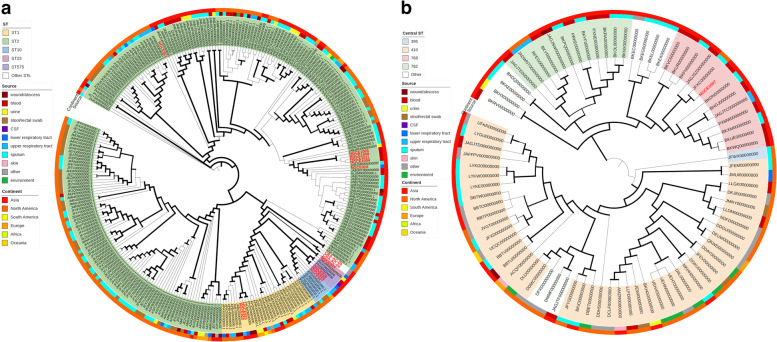
Acinetobacter calcoaceticus-A. baumannii (ACB) complex pathogens are known for their prevalence in nosocomial infections and extensive antimicrobial resistance (AMR) capabilities. While genomic studies worldwide have elucidated the genetic context of antibiotic resistance in major international clones (ICs) of clinical Acinetobacter spp., not much information is available from Bangladesh. In this study, we analysed the AMR profiles of 63 ACB complex strains collected from Dhaka, Bangladesh. Following this, we generated draft genomes of 15 of these strains to understand the prevalence and genomic environments of AMR, virulence and mobilization associated genes in different Acinetobacter clones.
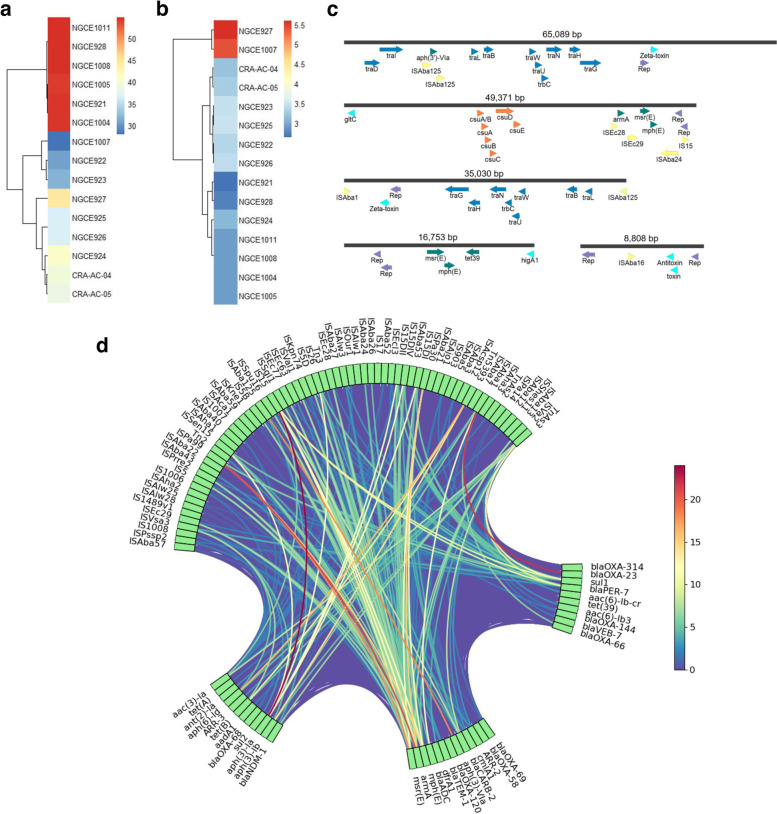
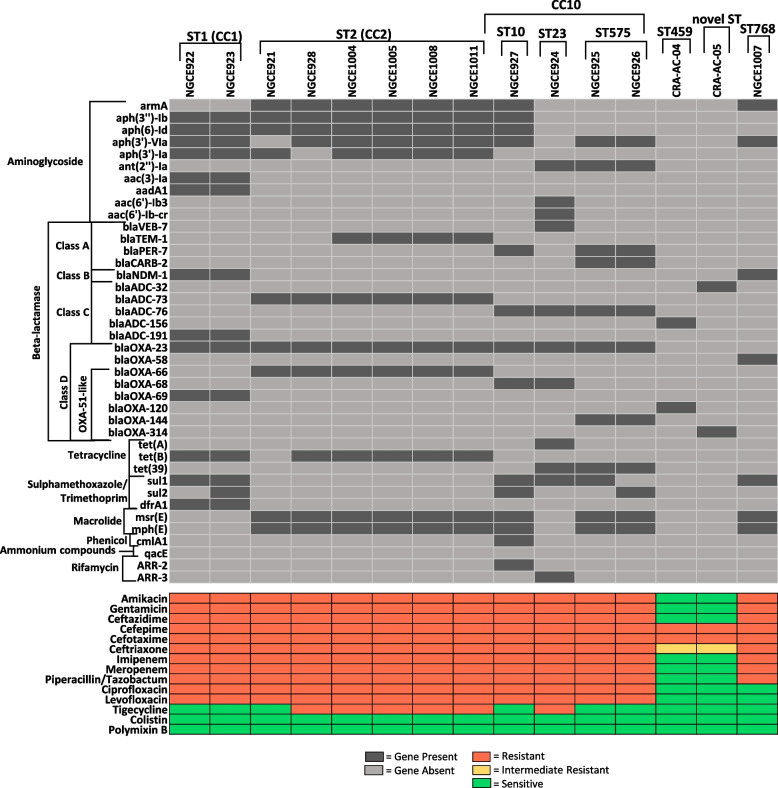
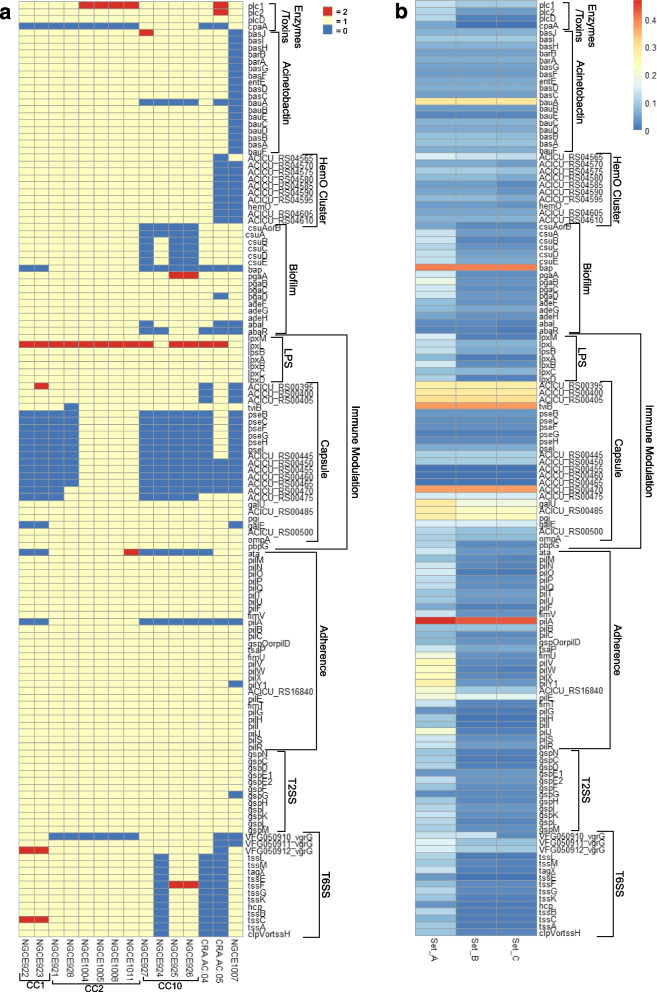
Around 84% (n = 53) of the strains were extensively drug resistant (XDR) with two showing pan-drug resistance. Draft genomes generated for 15 strains confirmed 14 to be A. baumannii while one was A. nosocomialis. Most A. baumannii genomes fell under three clonal complexes (CCs): the globally dominant CC1 and CC2, and CC10; one strain had a novel sequence type (ST). AMR phenotype-genotype agreement was observed and the genomes contained various beta-lactamase genes including bla (n = 12), bla (n = 6), and bla (n = 3). All genomes displayed roughly similar virulomes, however some virulence genes such as the Acinetobactin bauA and the type IV pilus gene pilA displayed high genetic variability. CC2 strains carried highest levels of plasmidic gene content and possessed conjugative elements carrying AMR genes, virulence factors and insertion sequences.
This study presents the first comparative genomic analysis of XDR clinical Acinetobacter spp. from Bangladesh. It highlights the prevalence of different classes of beta-lactamases, mobilome-derived heterogeneity in genetic architecture and virulence gene variability in prominent Acinetobacter clonal complexes in the country. The findings of this study would be valuable in understanding the genomic epidemiology of A. baumannii clones and their association with closely related pathogenic species like A. nosocomialis in Bangladesh.
鲍曼不动杆菌-醋酸钙不动杆菌复合菌(ACB)病原体以其在医院感染中的普遍性和广泛的抗生素耐药性(AMR)能力而闻名。虽然全球的基因组研究已经阐明了临床不动杆菌种主要国际克隆(IC)中抗生素耐药的遗传背景,但来自孟加拉国的信息并不多。在这项研究中,我们分析了来自孟加拉国达卡的 63 株 ACB 复合菌的 AMR 谱。在此之后,我们对其中的 15 株菌进行了基因组草图的生成,以了解不同不动杆菌克隆中 AMR、毒力和移动相关基因的流行情况和基因组环境。
约 84%(n=53)的菌株为广泛耐药(XDR),其中 2 株表现为泛耐药。对 15 株菌生成的基因组草图证实,其中 14 株为鲍曼不动杆菌,1 株为鲍曼不动杆菌 nosocomialis。大多数鲍曼不动杆菌基因组属于三个克隆复合体(CC):全球主导的 CC1 和 CC2 以及 CC10;一株为新的序列型(ST)。观察到 AMR 表型-基因型的一致性,并且基因组中包含各种β-内酰胺酶基因,包括 bla(n=12)、bla(n=6)和 bla(n=3)。所有基因组显示出大致相似的毒力谱,但一些毒力基因,如 Acinetobactin bauA 和 IV 型菌毛基因 pilA 表现出高度的遗传变异性。CC2 菌株携带最高水平的质粒基因内容,并携带携带 AMR 基因、毒力因子和插入序列的可移动元件。
本研究首次对孟加拉国的 XDR 临床不动杆菌种进行了比较基因组分析。它强调了不同类别的β-内酰胺酶、遗传结构中移动组的异质性以及该国主要不动杆菌克隆中毒力基因变异性的普遍性。本研究的结果对于了解孟加拉国鲍曼不动杆菌克隆的基因组流行病学及其与密切相关的致病性物种(如鲍曼不动杆菌 nosocomialis)的关系将具有重要价值。