NewYork-Presbyterian/Weill Cornell Medical College Division of Gastroenterology and Hepatology, New York, NY, 10021, USA.
Metab Brain Dis. 2023 Jun;38(5):1737-1747. doi: 10.1007/s11011-022-01134-x. Epub 2022 Dec 12.
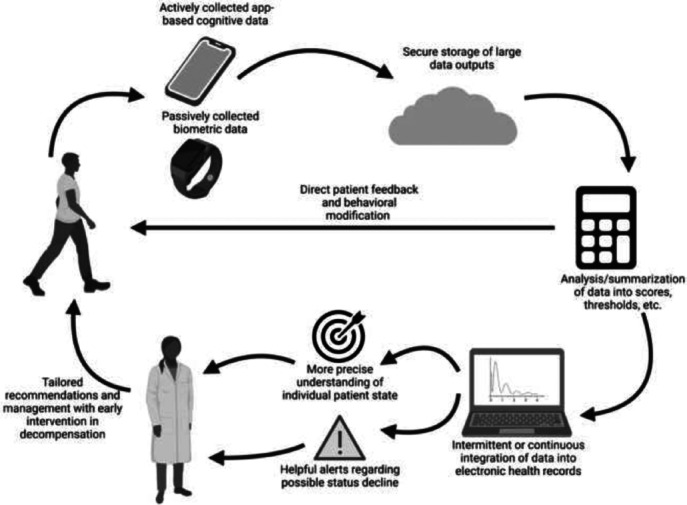
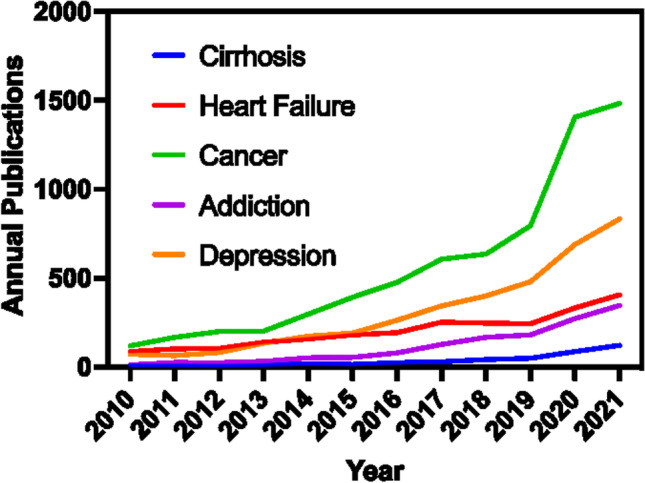
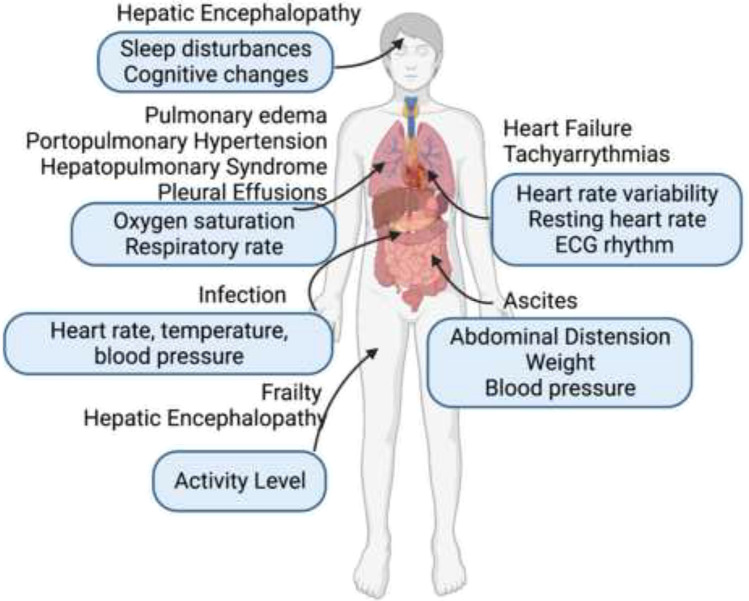
Hepatic Encephalopathy (HE) is a critically important complication of chronic liver disease and portal hypertension, but especially in early covert stages remains underdiagnosed and a common cause of hospitalization and morbidity. Defined by often subtle neuropsychiatric changes, significant cognitive deficits have been extensively described. While traditional methods of assessment remain underutilized in practice and subject to significant confounding with other diseases, mobile technology has emerged as a potential future tool to provide simple and dynamic cognitive assessments. This review discusses the proliferation of cognitive assessment tools, describing possible applications in encephalopathy and the challenges such an implementation may face. There are significant potential advantages to assessing cognition in real time in order to aid early detection and intervention and provide a more realistic measurement of real-world function. Despite this, there are issues with reliability, privacy, applicability and more which must be addressed prior to wide proliferation and acceptance for clinical use. Regardless, the rapid uptake of mobile technology in healthcare is likely to have significant implications for the future management of encephalopathy and liver disease at large.
肝性脑病(HE)是慢性肝病和门静脉高压症的一种严重并发症,但尤其在早期隐匿阶段,其诊断仍不足,是住院和发病的常见原因。该病定义为经常出现细微的神经精神变化,已广泛描述了严重的认知缺陷。虽然传统的评估方法在实践中仍未得到充分利用,而且容易与其他疾病混淆,但移动技术已成为提供简单和动态认知评估的潜在未来工具。本文综述了认知评估工具的普及,描述了其在脑病中的可能应用以及此类实施可能面临的挑战。实时评估认知能力具有重要的潜在优势,可以帮助早期发现和干预,并更真实地测量现实世界的功能。尽管如此,在广泛推广和接受用于临床应用之前,还必须解决可靠性、隐私性、适用性等问题。无论如何,移动技术在医疗保健领域的快速采用很可能对脑病和整体肝病的未来管理产生重大影响。