Department of Biochemistry and Molecular Biology, Graduate School of Medicine, Nippon Medical School, Tokyo, Japan.
Department of Organic Biomaterials, Institute of Biomaterials and Bioengineering, Tokyo Medical and Dental University, Tokyo, Japan.
JCI Insight. 2022 Nov 22;7(22):e138539. doi: 10.1172/jci.insight.138539.
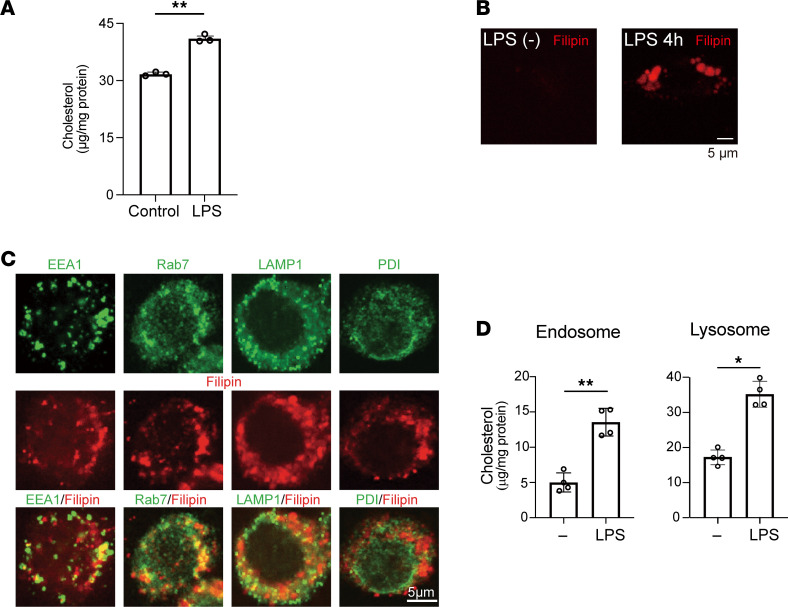
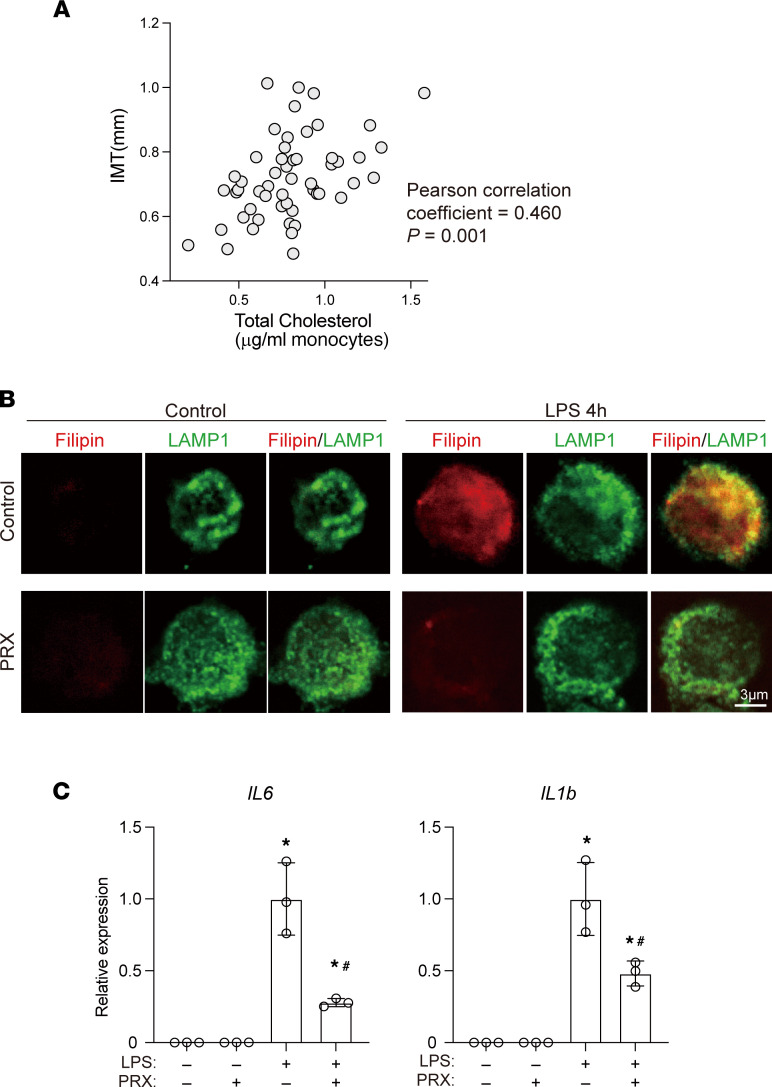
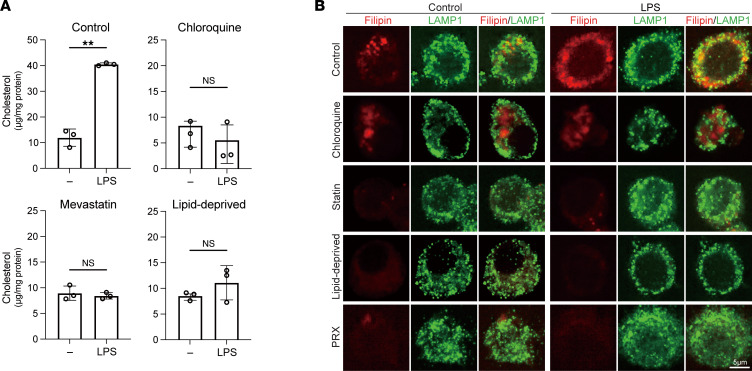
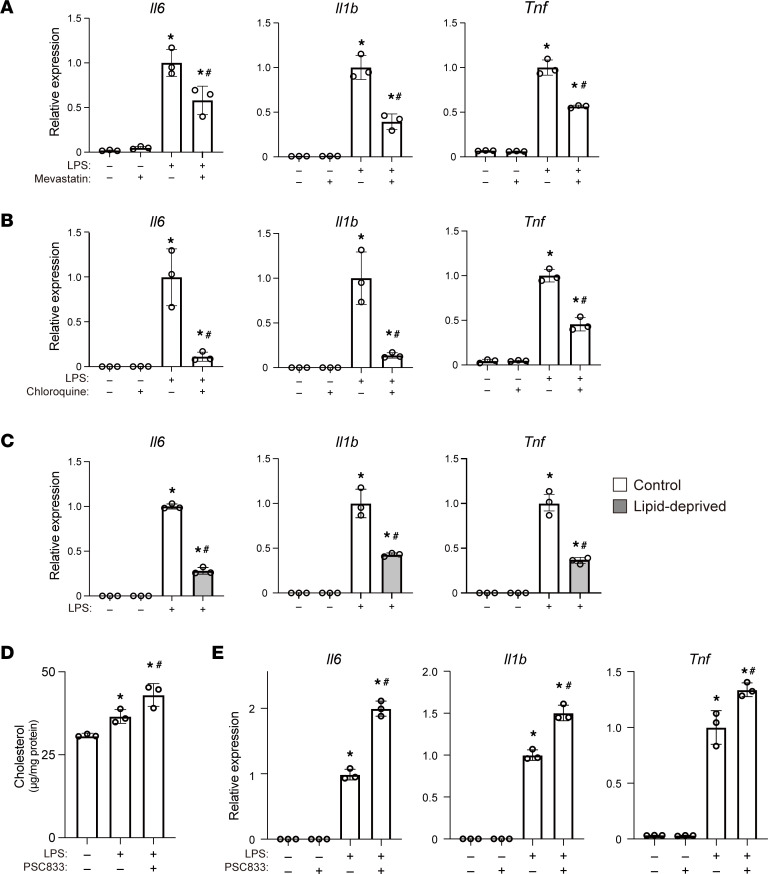
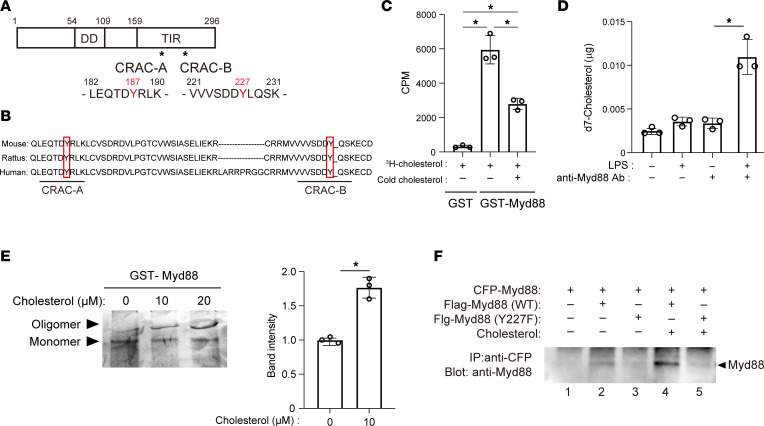
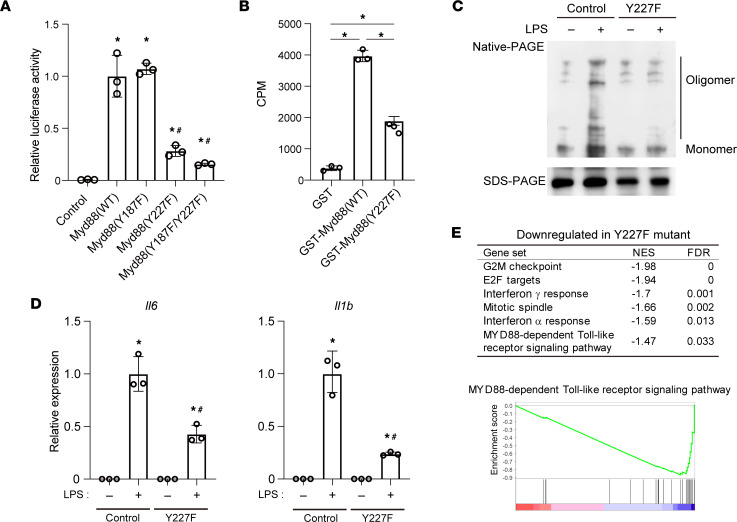
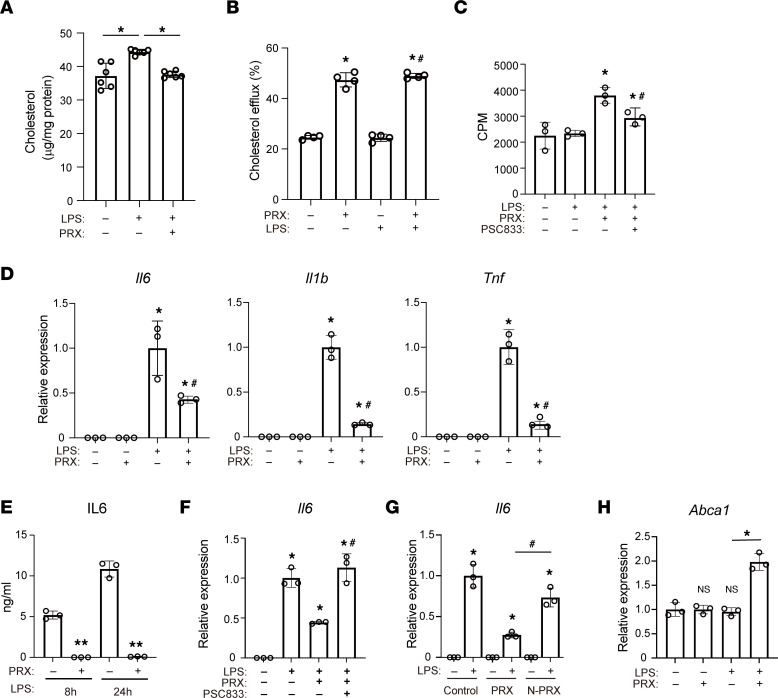
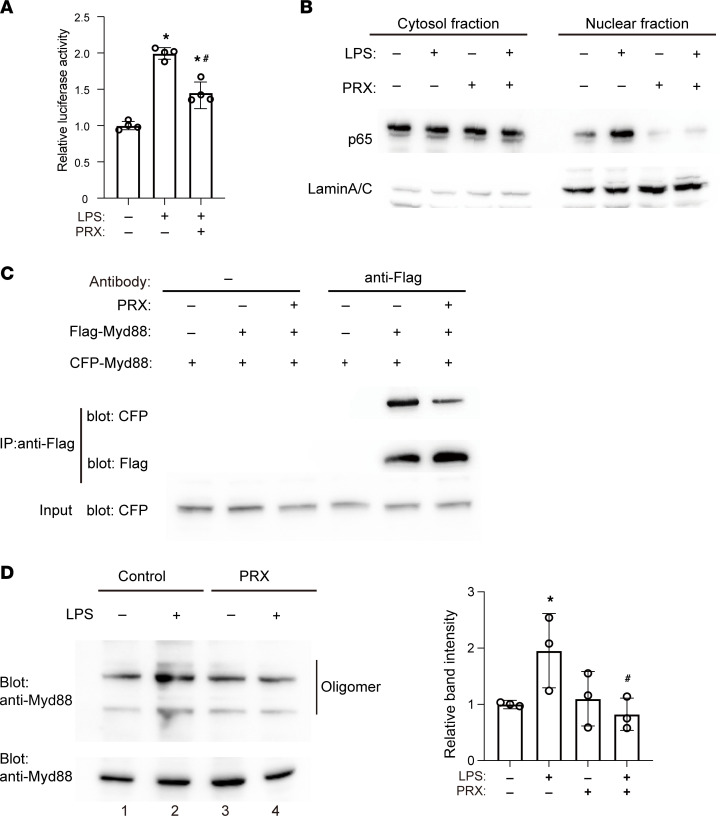
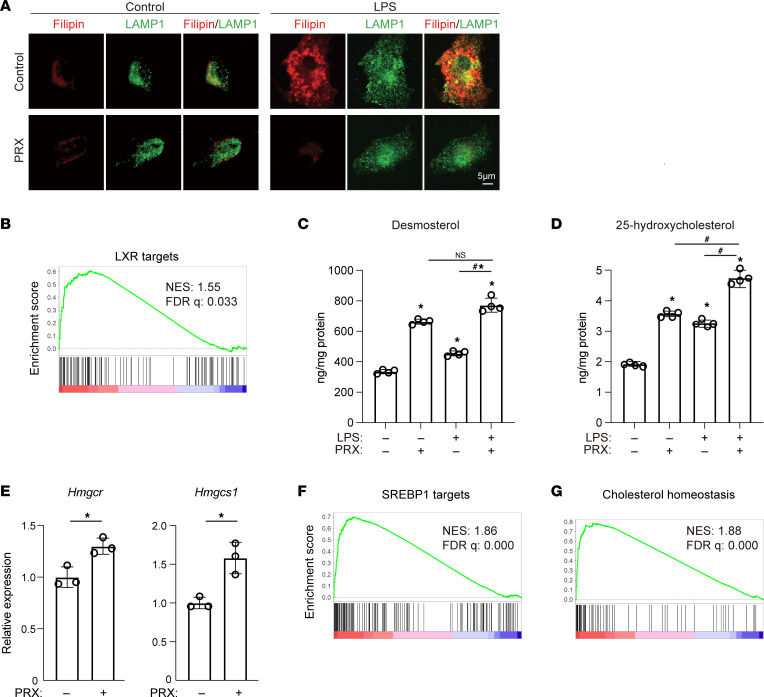
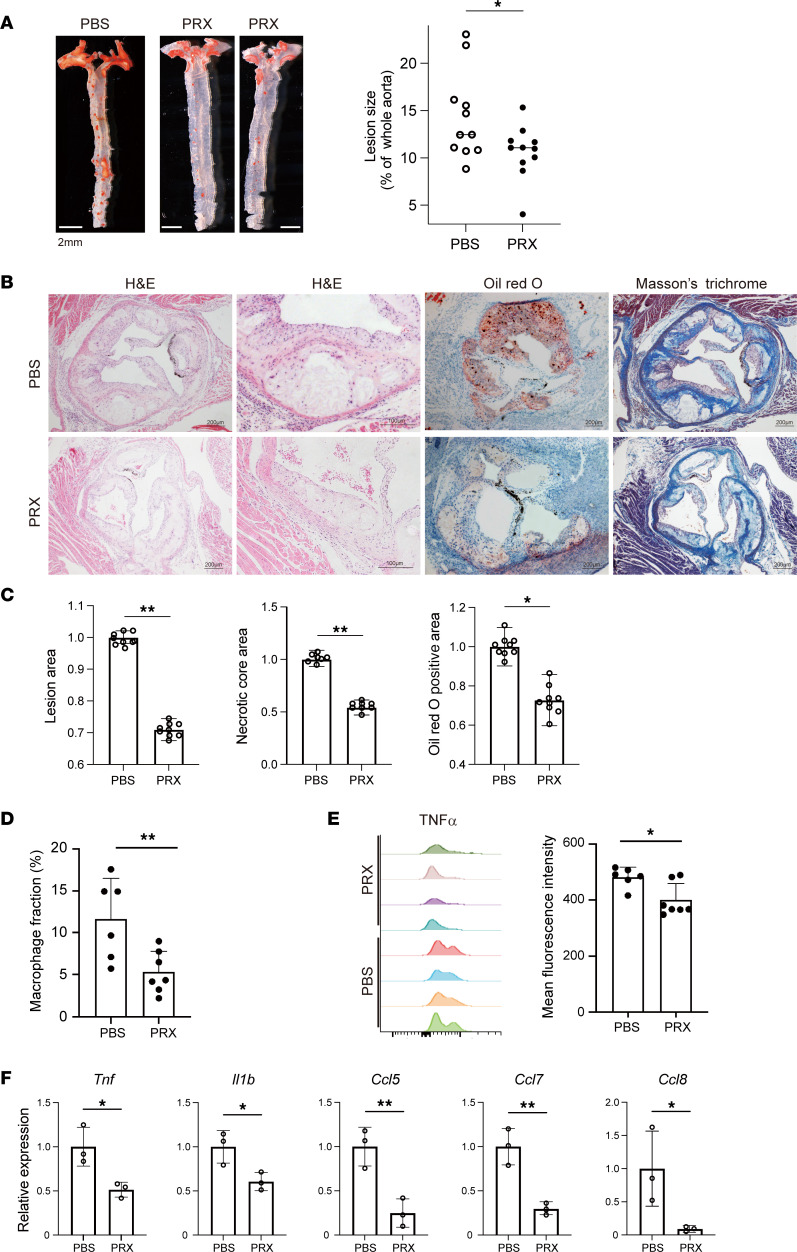
Recent studies have shown that cellular metabolism is tightly linked to the regulation of immune cells. Here, we show that activation of cholesterol metabolism, involving cholesterol uptake, synthesis, and autophagy/lipophagy, is integral to innate immune responses in macrophages. In particular, cholesterol accumulation within endosomes and lysosomes is a hallmark of the cellular cholesterol dynamics elicited by Toll-like receptor 4 activation and is required for amplification of myeloid differentiation primary response 88 (Myd88) signaling. Mechanistically, Myd88 binds cholesterol via its CLR recognition/interaction amino acid consensus domain, which promotes the protein's self-oligomerization. Moreover, a novel supramolecular compound, polyrotaxane (PRX), inhibited Myd88‑dependent inflammatory macrophage activation by decreasing endolysosomal cholesterol via promotion of cholesterol trafficking and efflux. PRX activated liver X receptor, which led to upregulation of ATP binding cassette transporter A1, thereby promoting cholesterol efflux. PRX also inhibited atherogenesis in Ldlr-/- mice. In humans, cholesterol levels in circulating monocytes correlated positively with the severity of atherosclerosis. These findings demonstrate that dynamic changes in cholesterol metabolism are mechanistically linked to Myd88‑dependent inflammatory programs in macrophages and support the notion that cellular cholesterol metabolism is integral to innate activation of macrophages and is a potential therapeutic and diagnostic target for inflammatory diseases.
最近的研究表明,细胞代谢与免疫细胞的调节密切相关。在这里,我们表明胆固醇代谢的激活,包括胆固醇摄取、合成和自噬/脂噬,是巨噬细胞固有免疫反应的重要组成部分。特别是,内体和溶酶体中的胆固醇积累是 Toll 样受体 4 激活引起的细胞胆固醇动力学的标志,并且是髓样分化初级反应 88 (Myd88) 信号放大所必需的。从机制上讲,Myd88 通过其 CLR 识别/相互作用氨基酸共识结构域与胆固醇结合,这促进了蛋白质的自我寡聚化。此外,一种新型的超分子化合物,聚轮烷(PRX),通过促进胆固醇转运和外排,降低内溶酶体胆固醇,从而抑制依赖 Myd88 的炎性巨噬细胞活化。PRX 激活肝 X 受体,导致 ATP 结合盒转运蛋白 A1 的上调,从而促进胆固醇外排。PRX 还抑制了 LDLR-/- 小鼠的动脉粥样硬化形成。在人类中,循环单核细胞中的胆固醇水平与动脉粥样硬化的严重程度呈正相关。这些发现表明,胆固醇代谢的动态变化在机制上与巨噬细胞中依赖 Myd88 的炎症程序相关,并支持这样一种观点,即细胞胆固醇代谢是巨噬细胞固有激活的重要组成部分,并且是炎症性疾病的潜在治疗和诊断靶点。