Uddin Moshfique, Chowdhury Anup, Anderson Keith, Chaudhuri Kausik
Leeds University Business School, University of Leeds, Leeds LS2 9JT, UK.
Leeds Business School, Leeds Beckett University, Leeds LS1 3HE, UK.
J Bus Res. 2021 May;128:31-44. doi: 10.1016/j.jbusres.2021.01.061. Epub 2021 Feb 11.
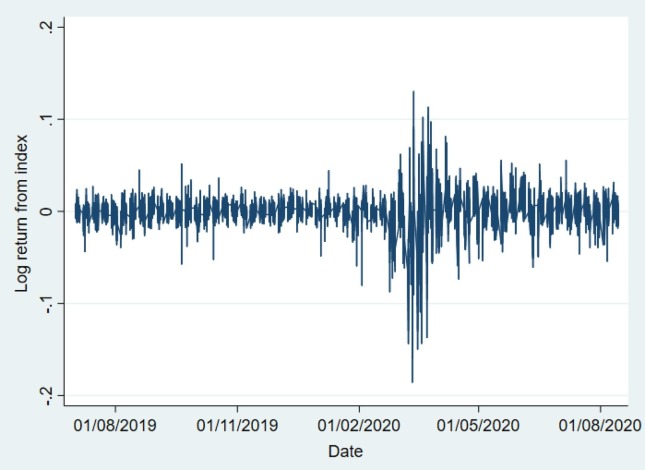
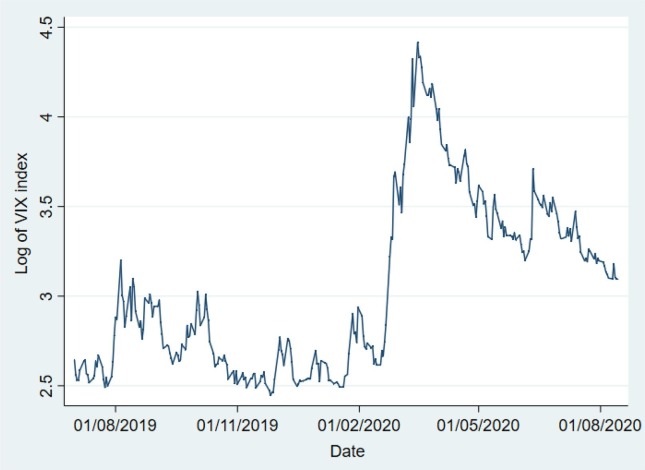
Stock markets across the world have exhibited varying degrees of volatility following the recent COVID-19 pandemic. We have examined the effect of this pandemic on stock market volatility and whether economic strength, measured by a set of selected country-level economic characteristics and factors such as economic resilience, intensity of capitalism, level of corporate governance, financial development, monetary policy rate and quality of health system, can potentially mitigate the possible detrimental effect of the global pandemic on stock market volatility. Using data from 34 developed and emerging markets, we have found that these country-level economic characteristics and factors do help to reduce the volatility arising due to the virus pandemic. The results of this paper are important as policymakers can use these economic factors to set policy responses to tackle extraordinary heat in the global stock market in order to avoid any possible future financial crisis.
自近期新冠疫情爆发以来,全球股票市场呈现出不同程度的波动。我们研究了此次疫情对股票市场波动的影响,以及由一系列选定的国家层面经济特征和因素(如经济韧性、资本主义强度、公司治理水平、金融发展、货币政策利率和卫生系统质量)衡量的经济实力是否有可能减轻全球疫情对股票市场波动可能产生的不利影响。利用来自34个发达和新兴市场的数据,我们发现这些国家层面的经济特征和因素确实有助于降低病毒大流行导致的波动。本文的结果很重要,因为政策制定者可以利用这些经济因素来制定政策应对措施,以应对全球股票市场的异常波动,从而避免未来可能出现的任何金融危机。