Maina J N
Department of Veterinary Anatomy, University of Nairobi, Kenya.
J Anat. 1987 Feb;150:229-45.
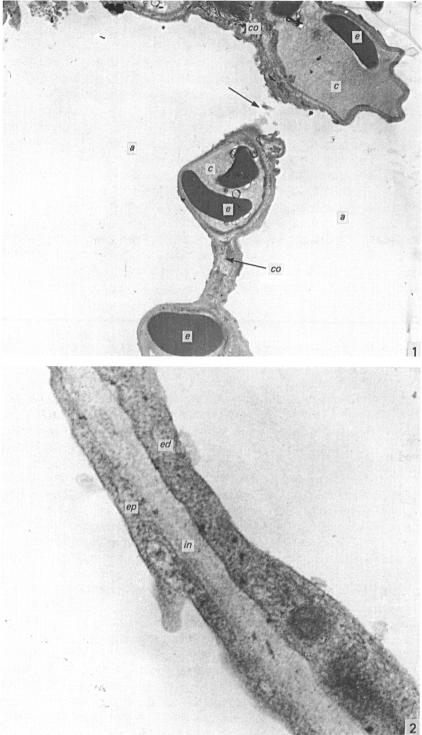
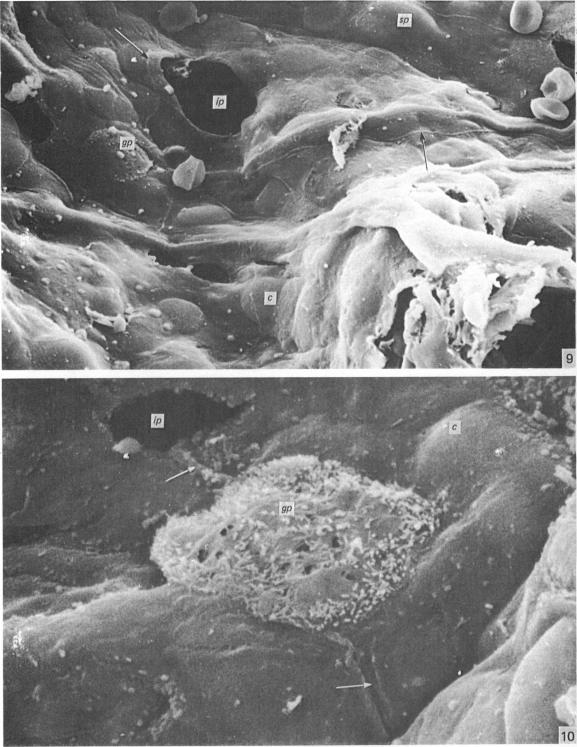
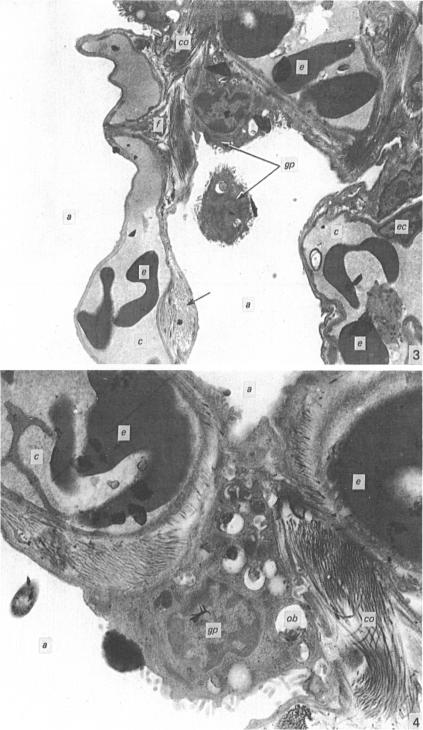
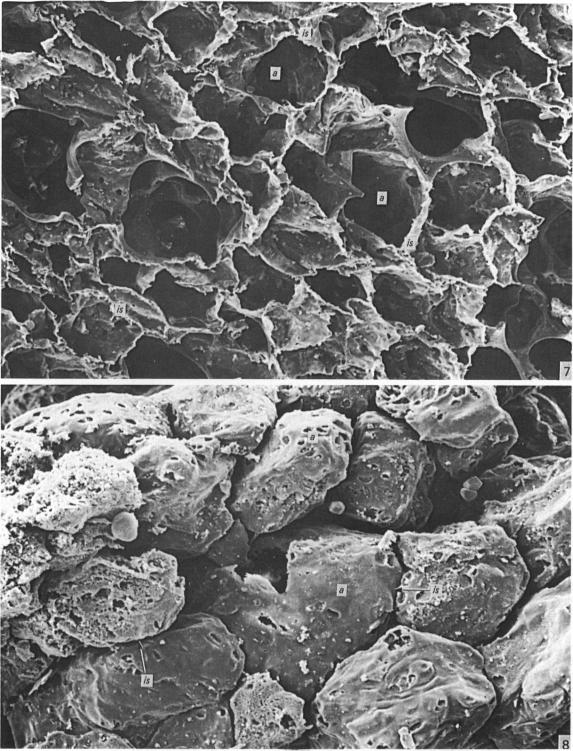
The gross, histological and ultrastructural organisation of the baboon lung was found to be similar to that of the human lung. It is suggested that, in general, the lungs of the non-human primates would serve as ideal models for the study of the human lung. The baboon lung comprises the parenchyma, the gas exchange part of the lung which consists of alveoli, blood capillaries and the tissue of the interalveolar septum, and the non-parenchyma made up of the air conducting passages like bronchi, bronchioles, larger blood vessels, connective tissue and pleura. On morphometric analysis, the parenchyma was found to constitute 87% of the lung, the rest being made up of the elements of the non-parenchyma. The alveoli, blood capillaries and the interalveolar tissue respectively constituted 76, 8 and 16% of the parenchyma. The harmonic mean thickness of the blood-gas (tissue) barrier was 0.475 micron and the arithmetic mean 1.12 micron, the ratio being 1:2.3. The weight specific surface area of the blood-gas (tissue) barrier was 37 cm2/g and the surface density of the tissue barrier in the parenchyma 92 mm2/mm3. The total morphometric pulmonary diffusion per unit body weight was 4 ml O2/min/mmHg/kg and the volume of the pulmonary capillary blood per unit surface area of the tissue barrier 0.84 cm3/m2. Morphometrically the baboon lung was thus observed to be better adapted for gas exchange than that of man but less specialised than that of the smaller monkeys such as Macaca mulatta.
狒狒肺的大体、组织学和超微结构组织被发现与人类肺相似。一般认为,非人类灵长类动物的肺将作为研究人类肺的理想模型。狒狒肺包括实质,即肺的气体交换部分,由肺泡、毛细血管和肺泡间隔组织组成,以及非实质部分,由支气管、细支气管、较大血管、结缔组织和胸膜等气体传导通道组成。通过形态计量分析,发现实质占肺的87%,其余由非实质成分组成。肺泡、毛细血管和肺泡组织分别占实质的76%、8%和16%。血气(组织)屏障的调和平均厚度为0.475微米,算术平均厚度为1.12微米,比例为1:2.3。血气(组织)屏障的重量比表面积为37平方厘米/克,实质中组织屏障的表面密度为92平方毫米/立方毫米。单位体重的总形态计量肺扩散为4毫升氧气/分钟/毫米汞柱/千克,组织屏障单位表面积的肺毛细血管血量为0.84立方厘米/平方米。因此,从形态计量学上看,狒狒肺比人类肺更适合气体交换,但比猕猴等较小猴子的肺特化程度低。