Laboratory of Genomics and Histomorphometry, Department of Pathology, University of São Paulo Medical School (USP), São Paulo 01246-903, SP, Brazil.
Health Technology Assessment Center (NATS), Clinical Hospital (HCFMB), Medical School of São Paulo State University (UNESP), Botucatu 18618-970, SP, Brazil.
Genes (Basel). 2022 Dec 7;13(12):2309. doi: 10.3390/genes13122309.
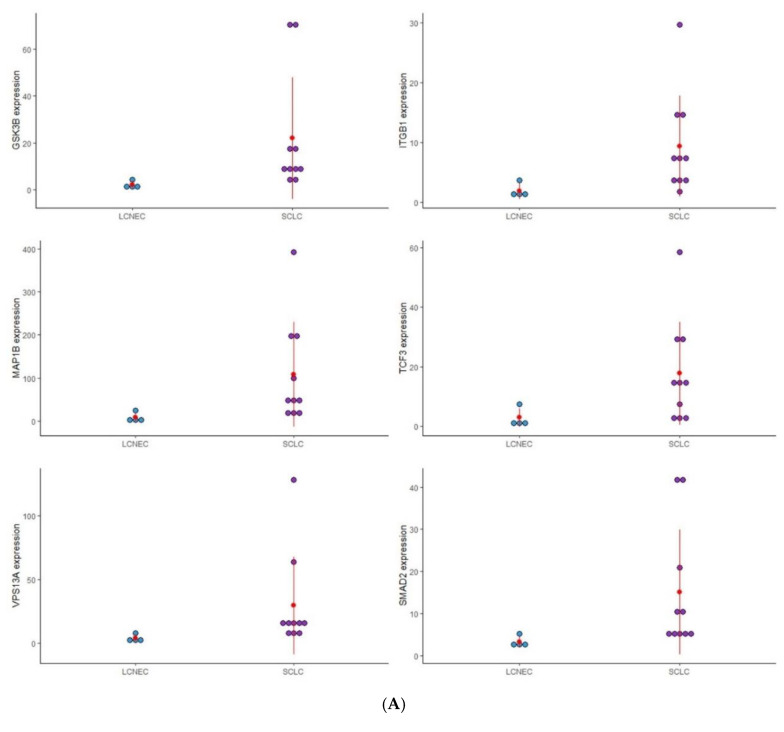
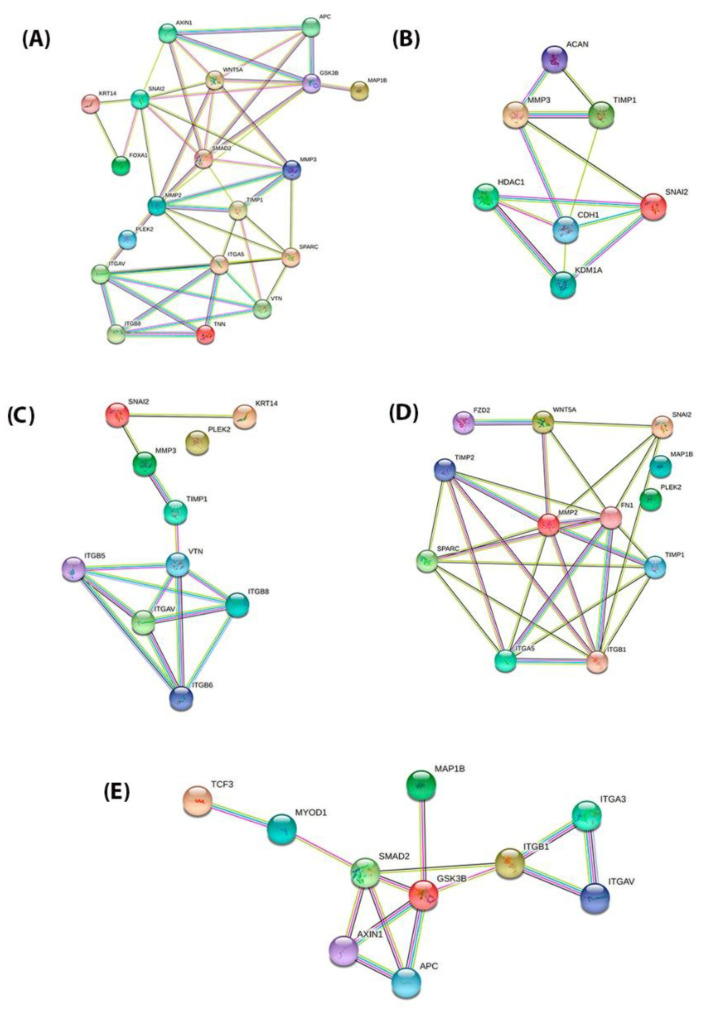
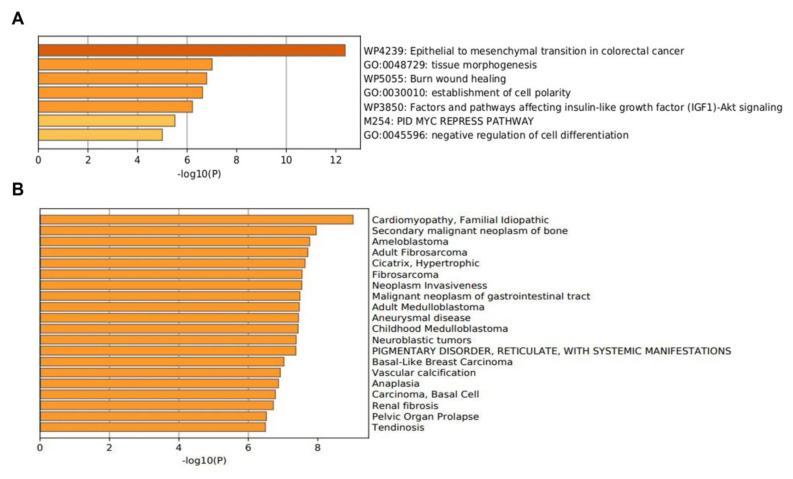
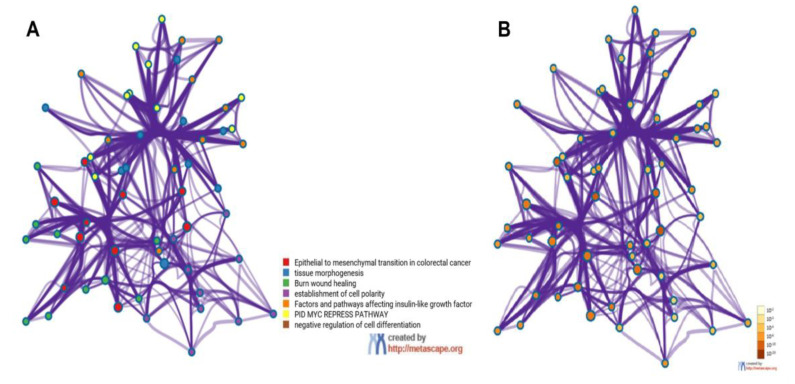
Pulmonary neuroendocrine neoplasms (PNENs) are currently classified into four major histotypes, including typical carcinoid (TC), atypical carcinoid (AC), large cell neuroendocrine carcinoma (LCNEC), and small cell lung carcinoma (SCLC). This classification was designed to be applied to surgical specimens mostly anchored in morphological parameters, resulting in considerable overlapping among PNENs, which may result in important challenges for clinicians' decisions in the case of small biopsies. Since PNENs originate from the neuroectodermic cells, epithelial-to-mesenchymal transition (EMT) gene expression shows promise as biomarkers involved in the genotypic transformation of neuroectodermic cells, including mutation burden with the involvement of chromatin remodeling genes, apoptosis, and mitosis rate, leading to modification in final cellular phenotype. In this situation, additional markers also applicable to biopsy specimens, which correlate PNENs subtypes with systemic treatment response, are much needed, and current potential candidates are neurogenic EMT genes. This study investigated EMT genes expression and its association with PNENs histotypes in tumor tissues from 24 patients with PNENs. PCR Array System for 84 EMT-related genes selected 15 differentially expressed genes among the PNENs, allowing to discriminate TC from AC, LCNEC from AC, and SCLC from AC. Functional enrichment analysis of the EMT genes differentially expressed among PNENs subtypes showed that they are involved in cellular proliferation, extracellular matrix degradation, regulation of cell apoptosis, oncogenesis, and tumor cell invasion. Interestingly, four EMT genes (, , , ) are also involved in neurological diseases, in brain metastasis, and interact with platinum-based chemotherapy and tyrosine-kinase inhibitors. Collectively, these findings emerge as an important ancillary tool to improve the strategies of histologic diagnosis in PNENs and unveil the four EMT genes that can play an important role in driving chemical response in PNENs.
肺神经内分泌肿瘤(PNENs)目前分为四大组织学类型,包括典型类癌(TC)、非典型类癌(AC)、大细胞神经内分泌癌(LCNEC)和小细胞肺癌(SCLC)。这种分类主要应用于手术标本,主要基于形态学参数,导致 PNENs 之间存在相当大的重叠,这可能会对小活检病例临床医生决策产生重要挑战。由于 PNENs 起源于神经外胚层细胞,上皮-间充质转化(EMT)基因表达有望成为参与神经外胚层细胞基因转化的生物标志物,包括涉及染色质重塑基因的突变负担、细胞凋亡和有丝分裂率,导致最终细胞表型发生改变。在这种情况下,需要额外的标志物来辅助活检标本,这些标志物可以将 PNENs 亚型与全身治疗反应相关联,目前潜在的候选标志物是神经源性 EMT 基因。本研究调查了 EMT 基因在 24 例 PNENs 肿瘤组织中的表达及其与 PNENs 组织学类型的关系。用于 84 个 EMT 相关基因的 PCR 阵列系统选择了 15 个在 PNENs 中差异表达的基因,允许区分 TC 与 AC、LCNEC 与 AC 以及 SCLC 与 AC。PNENs 亚型之间差异表达的 EMT 基因的功能富集分析表明,它们参与细胞增殖、细胞外基质降解、细胞凋亡调控、致癌作用和肿瘤细胞侵袭。有趣的是,有四个 EMT 基因(、、、)也与神经退行性疾病、脑转移有关,并与铂类化疗药物和酪氨酸激酶抑制剂相互作用。总之,这些发现为改善 PNENs 组织学诊断策略提供了重要的辅助工具,并揭示了四个 EMT 基因在驱动 PNENs 化学反应中可能发挥重要作用。