School of Food and Biological Engineering, Engineering Research Center of Bio-Process of Ministry of Education, Key Laboratory for Agricultural Products Procssing of Anhui Province, Hefei University of Technology, Hefei 230009, China.
Anhui Fengyang Yushan Grease Co., Ltd., Fengyang 233100, China.
Molecules. 2022 Dec 13;27(24):8857. doi: 10.3390/molecules27248857.
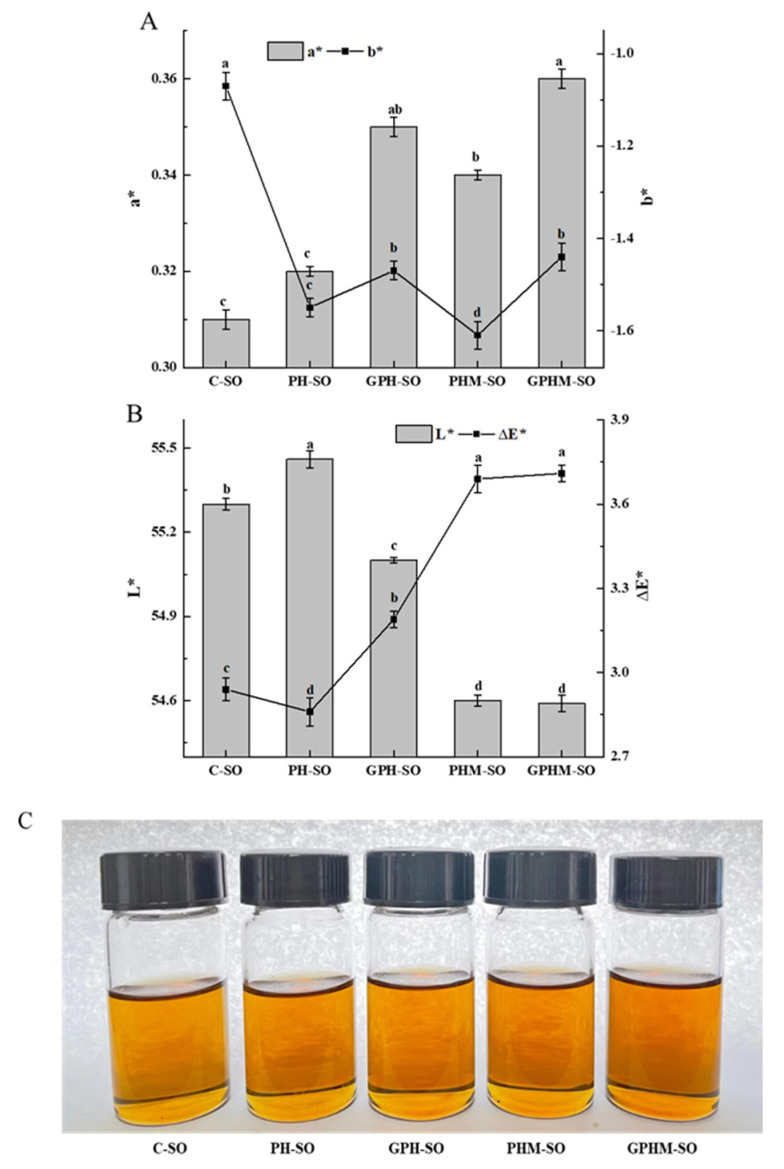
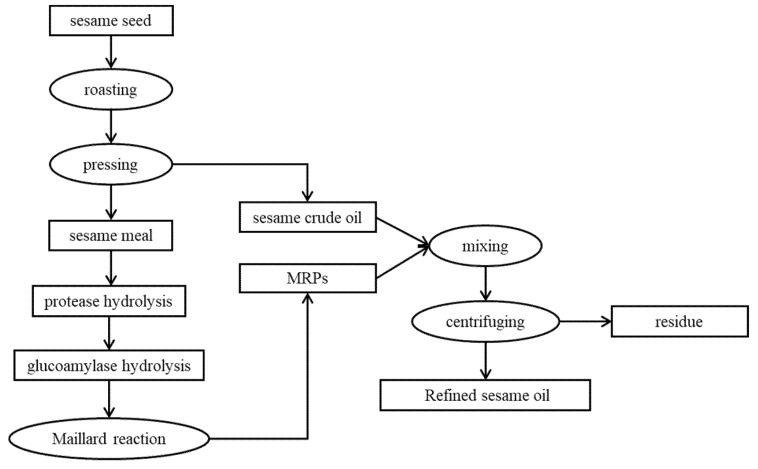
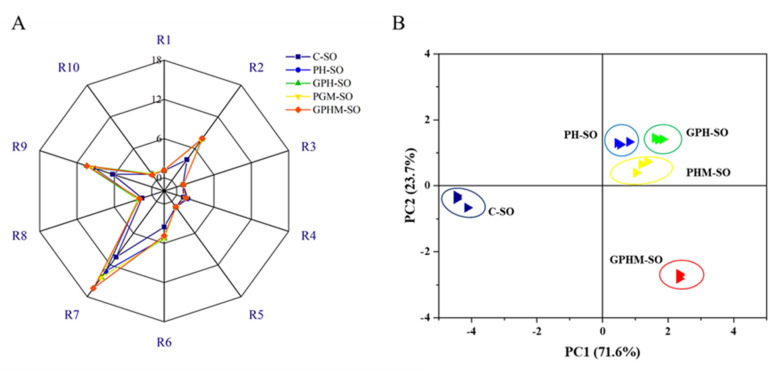
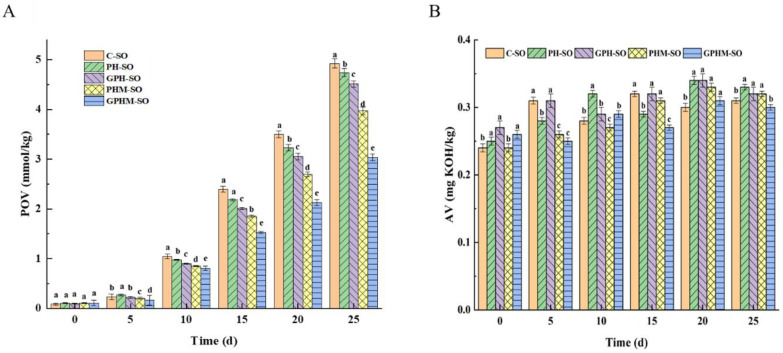
The low-temperature roasting of sesame oil has become increasingly popular because of its nutritional benefits; however, the flavor is reduced. In order to improve the quality of sesame oil without exogenous addition, sesame meal was hydrolyzed and further used to prepare Maillard reaction products (MRPs) while protease hydrolysis (PH) and glucoamylase-protease hydrolysis (GPH) were used, and their respective Maillard products (PHM and GPHM) were added in the oils for reducing sugar and total sugar content determination, free amino acid determination, and color and descriptive sensory analysis, as well as electronic nose, SPME-GC-MS, odor activity value, and oxidative stability analyses. Results showed that the MRPs could be produced using the enzymatically hydrolyzed sesame meal without exogenous addition, and the oil flavor blended with GPHM (GPHM-SO) was significantly (p < 0.05) improved with the best sensory quality. The composition of pyrazines (119.35 μg/mL), furans (13.95 μg/mL), and sulfur substances (6.25 μg/mL) contributed positively to sensory properties in GPHM-SO, and 2,5-dimethylpyrazine, 2,6-dimethylpyrazine, and 2,3-dimethylpyrazine were characterized as the key flavor compounds with odor activity values of 7.01, 14.80, and 31.38, respectively. Furthermore, the oxidative stability of the oil was significantly improved with the addition of MRPs, and the shelf life of GPHM-SO was predicted to be extended by 1.9 times more than that of the crude oil based on the accelerated oxidation fitting analysis. In general, the MRPs derived only from sesame meal can enhance the flavor and oxidative stability of sesame oil and can be applied in the oil industry.
芝麻油的低温烘焙因其营养价值而越来越受欢迎;然而,风味却降低了。为了在不添加外源物质的情况下提高芝麻油的质量,本研究利用芝麻粕进行酶解,并进一步制备美拉德反应产物(MRPs),同时使用蛋白酶水解(PH)和糖化酶-蛋白酶水解(GPH),并将各自的美拉德产物(PHM 和 GPHM)添加到油中以测定还原糖和总糖含量、游离氨基酸含量、颜色和描述性感官分析,以及电子鼻、SPME-GC-MS、气味活度值和氧化稳定性分析。结果表明,MRPs 可在不添加外源物质的情况下通过酶解芝麻粕制备,并且与 GPHM (GPHM-SO)混合的油风味显著改善(p < 0.05),具有最佳的感官质量。吡嗪类(119.35μg/mL)、呋喃类(13.95μg/mL)和含硫物质(6.25μg/mL)的组成对 GPHM-SO 的感官特性有积极影响,2,5-二甲基吡嗪、2,6-二甲基吡嗪和 2,3-二甲基吡嗪被鉴定为关键风味化合物,其气味活度值分别为 7.01、14.80 和 31.38。此外,MRPs 的添加显著提高了油的氧化稳定性,根据加速氧化拟合分析,GPHM-SO 的货架期比粗油延长了 1.9 倍。总的来说,仅来自芝麻粕的 MRPs 可以增强芝麻油的风味和氧化稳定性,并可应用于油脂行业。