Zheng Linlin, Yang Qi, Li Feifei, Zhu Min, Yang Haochi, Tan Tian, Wu Binghuo, Liu Mingxin, Xu Chuan, Yin Jun, Cao Chenhui
School of Medicine, University of Electronic Science and Technology of China, Chengdu 610054, China.
Biotherapy Center, Third Affiliated Hospital of Harbin Medical University, Harbin 150081, China.
Pharmaceuticals (Basel). 2022 Nov 23;15(12):1451. doi: 10.3390/ph15121451.
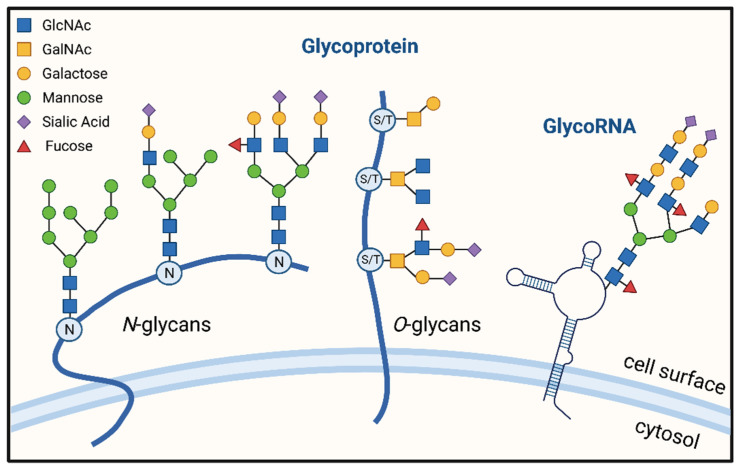
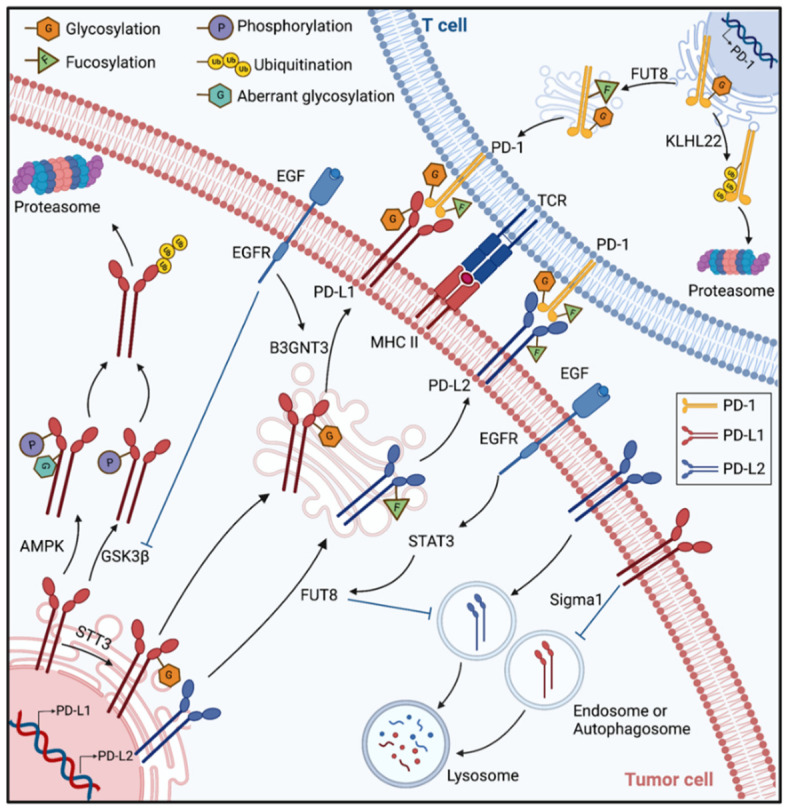
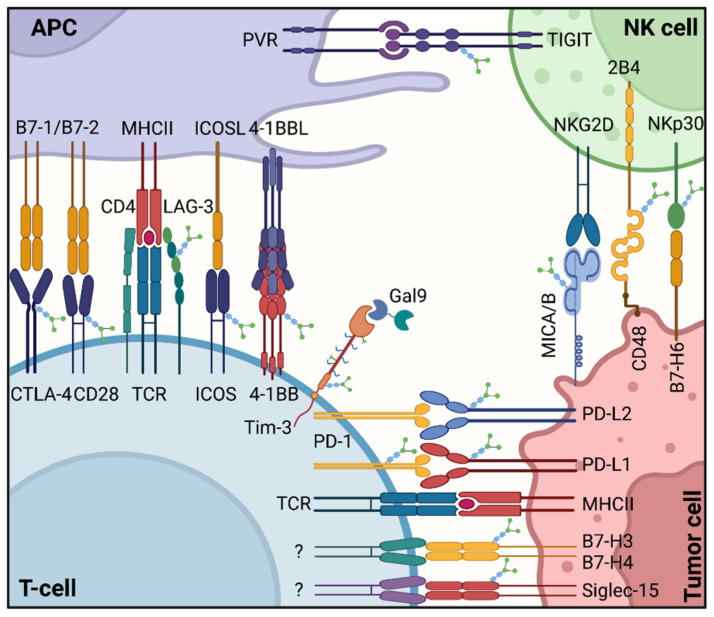
Tumor therapies have entered the immunotherapy era. Immune checkpoint inhibitors have achieved tremendous success, with some patients achieving long-term tumor control. Tumors, on the other hand, can still accomplish immune evasion, which is aided by immune checkpoints. The majority of immune checkpoints are membrane glycoproteins, and abnormal tumor glycosylation may alter how the immune system perceives tumors, affecting the body's anti-tumor immunity. Furthermore, RNA can also be glycosylated, and GlycoRNA is important to the immune system. Glycosylation has emerged as a new hallmark of tumors, with glycosylation being considered a potential therapeutic approach. The glycosylation modification of immune checkpoints and the most recent advances in glycosylation-targeted immunotherapy are discussed in this review.
肿瘤治疗已进入免疫治疗时代。免疫检查点抑制剂已取得巨大成功,一些患者实现了长期肿瘤控制。另一方面,肿瘤仍可实现免疫逃逸,而免疫检查点对此起到了辅助作用。大多数免疫检查点是膜糖蛋白,肿瘤糖基化异常可能会改变免疫系统对肿瘤的认知,影响机体的抗肿瘤免疫力。此外,RNA也可发生糖基化,且糖基化RNA对免疫系统很重要。糖基化已成为肿瘤的一个新标志,被认为是一种潜在的治疗方法。本文综述了免疫检查点的糖基化修饰以及糖基化靶向免疫治疗的最新进展。