Ahmad Afiqah, Jamil Siti Nurul Ain Md, Choong Thomas S Y, Abdullah Abdul Halim, Faujan Nur Hana, Adeyi Abel A, Daik Rusli, Othman Nurhanisah
Department of Chemistry, Faculty of Science, Universiti Putra Malaysia, Serdang 43400, Malaysia.
Centre of Foundation Studies for Agricultural Science, Universiti Putra Malaysia, Serdang 43400, Malaysia.
Polymers (Basel). 2022 Dec 10;14(24):5416. doi: 10.3390/polym14245416.
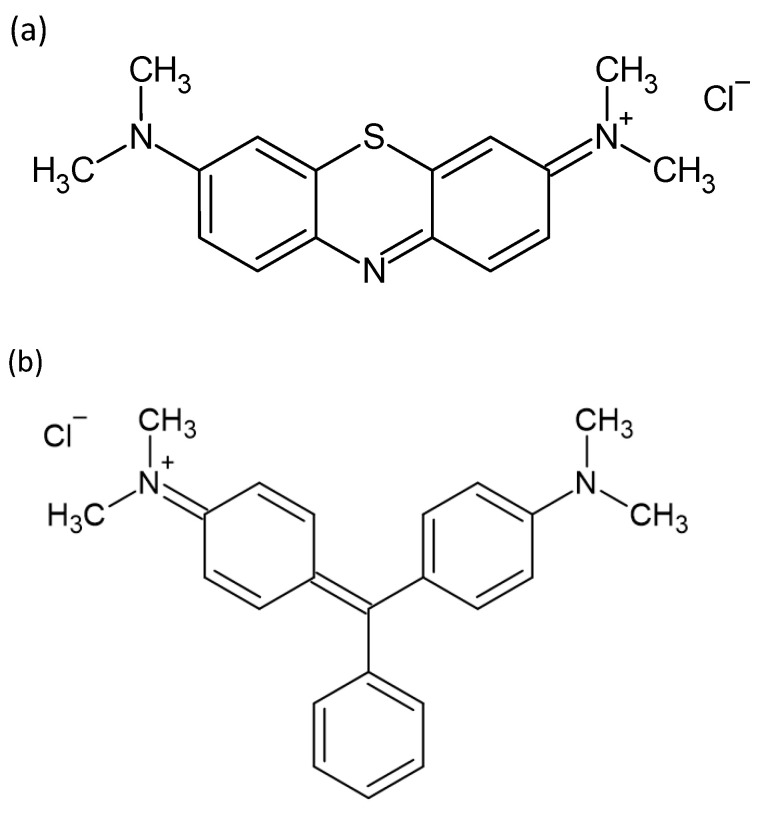
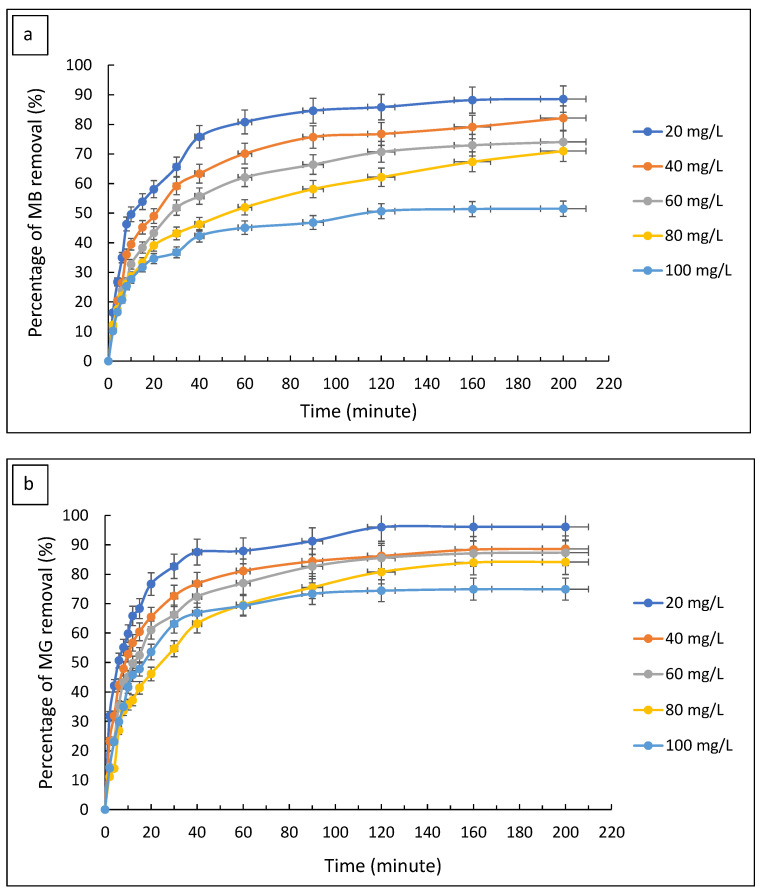
Emerging dye pollution from textile industrial effluents is becoming more challenging for researchers worldwide. The contamination of water by dye effluents affects the living organisms in an ecosystem. Methylene blue (MB) and malachite green (MG) are soluble dyes with a high colour intensity even at low concentration and are hazardous to living organisms. The adsorption method is used in most wastewater plants for the removal of organic pollutants as it is cost-effective, has a high adsorption capacity, and good mechanical stabilities. In this study, a composite adsorbent was prepared by impregnating iron modified silica (FMS) onto polyurethane (PU) foam to produce an iron modified silica/polyurethane (FMS/PU) composite. The composite adsorbent was utilised in batch adsorption of the cationic dyes MB and MG. The effect of adsorption parameters such as the adsorbent load, pH, initial dye concentration, and contact time were discussed. Adsorption kinetics and isotherm were implemented to understand the adsorption mechanism for both dyes. It was found that the adsorption of MB and MG followed the pseudo-second order model. The Langmuir model showed a better fit than the Freundlich model for the adsorption of MB and MG, indicating that the adsorption occurred via the monolayer adsorption system. The maximum adsorption capacity of the FMS/PU obtained for MB was 31.7 mg/g, while for MG, it was 34.3 mg/g. The thermodynamic study revealed that the adsorption of MB and MG were exothermic and spontaneous at room temperature. In addition, the regeneration of FMS/PU was conducted to investigate the composite efficiency in adsorbing dyes for several cycles. The results showed that the FMS/PU composite could be regenerated up to four times when the regeneration efficiency dropped drastically to less than 20.0%. The impregnation of FMS onto PU foam also minimised the adsorbent loss into the environment.
纺织工业废水中新出现的染料污染,对全球的研究人员来说正变得越来越具有挑战性。染料废水对水的污染会影响生态系统中的生物。亚甲基蓝(MB)和孔雀石绿(MG)是可溶性染料,即使在低浓度下也具有高色强度,并且对生物有害。吸附法在大多数污水处理厂中用于去除有机污染物,因为它具有成本效益、吸附容量高且机械稳定性好。在本研究中,通过将铁改性二氧化硅(FMS)浸渍到聚氨酯(PU)泡沫上制备了一种复合吸附剂,以生产铁改性二氧化硅/聚氨酯(FMS/PU)复合材料。该复合吸附剂用于阳离子染料MB和MG的间歇吸附。讨论了吸附剂负载量、pH值、初始染料浓度和接触时间等吸附参数的影响。采用吸附动力学和等温线来理解两种染料的吸附机理。结果发现,MB和MG的吸附遵循准二级模型。Langmuir模型对MB和MG的吸附拟合效果优于Freundlich模型,表明吸附是通过单分子层吸附系统发生的。FMS/PU对MB的最大吸附容量为31.7 mg/g,对MG的最大吸附容量为34.3 mg/g。热力学研究表明,MB和MG的吸附在室温下是放热且自发的。此外,对FMS/PU进行了再生,以研究复合材料在多个循环中吸附染料的效率。结果表明,当再生效率急剧下降至低于20.0%时,FMS/PU复合材料可再生多达四次。将FMS浸渍到PU泡沫上还可最大限度地减少吸附剂向环境中的损失。