Department of Genetic Medicine and Development, Faculty of Medicine, University of Geneva, Rue Michel-Servet, 1, 1211, Geneva, Switzerland.
Swiss Centre for Applied Human Toxicology (SCAHT), Missionsstrasse, 64, 4055, Basel, Switzerland.
Clin Epigenetics. 2022 Dec 26;14(1):185. doi: 10.1186/s13148-022-01409-1.
It has been suggested that antenatal exposure to environmental endocrine disruptors is responsible for adverse trends in male reproductive health, including male infertility, impaired semen quality, cryptorchidism and testicular cancer, a condition known as testicular dysgenesis syndrome. Anogenital distance (AGD) is an anthropomorphic measure of antenatal exposure to endocrine disruptors, with higher exposure levels leading to shortened AGD. We hypothesized that exposure to endocrine disruptors could lead to changes in DNA methylation during early embryonic development, which could then persist in the sperm of infertile men with shortened AGD.
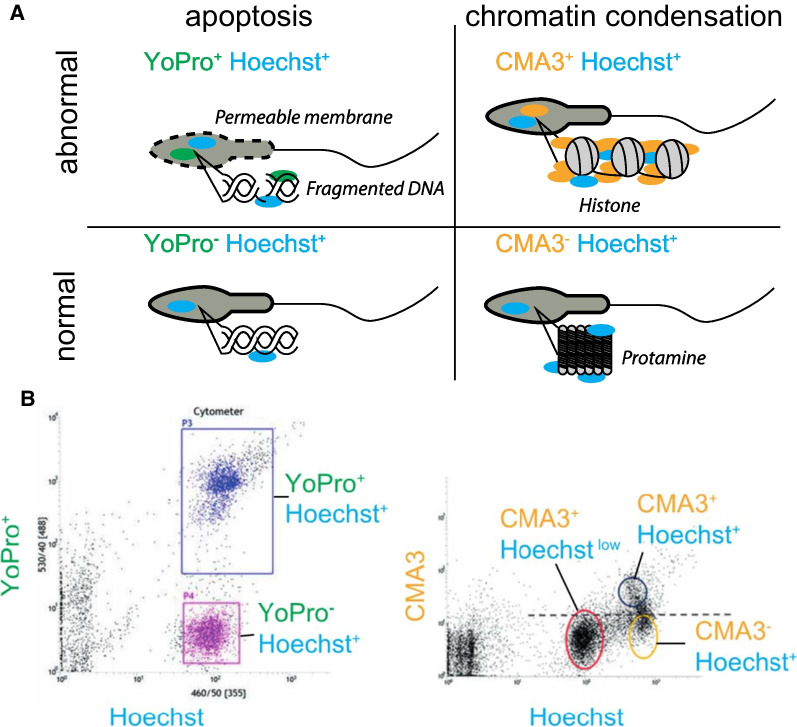
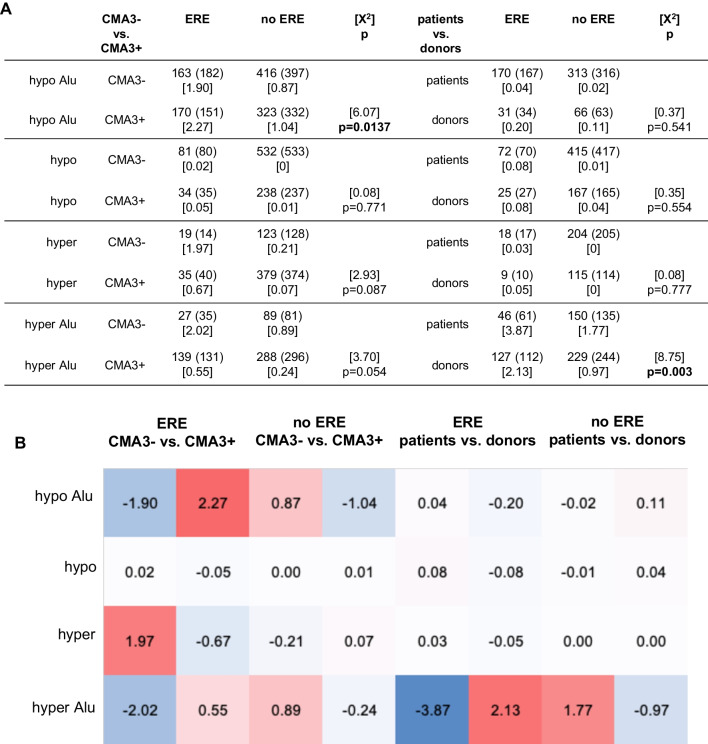
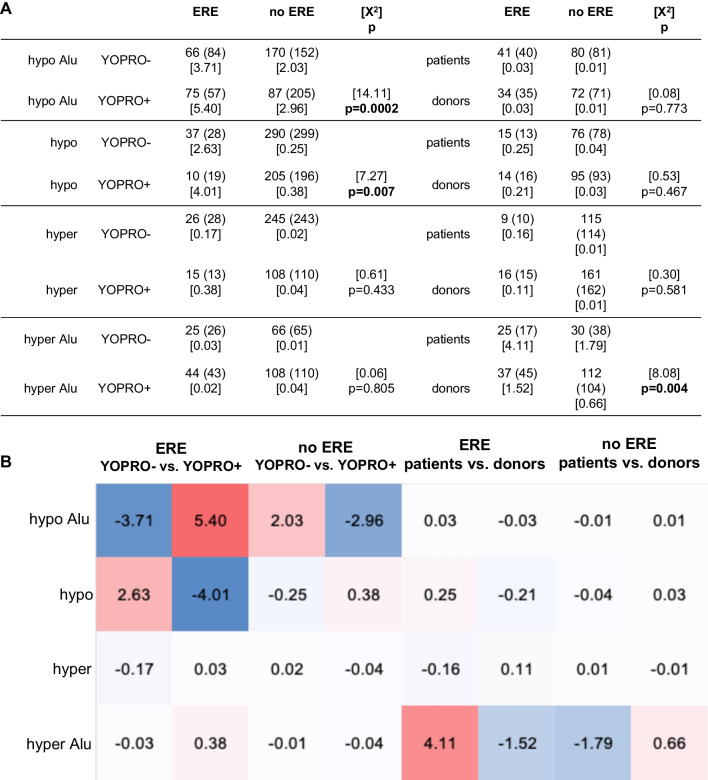
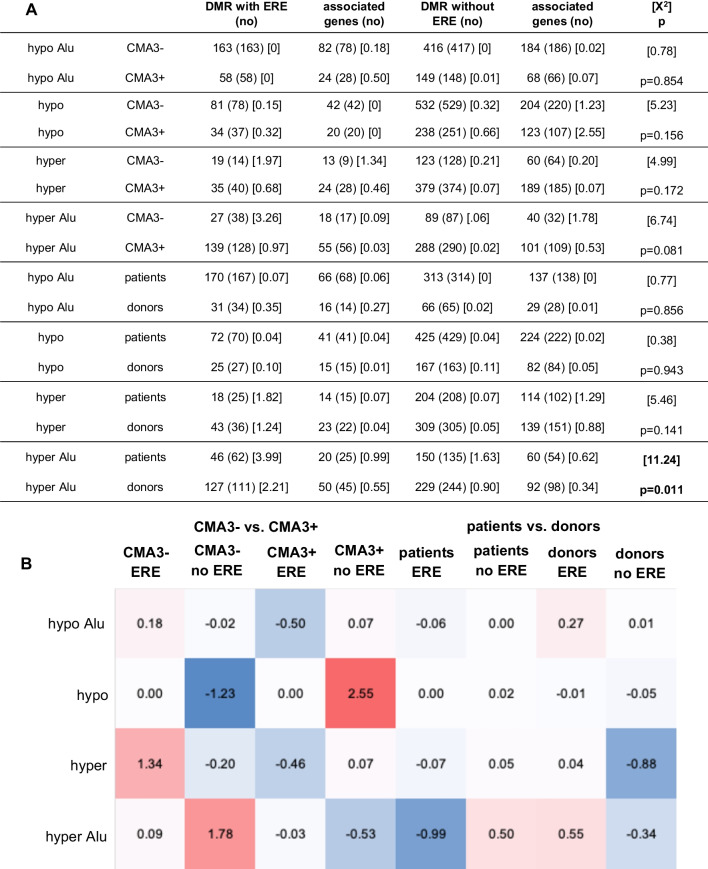
Using fluorescence activated cell sorting based on staining with either YO-PRO-1 (YOPRO) or chromomycin-3 (CMA3), we isolated four sperm fractions from eleven infertile men with short AGD and ten healthy semen donors. We examined DNA methylation in these sorted spermatozoa using reduced representation bisulfite sequencing. We found that fractions of spermatozoa from infertile men stained with CMA3 or YOPRO were more likely to contain transposable elements harboring an estrogen receptor response element (ERE). Abnormal sperm (as judged by high CMA3 or YOPRO staining) from infertile men shows substantial hypomethylation in estrogenic Alu sequences. Conversely, normal sperm fractions (as judged by low CMA3 or YO-PRO-1 staining) of either healthy donors or infertile patients were more likely to contain hypermethylated Alu sequences with ERE.
Shortened AGD, as related to previous exposure to endocrine disruptors, and male infertility are accompanied by increased presence of hormonal response elements in the differentially methylated regulatory sequences of the genome of sperm fractions characterized by chromatin decondensation and apoptosis.
有人认为,产前暴露于环境内分泌干扰物是导致男性生殖健康不良趋势的原因,包括男性不育、精液质量下降、隐睾和睾丸癌,这种情况被称为睾丸发育不良综合征。肛殖距离(AGD)是一种衡量产前内分泌干扰物暴露的人体测量指标,较高的暴露水平会导致 AGD 缩短。我们假设,内分泌干扰物的暴露可能导致早期胚胎发育过程中 DNA 甲基化的变化,这些变化随后可能在 AGD 缩短的不育男性的精子中持续存在。
我们使用基于 YO-PRO-1(YOPRO)或色霉素-3(CMA3)染色的荧光激活细胞分选,从 11 名 AGD 短的不育男性和 10 名健康精液供体中分离出四种精子馏分。我们使用简化代表性亚硫酸氢盐测序检查了这些分选精子中的 DNA 甲基化。我们发现,用 CMA3 或 YOPRO 染色的不育男性精子馏分更有可能含有携带有雌激素受体反应元件(ERE)的转座元件。异常精子(根据高 CMA3 或 YOPRO 染色判断)显示出雌激素 Alu 序列的大量去甲基化。相反,健康供体或不育患者的正常精子馏分(根据低 CMA3 或 YO-PRO-1 染色判断)更有可能包含具有 ERE 的超甲基化 Alu 序列。
与先前暴露于内分泌干扰物相关的 AGD 缩短和男性不育症伴随着精子馏分的染色质去凝聚和凋亡的基因组的差异甲基化调控序列中激素反应元件的增加。