School of Biology and Biological Engineering, South China University of Technology, Guangzhou, China.
Department of Pathology, School of Basic Medical Sciences, Southern Medical University, Guangzhou, China.
Mol Oncol. 2023 Apr;17(4):611-628. doi: 10.1002/1878-0261.13373. Epub 2023 Jan 21.
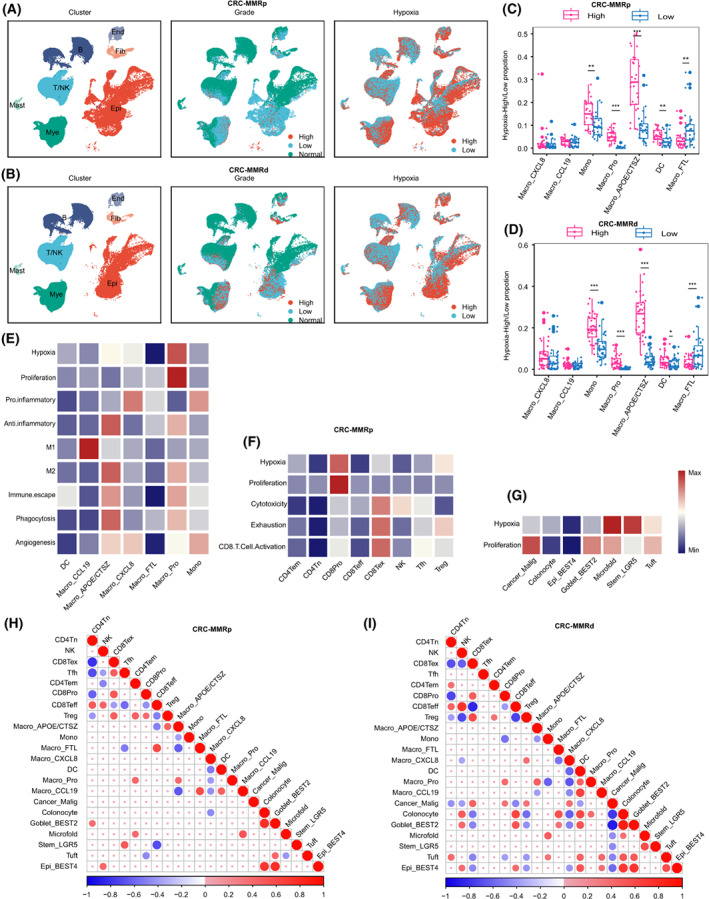
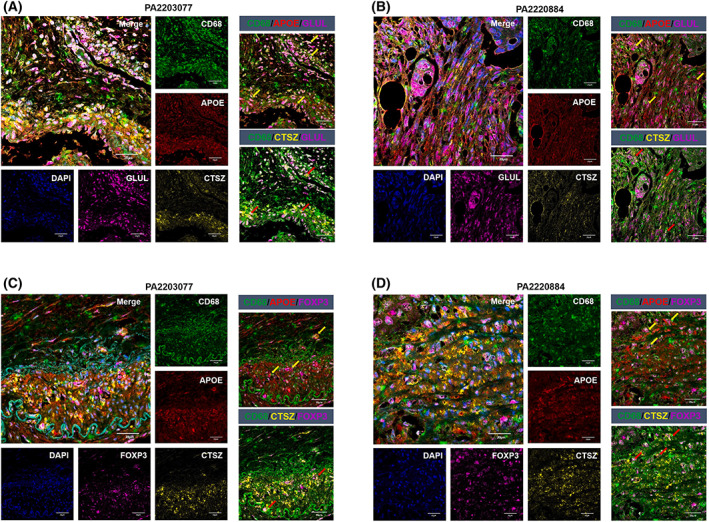
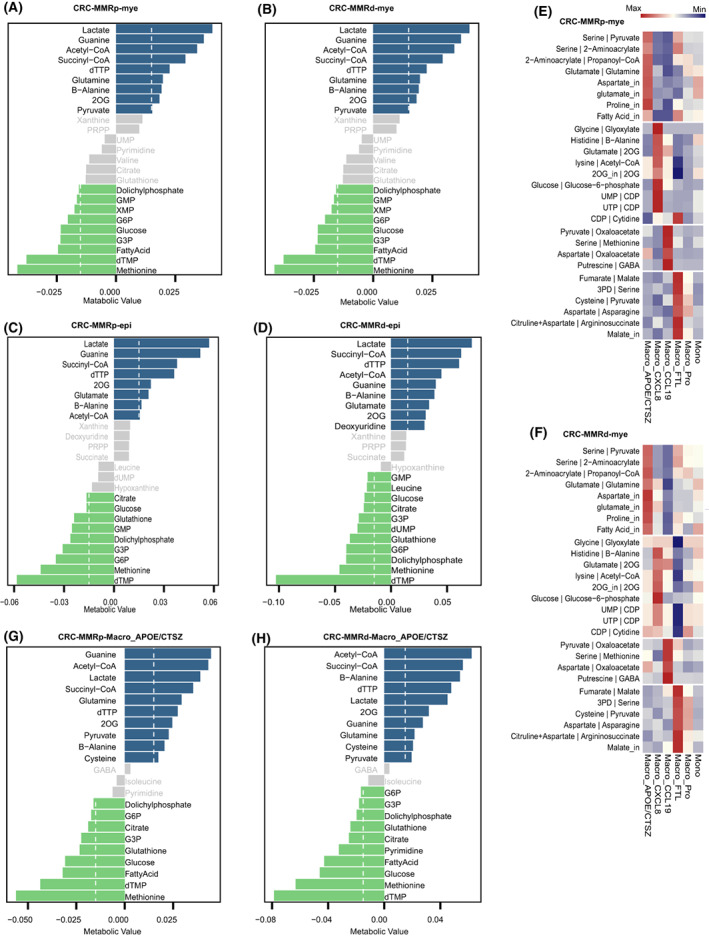
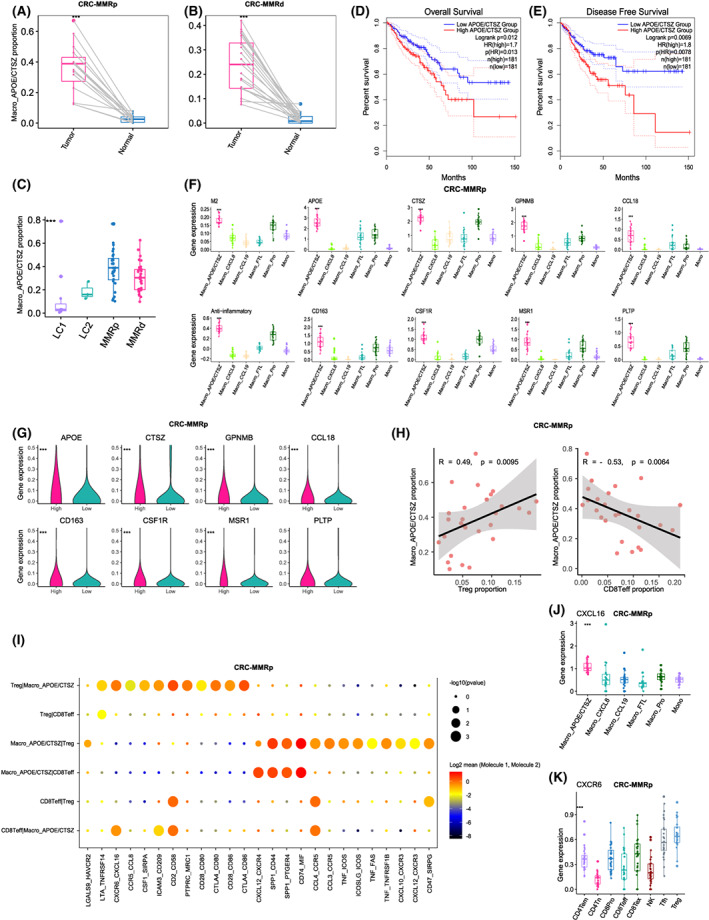
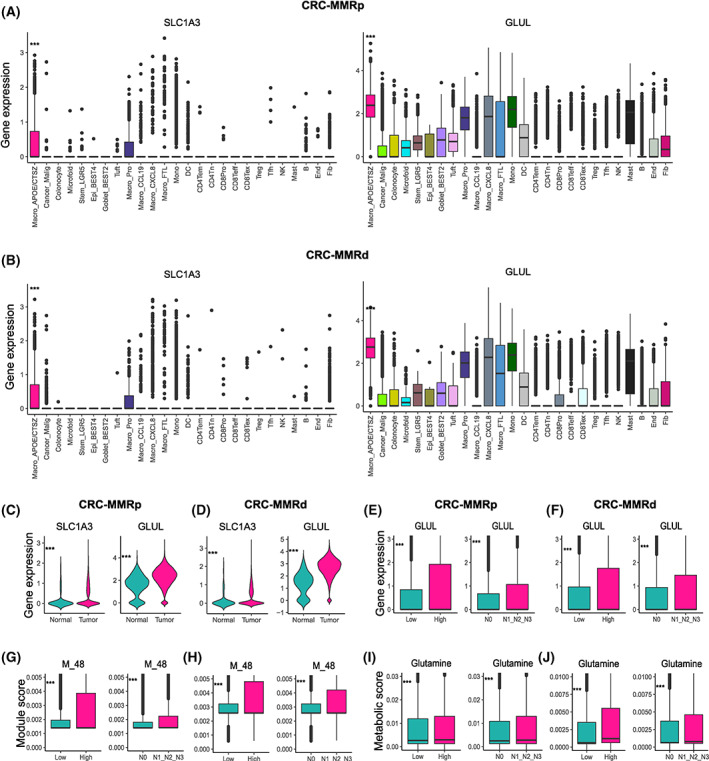
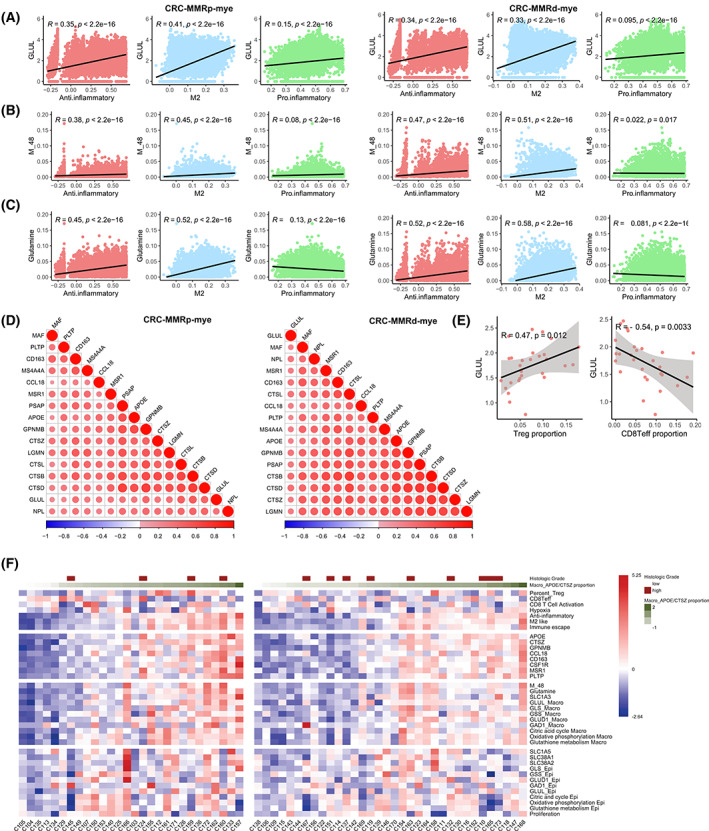
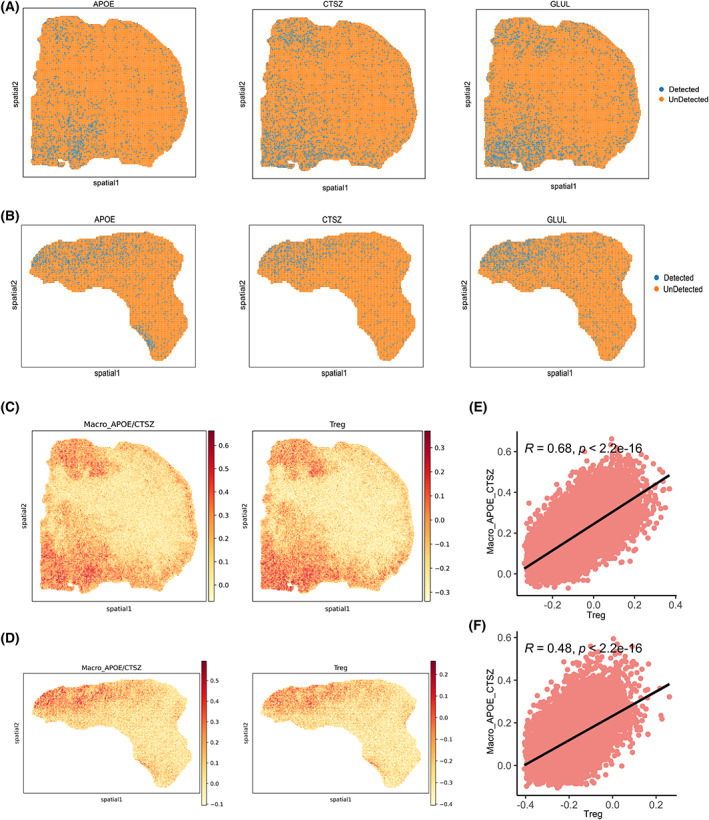
An immunosuppressive state is regulated by various factors in the tumor microenvironment (TME), including, but not limited to, metabolic plasticity of immunosuppressive cells and cytokines secreted by these cells. We used single-cell RNA-sequencing (scRNA-seq) data and applied single-cell flux estimation analysis to characterize the link between metabolism and cellular function within the hypoxic TME of colorectal (CRC) and lung cancer. In terms of metabolic heterogeneity, we found myeloid cells potentially inclined to accumulate glutamine but tumor cells inclined to accumulate glutamate. In particular, we uncovered a tumor-associated macrophage (TAM) subpopulation, APOE+CTSZ+TAM, that was present in high proportions in tumor samples and exhibited immunosuppressive characteristics through upregulating the expression of anti-inflammatory genes. The proportion of APOE+CTSZ+TAM and regulatory T cells (Treg) were positively correlated across CRC scRNA-seq samples. APOE+CTSZ+TAM potentially interacted with Treg via CXCL16-CCR6 signals, as seen by ligand-receptor interactions analysis. Notably, glutamate-to-glutamine metabolic flux score and glutamine synthetase (GLUL) expression were uniquely higher in APOE+CTSZ+TAM, compared with other cell types within the TME. GLUL expression in macrophages was positively correlated with anti-inflammatory score and was higher in high-grade and invasive tumor samples. Moreover, spatial transcriptome and multiplex immunofluorescence staining of samples showed that APOE+CTSZ+TAM and Treg potentially colocalized in the tissue sections from CRC clinical samples. These results highlight the specific role and metabolic characteristic of the APOE+CTSZ+TAM subpopulation and provide a new perspective for macrophage subcluster-targeted therapeutic interventions or metabolic checkpoint-based cancer therapies.
免疫抑制状态受肿瘤微环境(TME)中的各种因素调节,包括但不限于免疫抑制细胞的代谢可塑性和这些细胞分泌的细胞因子。我们使用单细胞 RNA 测序(scRNA-seq)数据,并应用单细胞通量估计分析来描述结直肠癌(CRC)和肺癌缺氧 TME 中代谢与细胞功能之间的联系。就代谢异质性而言,我们发现髓样细胞可能倾向于积累谷氨酰胺,而肿瘤细胞则倾向于积累谷氨酸。特别是,我们发现了一种肿瘤相关巨噬细胞(TAM)亚群,APOE+CTSZ+TAM,在肿瘤样本中高比例存在,并通过上调抗炎基因的表达表现出免疫抑制特征。APOE+CTSZ+TAM 的比例与 CRC scRNA-seq 样本中的调节性 T 细胞(Treg)呈正相关。通过配体-受体相互作用分析,APOE+CTSZ+TAM 可能通过 CXCL16-CCR6 信号与 Treg 相互作用。值得注意的是,与 TME 中的其他细胞类型相比,APOE+CTSZ+TAM 的谷氨酸-谷氨酰胺代谢通量评分和谷氨酰胺合成酶(GLUL)表达明显更高。巨噬细胞中的 GLUL 表达与抗炎评分呈正相关,在高级别和侵袭性肿瘤样本中更高。此外,样本的空间转录组和多重免疫荧光染色显示,APOE+CTSZ+TAM 和 Treg 可能在 CRC 临床样本的组织切片中共同定位。这些结果突出了 APOE+CTSZ+TAM 亚群的特定作用和代谢特征,并为巨噬细胞亚群靶向治疗干预或基于代谢检查点的癌症治疗提供了新的视角。