Corrêa Aldrey Nathália Ribeiro, Weimer Patrícia, Rossi Rochele Cassanta, Hoffmann Jessica Fernanda, Koester Letícia Scherer, Suyenaga Edna Sayuri, Ferreira Cristiano Dietrich
Instituto Tecnológico em Alimentos para Saúde, Universidade do Vale do Rio dos Sinos, 93022-750, São Leopoldo, RS, Brazil.
Programa de Pós-Graduação em Ciências Farmacêuticas, Universidade Federal do Rio Grande do Sul, 90610-000, Porto Alegre, RS, Brazil.
Food Biosci. 2023 Feb;51:102348. doi: 10.1016/j.fbio.2022.102348. Epub 2022 Dec 30.
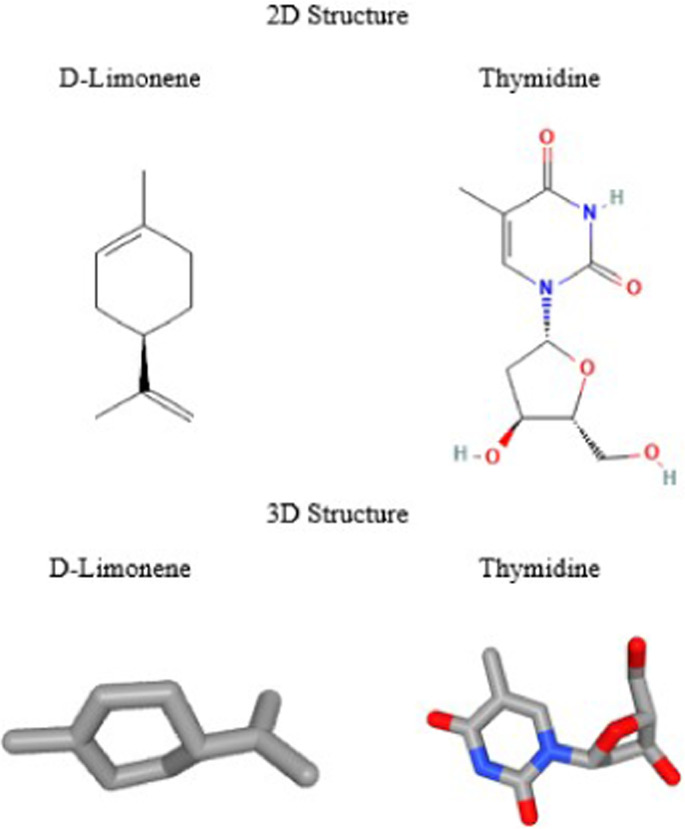
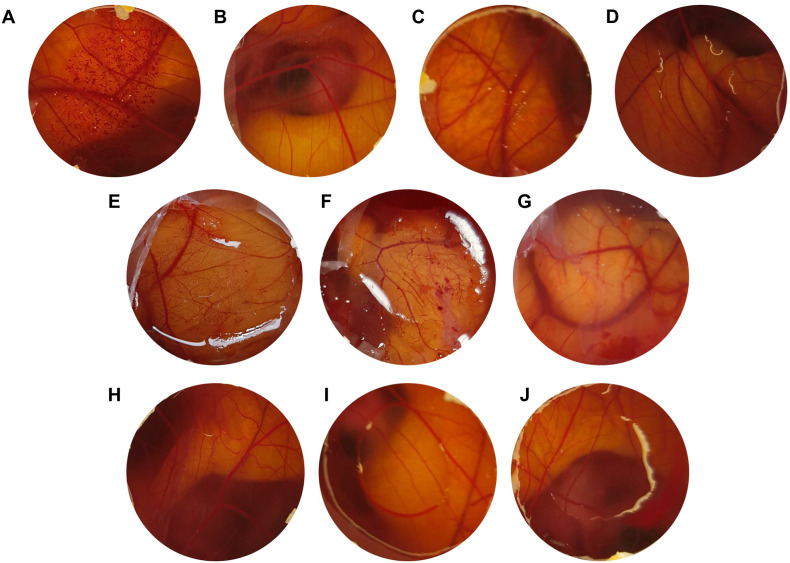
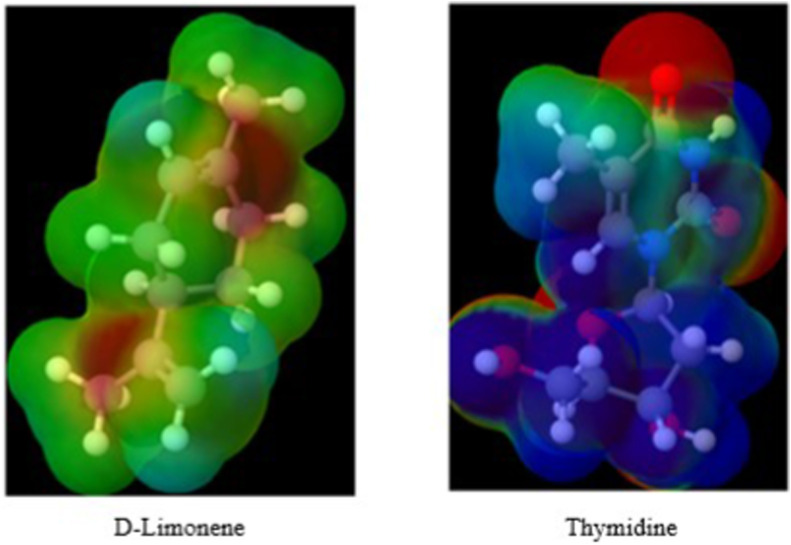
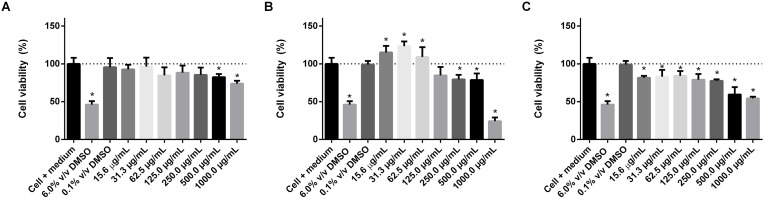
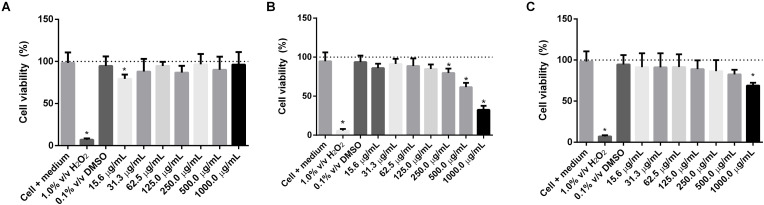
The COVID-19 pandemic has substantially impacted the world health systems, causing public health concerns, and the search for new compounds with antiviral activity is of extreme interest. Natural molecules with bioactive potential are a trend, with essential oils (Eos) being the focus of recent studies. Thus, this study evaluates the d-limonene inhibitory activities in the viral genome of SARS-CoV-2 and analyzes the cytotoxic potential and safety profile of d-limonene and lime and orange EOs with a high content of d-limonene. The EOs were extracted and characterized, and the in chemico computational analysis for the determination as a potential anti-SARS-CoV-2 was performed with d-limonene, the major compound in EOs. The cytotoxicity analysis of EOs and d-limonene was carried out with MRC-5 and HaCaT, and the preliminary safety profile was also evaluated by the HET-CAM assay. d-limonene was suggested as a promising compound for anti-SARS-CoV-2 research, since the molecule does not provide mutagenic and cytotoxic fragments, and does not have irritating potential when diluted, in addition to having favorable pharmacokinetic characteristics, through analysis. Collectively, the results reveal the antiviral potential of lime and orange EOs, as well as their major compound. In this sense, further studies should be conducted to understand the antiviral mechanisms.
新冠疫情对全球卫生系统产生了重大影响,引发了公众对健康的担忧,因此寻找具有抗病毒活性的新化合物备受关注。具有生物活性潜力的天然分子是一个趋势,其中精油(EOs)是近期研究的重点。因此,本研究评估了d-柠檬烯对严重急性呼吸综合征冠状病毒2(SARS-CoV-2)病毒基因组的抑制活性,并分析了d-柠檬烯以及富含d-柠檬烯的酸橙和橙子精油的细胞毒性潜力和安全性。提取并表征了这些精油,对精油中的主要成分d-柠檬烯进行了化学计算分析,以确定其作为潜在抗SARS-CoV-2药物的可能性。使用MRC-5和HaCaT细胞系对精油和d-柠檬烯进行了细胞毒性分析,并通过鸡胚绒毛尿囊膜(HET-CAM)试验评估了初步安全性。经分析,d-柠檬烯被认为是抗SARS-CoV-2研究中一种有前景的化合物,因为该分子不会产生诱变和细胞毒性片段,稀释后也没有刺激性,此外还具有良好的药代动力学特性。总体而言,研究结果揭示了酸橙和橙子精油及其主要成分的抗病毒潜力。从这个意义上说,应进一步开展研究以了解其抗病毒机制。