Iourov Ivan Y, Gerasimov Alexandr P, Zelenova Maria A, Ivanova Natalya E, Kurinnaia Oksana S, Zabrodskaya Yulia M, Demidova Irina A, Barantsevich Evgeny R, Vasin Kirill S, Kolotii Alexey D, Ushanov Vseslav V, Sitovskaya Darya A, Lobzhanidze Timur B-A, Iuditskaia Maria E, Iakushev Nikita S, Zhumatov Muslim M, Vorsanova Svetlana G, Samochernyh Konstantin A
Yurov's Laboratory of Molecular Genetics and Cytogenomics of the Brain, Mental Health Research Center, Moscow, Russia.
Vorsanova's Laboratory of Molecular Cytogenetics of Neuropsychiatric Diseases, Veltischev Research and Clinical Institute for Pediatrics and Pediatric Surgery of the Pirogov Russian National Research Medical University of the Russian Ministry of Health, Moscow, Russia.
Mol Cytogenet. 2023 Jan 5;16(1):1. doi: 10.1186/s13039-022-00634-w.
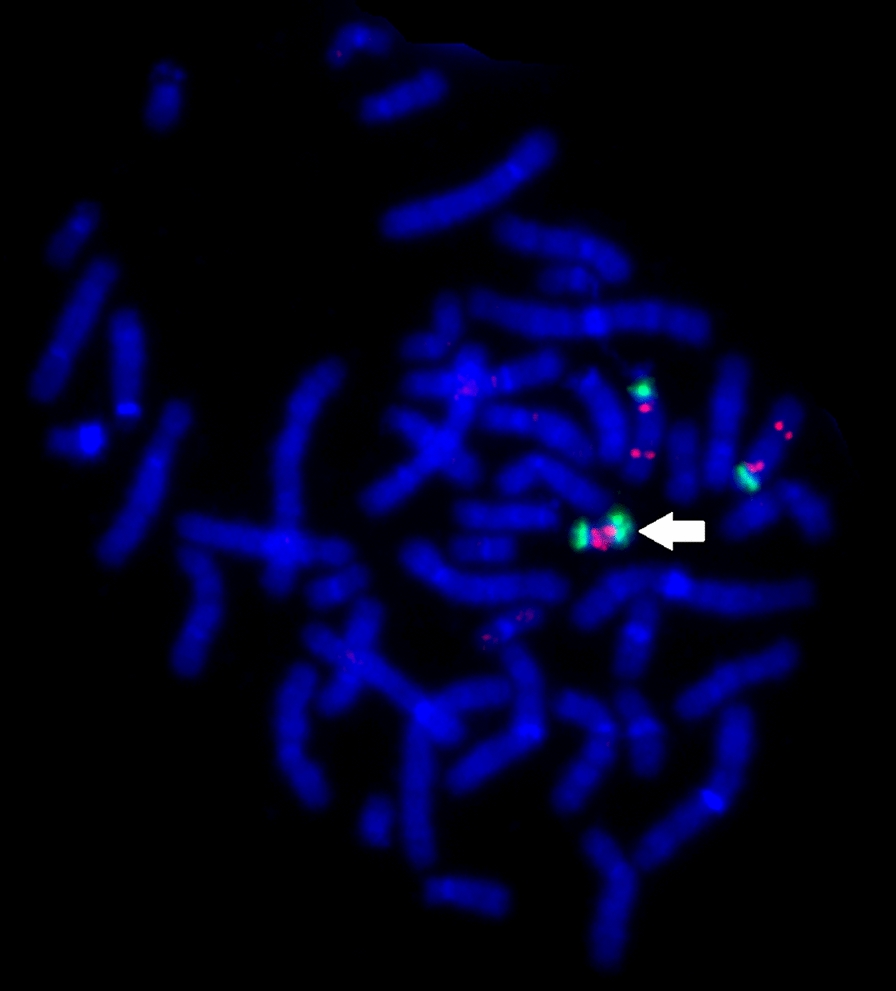
Molecular cytogenetic and cytogenomic studies have made a contribution to genetics of epilepsy. However, current genomic research of this devastative condition is generally focused on the molecular genetic aspects (i.e. gene hunting, detecting mutations in known epilepsy-associated genes, searching monogenic causes of epilepsy). Nonetheless, chromosomal abnormalities and copy number variants (CNVs) represent an important part of genetic defects causing epilepsy. Moreover, somatic chromosomal mosaicism and genome/chromosome instability seem to be a possible mechanism for a wide spectrum of epileptic conditions. This idea becomes even more attracting taking into account the potential of molecular neurocytogenetic (neurocytogenomic) studies of the epileptic brain. Unfortunately, analyses of chromosome numbers and structure in the affected brain or epileptogenic brain foci are rarely performed. Therefore, one may conclude that cytogenomic area of genomic epileptology is poorly researched. Accordingly, molecular cytogenetic and cytogenomic studies of the clinical cohorts and molecular neurocytogenetic analyses of the epileptic brain appear to be required. Here, we have performed a theoretical analysis to define the targets of the aforementioned studies and to highlight future directions for molecular cytogenetic and cytogenomic research of epileptic disorders in the widest sense. To succeed, we have formed a consortium, which is planned to perform at least a part of suggested research. Taking into account the nature of the communication, "cytogenomic epileptology" has been introduced to cover the research efforts in this field of medical genomics and epileptology. Additionally, initial results of studying cytogenomic variations in the Russian neurodevelopmental cohort are reviewed with special attention to epilepsy. In total, we have concluded that (i) epilepsy-associated cytogenomic variations require more profound research; (ii) ontological analyses of epilepsy genes affected by chromosomal rearrangements and/or CNVs with unraveling pathways implicating epilepsy-associated genes are beneficial for epileptology; (iii) molecular neurocytogenetic (neurocytogenomic) analysis of postoperative samples are warranted in patients suffering from epileptic disorders.
分子细胞遗传学和细胞基因组学研究对癫痫遗传学做出了贡献。然而,目前针对这种破坏性疾病的基因组研究通常集中在分子遗传方面(即基因搜寻、检测已知癫痫相关基因中的突变、寻找癫痫的单基因病因)。尽管如此,染色体异常和拷贝数变异(CNV)是导致癫痫的遗传缺陷的重要组成部分。此外,体细胞染色体镶嵌现象以及基因组/染色体不稳定性似乎是多种癫痫病症的一种可能机制。考虑到对癫痫大脑进行分子神经细胞遗传学(神经细胞基因组学)研究的潜力,这一观点更具吸引力。不幸的是,对受影响大脑或致痫性脑病灶的染色体数目和结构分析很少进行。因此,可以得出结论,基因组癫痫学的细胞基因组学领域研究不足。相应地,似乎需要对临床队列进行分子细胞遗传学和细胞基因组学研究以及对癫痫大脑进行分子神经细胞遗传学分析。在此,我们进行了一项理论分析,以确定上述研究的目标,并突出广义上癫痫疾病分子细胞遗传学和细胞基因组学研究的未来方向。为了取得成功,我们组建了一个联盟,计划开展至少一部分建议的研究。考虑到交流的性质,引入了“细胞基因组癫痫学”来涵盖医学基因组学和癫痫学这一领域的研究工作。此外,还特别关注癫痫,回顾了俄罗斯神经发育队列中细胞基因组变异的初步研究结果。我们总体得出以下结论:(i)与癫痫相关的细胞基因组变异需要更深入的研究;(ii)对受染色体重排和/或CNV影响的癫痫基因进行本体分析,并揭示涉及癫痫相关基因的途径,对癫痫学有益;(iii)对患有癫痫疾病的患者术后样本进行分子神经细胞遗传学(神经细胞基因组学)分析是必要的。