Department of Prosthodontics, Faculty of Dentistry, Gaziantep University, Şahinbey, 27310, Gaziantep, Turkey.
Department of Medical Microbiology, Faculty of Medical, Sanko University, Gaziantep, Turkey.
Clin Oral Investig. 2023 May;27(5):1937-1944. doi: 10.1007/s00784-022-04850-x. Epub 2023 Jan 6.
Aerosols formed during dental treatments have a huge risk for the spread of bacteria and viruses. This study is aimed at determining which part of the working area and at what size aerosol is formed and ensuring more effective use of HEPA-filtered devices.
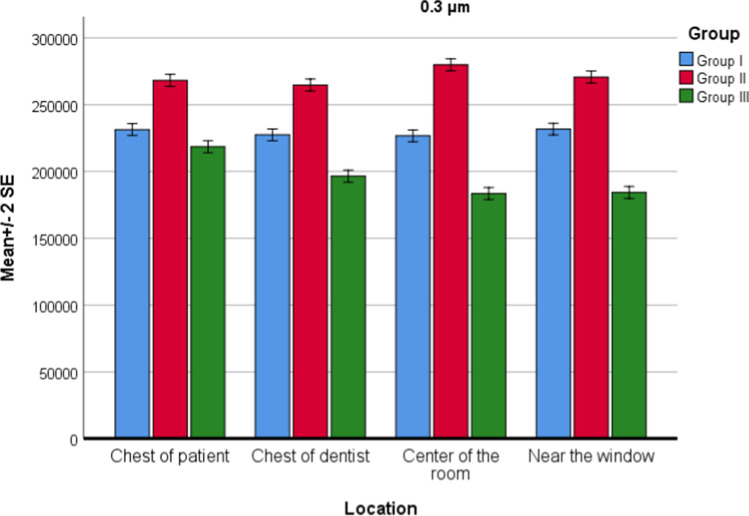
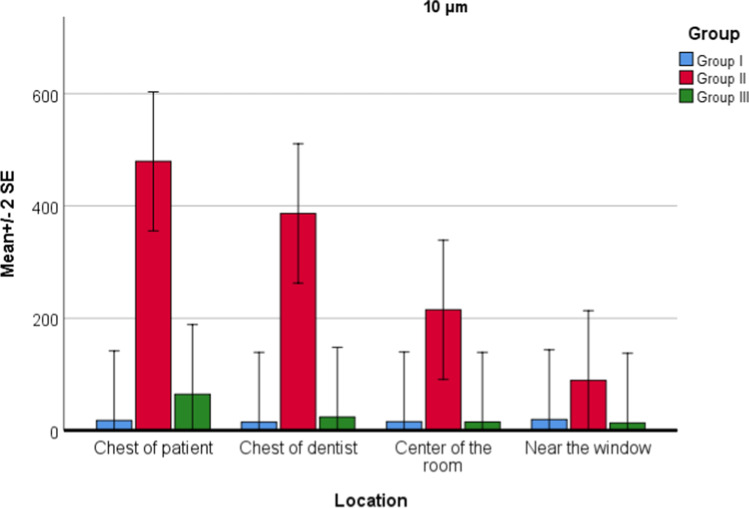
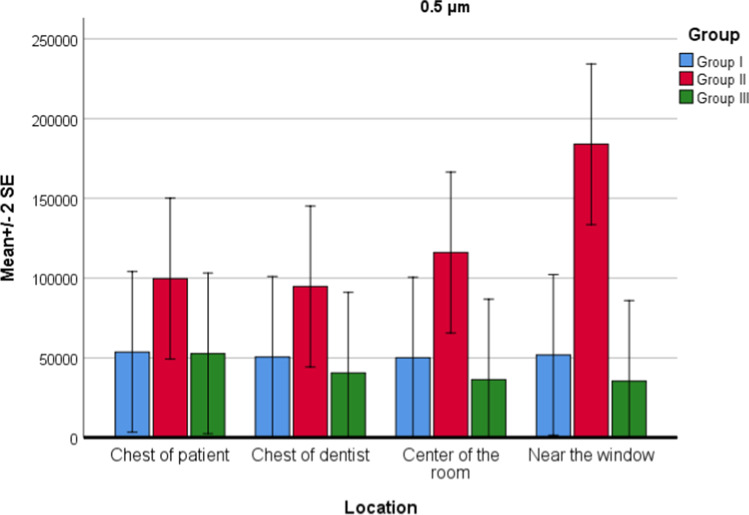
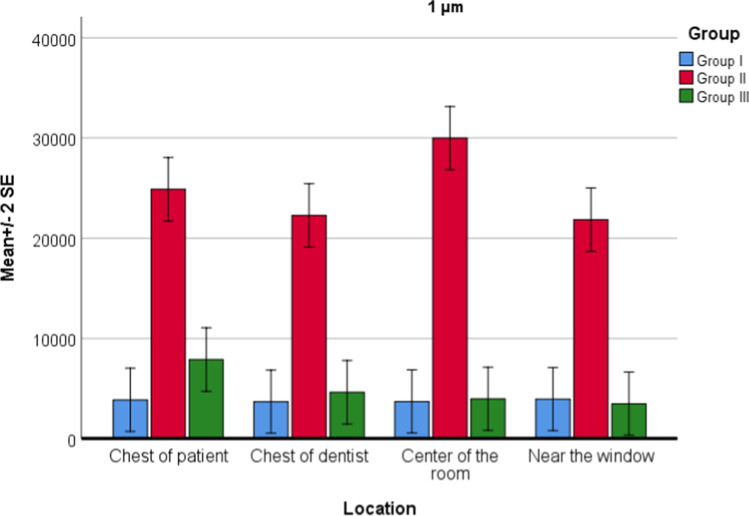
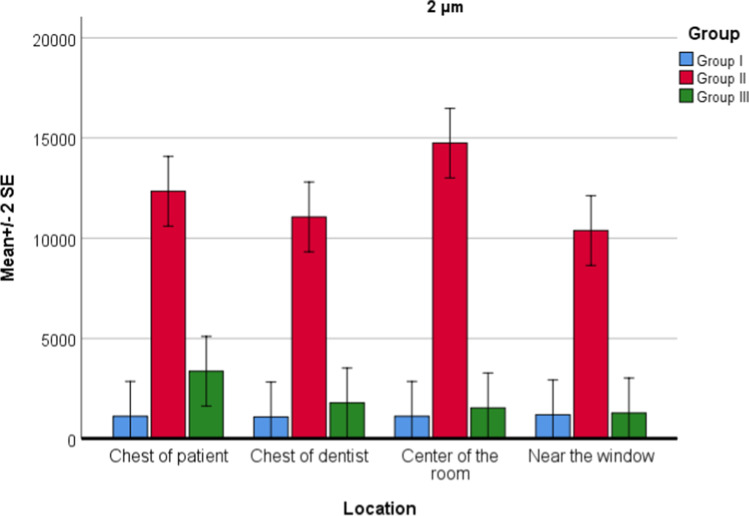
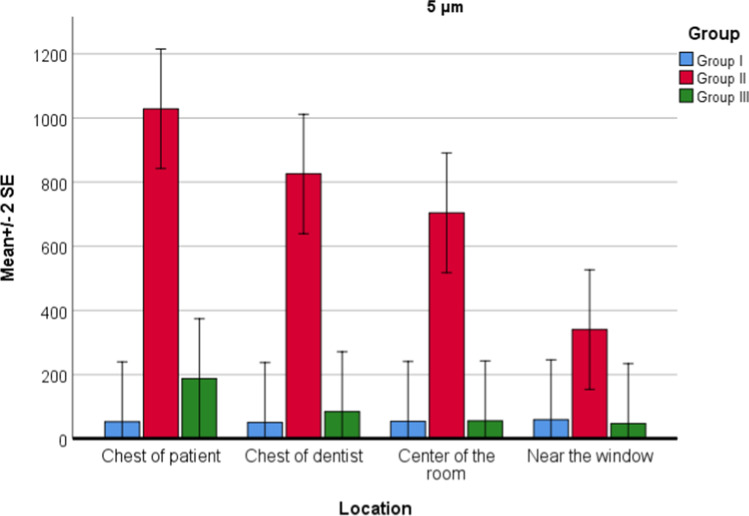
Anterior tooth preparation was performed by one dentist with one patient. Particle measurements were made using an airborne particle counter and were taken at four different locations: the chest of the patient, the chest of the dentist, the center of the room, and near the window. Three groups were determined for this study: group 1: measurement in a 24-h ventilated room (before the tooth preparation, empty room), group 2: measurement with the use of saliva ejector (SE), and group 3: measurement with the use of saliva ejector and HEPA-filtered extra-oral suction (HEOS) unit.
The particles generated during tooth preparation were separated according to their sizes; the concentration in different locations of the room and the efficiency of the HEOS unit were examined.
The present study showed that as the particle size increases, the rate of spread away from the dentist's working area decreases. The HEPA-filtered extra-oral suction unit is more effective on particles smaller than 0.5 microns. Therefore, infection control methods should be arranged according to these results.
The effective and accurate use of HEPA-filtered devices in clinics significantly reduces the spread of bacterial and viral infections and cross-infection.
牙体治疗过程中产生的气溶胶对细菌和病毒的传播具有巨大风险。本研究旨在确定工作区域的哪个部位以及多大粒径的气溶胶形成,并确保更有效地使用高效空气过滤器(HEPA)过滤设备。
由一名牙医为一名患者进行前牙预备。使用空气悬浮粒子计数器在四个不同位置进行粒子测量:患者胸部、牙医胸部、房间中心和靠近窗户的位置。本研究分为三组:组 1:在 24 小时通风的房间(牙预备前,空房间)进行测量;组 2:使用唾液抽吸器(SE)进行测量;组 3:使用唾液抽吸器和高效空气过滤器(HEPA)口腔外抽吸(HEOS)单元进行测量。
根据粒径对牙体预备过程中产生的颗粒进行了分离;检查了房间不同位置的浓度和 HEOS 单元的效率。
本研究表明,随着粒径的增加,颗粒从牙医工作区域传播的速度降低。HEPA 过滤口腔外抽吸单元对小于 0.5 微米的颗粒更有效。因此,应根据这些结果安排感染控制方法。
在临床中准确有效地使用 HEPA 过滤设备可显著降低细菌和病毒感染以及交叉感染的传播。